

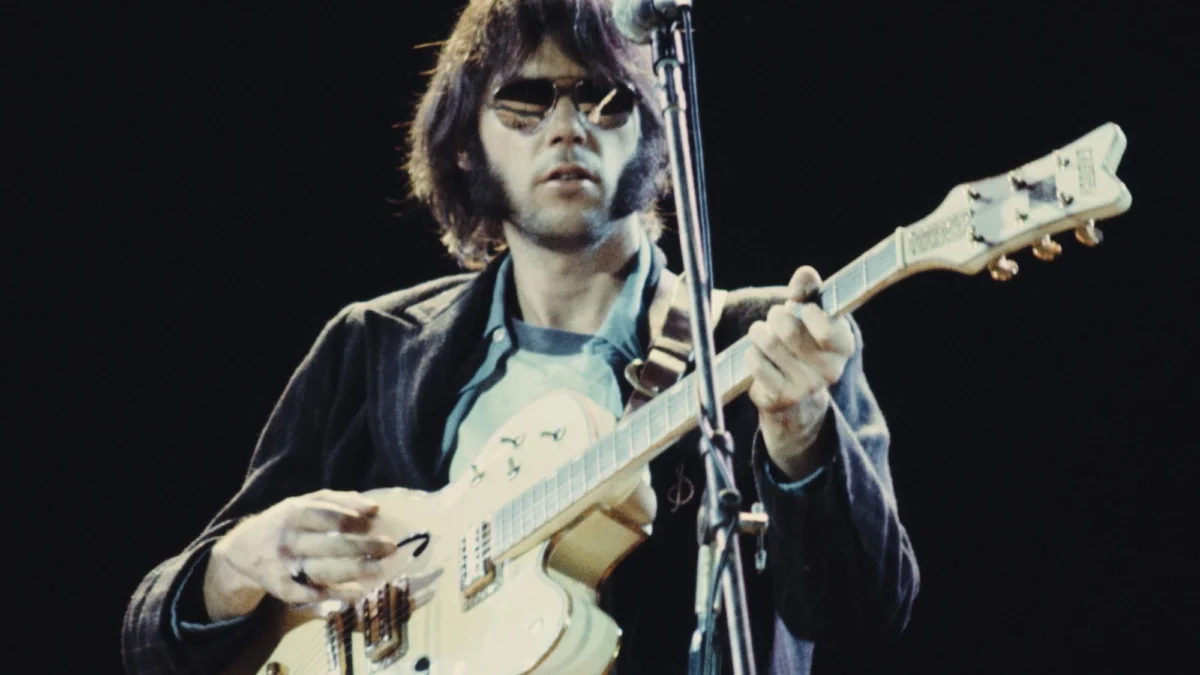
The year 1972 serves as a pivotal historical marker in the development of American folk and singer-songwriter music, representing a period where the genre transitioned from the collective political activism of the 1960s into a more introspective, deeply personal exploration of the human condition. During this twelve-month span, the music industry witnessed a proliferation of tracks characterized by lyrical depth and melodic simplicity, fulfilling the primary function of folk music: capturing the nuance of the human experience through storytelling. As the United States grappled with the winding down of the Vietnam War and the burgeoning Watergate scandal, listeners turned toward artists who could provide emotional clarity and authenticity. Three specific compositions—Neil Young’s "Heart of Gold," Jim Croce’s "Time in a Bottle," and Townes Van Zandt’s "Pancho and Lefty"—emerged as the definitive pillars of this era, each offering a unique blueprint for the art of songwriting.
The Cultural and Sonic Landscape of 1972
To understand the significance of these songs, one must examine the broader musical climate of the early 1970s. The "folk-rock" explosion of the previous decade had matured, giving way to the "Singer-Songwriter" era. This movement was characterized by artists who not only wrote their own material but performed it with an intimacy that suggested a direct window into their private lives. In 1972, the industry saw the release of seminal albums such as Joni Mitchell’s For the Roses, Paul Simon’s self-titled solo debut, and Nick Drake’s Pink Moon. However, the tracks by Young, Croce, and Van Zandt stood out for their ability to balance commercial viability with uncompromising artistic integrity.
Neil Young and the Pursuit of Authenticity in Heart of Gold
Released in early 1972 as part of the landmark album Harvest, "Heart of Gold" remains Neil Young’s only number-one hit on the Billboard Hot 100. The song’s inception was partly a result of physical necessity; Young had suffered a back injury that made it difficult for him to stand and play his electric guitar for long periods. Consequently, he retreated to his acoustic guitar and harmonica, resulting in the stripped-back, earthy sound that defined the Harvest sessions.
Lyrically, "Heart of Gold" is an anthem of search and vulnerability. The opening lines, "I want to live, I want to give / I’ve been a miner for a heart of gold," establish a metaphor for the lifelong quest for moral and emotional purity. Young’s delivery, backed by the Stray Gators and featuring harmony vocals by James Taylor and Linda Ronstadt, resonated with a public weary of artifice. The song’s geographic references—"I’ve been to Hollywood, I’ve been to Redwood"—suggested a rejection of the superficial glamour of the entertainment industry in favor of something more grounded.
The success of "Heart of Gold" was so immense that it famously bothered Young himself. In the liner notes for his 1977 compilation Decade, he wrote: "This song put me in the middle of the road. Traveling there soon became a bore so I headed for the ditch. A rougher ride but I saw more interesting people there." Despite the artist’s ambivalence toward his mainstream success, the song set a gold standard for folk-rock production, utilizing a "dry" recording style that prioritized the clarity of the vocal and the resonance of the acoustic instruments.
Jim Croce and the Poignancy of Time in a Bottle
While Neil Young was exploring the "middle of the road," Jim Croce was perfecting the art of the melodic folk ballad. "Time in a Bottle" was originally released on his 1972 debut album, You Don’t Mess Around with Jim. Unlike the more upbeat, character-driven hits like "Bad, Bad Leroy Brown," this track showcased Croce’s ability to handle delicate, existential themes with a light touch.
The song is structurally notable for its shift between a somber, minor-key verse and a bright, major-key chorus. This musical dichotomy mirrors the lyrical content: the realization that time is fleeting, contrasted with the desire to preserve moments of love and beauty. Croce wrote the song after his wife, Ingrid, told him she was pregnant with their son, A.J. Croce. The lyrics, "If I could save time in a bottle / The first thing that I’d like to do / Is to save every day ’til eternity passes away / Just to spend them with you," took on a tragic resonance following Croce’s death in a plane crash in September 1973.
Following his passing, "Time in a Bottle" was released as a single and became a posthumous number-one hit. Its enduring popularity is a testament to Croce’s craftsmanship; he managed to write a love song that avoided the clichés of the era, opting instead for a universal meditation on the passage of time. For aspiring songwriters, the track serves as a masterclass in using simple metaphors to convey profound emotional truths.
Townes Van Zandt and the Narrative Depth of Pancho and Lefty
While Young and Croce found massive commercial success, Townes Van Zandt operated on the fringes of the industry, yet his 1972 contribution, "Pancho and Lefty," is often cited by critics and fellow musicians as the greatest folk song ever written. Released on the album The Late Great Townes Van Zandt, the song is a cinematic narrative that blends the myths of the American West with a bleak, poetic realism.
The song tells the story of two outlaws: Pancho, who meets a violent end in Mexico, and Lefty, who survives but lives out his days in a cold, lonely exile in Ohio. Van Zandt’s lyrics are famously ambiguous. When asked if the song was about the Mexican revolutionary Pancho Villa, Van Zandt frequently claimed he didn’t know, stating that the lyrics "just came through the air." The verse describing Pancho’s death—"Nobody heard his dying words / That’s the way it goes"—epitomizes the stoicism of the folk tradition.
"Pancho and Lefty" did not achieve mainstream fame until it was covered by Emmylou Harris in 1976, and later by Willie Nelson and Merle Haggard in 1983, when it reached the top of the country charts. However, the 1972 original remains the definitive version for many purists, highlighting Van Zandt’s unique fingerstyle guitar playing and his weary, evocative vocal delivery. The song solidified Van Zandt’s reputation as a "songwriter’s songwriter," influencing generations of Americana and Alt-country artists.
Chronology of 1972 Folk Milestones
To contextualize these three masterpieces, it is helpful to look at the timeline of folk and singer-songwriter milestones throughout 1972:
- January 1972: Paul Simon releases his self-titled solo album, featuring "Mother and Child Reunion," signaling a move toward world-music influences within folk.
- February 1972: Neil Young releases Harvest. "Heart of Gold" begins its ascent on the charts.
- April 1972: Jim Croce releases You Don’t Mess Around with Jim. The title track becomes a hit, while "Time in a Bottle" remains a beloved deep cut.
- May 1972: The Eagles release their self-titled debut, blending folk sensibilities with country-rock harmonies that would dominate the decade.
- Late 1972: Townes Van Zandt releases The Late Great Townes Van Zandt, including "Pancho and Lefty."
- November 1972: James Taylor releases One Man Dog, further cementing the dominance of the introspective singer-songwriter.
Supporting Data and Commercial Performance
The commercial data from 1972 underscores the dominance of the folk-influenced singer-songwriter. According to Billboard Year-End charts, Harvest was the best-selling album of the year in the United States. "Heart of Gold" was certified Gold by the RIAA shortly after its release, a significant feat for an acoustic-based track in an era where hard rock and soul were also vying for airtime.
While Jim Croce’s "Time in a Bottle" did not reach its commercial peak until late 1973, the album You Don’t Mess Around with Jim maintained a steady presence on the charts throughout 1972, eventually reaching Multi-Platinum status. In contrast, Townes Van Zandt’s work saw little commercial movement in 1972, but its "long-tail" impact is immeasurable. "Pancho and Lefty" has since been covered by over 500 artists, providing a steady stream of royalty income that sustained Van Zandt’s estate long after his death in 1997.
Critical Reception and Industry Implications
At the time of their release, these songs were met with varying degrees of critical acclaim. Rolling Stone was initially lukewarm toward Harvest, with critic John Mendelsohn calling it a "disappointment," though the magazine would later rank it among the greatest albums of all time. Jim Croce was praised for his "everyman" appeal, with critics noting that his background as a construction worker and truck driver lent his folk songs a rare blue-collar credibility.
Townes Van Zandt remained a cult figure, but his influence on the "Outlaw Country" movement was immediate. Artists like Guy Clark and Steve Earle began to look toward Van Zandt as the high-water mark of lyrical excellence. The industry implication of 1972 was clear: the public had a deep appetite for "authentic" storytelling. This demand forced record labels to scout for artists who could perform solo with an acoustic guitar, leading to a boom in the folk-music industry that lasted until the rise of disco in the late 70s.
Broader Impact and the Legacy of 1972
The legacy of these three tracks extends far beyond the charts of 1972. They redefined the parameters of what a folk song could achieve. "Heart of Gold" proved that a simple, harmonica-driven track could achieve global superstardom. "Time in a Bottle" demonstrated that folk music could capture the most delicate nuances of domestic love and existential dread. "Pancho and Lefty" showed that folk could be as complex and narrative-driven as a great novel.
Today, these songs are staples of the Americana genre, a modern evolution of the folk tradition that continues to prioritize songwriting above all else. When contemporary artists like Jason Isbell or Brandi Carlile take the stage, they are standing on a foundation laid in 1972 by Young, Croce, and Van Zandt. The year remains a "hot spot" for music history because it was the moment when the "human experience" was most vividly and successfully translated into song. As these tracks continue to be streamed, covered, and analyzed, their status as essential listening remains undisputed, serving as a permanent reminder of a year when folk music truly found its heart.
