

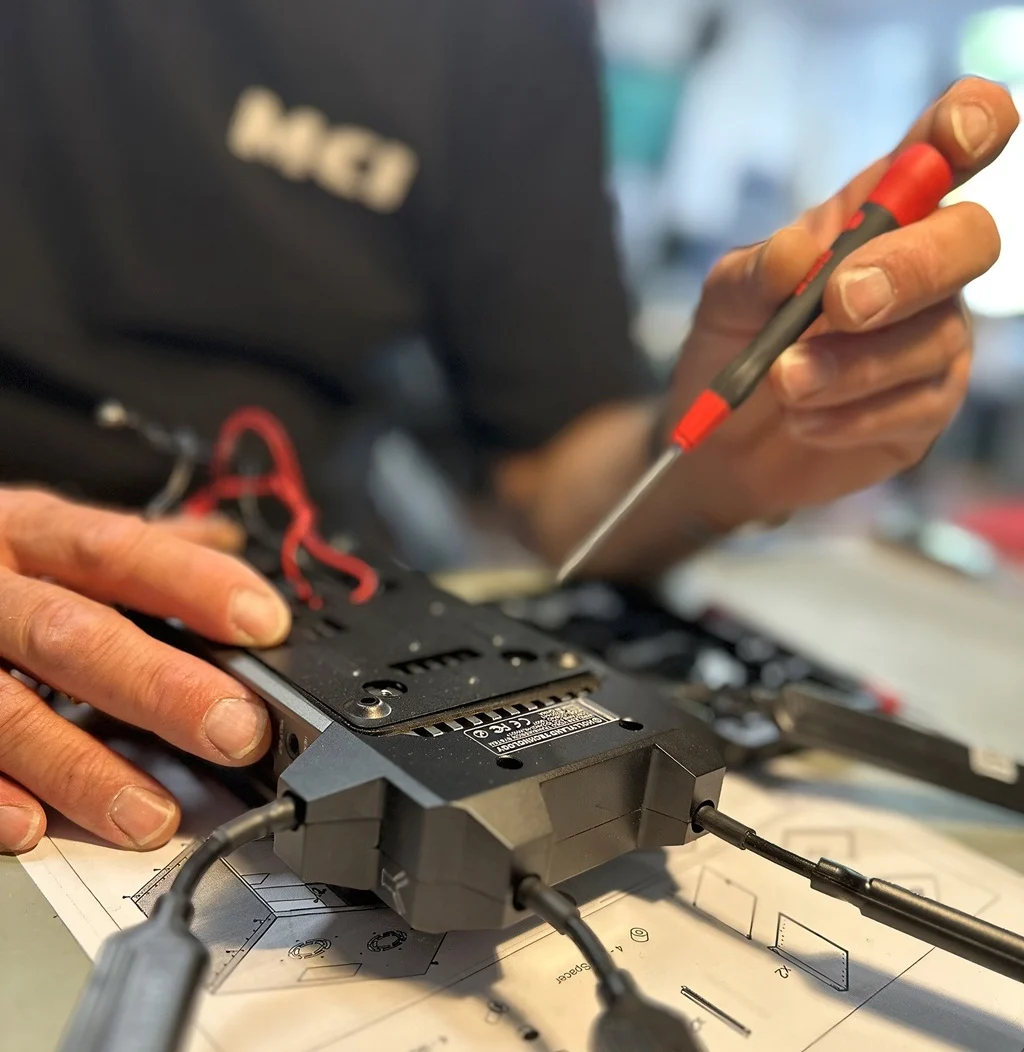
The media landscape is undergoing a significant transformation, driven by both rapid technological advancement and a growing emphasis on operational longevity. In a strategic move to address these evolving needs, Studio Hamburg MCI has officially inaugurated a specialized RepairCenter on the Studio Hamburg Campus. This new facility is designed to serve as a centralized hub for the repair and maintenance of professional film, television, and audiovisual (AV) technology. By bundling these highly technical services under one roof, MCI aims to provide a comprehensive support system for production companies, rental houses, and broadcasters who rely on the continuous availability of high-end equipment. The initiative is led by Thomas Burmester, a seasoned industry professional who has transitioned to MCI along with his specialized team, bringing a wealth of technical expertise to the newly formed division.
A Strategic Expansion of Professional Technical Services
Studio Hamburg MCI, a subsidiary of the renowned Studio Hamburg Group, has long been recognized as a premier system integrator and full-service provider in the media technology sector. The establishment of the RepairCenter marks a significant expansion of its existing service portfolio, which already includes the MCI AV-Service, technical design, and project realization. The primary objective of this new facility is to offer a dedicated environment for the restoration and maintenance of sophisticated hardware, ranging from high-resolution camera systems and precision lenses to complex vision mixers, lighting rigs, and audio-streaming equipment.
The decision to localize the RepairCenter on the Studio Hamburg Campus is both symbolic and practical. The campus itself is one of Europe’s most storied media hubs, housing a diverse ecosystem of production facilities, studios, and post-production suites. By placing the RepairCenter at the heart of this activity, MCI ensures that professional operators—including cinematographers, sound engineers, and studio technicians—have immediate access to expert technical support. This proximity is crucial in an industry where equipment downtime can lead to significant financial losses and production delays.
Technical Scope and Equipment Specialization
The RepairCenter is equipped to handle a broad spectrum of professional-grade hardware. In the modern broadcast environment, the complexity of equipment has increased exponentially. Contemporary digital cinema cameras and broadcast units are no longer merely mechanical or optical devices; they are sophisticated computers integrated with delicate sensors and proprietary software. The RepairCenter’s capabilities extend to:
- Imaging Systems: Maintenance and repair of professional cameras, including sensor cleaning, mechanical adjustments, and firmware synchronization.
- Optics: High-precision lens servicing, which requires specialized tools to ensure optical alignment and mechanical smoothness.
- Control and Switching: Repair of vision mixers and conference systems that form the backbone of live production environments.
- Monitoring and Display: Calibration and repair of professional-grade monitors and display walls used in color grading and control rooms.
- Infrastructure Hardware: Servicing of tripods, pedestals, lighting fixtures, and audio equipment, ensuring that the physical support structures of a production remain reliable.
Maximilian Below, Managing Director of Studio Hamburg MCI GmbH, emphasized that the RepairCenter is the final piece of the puzzle in the company’s "Full-Service" philosophy. According to Below, the goal is to foster long-term, trust-based partnerships with clients by not only selling and installing systems but also ensuring their functionality throughout their entire lifecycle.
The Shift Toward Sustainability and Investment Protection
One of the most compelling aspects of the new RepairCenter is its focus on sustainability—a topic of increasing importance in the global media industry. For decades, the "replacement culture" dominated the tech sector, where slightly damaged or aging equipment was often phased out in favor of newer models. However, economic pressures and environmental mandates are shifting the paradigm toward "Repair and Maintain."
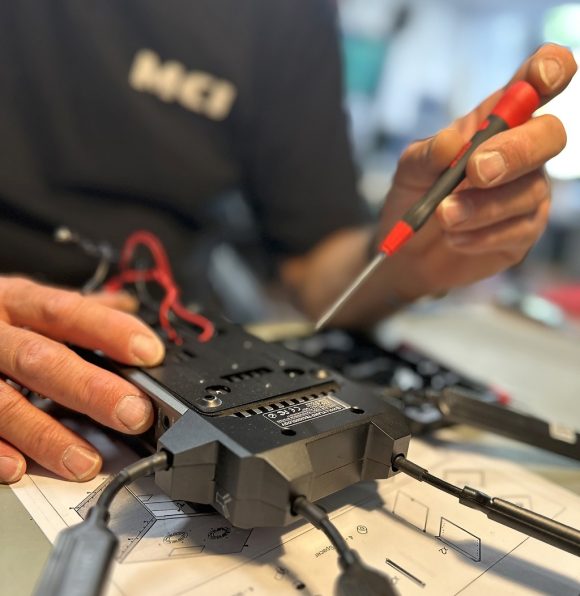
MCI’s approach centers on the concept of investment protection. Professional AV equipment represents a significant capital expenditure. By offering structured maintenance and service contracts (Service Level Agreements or SLAs), MCI enables companies to extend the operational life of their assets. Regular maintenance, including software updates and precision calibration, allows technicians to identify potential points of failure before they result in a total system breakdown. This proactive stance not only saves money on emergency repairs but also reduces the environmental footprint of the production industry by minimizing electronic waste.
Manufacturer Partnerships and Technical Integrity
A critical differentiator for the MCI RepairCenter is its direct relationship with original equipment manufacturers (OEMs). As an authorized partner for several leading brands, MCI has direct access to confidential technical documentation, service manuals, and proprietary software tools that are often unavailable to independent repair shops.
Furthermore, the center utilizes original spare parts, ensuring that any repair maintains the integrity and warranty of the equipment. In an industry where precision is paramount—such as in the calibration of a 4K broadcast lens—the use of non-standard parts can lead to catastrophic failures during a live shoot. The direct line of communication between MCI’s technicians and manufacturer engineering teams ensures that even the most complex technical issues are resolved according to factory standards.
Leadership and the Human Element of Technical Support
The appointment of Thomas Burmester as the head of the RepairCenter is a strategic move that brings decades of practical experience to the forefront. Burmester and his team are well-known in the German media landscape for their technical acumen. Their transition to MCI signifies a consolidation of talent that strengthens the company’s position as a market leader.
Burmester has noted that "repair is a passion" for his team. This sentiment reflects the craftsmanship required to disassemble and fix high-value equipment. In professional production, the relationship between a camera operator and their technician is often built on years of trust. By integrating this team into the MCI framework, the company ensures that clients receive personalized service backed by the logistical power of the Studio Hamburg Group.
Historical Context: MCI’s Evolution Since 1977
To understand the significance of the RepairCenter, one must look at the history of Studio Hamburg MCI. Founded in 1977, the company began as a consultancy and system house during the burgeoning era of color television. Over nearly five decades, it has navigated the transitions from analog to digital, from SD to HD, and now into the realms of 4K, 8K, and IP-based production.
Throughout these technological shifts, MCI has remained a cornerstone of the German media industry. Its involvement in major projects—ranging from the construction of modern newsrooms for public broadcasters to the implementation of sophisticated AV systems for corporate clients—has given the company a unique perspective on the lifecycle of media technology. The RepairCenter is a natural evolution of this history, responding to a market that now demands more than just hardware sales; it demands a lifetime of support.

Broader Industry Impact and the LEAT Con 26 Presence
The launch of the RepairCenter is also timed to coincide with major industry gatherings, most notably LEAT Con 26 (Live, Entertainment, and Technology Convention). Taking place from October 6 to 8 in Hamburg, LEAT Con is a premier event for the Northern European media and entertainment sector. Studio Hamburg MCI will be a prominent exhibitor in Hall A4, where they intend to showcase the capabilities of the new RepairCenter to a wider audience of industry professionals.
The presence of MCI at LEAT Con 26 highlights Hamburg’s status as a leading media hub. The city is home to major broadcasters, production houses, and a vibrant community of creative professionals. By investing in local repair infrastructure, MCI is reinforcing the regional economy and ensuring that Hamburg remains a competitive location for international film and television productions.
Analysis: The Future of Media Service Centers
The establishment of the MCI RepairCenter reflects a broader trend in the global AV market. As technology becomes more integrated and software-dependent, the line between "hardware repair" and "system optimization" is blurring. Future service centers will likely need to balance traditional mechanical skills with advanced IT knowledge, particularly as SMPTE ST 2110 (IP-based video) becomes the industry standard.
MCI’s model of combining individual repairs with long-term maintenance contracts provides a blueprint for how technical service providers can remain relevant in a rapidly changing market. By focusing on reliability, sustainability, and manufacturer-certified quality, Studio Hamburg MCI is not only fixing equipment but is also providing the stability required for the next generation of media creation.
The RepairCenter is now fully operational and accepting inquiries from across the industry. As the media world looks toward more sustainable and cost-effective operational models, the facility on the Studio Hamburg Campus stands as a testament to the enduring value of technical expertise and the importance of maintaining the tools that bring stories to life. For the professionals who operate behind the scenes, the message is clear: their equipment is in safe hands, and the future of their technology is being secured one repair at a time.
