

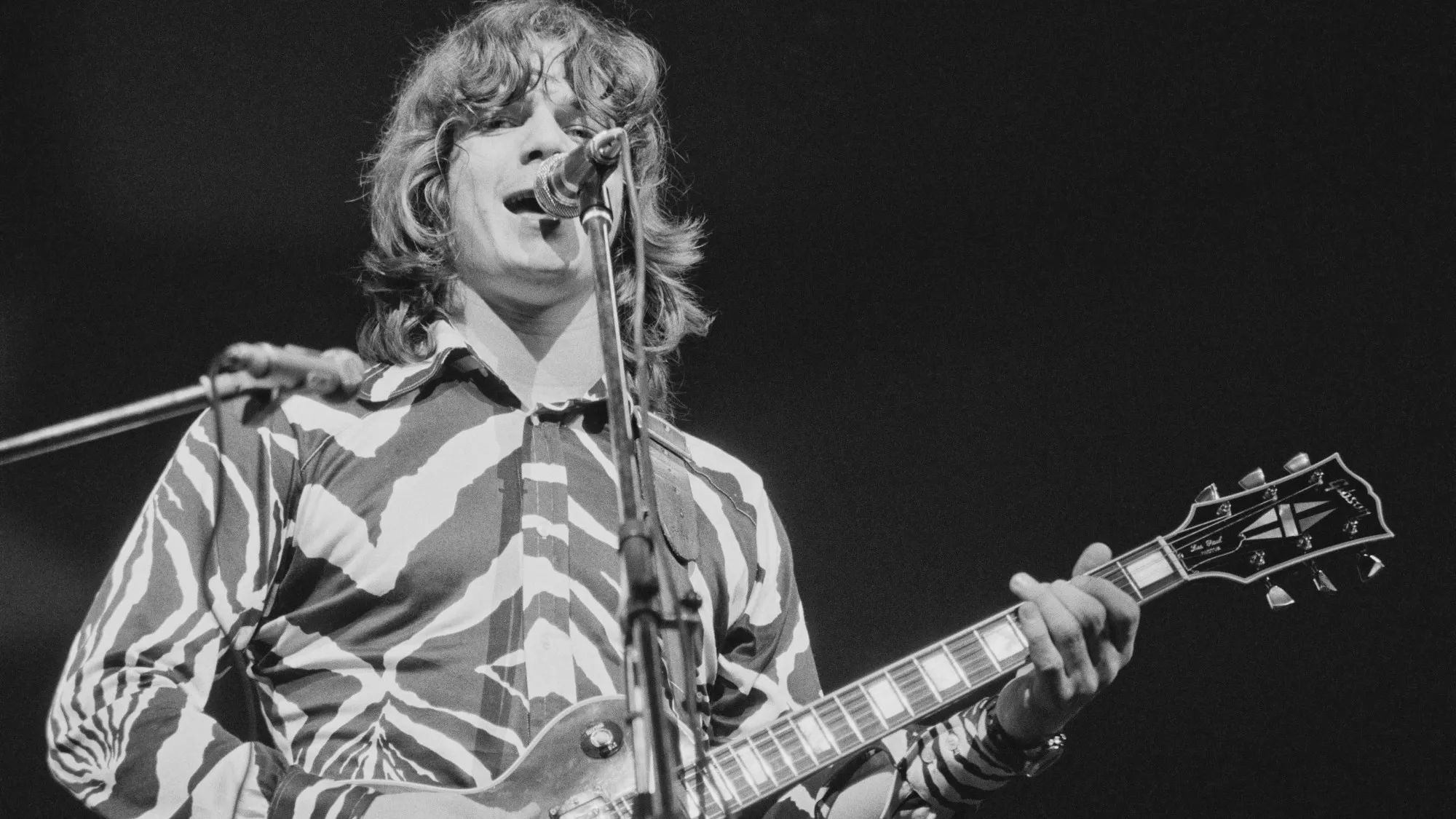
The landscape of American popular music in 1976 served as a unique intersection for various genres, including folk-rock, disco, funk, and the emerging sounds of arena rock. During this Bicentennial year, the United States was navigating a period of post-Watergate reflection and economic transition, yet the airwaves remained dominated by a specific craft: the narrative ballad. While the "hook" remained essential for commercial viability, the ability to weave a compelling story into a four-minute radio edit became a hallmark of the era’s most enduring hits. Analysis of the Billboard Hot 100 from 1976 reveals that four specific tracks—"Take The Money And Run," "The Wreck of the Edmund Fitzgerald," "December, 1963 (Oh, What a Night)," and "Play That Funky Music"—exemplify the diverse ways in which storytelling can achieve both critical and commercial longevity.
The Criminal Narrative in Modern Rock: Steve Miller Band’s "Take The Money And Run"
Released in May 1976 as the lead single from the multi-platinum album Fly Like an Eagle, "Take The Money And Run" by the Steve Miller Band introduced a classic "outlaw" narrative to the mid-70s rock audience. The song follows the exploits of two young protagonists, Billie Joe and Bobbie Sue, who embark on a crime spree through El Paso, Texas.
Narrative Structure and Characterization
The track is notable for its economy of language, utilizing a linear narrative that introduces the characters, the crime (the shooting of a "man who was tall, dark, and handsome"), and the subsequent pursuit. Steve Miller introduces a third character, Detective Billy Mack, described as a "lawman" who is "making a living off the people’s taxes." This inclusion provides a layer of social commentary, suggesting a cynical view of both the criminals and the authorities tasked with capturing them.
Commercial Performance and Data
"Take The Money And Run" reached number 11 on the Billboard Hot 100. Its success was driven by a distinctive, percussion-heavy arrangement featuring handclaps and a driving drum beat that complemented its fast-paced lyrical content. According to RIAA data, the parent album Fly Like an Eagle eventually achieved quadruple-platinum status, buoyed by the heavy rotation of this storytelling track on FM radio.
The Maritime Tragedy: Gordon Lightfoot’s "The Wreck of the Edmund Fitzgerald"
While many storytelling songs utilize fictional archetypes, Gordon Lightfoot’s 1976 release, "The Wreck of the Edmund Fitzgerald," stands as a landmark in the folk-ballad tradition for its journalistic approach to a contemporary tragedy. The song chronicles the sinking of the SS Edmund Fitzgerald in Lake Superior on November 10, 1975.
Historical Context and Chronology
Lightfoot was inspired to write the song after reading an article in Newsweek titled "The Cruelest Month." The timeline of the song’s creation is remarkably swift; it was recorded in December 1975 and released in August 1976.
- November 10, 1975: The SS Edmund Fitzgerald sinks during a gale, claiming 29 lives.
- December 1975: Lightfoot records the track at Eastern Sound in Toronto.
- August 1976: The single is released, eventually peaking at number two on the Billboard Hot 100.
Technical Composition and Accuracy
The song is composed in a 6/8 time signature, evoking the rolling motion of the sea. Lightfoot took great care to ensure the accuracy of the maritime details, including the ship’s weight (26,000 tons) and its destination (Cleveland). In later years, Lightfoot even modified the lyrics during live performances to reflect new findings from underwater surveys of the wreck, demonstrating a commitment to the factual nature of the narrative.
Social Impact and Official Responses
The song remains a cultural touchstone in the Great Lakes region. The Mariners’ Cathedral in Detroit, mentioned in the song’s final verses, continues to hold memorial services for the crew. Family members of the deceased have frequently cited the song as a vital piece of commemorative history that prevented the tragedy from fading into obscurity.
Nostalgia and the Evolution of Pop: The Four Seasons’ "December, 1963 (Oh, What a Night)"
In contrast to the somber tones of Lightfoot or the outlaw spirit of Miller, The Four Seasons utilized storytelling to evoke personal nostalgia. "December, 1963 (Oh, What a Night)" was released in late 1975 but dominated the charts throughout the early months of 1976, eventually becoming the group’s best-selling single.
The Origins of the Narrative
The song was written by original Four Seasons member Bob Gaudio and his future wife, Judy Parker. Interestingly, the original lyrics were set in 1933 and focused on the repeal of Prohibition. However, Parker convinced Gaudio to pivot the narrative toward a story of young love and a first sexual encounter. This shift to a more relatable, coming-of-age story is credited with the song’s universal appeal.
Data and Chart Dominance
- Peak Position: Number one on the Billboard Hot 100 for three weeks in March 1976.
- Longevity: The song spent a total of 27 weeks on the charts during its initial run.
- Resurgence: A 1994 dance remix of the song re-entered the charts, making it one of the few songs to have two distinct chart runs nearly 20 years apart.
Stylistic Analysis
The track represents a bridge between the doo-wop roots of the Four Seasons and the disco-funk trends of 1976. By placing a specific date in the title, the song anchors the listener in a specific memory, proving that highly specific storytelling can paradoxically lead to broader commercial success.
Funk as a Medium for Biography: Wild Cherry’s "Play That Funky Music"
The inclusion of Wild Cherry’s "Play That Funky Music" in the pantheon of storytelling songs highlights how narrative can be used to document the cultural shifts of the 1970s. The song is a literal retelling of the band’s transition from a hard rock act to a funk-influenced ensemble.
The Real-Life Inspiration
Lead singer Rob Parissi wrote the song after a performance at a club called 2001 in Pittsburgh. At the time, the audience was increasingly demanding disco and funk music, which the band did not play. During a break, a patron approached the stage and asked, "Are you white boys gonna play some funky music?" Parissi wrote the lyrics on a drink order pad shortly thereafter.
Chronology of Success
- 1976 Release: The song was released on the independent Sweet City label before being picked up by Epic Records.
- Chart Achievement: It reached number one on both the Billboard Hot 100 and the Billboard R&B chart—a rare feat for a white rock band at the time.
- Certification: The single was certified Platinum by the RIAA, selling over two million copies in the U.S.
Cultural Implications
"Play That Funky Music" serves as a meta-narrative about the music industry itself. It documents the tension between rock and funk/disco during the mid-70s. The song’s success illustrated the blurring of racial and genre lines on American radio, as the "story" of the band’s adaptation resonated with a shifting demographic of listeners.
Broader Impact and Implications of the 1976 Narrative Trend
The success of these four songs in 1976 indicates a specific consumer demand for "literate" pop music. Despite the increasing emphasis on high-production values and danceable rhythms, the American public remained tethered to the tradition of the song-as-story.
The Role of FM Radio
The mid-1970s saw the maturation of Album Oriented Rock (AOR) FM radio. This format allowed for longer tracks and more complex lyrical themes than the strict "three-minute" rule of AM Top 40. Songs like "The Wreck of the Edmund Fitzgerald," which clocks in at over six minutes, benefited from this shift in broadcasting philosophy.
Legacy and Modern Reception
In the digital era, these tracks have maintained high engagement levels. On platforms such as Spotify and YouTube, these four songs consistently garner millions of streams annually, often outperforming "pure" pop hits of the same year that lacked a narrative core.
- "Take The Money And Run": Remains a staple of classic rock radio, frequently used in film and television to denote a sense of rebellion.
- "The Wreck of the Edmund Fitzgerald": Serves as a primary educational tool for Great Lakes history.
- "December, 1963": Continues to be a mainstay at weddings and social gatherings, cementing its status as a multi-generational anthem.
- "Play That Funky Music": Has been sampled and covered by numerous artists, maintaining its relevance in the hip-hop and modern funk communities.
The year 1976 was more than just a celebration of American history; it was a year where songwriters proved that the most effective way to capture the public’s imagination was to tell a story. Whether through the lens of a crime spree, a maritime disaster, a nostalgic memory, or a professional turning point, these narratives provided a depth to the 1970s music scene that continues to resonate with audiences nearly half a century later.
