

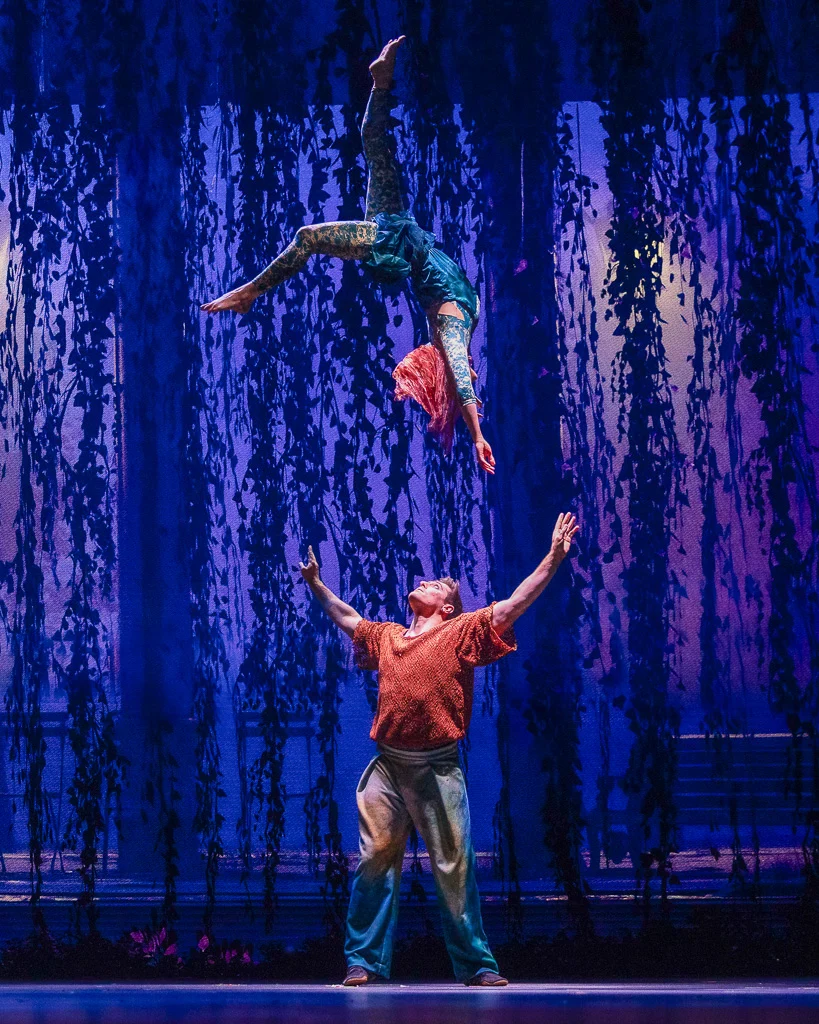
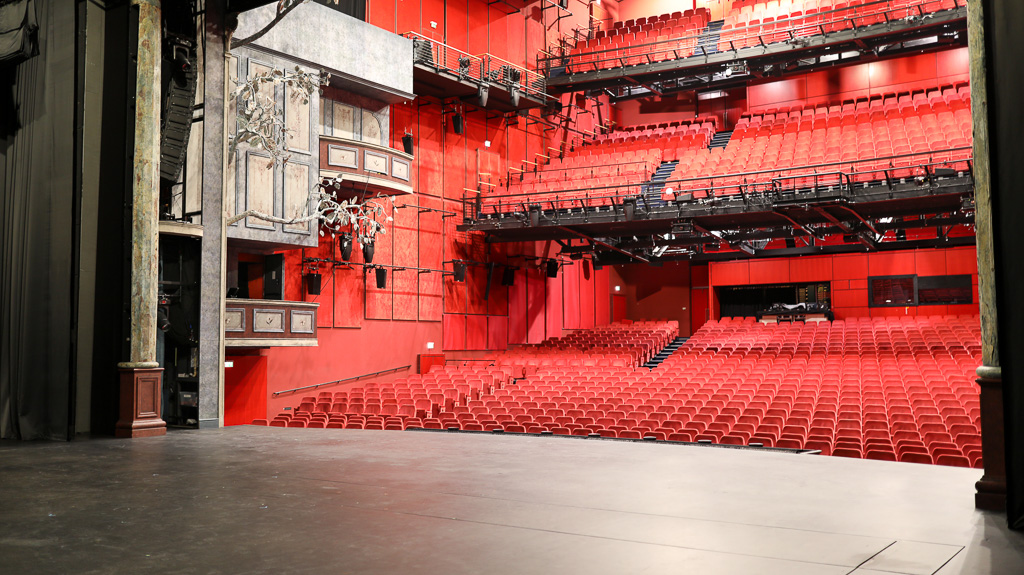
The arrival of Cirque du Soleil’s "Alizé" at the Theater am Potsdamer Platz in Berlin marks a significant milestone in the entertainment industry, representing the first time the world-renowned Montreal-based circus has established a permanent residency in an existing European building. Traditionally, Cirque du Soleil has relied on bespoke, purpose-built theaters—as seen in Las Vegas and Los Angeles—or its iconic "Big Top" tents to accommodate the extreme technical requirements of its performances. However, since its premiere on October 23, 2025, the show has redefined the relationship between historical urban infrastructure and modern high-tech performance art. The transition required a massive five-month renovation, a feat of engineering that pushed the structural limits of one of Germany’s largest theaters while navigating the complexities of German safety regulations and the logistical demands of a dual-use venue.
A Strategic Shift in the Cirque du Soleil Model
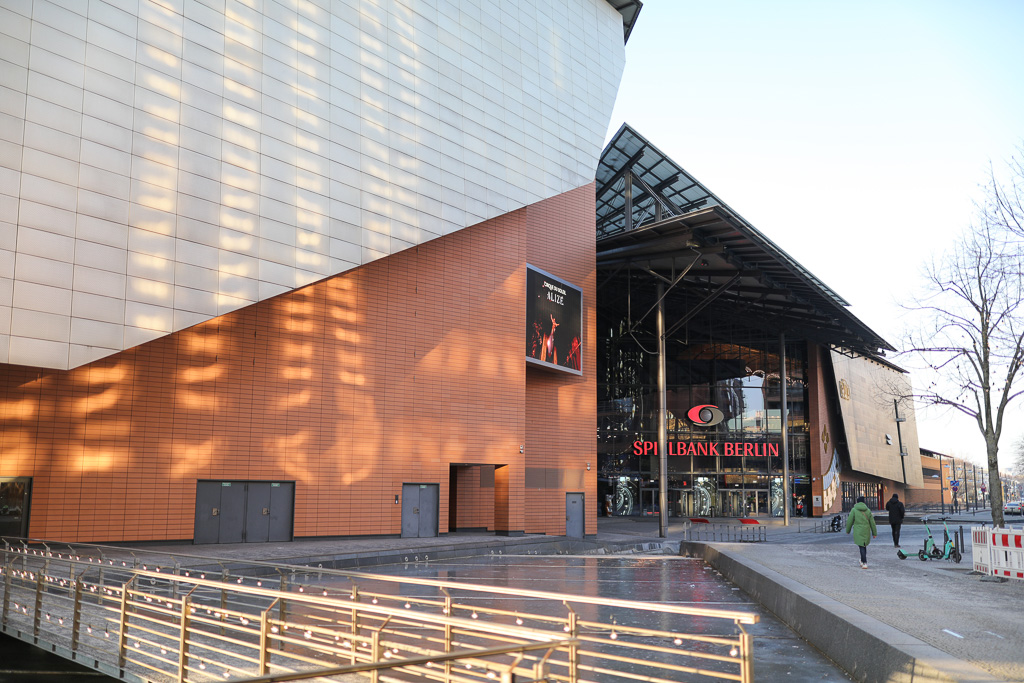
Founded in 1984, Cirque du Soleil has spent four decades building a global reputation for high-concept artistry and boundary-pushing acrobatics. While touring productions remain a staple of their business model, the residency model offers a level of technical sophistication that portable stages cannot match. The decision to select Berlin’s Theater am Potsdamer Platz was driven by the city’s status as a cultural epicenter and the specific structural qualities of the building. Built in 1998, the theater boasts 1,754 seats, though for "Alizé," the capacity has been optimized to approximately 1,500 to ensure that every spectator has an ideal vantage point for the vertical and aerial maneuvers that define the show.
The residency is currently slated for a ten-year term, with a guaranteed minimum run of three years. This long-term commitment allowed for a level of investment in the building’s infrastructure that would be impossible for a short-term guest appearance. The project involved a workforce of 45 on-stage performers and roughly 50 support staff, creating a significant economic footprint in Berlin’s Mitte district.
The Architectural and Engineering Challenge
Utilizing an existing structure presented unprecedented challenges for the technical planning team. Unlike the customized theaters in Nevada, which are designed from the ground up to support massive overhead loads, the Theater am Potsdamer Platz was originally designed for traditional musical theater. Florian Mett-Dienel, a project engineer for the Berlin-based service provider BigRig, noted that the project required pushing the building to its absolute physical limits. The technical team had to account for static loads in the roof while simultaneously considering the dynamic forces generated by acrobats. In circus artistry, dynamic factors—the force exerted by a moving body—can range from three to seven times the performer’s actual weight.
To provide a reliable planning basis, BigRig utilized advanced 3D laser scanning technology to create a digital twin of the theater. The resulting point cloud, which reached the terabyte range in size, allowed engineers to verify the accuracy of the original 1998 blueprints. This "Building Information Modeling" (BIM) approach was essential for integrating new installations into the existing steel framework. The engineers found that while the theater’s "young" age (compared to historic West End venues) made the renovation possible, the margins for error were razor-thin. At one point during the planning phase, structural analysts had to recalculate the roof’s capacity to ensure it could withstand both the heavy internal rigging and potential external snow loads simultaneously.
Chronology of the Transformation
The timeline for the "Alizé" installation was exceptionally tight, spanning from the spring of 2024 to the October 2025 premiere:
- Summer 2024: Initial inquiries and recruitment of technical leads, including Production Rigging Manager Willem Catianis.
- December 2024: Planning phase begins in Montreal. A team of 55 designers and technicians spends two months at the Cirque du Soleil headquarters developing the show’s technical framework.
- April 2025: Technical staff arrive on-site in Berlin to begin preparatory work.
- June 1, 2025: Full-scale construction begins. The theater is handed over to the renovation crews.
- June – September 2025: The entire stage floor is replaced. The proscenium (the stage opening) is reduced from 18 meters to 14 meters to create a more intimate atmosphere. Two high-capacity lifts (hubpodia) and a complex person-flying system are installed.
- October 23, 2025: World premiere of "Alizé."
- January 2026: Milestone of 80 successful performances reached.
Specialized Rigging and the "Tornado" Effect
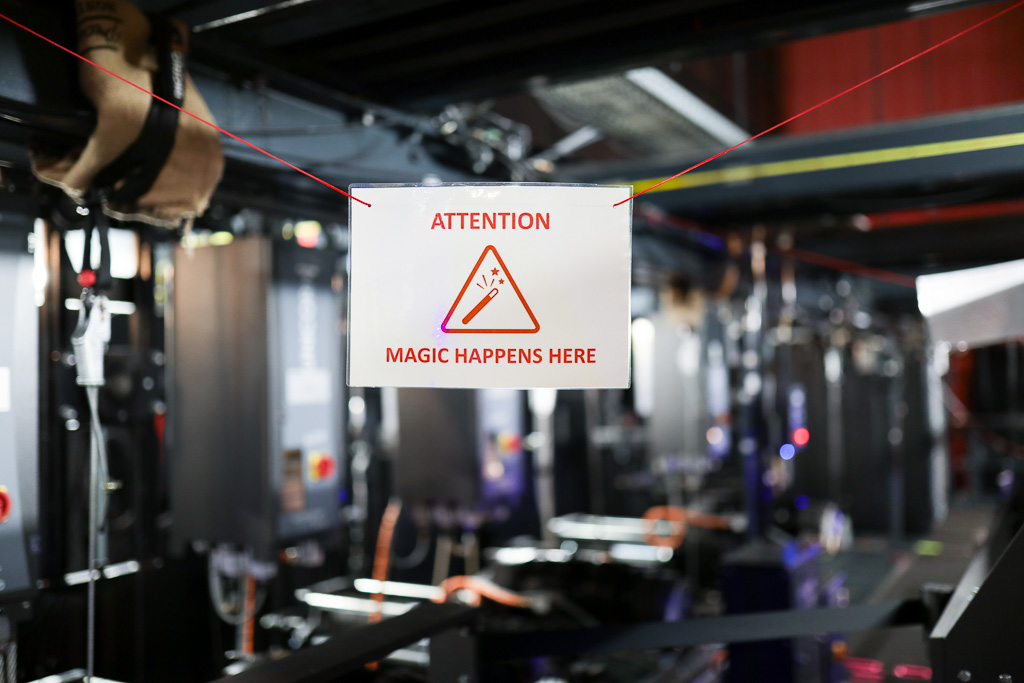
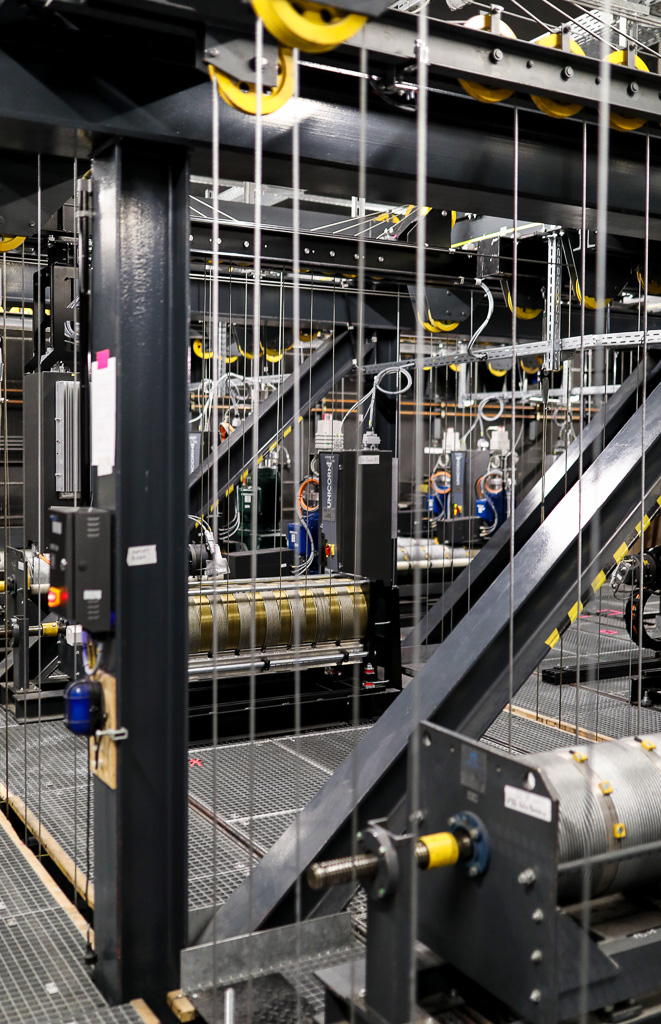
The heart of any Cirque du Soleil production is its rigging. For "Alizé," the grid—located 26 meters above the stage—became a dense forest of machinery. The installation included 140 wire rope hoists and a sophisticated DMX-controlled lighting system consisting of 250 "flying lights." These lights can be moved vertically up to 12 meters, allowing for wave-like light movements throughout the auditorium.
One of the most complex technical features is the "Tornado" effect. Using a series of high-powered fans positioned between the stage and the grid, the production creates a literal vortex of air. This effect is made visible through the use of theatrical fog, creating a stunning visual centerpiece. However, the physics of a indoor tornado are delicate; the theater’s entire ventilation system must be meticulously balanced, and all doors must remain strictly closed to prevent outside air currents from collapsing the vortex.
Every piece of equipment was customized for the venue. Because chains tend to rattle and create acoustic interference, the team opted for custom-length steel cables. Furthermore, almost all rigging hardware was painted matte black in an on-site spray booth to ensure that the machinery would "disappear" into the shadows above the audience, maintaining the theatrical illusion.
Navigating German Safety Standards
A significant portion of the engineering work involved reconciling Cirque du Soleil’s international standards with Germany’s rigorous safety regulations (such as DGUV and DIN standards). Germany is widely regarded as having some of the highest safety requirements for event technology in the world. This necessitated the hiring of independent experts, such as Oliver Leigers, to certify the mechanical installations.
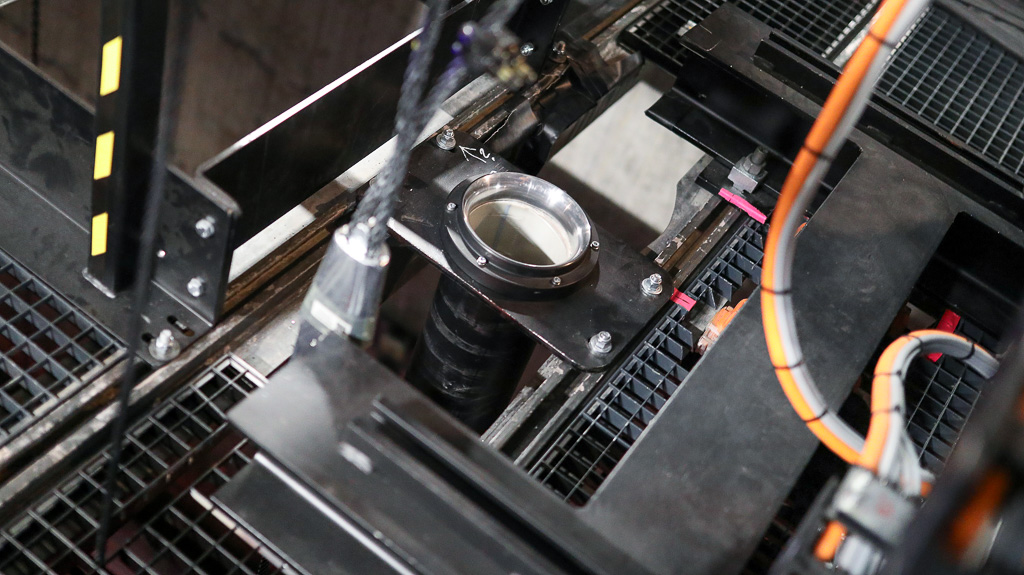
One specific example of this adaptation was the replacement of hundreds of "safeties"—the secondary steel cables used to secure overhead equipment. While the original Canadian equipment met North American standards, it did not meet the specific German requirements for theatrical use. The team had to source and install hundreds of new safety cables on short notice.
Safety protocols for the performers are equally stringent. Every day, the maintenance crew conducts a "Day Shift" to inspect every machine, bungee cord, and harness. Because performers fly over the audience, double-redundant safety systems are used. The rigging team even developed a specialized height-rescue plan: if a performer were to become stranded or unconscious while suspended, they must be reachable and rescuable within two minutes.
Immersive Audio and Visual Integration
The auditory experience of "Alizé" is as complex as the visual. The show utilizes a hybrid sound system. For the front-of-house, a Meyer Sound system in a Left-Center-Right (LCR) configuration was installed. This was integrated with an existing Alcons Audio system to create a full Dolby Atmos immersive environment.
The installation of these speakers required extreme precision. To accommodate the massive rigging systems, original acoustic absorbers on the ceiling had to be removed, which threatened to create unwanted echoes. The sound engineers had to strategically reposition the arrays and use acoustically transparent covers—manufactured by Studio Hamburg—to hide the speakers within the stage decor without muffling the sound.
The Berlinale Factor: A Logistical Double-Act
A unique aspect of the Theater am Potsdamer Platz is its role as the primary venue for the Berlin International Film Festival (Berlinale) every February. This means that once a year, the massive "Alizé" production must be partially struck and stored to allow the theater to transform into a world-class cinema.
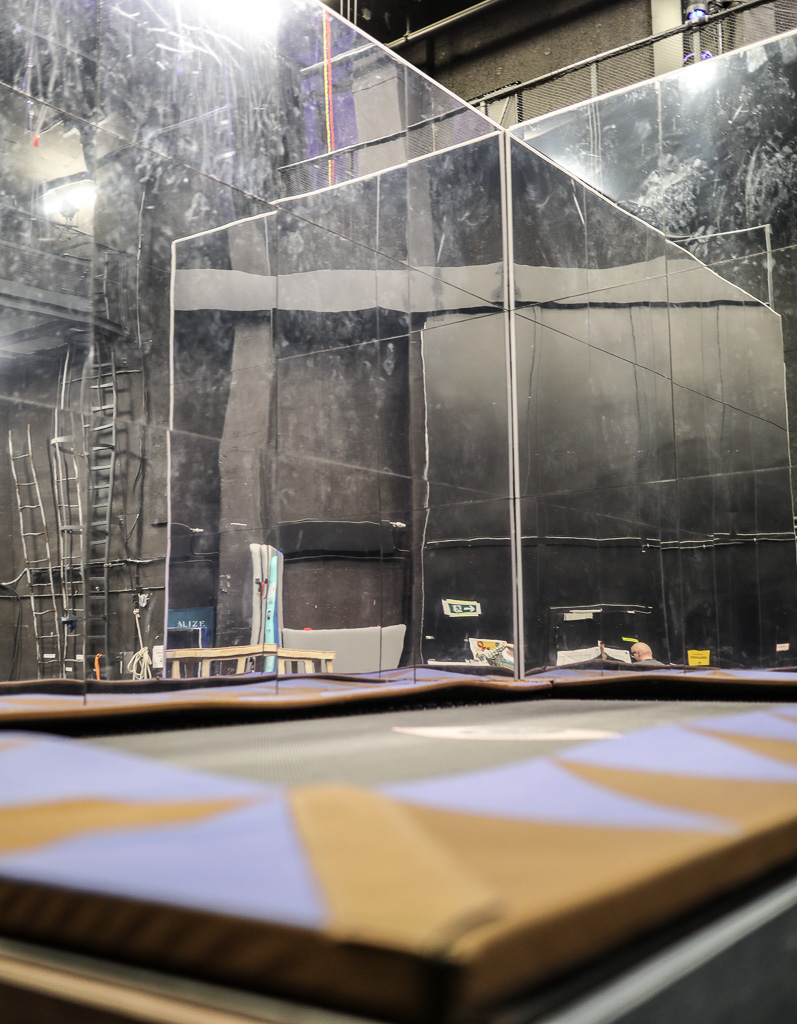
This dual-use requirement added another layer of complexity to the initial design. Equipment had to be modular and mobile. For instance, large decorative elements were built on steel frames with integrated pneumatic systems. These elements can be "pumped up" by two centimeters to rest on air cushions, allowing them to be rolled away with minimal effort, then "deflated" to sit firmly on the stage floor for acrobatic stability. This annual "changeover" will be a recurring logistical feat for the duration of the residency.
Economic and Cultural Implications
The "Alizé" residency represents a significant win for Berlin’s tourism and cultural sectors. By securing a permanent Cirque du Soleil show, the city joins an elite group of global entertainment hubs. The production provides stable employment for nearly 100 people and attracts thousands of visitors to the Potsdamer Platz area weekly.
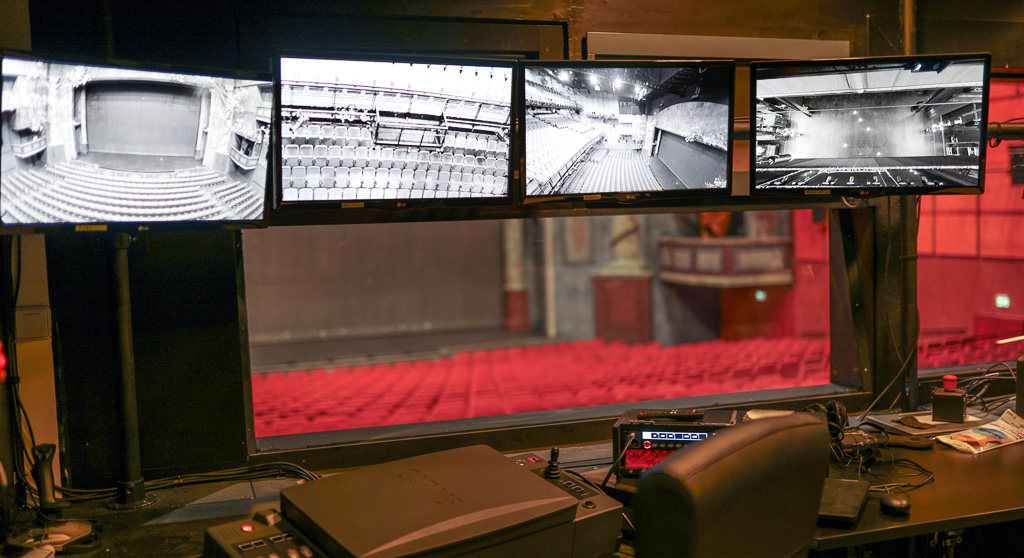
From a technical perspective, the project has set a new benchmark for how existing urban theaters can be repurposed for specialized entertainment. The collaboration between international creatives and German engineers like those at BigRig has fostered a cross-pollination of skills. As Florian Mett-Dienel noted, the project was a "home game" that allowed local technicians with families to work on a world-class production without the constant travel associated with touring shows.
As "Alizé" continues its run, it stands as a testament to the power of modern engineering to breathe new life into existing architecture. The show is not merely a circus; it is a high-tech masterpiece that pushes the limits of what is possible when artistry, safety, and structural engineering converge in the heart of Berlin.
