

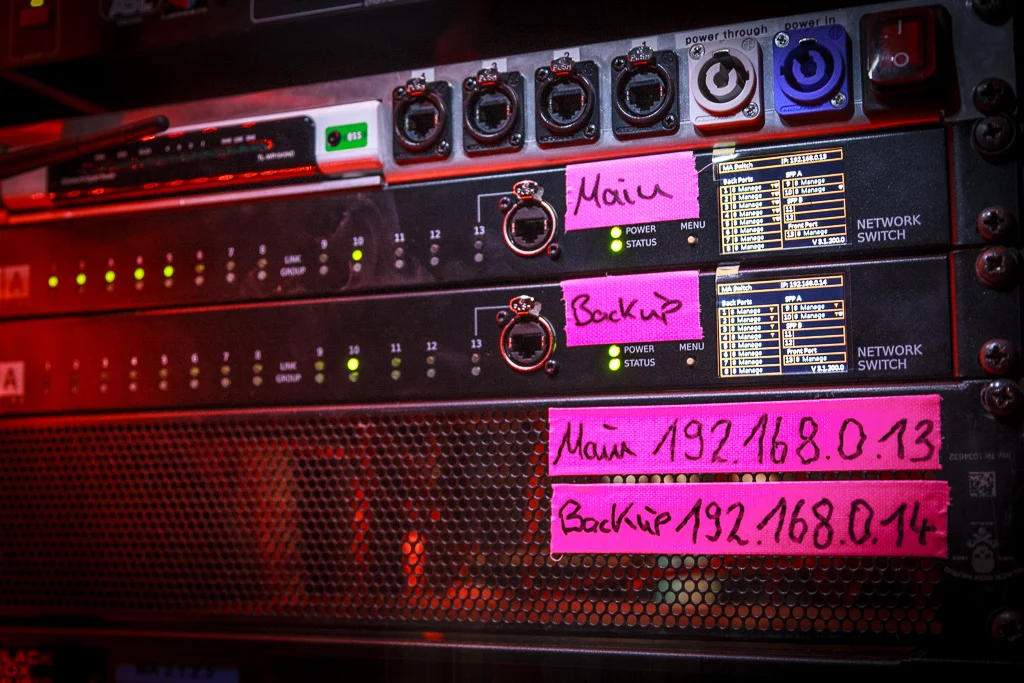
The Interest Group for the Event Industry (IGVW) has formally introduced the SQQ10 – Competence for Information and Communication Technology Level 1, a comprehensive standard designed to provide a structured framework for the development and assessment of IT expertise within the event technology sector. As Ethernet-based networking becomes the backbone of modern live production, the industry has faced a growing disparity in the technical proficiency of "system technicians" or "systemers." The SQQ10 standard addresses this inconsistency by offering a clear curriculum for educational institutions and a reliable benchmark for clients and employers seeking qualified personnel. By aligning with the German Qualifications Framework (DQR), the IGVW aims to professionalize a field that has historically relied on a mixture of academic training, self-taught skills, and varying levels of vocational experience.
The Digital Transformation of Event Infrastructure
The integration of Ethernet networking into event technology is no longer a peripheral development; it is the fundamental infrastructure upon which modern lighting, audio, and video systems operate. From the synchronization of complex LED walls to the distribution of low-latency digital audio via protocols like Dante or AVB, the demand for robust, secure, and high-performance networks has surged. However, as the technical requirements have escalated, the industry has struggled to define what constitutes a qualified "IT Specialist" in a live event context.
Previously, the term "systemer" described a broad spectrum of individuals. On one end of the spectrum were hobbyists with basic knowledge of home networking; on the other were university-educated computer scientists who often lacked the specific practical knowledge required for the high-pressure, transient environment of live events. The IGVW identified this "knowledge lottery" as a significant risk factor for production reliability. The SQQ10 was developed to eliminate this ambiguity by establishing a baseline of competence that ensures technicians can manage the specific rigors of event-based Information and Communication Technology (ICT).
The Evolution of the German Qualifications Framework (DQR)
To understand the positioning of the SQQ10, it is necessary to examine the broader landscape of European and German vocational education. The European Commission established the eight-level European Qualifications Framework (EQR) to facilitate the mobility of workers across borders by making qualifications comparable. Germany adapted this into the "Deutscher Qualifikationsrahmen" (DQR), which categorizes different levels of education and professional responsibility.
A significant shift occurred in 2020 regarding the "Meister" (Master Craftsperson) certification in the event industry. Due to the high level of technical responsibility and personnel management inherent in the role, the Master of Event Technology was reclassified to DQR Level 6, equivalent to a Bachelor Professional. This elevation, while beneficial for the status of the profession, created an unintended vacuum at DQR Level 5.
Historically, the "old" Master’s curriculum covered a blend of high-level technical execution and management. Under the new DQR Level 6 classification, much of the granular, specialized technical training—specifically in emerging fields like advanced networking—was no longer the primary focus of the Master’s qualification. Simultaneously, the DQR Level 4 qualification (Event Technology Specialist) provides a solid foundation but does not reach the depth required for complex system administration. The SQQ10 Level 1 is the first step in a multi-level strategy to fill this Level 5 vacuum, providing a bridge for specialists who require deeper knowledge than a Level 4 technician but focus more on technical mastery than Level 6 management.
Detailed Chronology and Development of Training Standards
The development of the SQQ10 follows a logical progression of industry professionalization that has spanned several decades:
- Late 1990s – 2000s: The establishment of the "Fachkraft für Veranstaltungstechnik" (Event Technology Specialist) as a recognized vocational trade in Germany, eventually mapped to DQR Level 4.
- 2016 – 2019: The industry begins to report a critical shortage of IT-literate technicians as digital consoles and networked amplifiers become industry standards.
- 2020: The restructuring of the Master of Event Technology to DQR Level 6 (Bachelor Professional) is implemented, highlighting the need for "Specialist" certifications at Level 5.
- 2024: The IGVW releases SQQ7 (Sound Specialist), a 400-hour program designed to meet Level 5 requirements.
- January 2025: The formal introduction of SQQ10 Level 1. While this initial level consists of 121 teaching hours and acts as a prerequisite, it sets the stage for future modules that will collectively meet the criteria for a Level 5 "Certified Professional Specialist" under Section 53b of the Vocational Training Act (BBiG).
Technical Curriculum and the Taxonomy of Learning
The SQQ10 Level 1 curriculum is specifically tailored to the unique challenges of the event industry, where networks must be deployed rapidly, operate with zero failure tolerance for the duration of a show, and then be dismantled. The 121-hour course covers several critical domains:
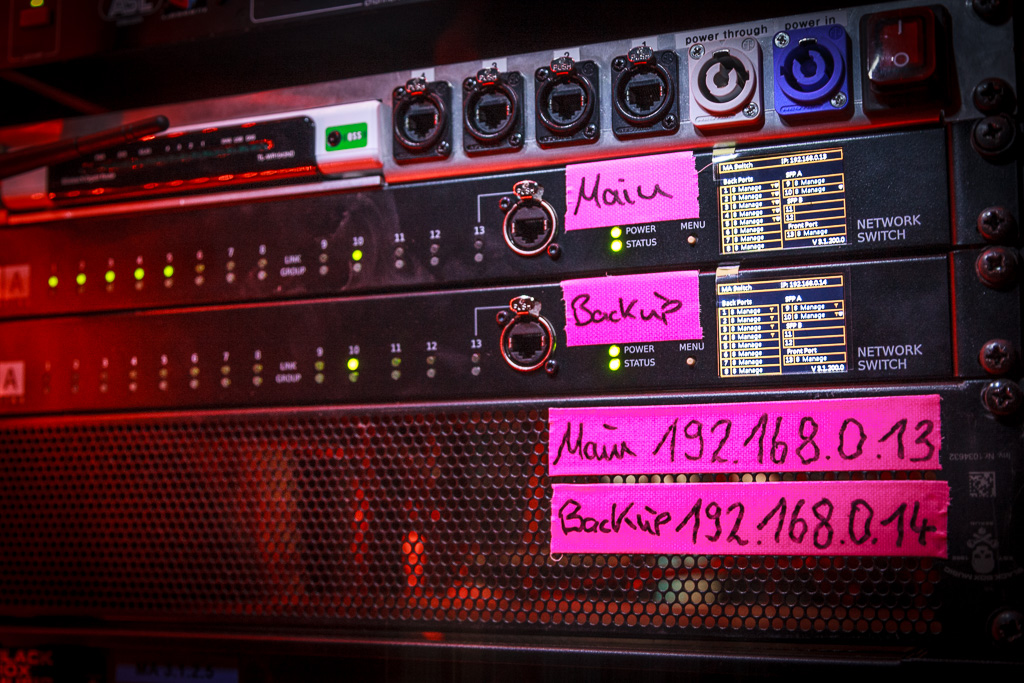
- Network Technology and Media: Understanding physical transmission media, including copper and fiber optics, and the hardware that drives them.
- Administration and Security: Basics of network configuration, monitoring, and protecting data streams from interference or unauthorized access.
- Legal and Ethical Foundations: Addressing the regulatory requirements of data transmission and the ethical responsibilities of handling client data.
A key feature of the SQQ10 is its use of a learning taxonomy to define the depth of knowledge required for different topics. This is categorized into three stages:
- Remember (Knowledge): The technician is aware of the concept and knows where to find information (e.g., the OSI Layer Model).
- Understand (Comprehension): The technician understands the daily practical application (e.g., the IEEE 802.3 communication protocol).
- Apply (Competence): The technician can explain the concept to others, derive connections, and solve complex problems (e.g., managing Unicast, Multicast, and Broadcast traffic).
For example, while a Level 1 technician needs to "know" the theoretical OSI model, they must be able to "apply" the principles of Multicast management, which is essential for modern lighting protocols like sACN or audio protocols like AES67.
Industry Response and Implementation
The SQQ10 is a collaborative effort involving various stakeholders within the IGVW. Leading figures in the development include Florian Nürnberger of Neumann&Müller, as well as educational experts such as Martin Behns from the b-trend-academy and Adrian Walz from EurAka Baden-Baden.
According to representatives of the IGVW ICT task force, the standard is intended to be a "living document." As technology evolves—such as the transition toward 5G integration in events or the increasing use of AI-driven network monitoring—the curriculum will be updated. The industry’s reaction has been largely positive, with major production houses indicating that they will use the SQQ10 as a criterion for hiring freelancers and training internal staff.
"The goal is not just to create another certificate," noted a spokesperson involved in the project. "The goal is to ensure that when a production manager hires an ICT Level 1 specialist, they know exactly what that person can do. It removes the guesswork from the hiring process and provides a clear career path for those who want to specialize in the technical backbone of our industry."
Broader Implications for the Global Event Market
The launch of SQQ10 has implications that extend beyond the German market. As a standard aligned with the EQR, it provides a template for other European nations to follow, potentially leading to a harmonized standard for event IT across the continent. This mobility is crucial in an industry where large-scale tours and corporate events frequently move between countries, requiring local crews to interface with international systems.
Furthermore, the SQQ10 provides an essential entry point for career changers (Quereinsteiger) and autodidacts. By offering a modular path to qualification, the IGVW is making it easier for IT professionals from other sectors to transition into the event industry, thereby addressing the ongoing labor shortage caused by the retirement of the "baby boomer" generation.
The introduction of the SQQ10 Level 1 marks a turning point in the professionalization of event technology. By defining the "Systemer" role through rigorous standards rather than informal experience, the IGVW is ensuring that the industry can keep pace with the rapid digital transformation of live entertainment. As the Level 5 "Lighting Specialist" standard is also currently in development (slated for 2025), the vacuum in the DQR framework is steadily being filled, creating a more structured, reliable, and professional environment for technicians and clients alike.
