

The music industry has undergone a radical transformation over the last two decades, shifting from a centralized model dominated by major record labels to a decentralized landscape where independent artists can command significant market share. Central to this transition is the Electronic Press Kit, or EPK, a digital professional resume that has become the standard currency for talent buyers, booking agents, festival organizers, and music journalists. As the barriers to entry for recording and distribution have collapsed, the volume of new music entering the marketplace has reached unprecedented levels, making the EPK a vital tool for artists seeking to distinguish themselves within a saturated global environment.
The Historical Shift from Physical to Digital Media
The history of the press kit is rooted in the physical era of the 20th century. During the 1980s and 1990s, independent bands and solo artists were required to assemble "press packs" consisting of physical folders containing a glossy 8×10 photograph, a printed biography, a cassette tape or compact disc, and photocopied press clippings. These kits were expensive to produce and even more costly to distribute via traditional mail. For an independent artist, the logistics of reaching fifty college radio stations or twenty regional venues could consume a significant portion of a promotional budget.
The pivot toward digitalization began in earnest at the turn of the millennium. In 2001, the launch of platforms like Sonicbids revolutionized the industry by standardizing the digital format. This transition allowed artists to host their materials on a centralized server, providing industry professionals with instant access to high-fidelity audio and high-resolution imagery. By 2010, the physical press kit had become largely obsolete, replaced by the more efficient, hyperlinked, and environmentally sustainable EPK. Today, the EPK is not merely a convenience but a prerequisite for professional consideration in the music business.
Structural Requirements of the Professional EPK
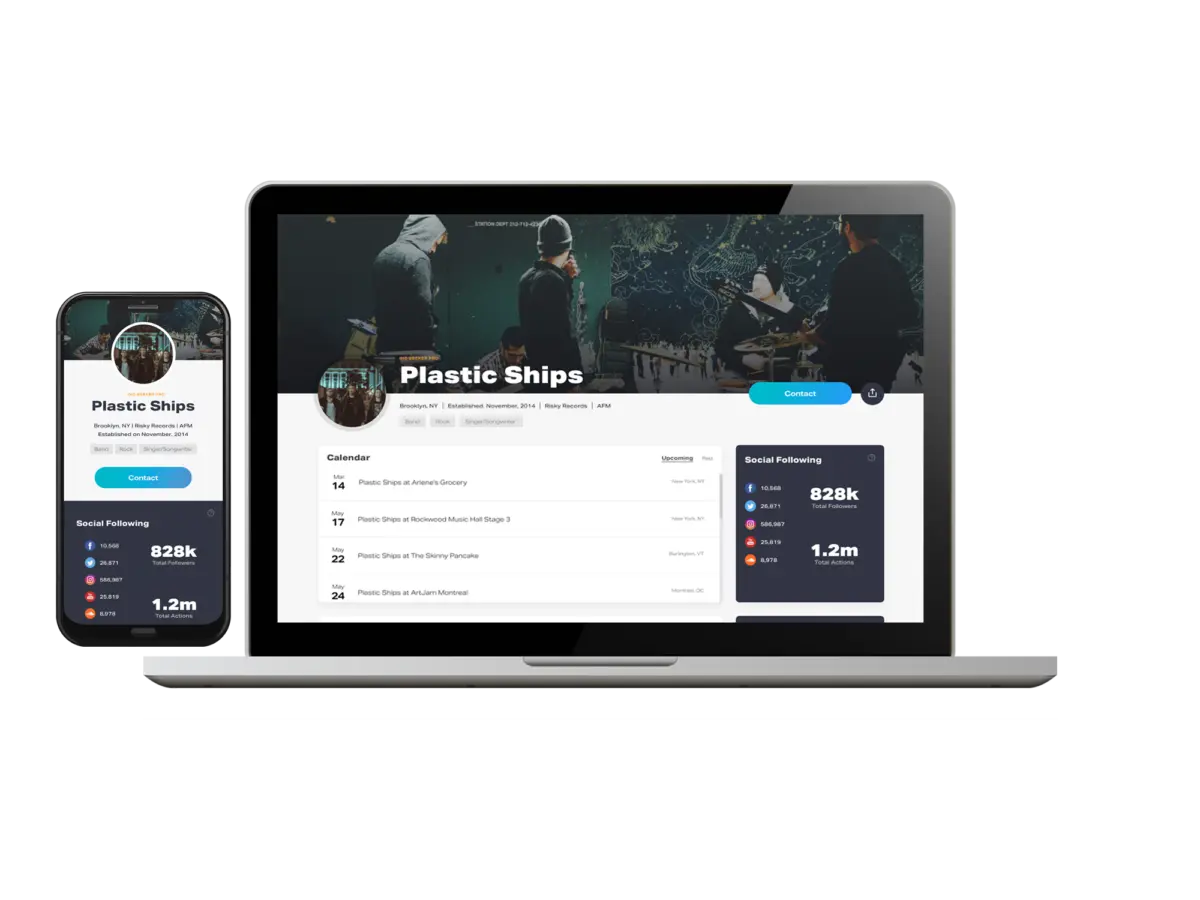
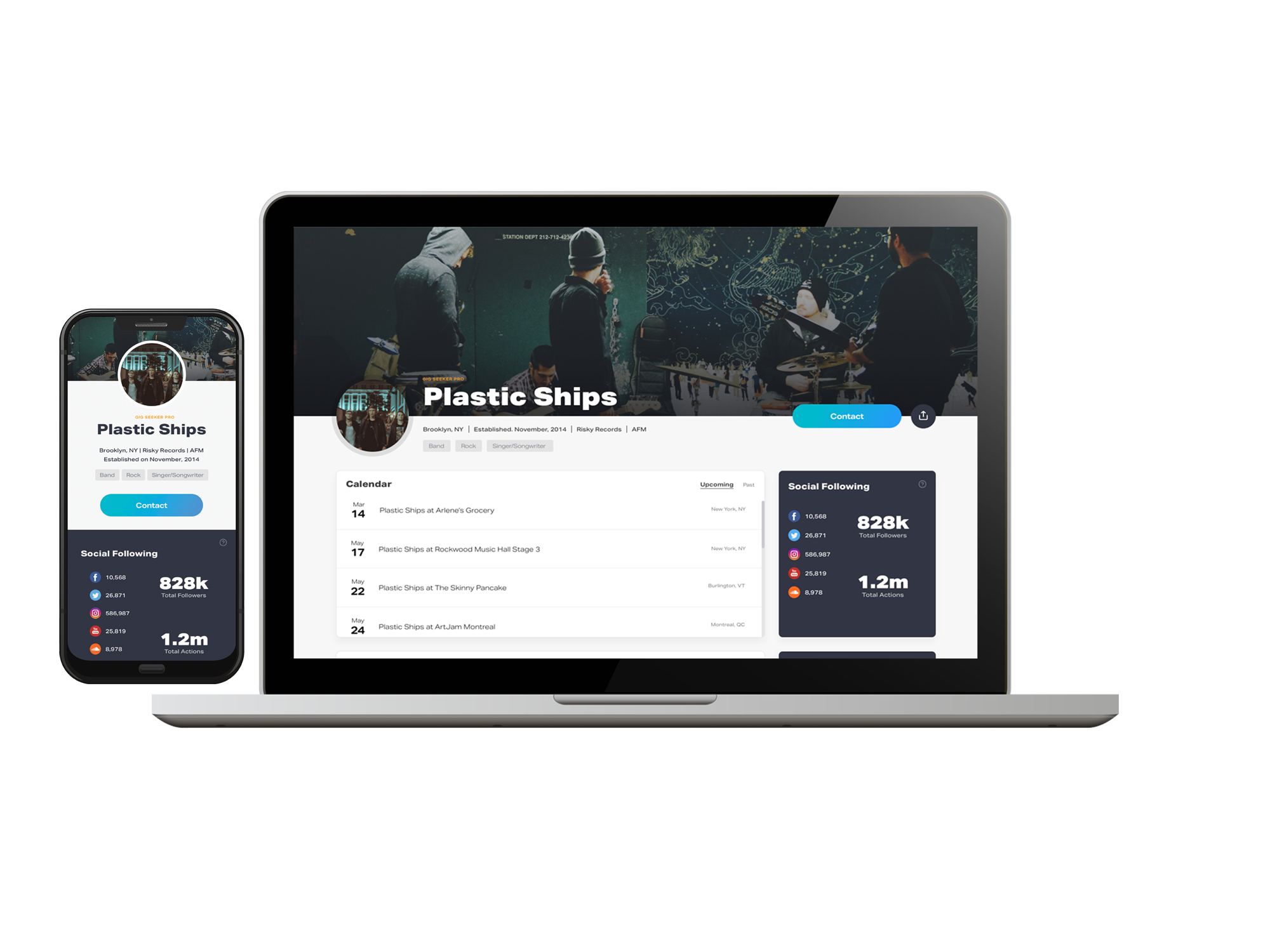
A contemporary EPK functions as a comprehensive digital identity. To meet the expectations of modern industry "gatekeepers," a kit must be structured with a focus on utility and clarity. The core components of a professional-grade EPK typically include a multi-tiered biography, high-fidelity audio assets, professional photography, video content, and a "one-sheet" summary of achievements.
The biography is often divided into three formats: a "tweet-sized" elevator pitch for quick social media use, a medium-length paragraph for festival programs, and a full-length narrative that details the artist’s history, influences, and artistic vision. This tiered approach respects the time constraints of industry professionals who may only have seconds to evaluate a pitch.
Furthermore, the integration of streaming data and social proof has become a non-negotiable element. While early EPKs focused solely on the music, modern versions must include "data points" such as monthly Spotify listeners, YouTube view counts, and social media engagement rates. For example, an artist highlighting a 25% month-over-month growth in streaming numbers provides a quantifiable metric of success that resonates with talent buyers concerned with ticket sales and beverage revenue at venues.
Streamlining Industry Communication and Logistics
The primary function of an EPK is the reduction of friction in professional communication. In a survey of talent buyers at mid-sized venues, it was found that the average booking agent receives between 50 and 200 unsolicited performance requests per week. The use of an EPK allows these professionals to bypass the "back-and-forth" of email threads, as all necessary assets—including stage plots, input lists, and technical riders—are housed in a single location.
From a journalistic perspective, the EPK serves as a primary source for feature stories and reviews. When a writer for a publication like Pitchfork or Rolling Stone decides to cover an emerging artist, they require immediate access to high-resolution "press-ready" photos (usually at 300 DPI) and accurate biographical information. An artist who provides these materials through a well-organized EPK significantly increases their chances of receiving media coverage, as they minimize the administrative workload for the writer and editor.
The Impact of Data and Market Trends on Independent Success
The rise of the "Creator Economy" has provided independent artists with a larger share of the total music industry revenue than ever before. According to industry reports from Midia Research, independent artists—those not signed to major labels—generated over $1.2 billion in 2020, a figure that has continued to climb. This growth is directly tied to the ability of independent acts to market themselves with the same professional polish as major-label stars.
The EPK is the vehicle through which this professional polish is delivered. By utilizing standardized platforms, independent artists can present their work in a format that is indistinguishable from that of a signed artist. This democratization of presentation has led to a shift in how "A&R" (Artists and Repertoire) scouts operate. Instead of relying on physical demos, scouts now use EPK platforms to filter artists by genre, location, and performance history, allowing for a more data-driven approach to talent acquisition.
Establishing Credibility and Brand Identity in a Competitive Market
In the professional music ecosystem, credibility is often established through association and previous performance history. An EPK allows an artist to curate their "social proof" by highlighting endorsements from reputable sources. This includes "pull quotes" from reviews, lists of notable venues performed at, and mentions of awards or chart positions.
The psychological impact of a professional presentation cannot be overstated. A polished EPK signals to a promoter that an artist is not only a creative entity but also a business partner who understands the logistics of the industry. Conversely, the absence of an EPK, or the use of a poorly organized one, often leads to immediate rejection by high-level festivals and venues. In an industry where first impressions are frequently digital, the EPK serves as the definitive statement of an artist’s professional intent.
Global Accessibility and the Expansion of Booking Opportunities
The digital nature of the EPK has effectively erased geographical boundaries for independent artists. A band based in Austin, Texas, can easily share their EPK with a promoter in London or Tokyo, facilitating international tours that would have been impossible for unsigned acts in the physical era. This global reach is bolstered by the "always-on" nature of the internet.
Because an EPK is a cloud-based asset, it is accessible 24/7. This is particularly relevant for international booking, where time zone differences can hinder traditional communication. A talent buyer in Europe can review an American artist’s live performance videos, check their technical requirements, and listen to their latest tracks while the artist is asleep. This constant accessibility maximizes the window for opportunity and ensures that an artist is always "ready" for a potential breakthrough.
The EPK as a Living Document and Platform for Growth
Unlike a printed resume, an EPK is a dynamic document that must evolve in real-time. As an artist hits new milestones—such as reaching one million streams, completing a successful regional tour, or receiving a grant—the EPK is updated to reflect this upward trajectory. This "living document" approach allows industry professionals to track an artist’s momentum over time.
Regular updates to an EPK also serve a functional purpose for recurring bookings. When an artist returns to a venue, the promoter can check the EPK for updated technical riders or new promotional photos for marketing the event. This ongoing utility ensures that the relationship between the artist and the industry remains efficient and mutually beneficial.
Broader Implications for the Music Economy
The standardization of the EPK has broader implications for the global music economy. By providing a uniform framework for talent evaluation, the industry has become more meritocratic. Artists who may lack the financial backing of a major label but possess high-quality music and a strong work ethic can use their EPK to compete for the same stage slots and media attention as their peers.
Furthermore, the data aggregated by EPK platforms provides valuable insights into the health of the independent music sector. Trends in genre popularity, average performance fees, and geographical hotspots for emerging talent can be analyzed to better understand where the industry is headed. This data-driven environment encourages artists to be more strategic in their career development, focusing on building the specific metrics that the industry currently values.
Conclusion and Future Outlook
As the music industry continues to integrate with new technologies—including artificial intelligence and blockchain-based distribution—the role of the EPK is expected to expand. Future iterations may include interactive virtual reality previews of live performances or smart contracts embedded directly into the booking section of the kit. However, the core principle of the EPK remains unchanged: it is the essential bridge between creative output and professional opportunity.
For the independent artist, the creation of an Electronic Press Kit is not merely an administrative task; it is a foundational step in building a sustainable career. It is the tool that transforms a collection of songs into a viable professional brand. As the industry moves forward, those who master the art of digital presentation through the EPK will be the ones best positioned to navigate the complexities of the modern music marketplace and achieve long-term success.
