

The global independent music sector has undergone a radical transformation over the last decade, shifting from a model defined by gatekeepers to one driven by decentralized networks and peer-to-peer collaboration. As the barrier to entry for music production has lowered, the primary challenge for the modern independent artist has transitioned from technical accessibility to market visibility. Industry data suggests that over 100,000 new tracks are uploaded to streaming platforms daily, creating a saturated environment where traditional self-promotion often yields diminishing returns. In response, professional networking and cross-disciplinary collaboration have emerged as essential survival strategies. By integrating into broader creative communities, independent musicians can leverage shared resources, diversify their audience base, and establish a sustainable professional infrastructure that transcends digital algorithms.
The Economic Shift Toward Collaborative Ecosystems
Historically, the music industry operated on a top-down hierarchy where major labels facilitated all professional introductions and creative pairings. Today, the "DIY" artist functions as a micro-enterprise, responsible for A&R, marketing, and distribution. This shift has necessitated a more proactive approach to community building. According to recent creative economy reports, artists who engage in regular collaborative projects see a 25% higher growth rate in their monthly listeners compared to those who operate in isolation. This "cross-pollination" effect allows artists to tap into established fanbases while sharing the overhead costs of production and promotion.
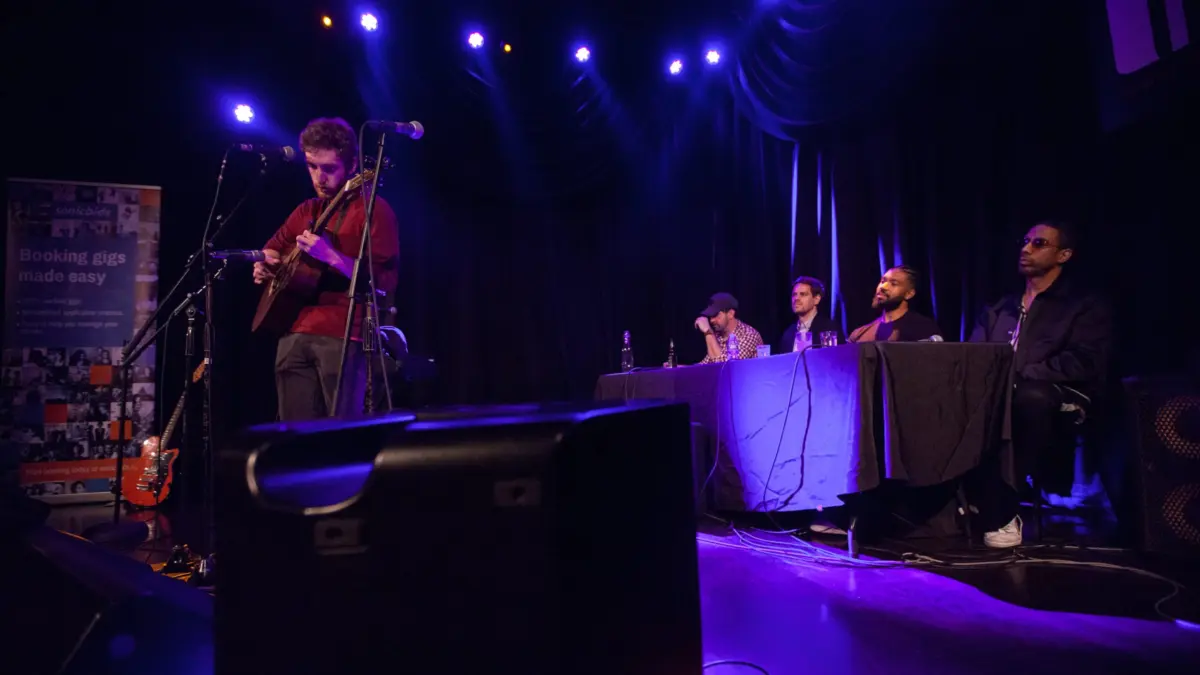
The evolution of the "Feedback Collective," a series of panel discussions and songwriting workshops hosted by organizations like Sonicbids, exemplifies this trend. These initiatives provide a structured environment where musicians can receive peer-to-peer critiques and industry-standard evaluations. By formalizing the networking process, such collectives bridge the gap between amateur performance and professional industry standards, fostering a culture of mutual advancement.

Interdisciplinary Integration: Beyond the Traditional Music Scene
One of the most effective, yet frequently overlooked, avenues for professional growth is the integration of music into other artistic disciplines. Local arts scenes—comprising visual arts, theater, and performance poetry—offer fertile ground for unique musical applications. For instance, the demand for original soundtracks in art installations and theatrical productions has risen as digital media becomes more immersive.
Engaging with local galleries and art festivals allows musicians to position their work within different cultural contexts. An analysis of synchronization (synch) licensing trends shows that independent artists are increasingly finding revenue streams by providing scores for independent films and multimedia exhibits. These environments are often less competitive than traditional music venues and provide a direct line to affluent patrons and curators who value artistic innovation. By providing a "soundtrack" to a sculptor’s exhibition or a modern dance performance, a musician expands their brand identity beyond the confines of the stage.
The Role of Structured Creative Spaces: Jam Sessions and Workshops
The hosting of jam sessions and technical workshops represents a shift from passive networking to active leadership within the creative community. When a musician facilitates a space for others to create, they establish themselves as a central node in the local network. These sessions serve as informal laboratories for genre-bending experimentation.
The technical benefits of these interactions are quantifiable. When a rock guitarist collaborates with a jazz saxophonist, the resulting "fusion" often appeals to both demographics, effectively doubling the potential reach of the final product. Furthermore, these sessions often lead to the formation of "supergroups" or long-term production partnerships. Case studies of successful independent acts frequently reveal that their core professional network was forged in these low-pressure, high-creativity environments. Organizations that host "Feedback Collective Songwriting Workshops" emphasize that the primary value is not just the music produced, but the social capital built between the participants.

Digital Infrastructure and the Rise of Remote Collaboration
While physical presence remains vital, the digital landscape has provided new tools for remote networking. Traditional social media platforms, while useful for fan engagement, are often criticized for their "noise" and algorithmic volatility. In contrast, specialized platforms like BandLab and SoundCloud have evolved into professional collaboration hubs.
BandLab, which reported surpassing 60 million users recently, allows for real-time, cloud-based collaboration, enabling a producer in London to work with a vocalist in Tokyo seamlessly. This globalization of the networking process allows independent musicians to find niche collaborators that may not exist in their immediate geographic vicinity. Journalistic analysis of digital music trends indicates that "internet-native" collaborations are now responsible for a significant portion of viral hits on platforms like TikTok, as these tracks often blend disparate cultural influences that appeal to a globalized audience.
The Strategic Value of Industry Volunteering
For musicians seeking to understand the mechanics of the industry, volunteering at major music festivals or industry conferences provides a "behind-the-curtain" perspective that cannot be replicated in a studio. These events serve as the boardrooms of the music world. By working in logistics, artist relations, or stage management, musicians gain direct access to event organizers, booking agents, and established touring acts.
The chronology of many successful careers includes a period of "apprenticeship" within the festival circuit. This exposure allows artists to observe the professional standards required for large-scale performances. Moreover, the proximity to industry professionals during high-stress event windows often leads to more authentic connections than a standard "pitch" or "demo" submission. The shared goal of executing a successful event builds a level of trust that can later be leveraged for booking opportunities or professional advice.

Leveraging Fanbase Data for Network Expansion
In the modern era, a musician’s fanbase is not merely an audience; it is a decentralized marketing and networking agency. The "1,000 True Fans" theory, popularized by Kevin Kelly, posits that an artist only needs a modest, dedicated following to be financially viable. However, this following can also facilitate professional introductions.
By utilizing surveys, social media polls, and direct-to-fan communication channels, musicians can identify "superfans" who may have professional connections in the industry. For example, a fan working in public relations or graphic design may offer services or introductions that would otherwise be cost-prohibitive. This democratized approach to networking shifts the power dynamic, allowing the artist to build a professional team from their existing community rather than waiting for external validation from major labels.
Analytical Implications for the Independent Sector
The cumulative effect of these networking strategies is the creation of a more resilient independent music economy. When musicians move away from a "soloist" mindset and toward a "collectivist" framework, they mitigate the risks associated with the volatile music market.
- Economic Resilience: Diversified income streams from synch licensing, collaborative tours, and workshop hosting provide financial stability.
- Creative Longevity: Constant exposure to new genres and disciplines prevents creative stagnation and allows for artistic evolution.
- Market Authority: Musicians who lead communities (through workshops or sessions) develop a "brand authority" that makes them more attractive to sponsors and distributors.
The broader implication for the industry is a shift in how "success" is measured. While streaming numbers remain a key metric, the strength and depth of an artist’s professional network are becoming more accurate predictors of long-term career sustainability. The transition from a competitive "zero-sum" mentality to a collaborative "win-win" model is not just a social preference; it is a strategic necessity in a digital-first economy.

Future Outlook and Industry Trajectory
As artificial intelligence and automated music production continue to advance, the "human" element of networking—personal rapport, shared experience, and physical community—will likely increase in value. Industry analysts predict that the next decade will see a resurgence in local "creative hubs" where technology and physical collaboration intersect.
Independent musicians who master the art of networking today are positioning themselves as the architects of this future. By embracing local events, hosting collaborative spaces, utilizing specialized digital tools, and engaging their fanbases, they are building a foundation that is immune to the whims of any single platform or algorithm. The journey of networking is no longer an optional adjunct to making music; it is the very framework upon which a modern musical career is built. Through these intentional connections, the independent sector continues to prove that while talent is the engine, community is the fuel that drives the industry forward.
