

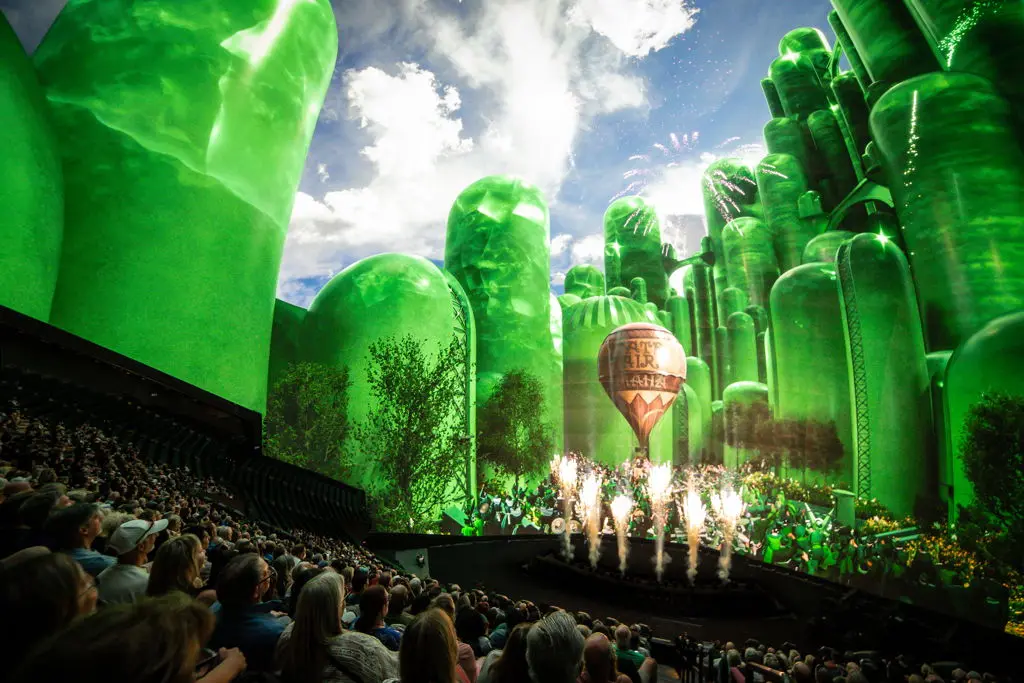
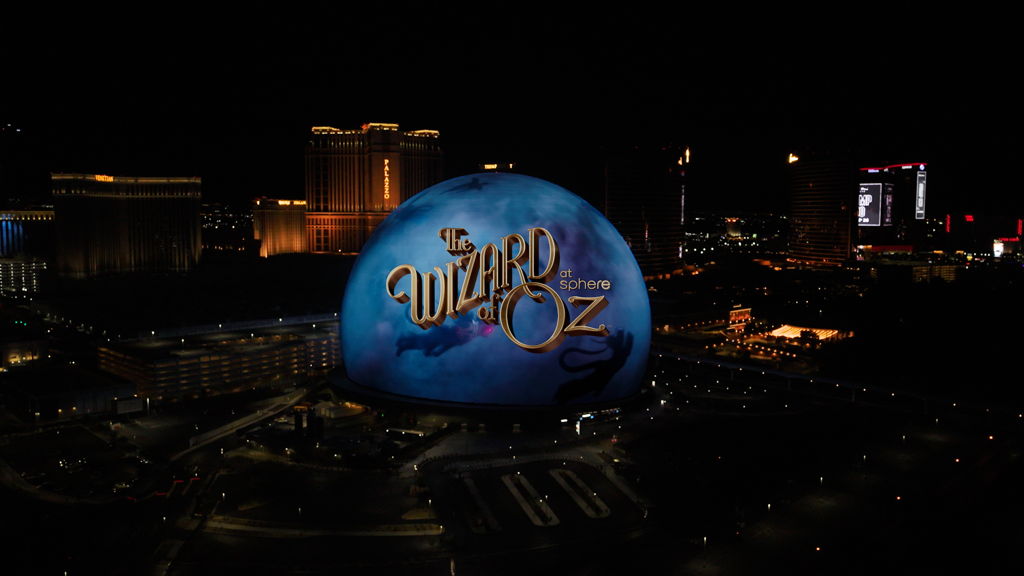
Since its highly anticipated debut in August 2025, The Wizard of Oz at the Sphere in Las Vegas has redefined the boundaries of cinematic immersion, transforming the 1939 Technicolor classic into a monumental sensory event. Utilizing a 160,000-square-foot 16K LED display—the highest resolution screen of its kind in the world—the production has successfully bridged nearly a century of film history with cutting-edge technology. Starting September 25, 2026, Sphere Entertainment is set to evolve this experience further, introducing a sophisticated array of 4D effects and a strategic shift in its ticketing model. This expansion highlights a growing trend in the entertainment industry where technological features are not merely enhancements but central components of a tiered monetization strategy designed to maximize per-guest revenue.
The Technological Infrastructure of a Reimagined Classic
The transformation of The Wizard of Oz from a 4:3 aspect ratio film designed for the cinemas of the 1930s into a fully immersive 360-degree environment required more than two years of development. The project involved a multidisciplinary team of over 2,000 experts spanning the fields of computer science, archival film restoration, acoustics, and generative artificial intelligence.
To adapt the original footage for the Sphere’s curved interior, Sphere Entertainment collaborated with Google and the visual technology firm Magnopus. The primary challenge lay in "filling the gaps" of the original frames. Generative AI was employed to extend the edges of the 1939 footage, creating over 1,800 individual AI-generated elements that blend seamlessly with the original cinematography. While the character performances and central action remain rooted in the archival film, the surrounding landscapes of Munchkinland and the Emerald City were expanded using Sphere’s proprietary Big Sky camera system. This system allowed the team to integrate high-resolution original photography of physical landscapes with the digitally enhanced film elements, ensuring that the scale of the world feels authentic to the viewer’s peripheral vision.
Acoustic Reconstruction and Haptic Integration
The auditory experience of the production is as technically ambitious as the visual. The original mono-audio track from 1939 underwent a complex deconstruction process. Using advanced source separation algorithms, the audio was resolved into individual "stems"—isolated tracks for music, vocals, dialogue, and sound effects. This allowed the score to be reimagined for Sphere Immersive Sound, an audio system powered by HOLOPLOT technology consisting of 167,000 programable speakers.
The Oscar-winning score was re-recorded to match modern fidelity standards while maintaining the soul of the original. This recording took place on the Barbra Streisand Scoring Stage—the same location where the original 1939 soundtrack was captured. A 1930s-style orchestra of over 80 musicians was utilized to ensure historical tonal accuracy.

Complementing the audio is a massive deployment of haptic technology. The venue features 10,000 haptic seats equipped with infrasound capabilities. These seats do not merely vibrate; they are programmed to resonate with specific low-frequency tones, allowing the audience to physically feel the rumble of the Kansas tornado or the rhythmic thud of the Cowardly Lion’s footsteps. This tactile layer ensures that the immersion is felt throughout the body, not just seen or heard.
The Evolution of the 4D Sensory Experience
While the core production has featured 4D effects since its opening, the September 2026 update introduces a new level of mechanical and atmospheric complexity. The existing effects already set a high bar for live entertainment. For instance, the tornado sequence utilizes three high-performance industrial fans, 20 fog machines, and 18 specialized GMEP (General Mechanical Engineering Product) machines. The synchronization of these elements required over 360 hours of in-venue testing to ensure the air currents and mist matched the on-screen action with millisecond precision.
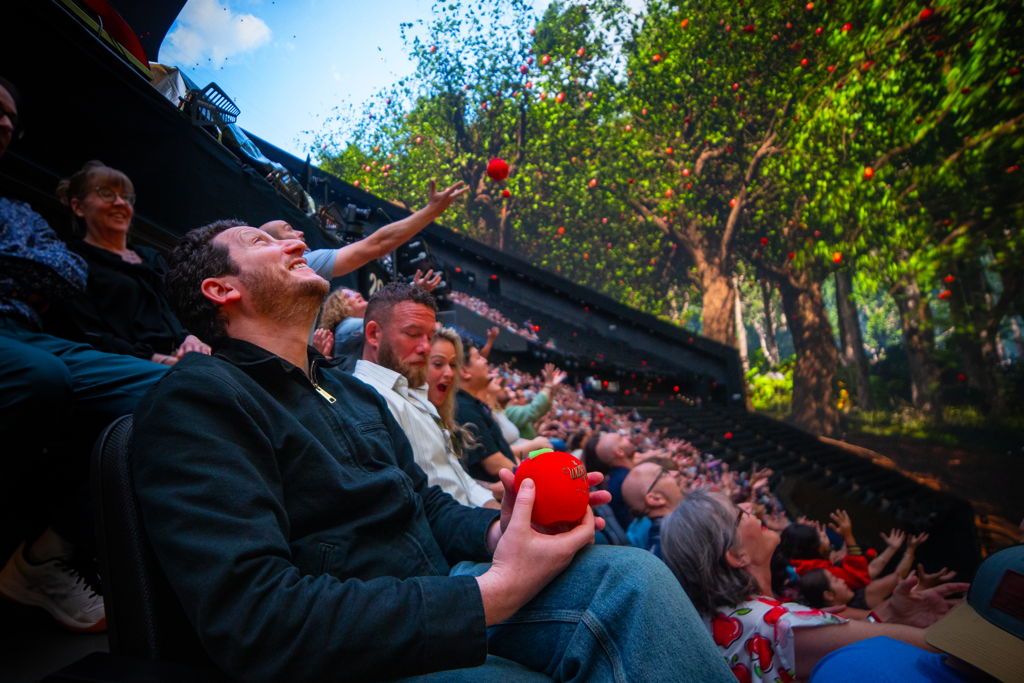
Other existing features include the "Apple Tree" scene, where more than 500 physical apples are released from 33 ceiling hatches, and the "Poppy Field" sequence, which utilizes 38 snow cannons to create a localized blizzard within the auditorium. The update scheduled for late September will add five significant new elements:
- Animatronic Integration: New animatronic Winged Monkeys will be deployed to fly over the audience, tracked and controlled in real-time by Sphere’s motion-capture system.
- Olfactory Stimuli: Thematic scents will be introduced in select scenes, including the smell of fresh apples and the floral aroma of the poppy fields.
- Enhanced Pyrotechnics: Additional firework effects will be integrated into the celebration scenes in the Emerald City.
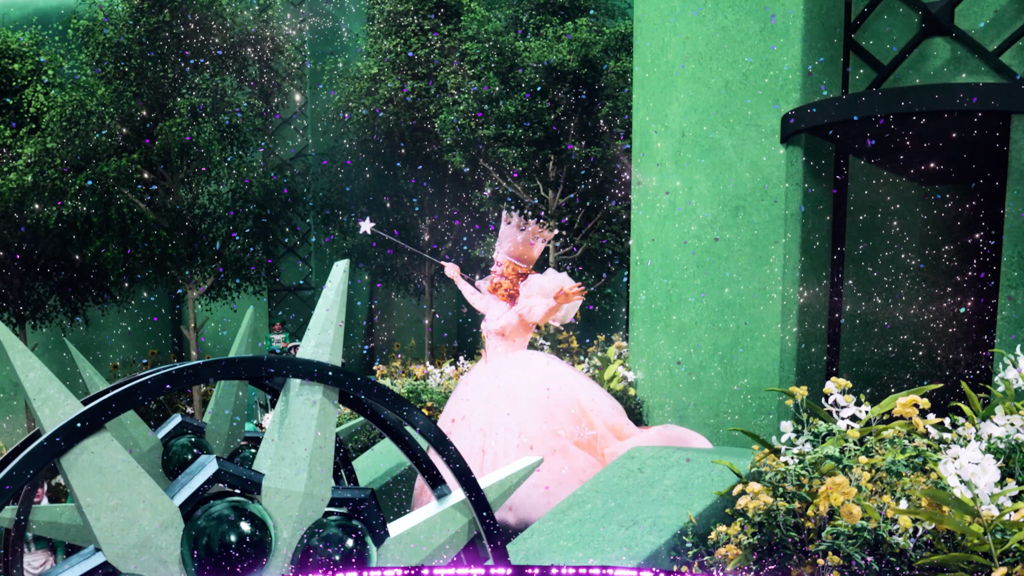
- Atmospheric Particles: A feature dubbed "Glinda Glitter" will fill the air with shimmering particles during the Good Witch’s appearances.
- Restored Content: For the first time in this format, the "Put ’em up, put ’em up" scene featuring the Cowardly Lion will be restored to the program, providing fans with a more complete narrative experience.
Strategic Monetization and Feature-Driven Ticketing
A significant aspect of the 2026 update is how Sphere Entertainment is leveraging these technical features to segment its audience and drive revenue. This move represents a shift from traditional seat-based pricing to feature-based pricing.
The centerpiece of this strategy is the introduction of "Glinda’s Wand," a physical, interactive accessory. Launching in October 2024, the wand is more than a souvenir; it is an active participant in the show. Using RFID and synchronized light and haptic technology, the wand allows audience members to "unlock" interactive moments, with the device changing colors and vibrating in sync with the performance on stage.
The rollout of the wand follows a carefully timed exclusivity window:
- October 15, 2026: The wand becomes available exclusively to guests who purchase the "Bad Witch" Signature VIP Experience.
- November 3, 2026: The wand becomes available for individual purchase at a retail price of $40.
The "Bad Witch" VIP package itself has been upgraded to include premium seating in Section 206 or the front row of Section 306, early entry, and access to the Delta Sky360 Club. The club will host a "Red Slipper" and archival exhibition, showcasing artifacts from the film’s production. By bundling the interactive wand with high-end hospitality and exclusive archival access, Sphere is catering to a demographic willing to pay a premium for a "complete" experience.
Analysis of Economic and Industry Implications
The Sphere’s approach to The Wizard of Oz serves as a case study for the future of "Event Cinema." In an era where streaming services have made home viewing more convenient, physical venues must offer experiences that are impossible to replicate in a domestic setting. By combining historical IP with proprietary technology, Sphere Entertainment is creating a "moat" around its product.
The use of AI in this production also signals a new direction for film preservation. Rather than simply cleaning up old footage, AI is being used to expand the world of the film, effectively "future-proofing" classic cinema for large-format displays. This could lead to a wave of similar reimagining of classic titles, from 2001: A Space Odyssey to Star Wars, tailored specifically for immersive venues.
Furthermore, the tiered monetization of technical features reflects a broader trend in the experiential economy. Similar to how theme parks like Disney and Universal utilize "MagicBands" or "Express Passes," the Sphere is turning the show itself into a platform. The audience is no longer a passive observer but a participant whose level of engagement is determined by their ticket tier. This model provides a steady stream of secondary revenue through high-margin accessories and VIP upgrades, which are essential for recouping the massive capital expenditures associated with a venue like the Sphere.
Chronology of Key Events and Future Outlook
To understand the trajectory of this production, it is helpful to view the timeline of its development and future milestones:
- August 2025: The Wizard of Oz officially opens at the Sphere, marking the first time a classic film was adapted for the 16K screen.
- September 25, 2026: Launch of the enhanced 4D effects, including animatronics, scents, and the restored Cowardly Lion scene.
- October 15, 2026: Debut of the "Bad Witch" VIP Experience and the initial exclusive release of Glinda’s Wand.
- November 3, 2026: Glinda’s Wand becomes available for general retail purchase within the venue.
- Early 2027: The current scheduled run for the production concludes, though extensions are likely given the ongoing technical investments.
The Sphere’s immersive journey down the Yellow Brick Road is a testament to the power of technological convergence. By blending the nostalgia of 1939 with the hardware of 2026, Sphere Entertainment has created a product that appeals to multiple generations. As the production enters its second year with expanded effects and a refined business model, it remains a flagship example of how Las Vegas continues to reinvent the concept of the "must-see" attraction. Tickets for the expanded experience are currently available through early 2027, signaling the venue’s confidence in the long-term viability of this high-tech tribute to cinematic history.
