

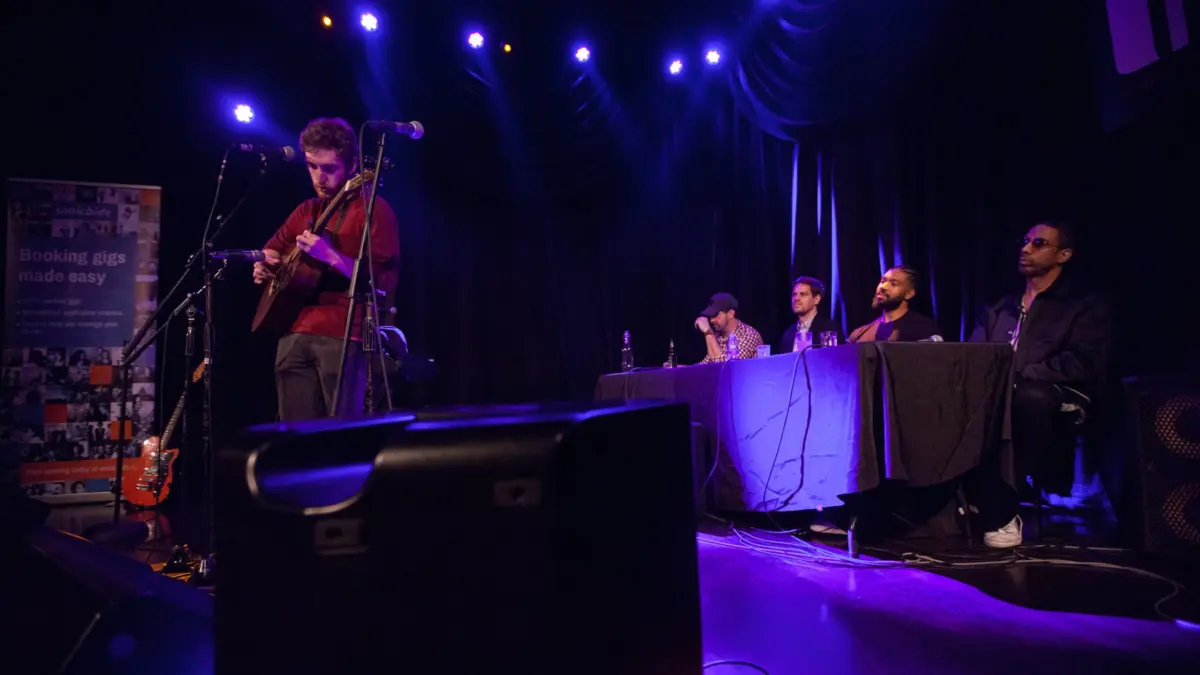
The landscape of the global music industry has undergone a seismic shift over the past decade, moving away from a centralized, label-dominated model toward a decentralized ecosystem where independent artists now command a significant portion of the market. According to recent industry reports from MIDiA Research, the "independent artist" segment is the fastest-growing sector of the recorded music business, generating over $1.2 billion in annual revenue and outpacing the growth of major labels. However, this democratization of music production and distribution has created a saturated market where talent alone is no longer a guarantee of success. In this environment, strategic networking and cross-disciplinary collaboration have emerged as the primary drivers of career sustainability and audience expansion for the modern independent musician.
While the prospect of networking often carries a connotation of transactional social climbing, industry experts suggest that the most successful independent artists approach professional relationships as a form of community building. The shift from "gatekeeper" models to "horizontal" networking allows artists to bypass traditional barriers to entry by leveraging the resources, skills, and audiences of their peers. To navigate this complex landscape, musicians must adopt a multifaceted approach that combines local physical presence, digital savvy, and fan-centric engagement.
The Evolution of the Independent Music Ecosystem
The historical context of the independent music scene provides a roadmap for understanding current networking trends. In the late 20th century, the "DIY" (Do It Yourself) movement was characterized by physical zines, cassette trading, and local college radio. The advent of the digital era in the early 2000s, spearheaded by platforms like Napster and later MySpace, shifted the focus to global digital connectivity. By 2024, the industry has entered a phase defined by the "Creator Economy," where musicians are no longer just performers but also content creators, community managers, and entrepreneurs.

Data indicates that the modern listener’s journey is increasingly non-linear. A listener may discover an artist through a visual art installation, a collaborative YouTube session, or a recommendation from a niche online community. Consequently, the "lone wolf" artist model is becoming obsolete. Analysis of successful independent releases shows that tracks featuring collaborations or cross-promotional efforts generally see a 25% higher retention rate on streaming platforms compared to solo efforts by the same artists.
Strategic Integration into Local Arts Communities
One of the most effective, yet frequently overlooked, avenues for networking is the local non-musical arts scene. While musicians often focus their efforts on venues and recording studios, the broader arts community—including visual artists, theatrical performers, and literary figures—offers a fertile ground for unique partnerships.
Engaging with local art galleries and theater companies provides musicians with access to "adjacent audiences." For instance, providing a bespoke soundtrack for a gallery opening or a theatrical production allows a musician to showcase their work to a demographic that appreciates creative output but may not frequent traditional music venues. These cross-disciplinary collaborations often lead to the development of multimedia projects that stand out in a crowded digital marketplace. Industry analysts note that "multisensory branding"—where music is paired with visual or performance art—increases brand recall among audiences by nearly 40%.
The Rise of Collaborative Workshops and Jam Sessions
Professional development in the music industry has seen a resurgence in the form of structured workshops and informal jam sessions. Organizations such as Sonicbids have pioneered initiatives like the "Feedback Collective," which brings together musicians for panel discussions and songwriting workshops. These events serve a dual purpose: they provide technical skill-enhancement while simultaneously creating a low-pressure environment for professional networking.

The chronological development of these sessions often follows a pattern of "organic discovery." A guitarist participating in a jazz-rock fusion jam session may encounter a producer specializing in electronic music. The resulting hybrid sound often appeals to a broader demographic than either artist could reach individually. Furthermore, hosting such events establishes an artist as a "connector" within their local scene, a position of social capital that often leads to invitations for high-profile gigs and festival slots.
Leveraging Digital Platforms Beyond Social Media
While mainstream social media platforms like Instagram and TikTok are essential for broad reach, specialized digital ecosystems are becoming the preferred tools for deep-level collaboration. Platforms such as BandLab, SoundCloud, and Splice have revolutionized remote collaboration, allowing artists from different continents to work on a single project in real-time.
Statistics from digital distribution services indicate that collaborative tracks often benefit from "algorithmic synergy." When two artists release a song together, the track is pushed to the "Release Radar" and "Discovery" playlists of both artists’ followers, effectively doubling the initial reach. Beyond the numbers, these platforms facilitate a culture of "constructive engagement." By leaving thoughtful, technical feedback on the work of others, artists can build reputations as experts in their craft, leading to organic partnership inquiries that are based on mutual professional respect rather than mere social proximity.
Volunteering and Industry Immersion
For many emerging artists, the barrier to entry for major music festivals and industry conferences is financial or reputational. Volunteering at these events offers a strategic "backstage pass" to the inner workings of the industry. By assisting with event logistics, stage management, or artist relations, musicians gain direct access to industry professionals, event organizers, and established acts.

The "volunteer-to-professional" pipeline is a documented phenomenon in the music world. Working behind the scenes provides a unique perspective on the operational requirements of large-scale events, which can inform an artist’s own approach to touring and production. Moreover, the shared experience of working toward a successful event creates a bond between volunteers and staff that is often more durable than the fleeting connections made at "networking mixers." Statements from festival organizers often highlight that they prefer to book artists who have shown a commitment to the local music ecosystem through service and reliability.
Utilizing the Fanbase as a Collaborative Engine
The modern independent music model is increasingly "fan-powered." The traditional wall between the artist and the audience has been replaced by a transparent, interactive relationship. Successful musicians are now utilizing their fanbases not just as consumers, but as active participants in the creative process.
Surveys and polls conducted through platforms like Patreon or Discord allow artists to gain real-time data on audience preferences. This data can guide collaborative decisions; for example, if a significant portion of a fanbase expresses an interest in a specific sub-genre, the artist can seek out collaborators within that niche. This "crowdsourced A&R" (Artists and Repertoire) approach ensures that new projects have a built-in audience upon release. Furthermore, fans often possess their own professional networks, and a direct inquiry to a fanbase can lead to introductions to videographers, graphic designers, or fellow musicians that would otherwise remain inaccessible.
Analysis of Economic and Professional Implications
The implications of these networking strategies extend beyond individual career growth. On a macro level, the rise of collaborative independent music contributes to a more resilient and diverse cultural economy. By forming localized and digital "micro-networks," independent artists are creating a buffer against the volatility of the mainstream music market.

From a professional standpoint, the skills required for effective networking—communication, project management, and empathetic collaboration—are the same skills required to manage a long-term career. The data suggests that artists who prioritize these "soft skills" are 30% more likely to maintain a full-time career in music over a five-year period compared to those who focus solely on technical proficiency.
Future Outlook: The Role of Technology and Community
As we look toward the latter half of the decade, the integration of Artificial Intelligence (AI) and blockchain technology is expected to further complicate and enhance networking. AI tools are already being used to "match" compatible collaborators based on sonic profiles, while blockchain technology offers new ways to manage royalty splits and intellectual property in complex multi-artist projects.
However, despite these technological advancements, the fundamental human element of networking remains paramount. The most successful independent artists will be those who can balance digital efficiency with authentic, face-to-face community engagement. The "Feedback Collective" model—combining education, performance, and social interaction—represents the future of professional development in the arts.
In conclusion, the path for the independent musician is no longer a solitary one. It is a journey defined by the quality of one’s partnerships and the strength of one’s community. By embracing local art scenes, hosting collaborative events, utilizing specialized digital tools, volunteering for industry experience, and engaging deeply with their audience, musicians can navigate the challenges of the modern industry. These strategies do more than just "amplify" a career; they create a sustainable foundation for creative exploration and commercial success in an ever-evolving musical world. The transition from an independent artist to a "connected artist" is the most significant step a musician can take in the current era.
