

The landscape of the global music industry has undergone a radical transformation over the last decade, shifting from a centralized, label-dominated hierarchy to a decentralized ecosystem where independent artists now command a significant share of the market. According to recent industry reports from MIDiA Research, the "independent-artist-direct" segment is the fastest-growing sector in the music business, generating over $1.2 billion in annual revenue. However, as the barriers to entry for recording and distribution have collapsed, the challenge of visibility has intensified. In this saturated market, professional networking and cross-disciplinary collaboration have emerged not merely as supplementary activities but as essential strategic imperatives for career sustainability. For the modern independent musician, the ability to build "social capital" is as critical as the ability to compose a melody, providing a bridge between isolated creative output and a broader, engaged audience.
The Rise of Structured Collaborative Environments
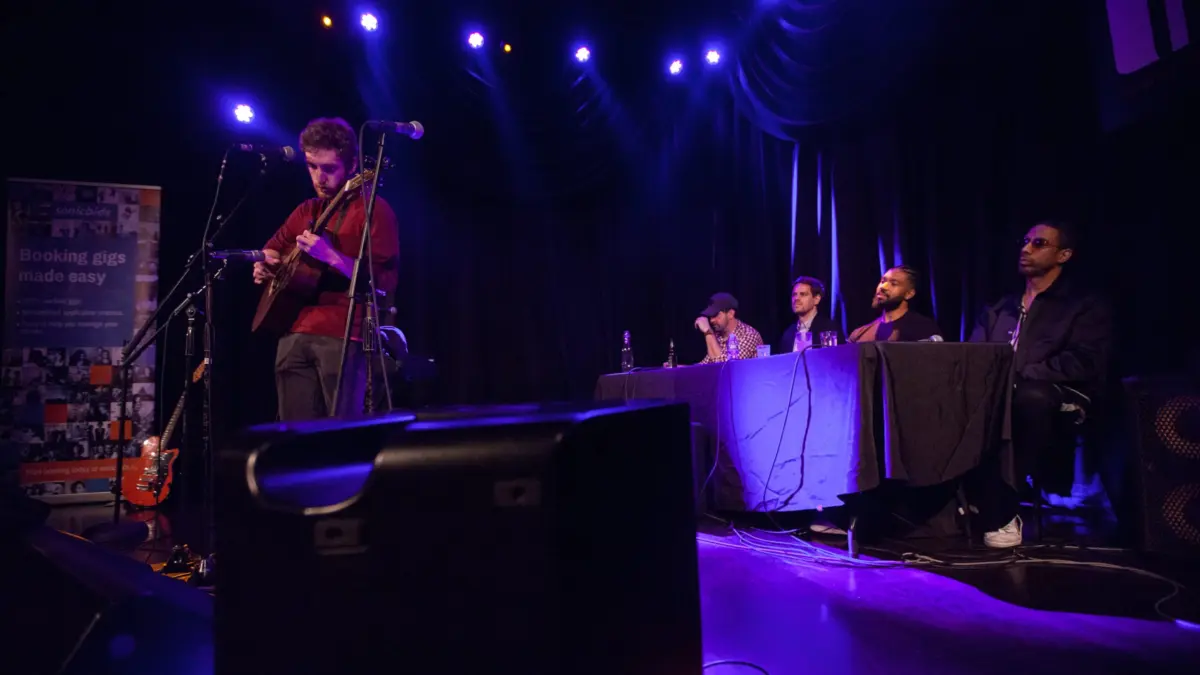
The necessity for structured networking is exemplified by initiatives such as the Feedback Collective, a series of panel discussions and songwriting workshops hosted by Sonicbids. These events represent a growing trend in the industry: the move toward curated, high-value interactions that move beyond the superficiality of traditional "meet-and-greets." By bringing together musicians, producers, and industry consultants in a workshop setting, organizations are facilitating a "scenius"—a term coined by musician Brian Eno to describe the collective intelligence of a community. The Feedback Collective model emphasizes that professional growth is often a byproduct of peer-to-peer critique and the sharing of technical resources. This approach addresses a primary pain point for independent artists: the lack of a traditional A&R (Artists and Repertoire) framework to provide objective feedback and professional direction.
Historically, the path to musical success was linear, involving the acquisition of a talent agent followed by a recording contract. In the contemporary era, the timeline is cyclical and community-driven. Data suggests that artists who engage in frequent collaborations see a significant uptick in their streaming metrics. On platforms like Spotify, a "feature" or collaborative track allows an artist to tap into the "Fans Also Like" algorithms, effectively cross-pollinating two distinct fanbases. This algorithmic synergy is a powerful driver of organic growth, often more effective than traditional paid advertising or social media marketing.

Interdisciplinary Engagement and the Third Space
One of the most underutilized strategies for networking involves stepping outside the music industry entirely to engage with the broader arts community. Local art galleries, theater troupes, and poetry collectives offer what sociologists call "Third Spaces"—environments that are neither the home nor the traditional workplace—where creative professionals can interact without the high-pressure stakes of a music venue. For an independent musician, these spaces offer unique opportunities for synchronization and commissions. A visual artist preparing a gallery opening may require a bespoke soundscape to accompany their installation, while a local theater production may lack the budget for licensed music and instead seek an original score from a local composer.
This interdisciplinary approach serves a dual purpose. First, it provides immediate professional opportunities that are often less competitive than standard gigging circuits. Second, it embeds the musician within the cultural fabric of their city. When a musician provides the soundtrack for a fashion show or an art film, they are introduced to a demographic that appreciates art but may not frequent the specific clubs where the musician usually performs. This diversifies the artist’s brand and creates a more resilient professional network that is not solely dependent on the fluctuating trends of the music scene.
The Economics of Peer-to-Peer Knowledge Sharing
The hosting of jam sessions and workshops represents a transition from a passive to an active networking stance. When a musician takes the initiative to organize a session, they position themselves as a central node in their local network. This leadership role carries significant social weight. From a logistical standpoint, these gatherings act as informal incubators for new sounds and projects. The collision of genres—such as the integration of jazz theory into rock compositions or electronic production techniques into folk music—often occurs in these low-stakes, experimental environments.
Furthermore, the data regarding the "Creator Economy" suggests that musicians who teach or facilitate workshops develop a more stable income stream. By sharing technical skills, such as home recording techniques or digital marketing strategies, musicians can monetize their expertise while simultaneously meeting potential collaborators. This creates a feedback loop where the act of networking becomes a revenue-generating activity, rather than a drain on resources. Industry analysts note that "community-led growth" is currently the most sustainable model for independent creators, as it prioritizes long-term relationships over short-term transactional gains.

Digital Platforms and the Virtual Collaboration Frontier
While physical networking remains vital, the digital landscape offers specialized tools that go far beyond the scope of mainstream social media. Platforms such as BandLab, SoundCloud, and Discord have created virtual "digital audio workstations" (DAWs) where artists can collaborate in real-time across different time zones. BandLab, in particular, has seen explosive growth, reporting over 60 million users who utilize its cloud-based recording features to co-create music. This shift toward "asynchronous collaboration" allows musicians to work with international talent that would otherwise be inaccessible.
The strategic use of these platforms requires a departure from "broadcast-style" social media usage. Instead of simply posting finished tracks, successful digital networkers engage in the "process." This involves leaving substantive feedback on the work of others, participating in "remix contests," and joining niche communities dedicated to specific genres or production styles. The implication for the independent musician is clear: the internet is no longer just a distribution channel; it is a global rehearsal space. By participating in these digital ecosystems, artists can build a global presence from a home studio, provided they approach these platforms with a spirit of genuine contribution rather than self-promotion.
The Festival Volunteerism Pipeline
A significant, yet often overlooked, entry point into the high-level music industry is the festival volunteerism model. Major music festivals, such as SXSW, Coachella, and Glastonbury, rely on thousands of volunteers to manage logistics, artist relations, and stage production. For an emerging musician, volunteering provides a "backstage" education in the mechanics of the industry. It offers direct, albeit brief, proximity to event organizers, booking agents, and established performers.
The chronology of a festival volunteer often mirrors a professional trajectory. A volunteer may start in a general capacity, but by demonstrating reliability and professional conduct, they often move into roles with more responsibility, such as artist liaisons or stage hands. These positions provide unparalleled networking opportunities. The relationships formed in the high-pressure environment of a festival are often more durable than those formed at a traditional networking event. Many industry professionals, including managers and tour directors, began their careers in these grassroots roles, utilizing the insights gained on-site to build their own independent ventures.

Leveraging the Fanbase as a Collaborative Engine
In the modern music economy, the line between "fan" and "collaborator" is increasingly blurred. The rise of platforms like Patreon and Discord has allowed musicians to involve their audience in the creative process. This "crowdsourced synergy" can take many forms, from allowing fans to vote on which artists they should collaborate with to discovering hidden talents within the fanbase itself. It is not uncommon for an independent artist to find their next graphic designer, videographer, or even a guest vocalist among their own followers.
This strategy fosters a deep sense of ownership and loyalty within the community. When fans feel they have contributed to the artist’s journey, they become "super-fans"—advocates who are more likely to support crowdfunding campaigns and attend live shows. From a journalistic perspective, this represents the ultimate democratization of the music industry. The artist is no longer a distant figure on a pedestal but the coordinator of a collective creative effort. This model of fan-driven networking ensures that the artist’s growth is supported by a foundation of genuine human connection rather than just algorithmic luck.
Broader Impact and Industry Implications
The shift toward these diversified networking strategies has profound implications for the future of the music industry. As more independent musicians adopt a "community-first" approach, the power of traditional gatekeepers continues to wane. The success of an artist is increasingly determined by the strength and diversity of their personal and professional networks. This evolution encourages a more collaborative, less competitive environment where resources are shared and successes are celebrated collectively.
The long-term impact of these networking efforts is a more resilient and versatile class of creative professionals. Musicians who master the art of collaboration are better equipped to navigate the volatility of the industry. They are not just performers; they are project managers, community leaders, and interdisciplinary artists. As the digital and physical worlds continue to converge, those who embrace these "unexpected" ways to network will find themselves at the forefront of the next great wave of musical innovation. The independent music career is no longer a solo journey; it is a collaborative expedition, and the map is being drawn by those willing to reach out, connect, and create in unison.
