

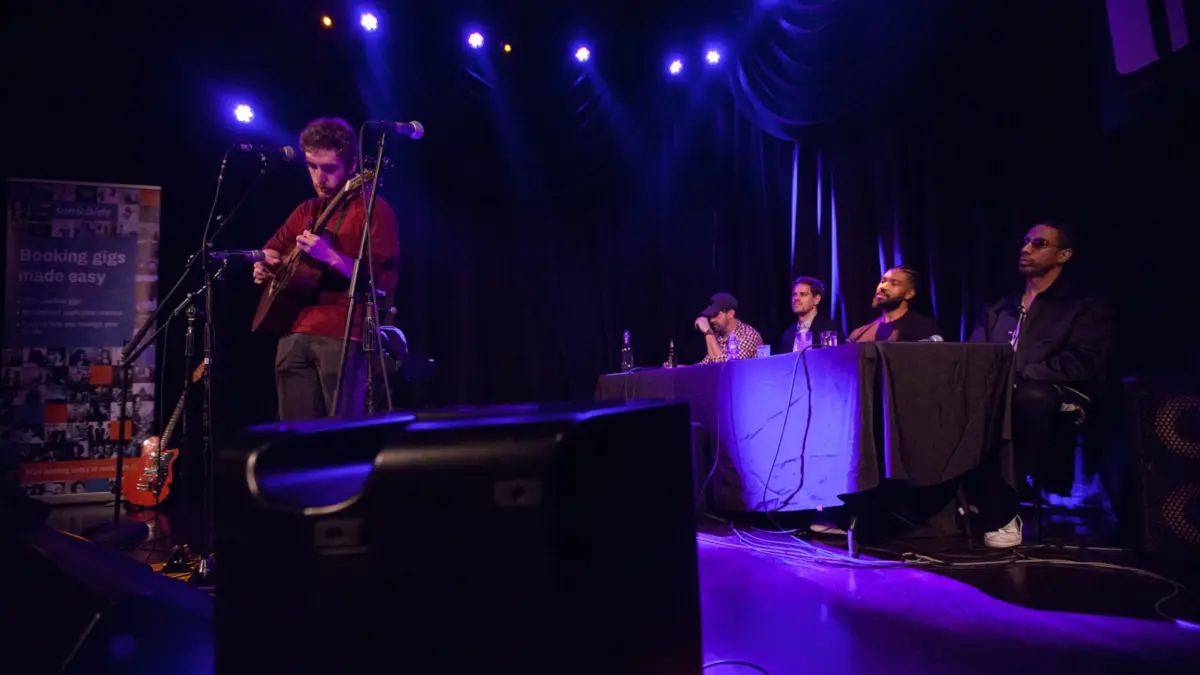
The global music industry has undergone a seismic shift over the last decade, transitioning from a centralized, label-driven hierarchy to a decentralized ecosystem where independent artists now command a significant share of the market. According to recent industry reports, the independent music sector is the fastest-growing segment of the business, generating over $2 billion in annual revenue. However, this democratization of music production and distribution has also led to a saturated marketplace, making professional networking and creative collaboration essential survival skills for the modern "DIY" musician. While traditional networking often evokes images of stiff corporate mixers or high-pressure industry showcases, the contemporary landscape demands more innovative, community-centric approaches. By integrating into local art scenes, leveraging digital collaboration tools, and activating existing fanbases, independent artists are finding new avenues to amplify their reach and refine their craft.
The Evolution of Professional Networking in the Digital Era
Historically, the path to a sustainable music career was linear, requiring an artist to secure a recording contract with a major or mid-sized label to access professional networks, distribution channels, and promotional resources. This "gatekeeper" model meant that networking was largely a top-down process, focused on impressing a small number of industry executives. The digital revolution of the early 2000s, characterized by the rise of social media and streaming services, dismantled these barriers. Today, networking is a horizontal process. Collaboration occurs between peers across different genres, mediums, and geographical locations.
The shift toward a collaborative economy is supported by data suggesting that "collabs" are one of the most effective ways for artists to break into new markets. On platforms like Spotify, collaborative tracks often see a 20% to 30% higher engagement rate than solo releases, as they allow artists to "cross-pollinate" their audiences. This environment has fostered a new necessity for musicians to view networking not as a search for a benefactor, but as a search for community.

Interdisciplinary Synergies: Leveraging Local Arts Ecosystems
One of the most overlooked opportunities for musical networking lies outside the music industry itself. Local art scenes—comprising visual artists, sculptors, theatrical performers, and poets—offer a fertile ground for creative partnerships that are often less competitive than traditional music venues. Engaging with local galleries and art festivals provides musicians with a platform to present their work in a context that emphasizes aesthetic and emotional depth rather than commercial viability.
For example, a visual artist hosting a gallery opening may require ambient soundscapes to enhance the visitor experience. Such a partnership allows the musician to showcase their work to a diverse audience that includes art collectors, critics, and other creatives who may not frequent local dive bars or music clubs. These interdisciplinary collaborations often lead to high-impact projects, such as multimedia installations or original scores for experimental theater. By positioning themselves as a vital component of the broader local arts infrastructure, musicians can build a reputation that transcends the limitations of a single genre or scene.
Grassroots Community Building through Collaborative Spaces
In response to the isolation often felt by independent creators, there is a growing movement toward hosting localized jam sessions and workshops. Unlike formal performances, these gatherings focus on the process of creation rather than the final product. By creating a low-stakes environment, artists can experiment with new sounds and meet potential collaborators who share a similar creative ethos.
Industry organizations have noted that structured workshops, such as the "Feedback Collective" series, provide critical infrastructure for this type of networking. These events often feature panel discussions and songwriting workshops where artists can receive constructive criticism from peers and industry veterans. Data from community-led initiatives suggests that musicians who participate in regular collaborative workshops are 40% more likely to release new material within a six-month period compared to those who work in isolation. These sessions serve as a "third space"—a social environment separate from the home and the professional studio—where the exchange of ideas is the primary currency.

Digital Infrastructure and the Rise of Collaborative Platforms
While traditional social media platforms like Instagram and X (formerly Twitter) are useful for broadcasting updates, they are often ill-equipped for deep professional collaboration. Consequently, a new generation of niche platforms has emerged to facilitate musical partnerships. Platforms such as BandLab, SoundCloud, and Splice have transformed from simple hosting sites into robust collaborative networks.
BandLab, which recently surpassed 60 million users, allows musicians to invite others to record directly onto their tracks in a cloud-based digital audio workstation (DAW). This eliminates the geographical barriers that once hindered international collaboration. For independent artists, these platforms offer a "warm" networking environment. Instead of cold-calling a producer, an artist can engage with their work, leave thoughtful feedback, and propose a specific creative contribution. This merit-based interaction builds professional rapport through the work itself, rather than through social maneuvering. Analysis of streaming trends shows that tracks produced via remote digital collaboration are increasingly appearing on mainstream charts, signaling a permanent shift in how professional records are made.
Strategic Volunteerism as a Gateway to Industry Entry
For artists seeking to understand the inner workings of the music industry, volunteering at major festivals or industry conferences offers unparalleled access. Events such as South by Southwest (SXSW), Coachella, or regional jazz and folk festivals rely on thousands of volunteers to manage logistics, artist relations, and stage production. This "boots on the ground" experience places independent musicians in direct proximity to booking agents, tour managers, and established artists.
The timeline of a festival volunteer often begins months before the event, providing a look into the complex planning required for large-scale productions. During the event, the shared goal of a successful production breaks down the social barriers between emerging artists and industry veterans. Many professionals cite their early days as volunteers or interns as the period when they made their most enduring connections. By demonstrating a strong work ethic and a genuine passion for the industry, volunteers can transition from being outsiders to becoming recognized members of the professional community.

Crowdsourcing Connection: The Fanbase as a Collaborative Tool
The relationship between an artist and their audience has evolved from a one-way broadcast to a two-way dialogue. Modern independent musicians are increasingly utilizing their fanbases as a resource for professional networking. This strategy, often referred to as "community-led A&R," involves involving fans in the creative decision-making process.
By using polls, surveys, or direct engagement on platforms like Discord or Patreon, artists can ask their audience for recommendations on potential collaborators. This often yields surprising results; a fan may have a personal connection to a graphic designer, a session musician, or a venue owner. Furthermore, involving fans in the networking process increases their emotional investment in the artist’s career. When a collaboration is successfully launched, the audience feels a sense of co-ownership, leading to higher promotional engagement and long-term loyalty. This method effectively turns a passive audience into an active, decentralized street team that is constantly scouting for opportunities on the artist’s behalf.
Economic Analysis and Broader Implications for the Creative Class
The emphasis on networking and collaboration is not merely a social trend but an economic necessity in the current creative landscape. The "Long Tail" theory, popularized by Chris Anderson, suggests that the future of entertainment lies in the millions of niche markets rather than a few dozen blockbusters. For independent musicians to thrive in these niches, they must build robust networks that provide the support once offered by major labels.
The economic impact of these connections is measurable. Collaborative artists tend to have more diverse revenue streams, including co-writing royalties, performance fees from joint tours, and shared production costs. Moreover, the psychological benefits of community cannot be overstated. The independent music path is fraught with high rates of burnout and mental health challenges; a strong professional network provides the emotional resilience needed to navigate the industry’s volatility.

As the industry continues to evolve, the definition of a "successful" musician is changing. It is no longer defined solely by chart positions or record sales, but by the strength and reach of one’s creative network. The ability to identify unexpected opportunities—whether in a local art gallery, a digital workstation, or a volunteer shift—will remain the primary differentiator for artists looking to build a sustainable and impactful career. The shift from a competitive mindset to a collaborative one represents a maturation of the independent music sector, suggesting a future where creativity is limited only by the boundaries of the community.
