

The landscape of the global music industry has undergone a seismic shift over the last decade, transitioning from a centralized, label-dominated hierarchy to a decentralized ecosystem where independent artists now represent the fastest-growing segment of the market. According to data from Midia Research, the independent artist-direct sector generated approximately $1.2 billion in 2020, a figure that continues to rise as digital distribution becomes more accessible. However, this democratization of music production and distribution has led to a saturated marketplace, making strategic networking and cross-disciplinary collaboration not merely beneficial, but essential for professional survival. Industry experts suggest that the ability to forge unconventional partnerships is now a primary driver for audience growth and brand longevity for independent musicians who lack the marketing budgets of major recording conglomerates.
The Evolution of Collaborative Models in the Digital Age
Historically, the trajectory for a musician involved a rigid path of talent discovery, A&R vetting, and studio-backed promotion. The "networking" of the late 20th century was largely confined to industry gatekeepers and geographic hubs like Nashville, Los Angeles, or London. The chronology of this evolution shifted significantly in the early 2000s with the advent of social media and digital audio workstations (DAWs), which allowed for remote collaboration. By the 2010s, platforms specifically designed for independent talent began to emerge, facilitating a move toward "peer-to-peer" networking.
In the current post-pandemic era, the industry has seen a resurgence in the value of physical, hyper-local communities. While digital tools provide the infrastructure, the human element—characterized by workshops, local art showcases, and collaborative grassroots events—serves as the catalyst for meaningful career advancement. This "hybrid networking" model combines the reach of global platforms with the high-trust environment of local scenes, creating a robust framework for independent success.

Cross-Disciplinary Integration: Beyond the Musical Sphere
One of the most effective, yet frequently overlooked, strategies for independent musicians is the engagement with local art events that fall outside the traditional music venue circuit. This includes visual art galleries, theater productions, and performance poetry slams. By integrating into these diverse creative clusters, musicians can tap into pre-existing audiences that may not be actively seeking new music but are receptive to aesthetic experiences.
Economic analyses of "creative placemaking" suggest that when artists from different disciplines collaborate, the resulting projects often possess higher cultural and commercial value. For example, a visual artist seeking a sonic landscape for a gallery installation provides a musician with a unique synchronization opportunity. This type of partnership bypasses the traditional competition of the music venue and places the musician’s work in a curated environment, often leading to high-quality press coverage and a sophisticated listener demographic.
The Role of Peer-to-Peer Education and Feedback Collectives
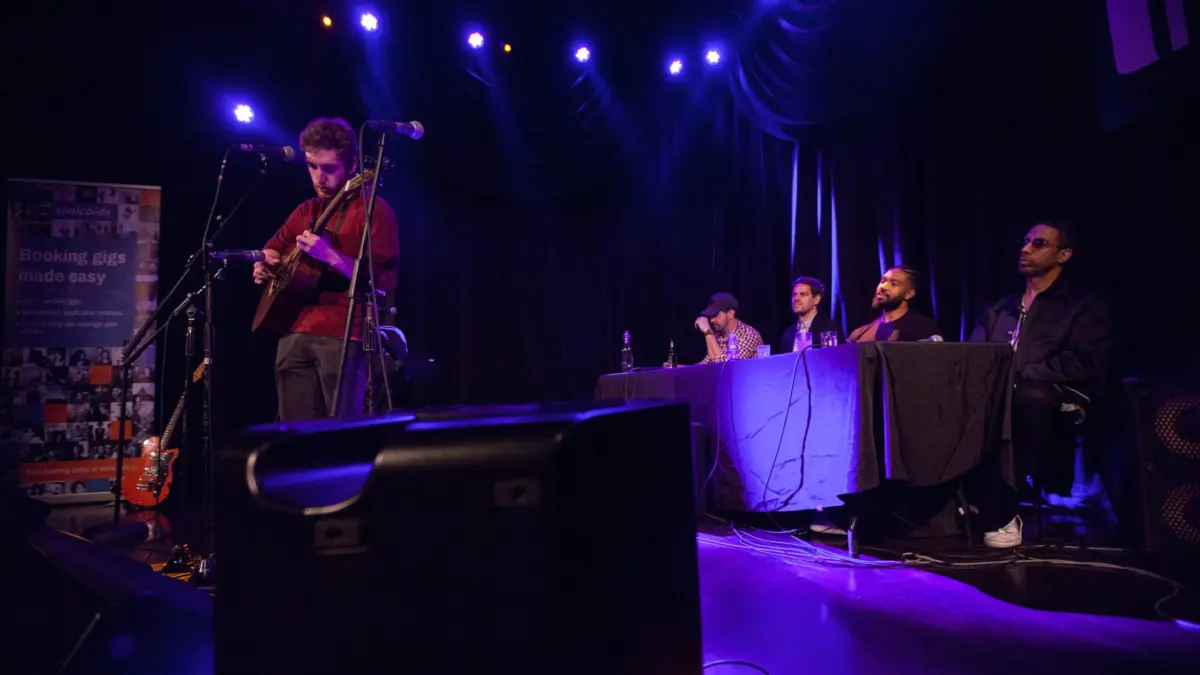
The rise of the "Feedback Collective"—a structured environment where musicians gather to critique work and share technical knowledge—marks a significant shift in how professional development occurs in the independent sector. Organizations like Sonicbids have championed these formats, hosting panel discussions and songwriting workshops that serve as both educational forums and networking hubs.
These sessions provide a low-stakes environment for "coopetition," a business strategy where competitors work together for mutual benefit. When a rock guitarist collaborates with a jazz saxophonist in a workshop setting, the resulting fusion of genres can lead to the development of "micro-genres" that appeal to niche, highly engaged markets. Furthermore, hosting such events establishes the organizer as a "thought leader" within their local community, naturally attracting further collaborative offers and professional inquiries.

Technical Infrastructure and the Digital Collaboration Data
The digital component of modern networking is supported by a suite of specialized platforms that go beyond the promotional nature of Instagram or X (formerly Twitter). Data indicates that platforms like BandLab and SoundCloud have become essential for the "long tail" of the music industry. BandLab, for instance, reported surpassing 60 million users in 2023, highlighting a massive global appetite for collaborative creation.
These platforms allow for "asynchronous collaboration," where musicians in different time zones can contribute to a single project. The ability to "fork" a track—taking a base recording and adding new layers—has democratized the production process. However, the most successful independent artists use these platforms strategically, leaving substantive, technical feedback on others’ work rather than generic promotional comments. This professional engagement builds "social capital" within digital communities, which can eventually be converted into collaborative projects or cross-promotion on streaming playlists.
The Strategic Value of Festival Volunteerism and Industry Access
Music festivals represent high-density networking environments, but for the independent musician, the barrier to the stage can be high. Consequently, volunteering for festival operations has emerged as a tactical "backdoor" into the industry. This role places musicians in direct contact with event organizers, sound engineers, stage managers, and touring professionals—the very individuals who make booking decisions.
The logistical background of a music festival offers a unique perspective on the industry’s "supply chain." By understanding the operational challenges of live events, musicians can better tailor their professional pitches to be more "promoter-friendly." Statements from festival organizers often highlight that they are more likely to book artists who have demonstrated a reliable, professional work ethic in a support capacity than those who cold-email generic electronic press kits (EPKs).

Fan-Centric Networking and the Direct-to-Consumer Shift
The "1,000 True Fans" theory, popularized by Kevin Kelly, posits that an artist does not need mainstream stardom to be financially viable; they only need a dedicated core audience. In this context, the fanbase itself becomes a networking tool. Modern independent musicians are increasingly using surveys, polls, and interactive social media content to involve their audience in the creative process, including asking for collaboration suggestions.
This crowdsourced networking can lead to "six degrees of separation" connections. A fan may have a personal connection to a producer, a venue owner, or another artist, providing an organic introduction that carries more weight than a cold call. This approach fosters a sense of community ownership over the artist’s career, leading to higher rates of fan retention and more effective word-of-mouth marketing.
Economic Implications and Future Outlook
The broader impact of these networking strategies is a more resilient independent music economy. By diversifying their professional connections across different industries and platforms, musicians insulate themselves against shifts in any single market. For instance, an artist with strong ties to both the local theater scene and global digital platforms is better positioned to weather a downturn in the traditional live music circuit.
However, industry analysts warn that the sheer volume of collaborative content can lead to market saturation. The challenge for the future will not be finding collaborators, but identifying the right partners whose artistic vision and professional goals align. The shift from "quantity" to "quality" in networking is expected to be the next major trend in the independent sector.

Conclusion and Strategic Summary
In summary, the transition from a solitary creative process to a collaborative, community-focused model is the defining characteristic of the successful modern independent musician. The data suggests that those who engage in cross-disciplinary events, utilize specialized digital tools for more than just promotion, and leverage their fanbases for networking are significantly more likely to achieve sustainable career growth.
As the industry continues to evolve, the distinction between "networking" and "community building" is blurring. The most effective artists are those who view every interaction—whether it is a comment on a SoundCloud track, a volunteer shift at a festival, or a local gallery opening—as an opportunity to contribute to the creative ecosystem. This proactive, professional approach to collaboration is the cornerstone of the new music economy, ensuring that independent talent can thrive in an increasingly complex and competitive global market. The future of music is not just in the notes played, but in the strength of the connections made behind the scenes.
