

The landscape of the global music industry has undergone a seismic shift over the last decade, transitioning from a centralized, label-driven model to a decentralized "creator economy." In this new era, the independent musician is no longer a peripheral figure but a primary driver of industry growth. According to recent market reports from Midia Research, the independent artist sector is the fastest-growing segment of the music business, generating over $1.2 billion in annual revenue. However, as the barriers to entry have lowered, the volume of content has increased exponentially, making strategic networking and professional collaboration more critical than ever for career sustainability. For many independent artists, the prospect of networking remains a daunting hurdle characterized by social anxiety and a lack of clear methodology. Yet, data suggests that collaboration is a primary catalyst for algorithmic discovery; tracks featuring multiple artists often see a 30% to 50% increase in reach compared to solo releases due to the cross-pollination of listener bases.
The Evolution of Collaborative Frameworks in the DIY Era
Historically, networking for musicians was confined to the "pay-to-play" circuits of major metropolitan hubs like Nashville, London, or Los Angeles. The traditional trajectory involved securing a booking agent or a manager who acted as the gatekeeper to professional connections. In the contemporary environment, this hierarchy has been replaced by a horizontal peer-to-peer network. The modern independent artist functions as a small business owner, requiring a multifaceted approach to relationship building that extends beyond the recording studio.
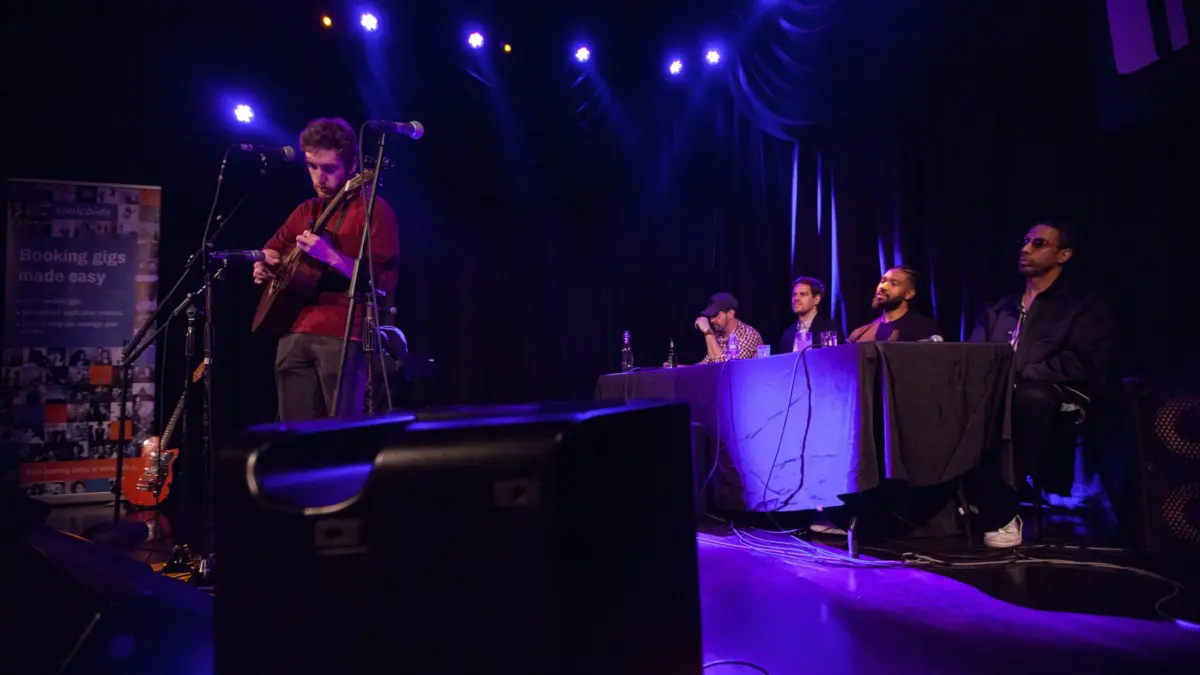
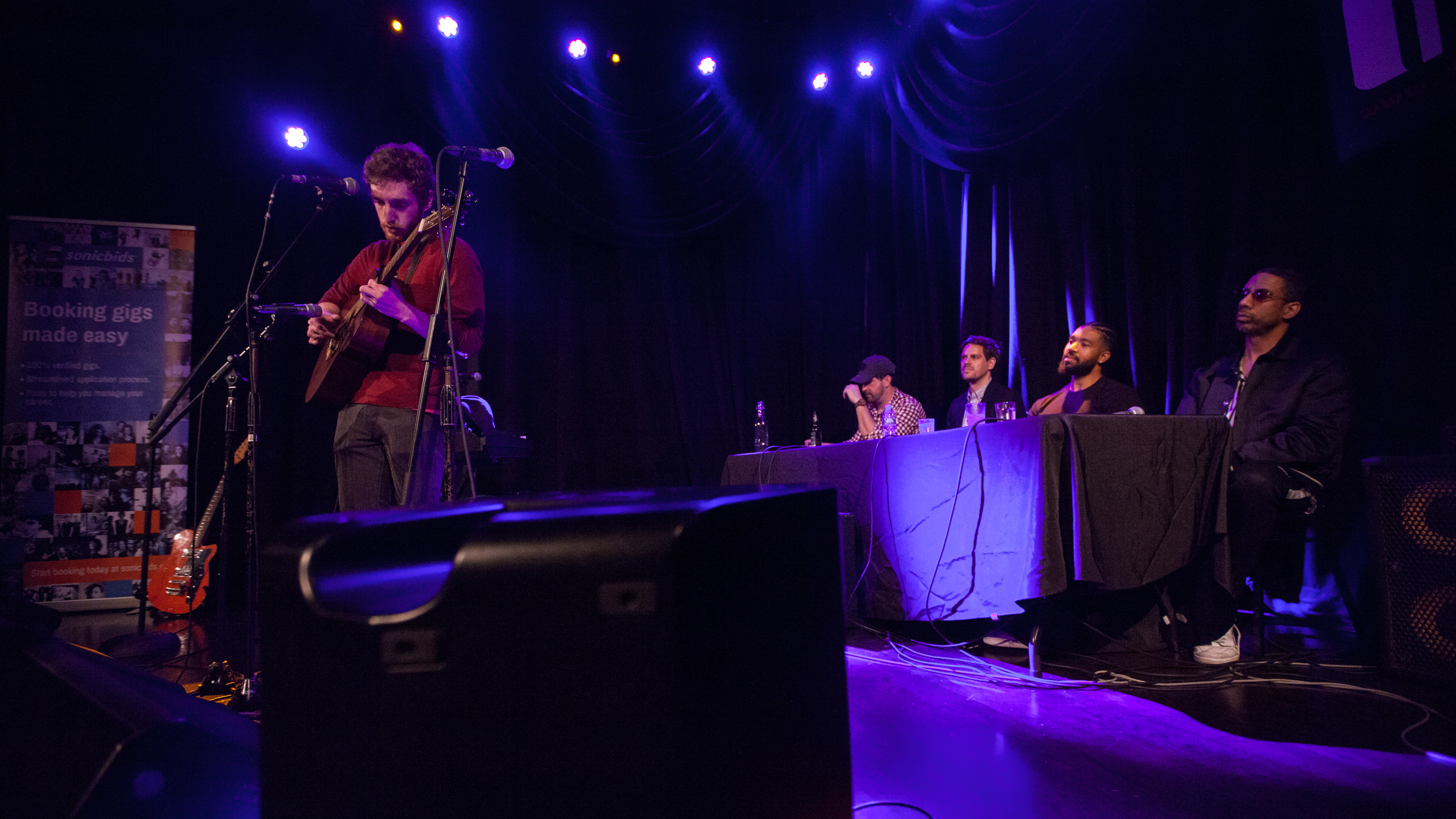
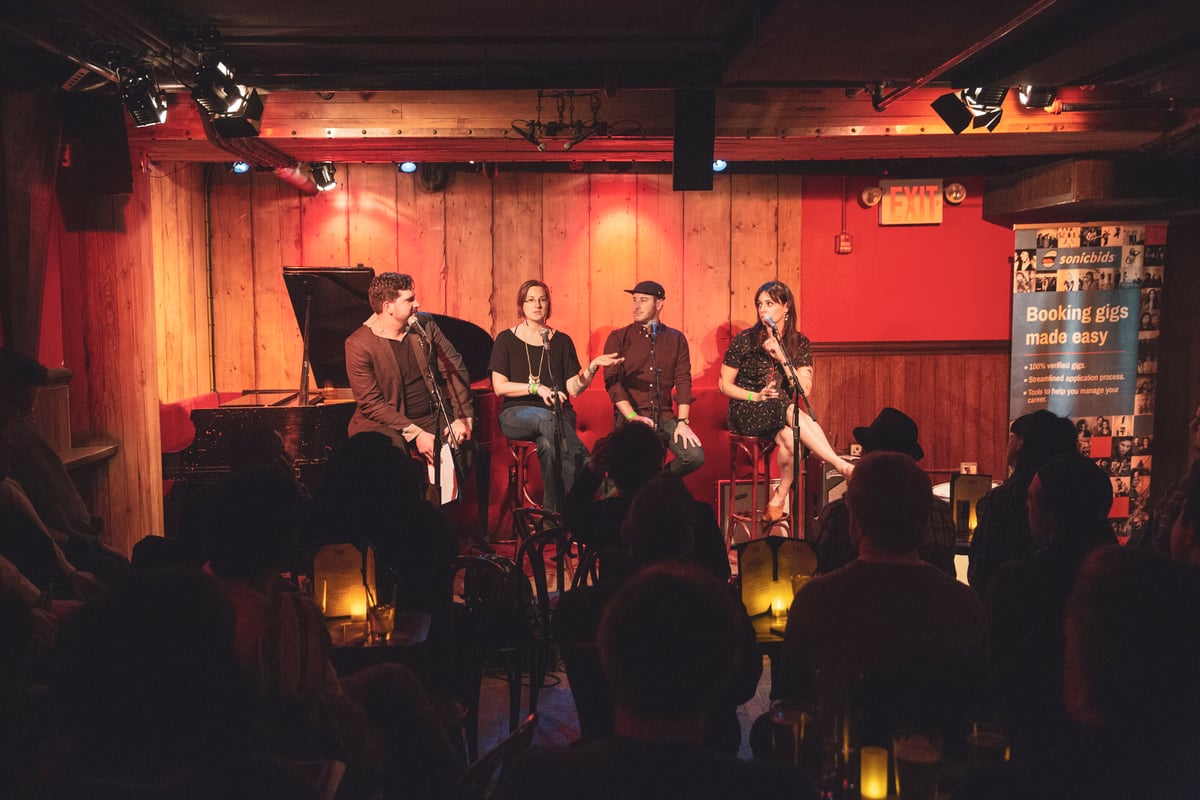
The transition toward a community-centric model is supported by the rise of initiatives such as the Sonicbids Feedback Collective. These organized efforts represent a shift toward structured professional development where peer-led critiques and panel discussions replace the informal, and often unproductive, "networking mixers" of the past. By examining the success of these frameworks, industry analysts have identified several non-traditional avenues through which independent musicians can effectively expand their professional circles and enhance their creative output.
Strategic Integration into Local Interdisciplinary Arts Scenes
One of the most underutilized assets for an independent musician is the local interdisciplinary arts community. While many artists focus exclusively on music venues, the broader arts ecosystem—including visual arts, theater, and digital media—offers a less saturated environment for building high-value partnerships. Statistics from the National Endowment for the Arts indicate that interdisciplinary collaborations are significantly more likely to receive local government grants and community funding than single-discipline projects.
Engagement with local galleries and art openings provides a unique platform for "sync-adjacent" opportunities. A sculptor or digital illustrator may require a bespoke sonic landscape for an installation, providing the musician with a credit that bridges the gap between performance and composition. Similarly, the theatrical world is in constant need of original scores and sound design. These environments allow musicians to demonstrate their versatility to a professional audience that is not comprised of direct competitors. By positioning music as a complementary component of a larger sensory experience, artists can access new demographics and establish themselves as essential contributors to the local cultural fabric.
Formalizing Peer Engagement Through Workshops and Jam Sessions
The "jam session" has long been a staple of musical growth, but its modern iteration requires more intentionality to serve as a networking tool. Hosting a structured workshop or a curated jam session allows an artist to transition from a participant to a facilitator. This shift in dynamics is significant; the facilitator is perceived as a community leader, which naturally attracts other high-level talent.
Industry case studies, such as the Feedback Collective Songwriting Workshops, demonstrate that when musicians are placed in a structured environment with clear objectives—such as peer review or collaborative songwriting—the quality of the resulting professional bonds is markedly higher. These sessions should ideally bridge genre divides. Data from streaming platforms like Spotify shows that "genre-bending" collaborations are increasingly favored by editorial playlists. Bringing a jazz percussionist together with an electronic producer, for instance, can result in a unique sonic signature that differentiates both artists in a crowded market. Furthermore, these sessions serve as a live portfolio, allowing artists to vet potential collaborators’ technical skills and professional reliability before committing to a formal project.
Leveraging Niche Digital Platforms for Global Reach
While mainstream social media platforms are essential for fan engagement, they are often less effective for deep professional networking due to high noise-to-signal ratios. Professional-grade platforms such as BandLab, SoundCloud, and specialized Discord servers have emerged as the digital equivalent of the recording studio lounge. BandLab, which reported over 60 million users by 2023, provides a cloud-based digital audio workstation (DAW) that facilitates real-time global collaboration.
The strategic use of these platforms involves moving beyond passive sharing. Successful independent artists use these tools to engage in "asynchronous collaboration," where stems are shared across time zones, allowing for a continuous creative cycle. Analytical data from these platforms suggests that artists who regularly participate in "remix challenges" or "open verses" experience a more consistent growth in their follower base. This methodology allows an artist to demonstrate their value proposition—their unique sound or technical proficiency—to a global audience of peers, leading to international touring opportunities and cross-border digital sales.
The Professional Utility of Event Voluntarism
Music festivals and industry conferences are high-density networking environments, but the cost of attendance can be prohibitive for independent artists. Volunteering offers a strategic workaround, providing behind-the-scenes access to industry infrastructure. According to event organizers at major festivals like SXSW, a significant percentage of their seasonal staff and volunteers are active musicians looking to understand the mechanics of large-scale production.
Working within the logistical framework of a festival places the artist in direct contact with stage managers, sound engineers, and talent buyers. These are the individuals who make the operational decisions that can make or break a touring career. By demonstrating a strong work ethic and professional conduct in a high-pressure environment, a musician builds a level of trust with industry gatekeepers that cannot be achieved through a cold email or a social media tag. The "social capital" earned during a week of volunteering can often lead to future booking considerations, as organizers are more likely to hire artists they know to be reliable and professional.

Crowdsourcing Networking Through Fanbase Activation
The modern relationship between an artist and their audience is increasingly transactional in a creative sense. The rise of platforms like Patreon and the use of interactive features on Instagram and TikTok have enabled fans to act as "street teams" and connectors. Research into the "1,000 True Fans" theory suggests that a deeply engaged audience is more valuable than a large, passive one.
Independent musicians can leverage this engagement by involving fans in the networking process. Simple initiatives, such as polling an audience on potential collaborators or asking for introductions to local venues, can yield surprising results. Fans often have professional backgrounds or personal connections that are not immediately apparent. A fan who works in marketing may offer pro-bono advice, or a fan with a connection to a local radio station might facilitate an interview. This democratized approach to networking not only lightens the administrative load for the artist but also fosters a sense of ownership and loyalty among the fanbase, as they feel directly responsible for the artist’s professional milestones.
Analysis of Implications: The Long-Term Impact of Collaborative Resilience
The shift toward a collaborative, networked model of music production has profound implications for the industry’s future. Firstly, it reduces the "single point of failure" risk for independent artists. By building a diverse web of professional relationships across different disciplines and platforms, an artist is less vulnerable to changes in platform algorithms or the loss of a single revenue stream.
Secondly, this model promotes a more sustainable career trajectory. The "lonely genius" trope is being replaced by the "connected creator." Financial data indicates that artists who engage in regular collaborative projects have more diversified income streams, including session work, co-writing royalties, and shared performance revenue.

Finally, the psychological impact of community-based networking cannot be overstated. The independent music path is often associated with high rates of burnout and isolation. By recontextualizing networking as an act of community building and creative exploration, artists can mitigate these risks. The success of the "Feedback Collective" model proves that when musicians support one another through shared knowledge and resources, the entire ecosystem becomes more resilient.
In conclusion, the path to success for the modern independent musician is paved with strategic alliances. Whether through local interdisciplinary art events, structured peer workshops, niche digital tools, professional volunteering, or fan-led connections, the goal remains the same: to move from an isolated creator to a central node in a vibrant, supportive professional network. As the industry continues to evolve, those who embrace the "adventure" of collaboration will be the ones best positioned to amplify their voice and sustain their art in the global marketplace.
