

The contemporary music landscape has undergone a seismic shift over the last decade, transitioning from a centralized, label-dominated industry to a decentralized ecosystem where independent artists now represent the fastest-growing segment of the market. According to recent industry reports from MIDiA Research, independent artists—those not signed to major labels—generated over $1.2 billion in 2023, reflecting a significant increase in their global market share. However, this democratization of music production has led to extreme market saturation, with over 100,000 new tracks uploaded to streaming platforms daily. In this highly competitive environment, the ability to network and collaborate has emerged not merely as a beneficial skill but as a critical requirement for professional survival and commercial scaling.
While the prospect of networking is frequently perceived as an intimidating hurdle for independent creators, industry analysts emphasize that creativity thrives most effectively within structured communities. The strategic formation of partnerships allows musicians to pool resources, cross-pollinate fanbases, and access professional opportunities that remain inaccessible to isolated performers. To navigate this complex landscape, artists are increasingly adopting non-traditional methods to build their professional circles, moving beyond the standard industry mixer to engage in cross-disciplinary and community-based initiatives.
The Evolution of the Independent Music Sector
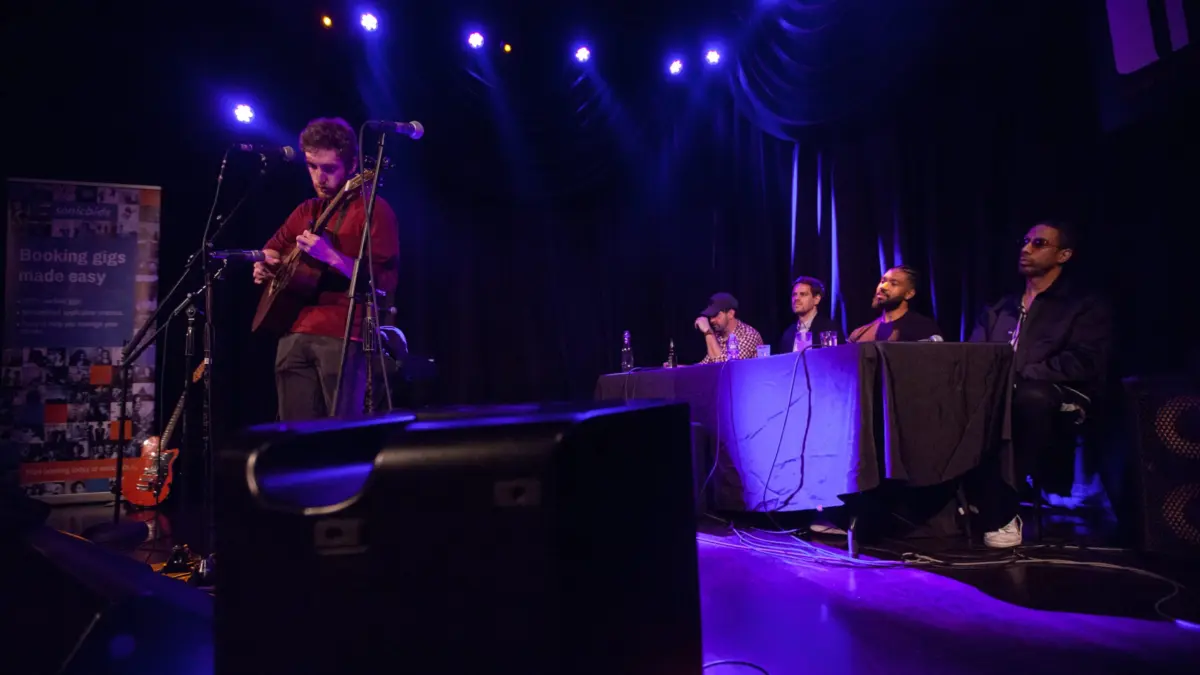
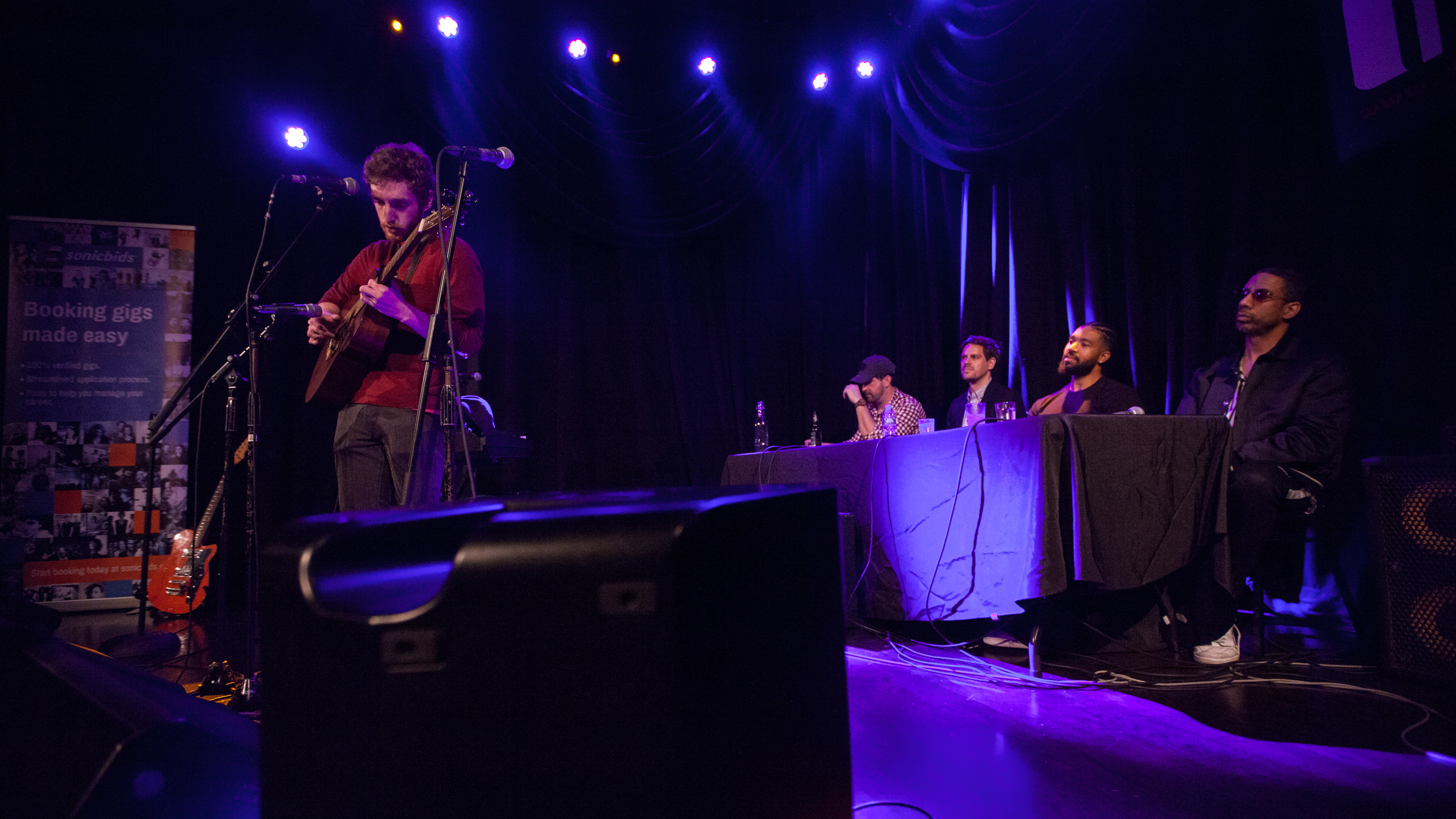
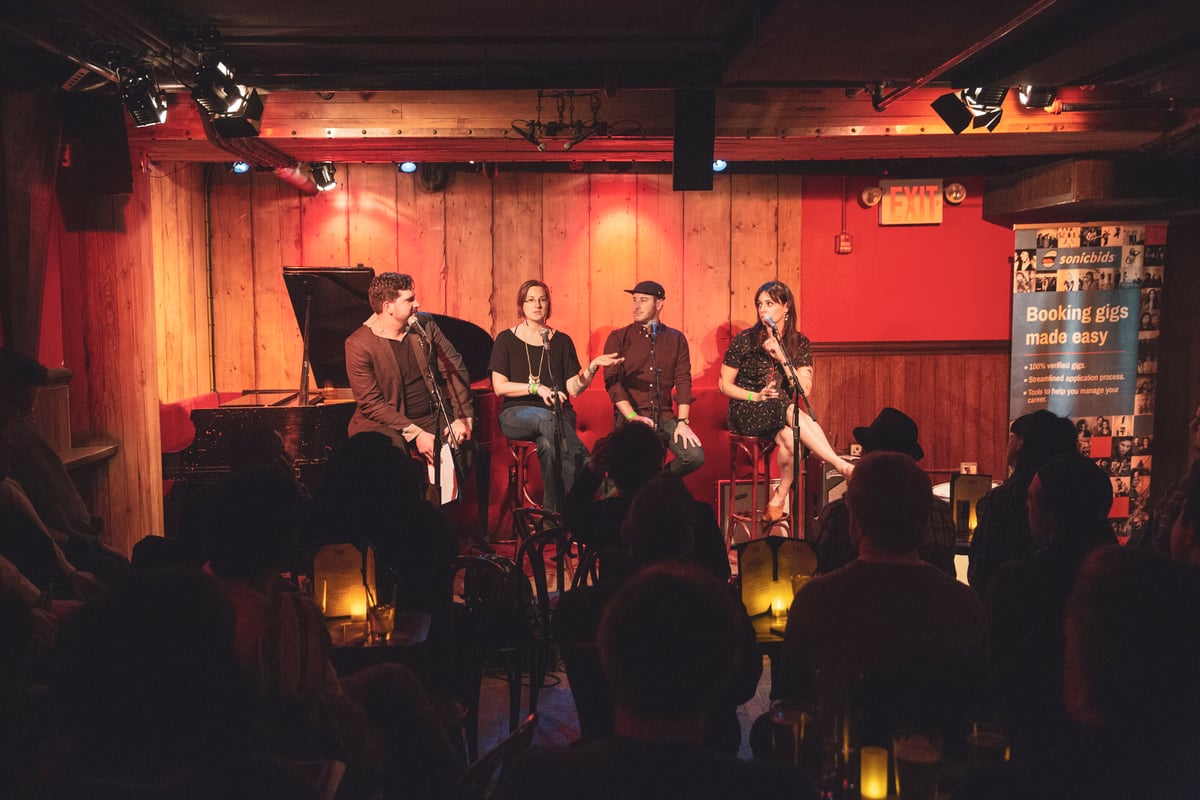
The rise of the "solopreneur" musician has necessitated a new approach to professional development. Historically, the burden of networking fell upon talent agents and A&R executives. In the current era, the artist is responsible for their own brand management, booking, and creative direction. This shift has created a demand for institutionalized support systems, such as the Feedback Collective series hosted by Sonicbids. These events, which include panel discussions and songwriting workshops, serve as a bridge between raw talent and industry infrastructure.
Chronologically, the trend toward independent collaboration began to accelerate in the mid-2010s with the proliferation of digital audio workstations (DAWs) that featured cloud-based collaboration tools. By 2020, the global pandemic acted as a catalyst, forcing musicians to find digital and local alternatives to traditional touring. This period saw a rise in hyper-local community building and the utilization of niche online platforms. Today, the focus has shifted toward "holistic networking," where musicians engage with the broader arts community to create multi-sensory experiences that stand out in a crowded digital marketplace.
Cross-Disciplinary Engagement as a Catalyst for Innovation
One of the most effective, yet frequently overlooked, strategies for expanding a musical network is the integration of music into the broader local arts scene. By engaging with visual artists, theatrical performers, and poets, musicians can escape the "echo chamber" of their own genre. Local art galleries, open mic nights, and multidisciplinary festivals provide a fertile ground for these interactions.
For example, the intersection of visual art and sound design has become a burgeoning market. Sculptors and digital artists often require bespoke soundtracks for gallery installations or virtual reality experiences. Similarly, independent theater companies are perpetual seekers of original compositions for their productions. These collaborations offer musicians a dual benefit: they provide a new context for their music and expose their work to the dedicated audiences of their collaborators. Industry data suggests that cross-disciplinary projects often enjoy higher engagement rates on social media because they appeal to multiple interest groups simultaneously, effectively doubling the reach of a single marketing effort.
Institutionalizing Peer Feedback: The Role of Workshops and Panels
Active participation in organized events like the Feedback Collective Panel Discussion demonstrates the value of institutionalized networking. These forums provide a structured environment where artists can receive critique from peers and industry veterans. Unlike the informal setting of a nightclub or a post-show bar, workshops are designed specifically for professional growth and the exchange of technical knowledge.
Hosting a jam session or a specialized workshop is a proactive method for an artist to establish themselves as a "connector" within their local scene. By providing a venue—whether a community center or a rehearsal studio—the host artist gains significant social capital. These sessions often lead to the formation of "supergroups" or long-term creative partnerships. For instance, the blending of disparate genres, such as a rock guitarist collaborating with a jazz saxophonist, often results in "genre-bending" tracks that perform well on editorial playlists designed for eclectic tastes. Furthermore, these sessions serve as a live portfolio, allowing musicians to witness each other’s work ethic and technical proficiency before committing to a formal project.
Technological Intermediation in Creative Collaboration
While mainstream social media platforms like Instagram and TikTok are essential for fan engagement, they are often less effective for deep professional networking. Consequently, musicians are migrating toward specialized platforms designed for the creative process. BandLab, for instance, reported over 60 million users by 2023, highlighting a massive appetite for collaborative tools that allow artists to record and mix tracks remotely.
SoundCloud and Discord have also become hubs for "micro-communities" where artists can engage in direct dialogue. The strategy involves moving beyond passive consumption of other artists’ work to active, thoughtful engagement. By providing constructive feedback and proposing specific collaborative ideas—such as "stems swapping" or featured guest verses—musicians can build a reputation for being professional and easy to work with. These digital interactions often serve as the precursor to physical meetups and tours, effectively bridging the gap between a global online presence and a local physical scene.
Strategic Entry Points via Festival and Event Infrastructure
The music festival industry, valued at over $12 billion globally, offers a massive but often impenetrable networking environment. For the independent artist, volunteering at these events provides a "backstage pass" to the industry’s inner workings. Volunteers interact with stage managers, audio engineers, event organizers, and headline performers, all of whom are key stakeholders in the live music economy.

Industry insiders note that many successful career trajectories began with entry-level roles at major festivals. The immersive nature of a three-day event fosters a sense of camaraderie that is difficult to replicate in other settings. By demonstrating reliability and a strong work ethic in a high-pressure environment, an artist can earn the trust of industry professionals who may later become advocates for their musical career. This "bottom-up" approach to networking emphasizes the importance of understanding the logistics of the music business, from hospitality to technical production.
Direct-to-Fan Intelligence and Community-Led Growth
The "1,000 True Fans" theory, popularized by Kevin Kelly, remains a cornerstone of independent music strategy. However, the modern application of this theory involves treating fans as active participants in the networking process. Fans are often the first to identify potential collaborators, as they consume music across various genres and scenes.
By utilizing digital tools like polls, surveys, and interactive live streams, musicians can tap into the collective intelligence of their audience. A fan’s recommendation might lead to a connection with a local singer-songwriter or a visual artist, creating a community-led networking loop. This strategy not only uncovers new opportunities but also deepens the emotional investment of the fanbase. When fans see their suggestions lead to a successful collaboration, their loyalty to the artist increases, as they feel a sense of co-authorship in the artist’s career trajectory.
Economic and Cultural Implications of Decentralized Networking
The shift toward proactive, diversified networking has profound implications for the future of the music industry. Economically, it reduces the reliance on traditional middlemen. When artists build their own networks of collaborators, photographers, and promoters, they retain a higher percentage of their earnings and maintain greater creative control. This DIY (Do-It-Yourself) infrastructure is becoming increasingly robust, with independent artists utilizing collective bargaining and shared resources to compete with major-label budgets.

Culturally, this trend fosters a more inclusive and diverse musical landscape. By stepping outside of traditional industry silos and engaging with local art scenes and digital communities, musicians are breaking down the barriers between genres and demographics. The result is a more vibrant, resilient music economy where success is defined not just by streaming numbers, but by the strength and depth of the artist’s professional community.
As the industry continues to evolve, the distinction between "networking" and "community building" is blurring. For the independent musician, every interaction—whether it is a comment on a SoundCloud track, a volunteer shift at a festival, or a conversation at a local gallery—is a brick in the foundation of a sustainable career. The data indicates that those who embrace these multifaceted networking strategies are better positioned to navigate the volatility of the modern music market and achieve long-term creative and financial success.
