

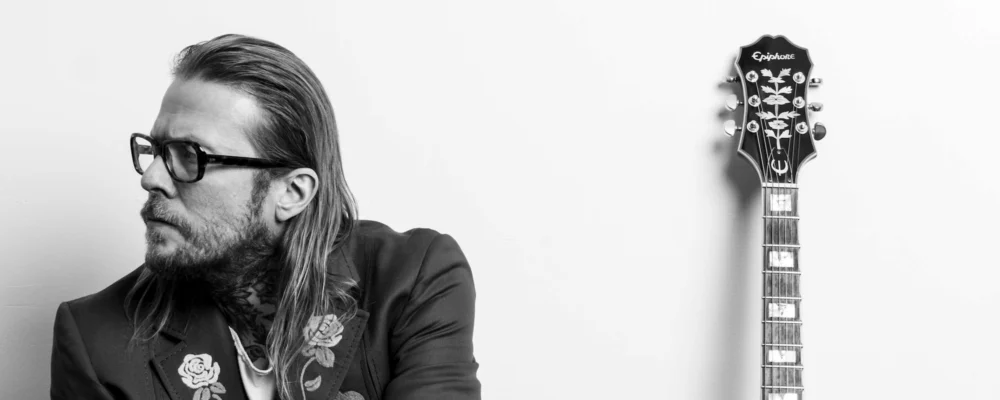
Krummi Björgvinsson, the seasoned Icelandic singer-songwriter and multi-instrumentalist, has officially released his latest single, "Smile Till It Ends," a track that serves as the lead harbinger for his highly anticipated solo album scheduled for a fall 2026 release. The song, which began its conceptual journey during the initial lockdowns of the 2020 global pandemic, represents a significant stylistic evolution for Björgvinsson, moving away from his harder rock and electronic roots toward a refined, warmer timbre of Americana and alt-country. Developed over a four-year period of reflection and production, the single addresses themes of resilience, the necessity of maintaining a facade of strength during internal turmoil, and the ultimate pursuit of hope amidst global instability.
Björgvinsson, known mononymously as Krummi, noted that the song’s inception was a direct response to the atmosphere of uncertainty that defined the early 2020s. He described a process of deep reflection on the "quiet strength" required to navigate a world that felt increasingly precarious. While the track was penned years ago, its release in the current socio-political climate is intentional, with the artist suggesting that the message of choosing grace and composure when circumstances fall apart remains as relevant today as it was during the height of the pandemic.
Thematic Depth and Lyrical Composition
"Smile Till It Ends" is characterized by its lyrical focus on the internal struggle between vulnerability and the public-facing self. The lyrics—“You’re trying so hard to stay standing / You mustn’t let them see / That you’re scared to be seen / As you sink down against the wall / You didn’t choose to be this person at all”—illustrate a narrative of forced endurance. Björgvinsson explores the psychological toll of maintaining a brave face while experiencing a sense of being overwhelmed by circumstances beyond one’s control.
The song transitions from this exploration of hidden fear to a more hopeful, nature-oriented resolution. The bridge and chorus offer a "tonic of nature," urging the listener to find solace in the rhythm of the natural world: “Count to ten and breathe / You’ll be alright / Take a walk between all the falling raindrops / Watch the moon get chased across the sky / Bathe in Autumn leaves / It will be alright.” This shift reflects a hallmark of the Americana genre, which often utilizes pastoral imagery to provide a sense of groundedness and timelessness.
Visual Narrative and Cinematic Production
Accompanying the single is a cinematic music video directed by Sigurgeir, with cinematography by Thórhildur Kristín. The production was designed to mirror the "twofold meaning" of the song, emphasizing the duality of isolation and connection. Filmed in the industrial outskirts of Reykjavík, specifically in the Gufunes area, the video utilizes the stark, wintry Icelandic landscape to provide a visual metaphor for the song’s themes.
Björgvinsson conceptualized the visual direction himself, opting for a performance-driven approach that relied on raw, natural elements. The outdoor scenes were filmed in sub-zero temperatures, illuminated only by car headlights. The inclusion of visible breath vapor in the air was a deliberate choice to enhance the "honesty" of the performance. To balance this starkness, the video interweaves warmer, intimate studio footage, which Björgvinsson says represents the "duality within the song itself"—the contrast between the cold reality of vulnerability and the warmth of hope and renewal.
The production team emphasized simplicity and trust throughout the shoot. Björgvinsson characterized the project not merely as a commercial music video but as a "genuine expression of friendship and shared creativity," highlighting a collaborative spirit that has become a cornerstone of his three-decade career.
A Chronology of Artistic Evolution
To understand the significance of "Smile Till It Ends," it is necessary to examine Björgvinsson’s extensive history in the Icelandic music scene. He first gained international recognition in the late 1990s as the frontman of Mínus, a hard rock and post-hardcore band that became a staple of the Icelandic alternative scene. Mínus was known for its aggressive energy and helped pave the way for Icelandic rock on the global stage, touring extensively and receiving critical acclaim.
In the 2010s, Björgvinsson shifted gears, forming the electronic duo Legend with Halldór A. Björnsson. This project moved into the realms of darkwave and industrial synth-pop, showcasing his versatility as a vocalist and producer. His ability to navigate disparate genres led to high-profile collaborations with international acts, including work with Anton Newcombe of The Brian Jonestown Massacre and the French electronic outfit M83.
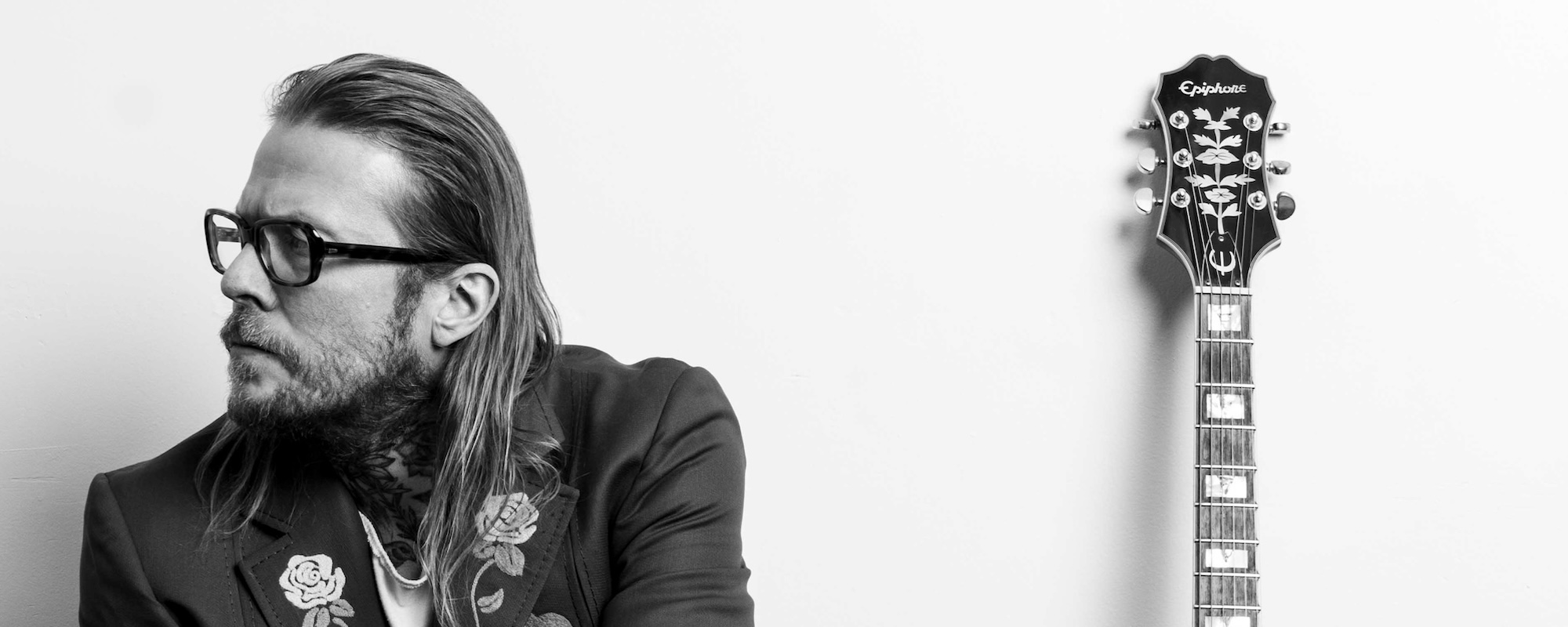
His solo foray into Americana and roots music began in earnest in 2019 with the single "Stories to Tell." This was followed by "Frozen Teardrops" (2020) and the Icelandic-language track "Naglar og Salt" (2021). His 2021 cover of Dire Straits’ "Brothers in Arms" further solidified his command over the alt-country aesthetic, characterized by acoustic instrumentation, resonant vocals, and a focus on storytelling.
Contextualizing the Icelandic Music Export
The release of "Smile Till It Ends" comes at a time when the Icelandic music industry continues to punch above its weight in terms of global influence. According to data from Iceland Music (the country’s music export office), the sector has seen steady growth in international streaming and sync licensing. While many associate the "Icelandic sound" with the ethereal pop of Björk or the cinematic post-rock of Sigur Rós, Björgvinsson’s move into Americana highlights a growing trend of Icelandic artists interpreting traditional American genres through a Nordic lens.
The choice to film in Gufunes is also significant. Once a primary industrial site for fertilizer production, Gufunes has been reimagined as a creative hub and film studio complex (notably housing RVK Studios). By utilizing this location, Björgvinsson grounds his music in the evolving landscape of his homeland, blending the industrial past with a creative future.
Implications for the 2026 Album Release
The announcement of an album release for the fall of 2026 suggests a methodical and deliberate approach to production. In an era where the music industry often demands rapid-fire content cycles, Björgvinsson’s decision to announce the project nearly two years in advance indicates a commitment to a cohesive, long-form artistic statement.
Industry analysts suggest that this "slow-release" strategy allows independent artists to build a sustained narrative around their work, fostering a deeper connection with a dedicated fanbase. For Björgvinsson, the upcoming album represents the culmination of his transition into the Americana genre—a move that allows him to explore more mature, introspective themes that may not have fit within the high-octane frameworks of Mínus or Legend.
Analysis of Resilience as a Cultural Theme
"Smile Till It Ends" is more than a personal reflection; it acts as a case study in the cultural zeitgeist of the post-pandemic era. Psychologists and sociologists have noted a surge in "resilience-themed" art as a collective coping mechanism. By addressing the "scared to be seen" aspect of modern life, Björgvinsson taps into a universal sentiment regarding the pressure to perform stability in an unstable world.
The song’s emphasis on "choosing grace and composure" aligns with the concept of "tragic optimism"—a term coined by psychiatrist Viktor Frankl, which describes the search for meaning amid the unavoidable suffering of life. Björgvinsson’s work suggests that while the individual did not "choose to be this person" or choose the circumstances they face, they do have agency in how they respond to those challenges.
Conclusion and Future Outlook
As Krummi Björgvinsson prepares for the full rollout of his new project, "Smile Till It Ends" stands as a testament to his longevity and adaptability as an artist. By stripping away the distortion of his rock past and the synthesizers of his electronic era, he has arrived at a sound that is both raw and sophisticated.
The single serves as a reminder that even in the most precarious of times, there is a "silver lining of resilience" to be found. For listeners, the track offers a preview of what to expect from the 2026 album: a project shaped by maturity, a deep respect for roots music, and an unwavering belief in the power of hope. As the world continues to navigate the complexities of the mid-2020s, Björgvinsson’s invitation to "count to ten and breathe" may be exactly the message that resonates most strongly with a global audience seeking both honesty and comfort in their music.
