

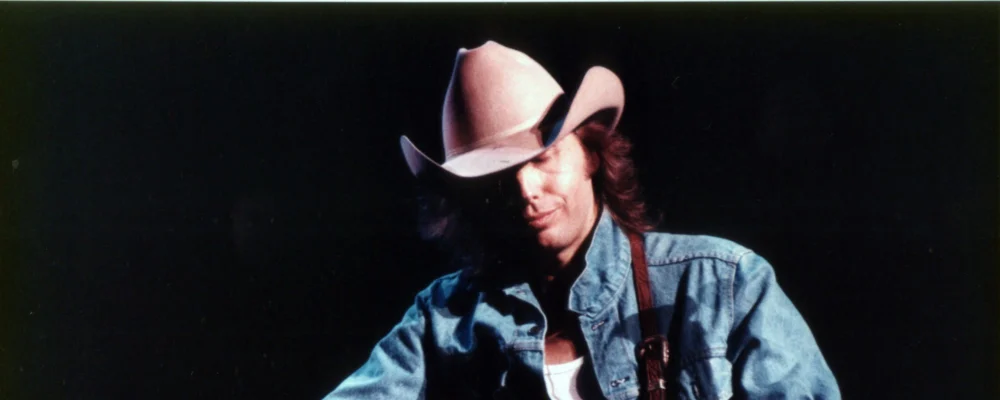
Country music has long been defined by its ability to translate the complexities of the human condition into accessible three-minute narratives, often categorized into either high-energy celebratory anthems or somber, slow-tempo ballads. However, a significant subset of the genre defies this binary by employing a sophisticated musical technique known as emotional juxtaposition. By pairing upbeat, major-key melodies with lyrics of profound despair, isolation, and regret, artists have created some of the most enduring yet deceptive hits in the American songbook. This phenomenon, colloquially referred to as "sad songs you can dance to," represents a high watermark of songwriting craft, where the sonic environment masks a "gut-wrenching" reality.
The historical trajectory of country music reveals that this duality is not merely an aesthetic choice but a narrative tool used to reflect the resilience of the working class—individuals who often find themselves dancing through hardship. Through an analysis of five seminal tracks spanning from the 1930s to the 1990s, the depth of this lyrical "emotional terrorism" becomes clear, showcasing how artists like Gene Autry, Dwight Yoakam, Buck Owens, Roger Miller, and Marty Robbins utilized rhythmic vibrancy to deliver narratives of total heartbreak.
The Evolution of Lyrical Dissonance in Country Music
The roots of deceptive songwriting in country music can be traced back to the Appalachian folk traditions, where "murder ballads" were often set to spirited fiddle tunes. As the genre transitioned into the commercial era of the mid-20th century, the "Bakersfield Sound" and the "Nashville Sound" refined this approach. The goal was twofold: to ensure radio playability through infectious rhythms while maintaining the genre’s "three chords and the truth" philosophy.
Data from Billboard chart histories suggests that "crossover" hits—songs that appealed to both country and pop audiences—frequently utilized this upbeat-yet-tragic formula. Listeners are often drawn to the melody first, only internalizing the darker lyrical themes upon repeated listens. This creates a lasting psychological impact, as the familiar comfort of the music clashes with the traumatic nature of the story being told.
Case Study 1: The Hidden Betrayal in You Are My Sunshine
While "You Are My Sunshine" is globally recognized as a tender lullaby, its commercial origins and full lyrical content tell a much darker story. Though frequently associated with Gene Autry, who recorded it in 1941, the song was popularized and claimed by Jimmie Davis, the former Governor of Louisiana.
The first verse and chorus, which are the most frequently performed, suggest a simple declaration of love. However, the subsequent verses reveal a narrative of abandonment and psychological devastation. The lyrics "You told me once dear, you really loved me / And no one else dear, could come between / But now you’ve left me and love another / You have shattered all my dreams" transform the song from a nursery rhyme into a chronicle of infidelity.
In a historical context, the song’s upbeat tempo helped it become a morale-booster during the World War II era, yet the underlying message of loss resonated with a public facing constant uncertainty. Today, it remains one of the most commercially successful songs in history, having been recorded by over 350 artists, most of whom omit the verses detailing the narrator’s "shattered dreams."
Case Study 2: The Bakersfield Irony of Buck Owens
In 1963, Buck Owens and the Buckaroos released "Act Naturally," a track that would define the Bakersfield Sound—a grittier, more rhythmic alternative to the polished productions coming out of Nashville. On the surface, the song is a jaunty, shuffle-driven tune about a man heading to Hollywood to become a movie star.
The brilliance of the song, written by Johnny Russell and Voni Morrison, lies in the revelation that the narrator is not being cast for his acting range, but for his genuine misery. The line "We’ll make a film about a man that’s sad and lonely / And all I gotta do is act naturally" serves as a biting commentary on the performance of grief.
The song’s impact was so significant that it was covered by The Beatles in 1965, with Ringo Starr on vocals. The juxtaposition of the "Fab Four’s" bright British Invasion energy with a story about a man whose only talent is being "sad and lonely" further solidified the track’s status as a masterpiece of deceptive songwriting.
Case Study 3: Roger Miller and the Self-Deprecation of Dang Me
Roger Miller was often categorized as a "novelty" artist due to his whimsical vocal delivery and jazz-inflected arrangements. However, his 1964 hit "Dang Me" is a stark example of using humor and high-energy swing to mask a narrative of total moral failure and self-loathing.
The song’s narrator describes himself as a "fool" who stays out "all night and runnin’ wild" while his wife sits at home with a "month-old child." The chorus, which encourages the listener to "take a rope and hang me / High from the highest tree," is delivered with such rhythmic buoyancy that the violent imagery of a public execution is often overlooked.
Miller’s ability to win five Grammy Awards in a single year (1964) for such material indicates a sophisticated audience appreciation for this duality. Analysts suggest that "Dang Me" functioned as a form of musical confession, where the upbeat tempo allowed the narrator (and the listener) to confront uncomfortable truths about addiction and neglect without descending into melodrama.
Case Study 4: Dwight Yoakam and the Isolation of the 1990s
By the early 1990s, country music was undergoing a "neo-traditionalist" revival, and Dwight Yoakam was at the forefront. His 1993 hit "A Thousand Miles From Nowhere" features a breezy, atmospheric production that evokes the feeling of a wide-open highway.
However, the "nowhere" described in the lyrics is not a physical location, but a psychological state of total isolation following a breakup. The narrator admits he has "heartaches in my pocket" and "echoes in my head," repeating the "cruel, cruel things" said by his former partner. The song effectively uses the trope of the "lonesome traveler" to depict a man who is literally and figuratively lost. The upbeat tempo reflects the momentum of the car, but the lyrics reflect a mind that is stationary, trapped in a loop of emotional trauma.
Case Study 5: Marty Robbins and the Western Tragedy
Marty Robbins’ "El Paso," released in 1959, is a sprawling Western ballad that utilizes a galloping Tex-Mex rhythm. For over four minutes, the listener is swept up in the romanticism of the Old West. Yet, the narrative arc is a classic tragedy.
The narrator’s "frenzied" love for a woman named Felina leads him to commit murder, flee the law, and ultimately return to his death. The song ends with the narrator dying in the dirt after being struck by a bullet. Despite this grim conclusion, the song was a massive commercial success, reaching No. 1 on both the Country and Pop charts. It demonstrated that audiences were willing to engage with complex, fatalistic stories as long as the musical vehicle remained driving and melodic.
Chronology of Deceptive Country Classics
To understand the broader impact of these songs, one must look at their placement within the timeline of American music:
- 1939-1941: "You Are My Sunshine" transitions from a regional folk song to a national anthem of both hope and heartbreak.
- 1959: Marty Robbins’ "El Paso" proves that long-form narrative tragedies can dominate the pop charts.
- 1963: Buck Owens’ "Act Naturally" introduces the Bakersfield Sound’s signature "happy-sad" shuffle to the mainstream.
- 1964: Roger Miller’s "Dang Me" sweeps the Grammys, validating the use of humor and swing to address dark personal failings.
- 1993: Dwight Yoakam’s "A Thousand Miles From Nowhere" modernizes the "lonely road" trope for a new generation of listeners.
Broader Implications and Industry Impact
The success of these tracks has had a lasting influence on the songwriting industry. Modern artists continue to utilize this "trojan horse" method of delivery—placing heavy emotional content inside a radio-friendly package. This approach serves several functions:
- Radio Viability: Upbeat songs are more likely to be programmed during peak listening hours, ensuring the message reaches a wider audience.
- Catharsis: For the listener, the ability to dance or sing along to a song about pain provides a form of rhythmic catharsis, making the emotional weight easier to bear.
- Artistic Depth: It allows songwriters to move beyond the "tear-in-my-beer" clichés, offering a more nuanced representation of how people actually experience grief—often while trying to maintain a facade of normalcy.
Industry analysts note that these five songs are frequently cited by contemporary songwriters as "masterclasses" in lyrical structure. By refusing to let the music match the misery of the lyrics, these artists created a sense of tension that keeps the songs relevant decades after their initial release.
In conclusion, the "deceptively upbeat" country song is a vital component of the American musical landscape. It challenges the listener to look past the surface-level melody and engage with the "emotional terrorism" of the human experience. Whether it is the shattered dreams of "You Are My Sunshine" or the self-loathing of "Dang Me," these tracks remind us that in country music, the most infectious rhythms often hide the deepest scars.
