

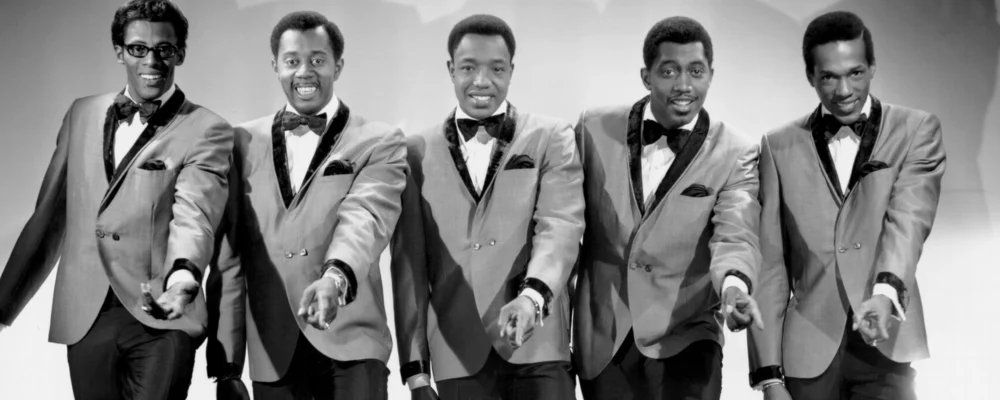
Released in early 1971, "Just My Imagination (Running Away With Me)" stands as a cornerstone of the Motown era, representing the pinnacle of the "Classic Five" era of The Temptations even as the group’s internal structure was fundamentally fracturing. While the track is celebrated for its ethereal orchestration and Eddie Kendricks’ delicate falsetto, the historical reality behind the recording booth was one of professional divorce, physical decline, and burgeoning resentment. The song, which would eventually become the group’s third number-one hit on the Billboard Hot 100, served as both a commercial triumph and a swan song for the lineup that had defined soul music for much of the previous decade.
The Artistic Shift and Production Context
By 1970, The Temptations had spent several years navigating the "psychedelic soul" era under the direction of producer Norman Whitfield. Hits like "Cloud Nine," "I Can’t Get Next to You," and "Psychedelic Shack" had moved the group away from their doo-wop roots toward a grittier, socially conscious sound that utilized distorted guitars and multi-lead vocal arrangements. However, as the sessions for the album Sky’s the Limit commenced in the autumn of 1970, Whitfield and co-writer Barrett Strong decided to pivot back toward the lush, romantic ballads that had first made the group superstars.
"Just My Imagination" was a throwback to the "sweet soul" sound. The musical arrangement, handled by Jerry Long, utilized a gentle, steady beat complemented by a prominent orchestral section featuring violins, French horns, and a harp. The instrumentation was provided by Motown’s legendary house band, The Funk Brothers, whose understated performance allowed the vocal harmonies to remain the focal point. Despite the polished final product, the atmosphere within Hitsville U.S.A.’s Studio A was far from harmonious.
Internal Dissension and the Kendricks-Williams Conflict
The recording of "Just My Imagination" occurred during a period of intense volatility within the group. The primary friction existed between Eddie Kendricks, the group’s high-tenor lead, and Otis Williams, the group’s founder and organizational anchor. Kendricks had grown increasingly dissatisfied with the group’s creative direction and the management style of Motown Records, particularly the control exerted by Berry Gordy and Norman Whitfield.
In archival interviews, Otis Williams reflected on the palpable tension that defined the Sky’s the Limit sessions. "At the time, Eddie Kendricks and I weren’t getting on," Williams told The Guardian in 2012. He noted that the group dynamic had become a series of "personality clashes," with Kendricks feeling stifled by the collective and desiring to "take control of his own destiny" through a solo career. Guitarist Eddie "Chank" Willis corroborated these accounts, noting that the disagreements often escalated into "big arguments" that threatened the productivity of the sessions.
The friction reached a point where Kendricks chose to isolate himself during the recording process. According to historical accounts of the session, Kendricks struggled to perform while the other members were present. To capture the "tender, romantic" delivery that the song required, Kendricks eventually waited until the other members had left the studio for the day. He recorded his lead vocal tracks in a solitary environment, a move that allowed him to tap into the wistful, vulnerable tone that defines the record. Otis Williams later praised the result, describing it as a "wonderful, sweet, tender, sincere performance," despite the interpersonal rift that necessitated its isolated recording.
The Departure of the Foundations: Kendricks and Paul Williams
"Just My Imagination" holds a bittersweet place in the group’s discography as the final single to feature both Eddie Kendricks and Paul Williams. The release of the song coincided with a definitive split in the group’s roster. Shortly after the song reached the top of the charts in April 1971, Kendricks followed through on his long-standing threats to leave, officially launching a solo career that would later yield hits like "Keep on Truckin’."
The departure of Paul Williams, however, was rooted in tragedy rather than professional ambition. As one of the group’s founding members and its original lead singer and primary choreographer, Paul Williams was considered the "soul" of The Temptations. By the time of the 1970 sessions, he was suffering from the debilitating effects of sickle-cell anemia, which he attempted to self-medicate with heavy alcohol consumption. The combination of chronic pain and addiction led to a significant deterioration of his vocal abilities and physical stamina.
During the recording of "Just My Imagination," Paul Williams’ contributions were largely limited to backing harmonies, as he was no longer physically capable of sustaining lead vocal duties on a regular basis. Under the advice of doctors and the pressure of the group’s management, he was forced to retire from the band shortly after the song’s release. Although he attempted to establish a solo career and remained on the Motown payroll as a consultant, his health and personal struggles continued to mount.
The 1973 Tragedy and Unanswered Questions
The melancholic themes of the song—fantasy, loss, and the fragility of the mind—took on a darker resonance on August 17, 1973. Two years after the song topped the charts, Paul Williams was found dead in his car in a vacant lot in Detroit. He was 34 years old. The singer was found wearing only swim trunks, and the cause of death was a single gunshot wound to the head.
While the Detroit Police Department officially ruled the death a suicide, the circumstances remained a point of contention for his family and fans for decades. Investigatory details revealed several anomalies:
- Physical Improbability: Evidence suggested the fatal shot was fired into the left side of Williams’ head, yet the singer was right-handed.
- Ballistics Discrepancies: Two rounds were found to be missing from the handgun found at the scene, yet police never recovered additional shells or discovered secondary bullet holes in the vehicle or the surrounding area.
- The Scene: Family members argued that the location and the singer’s attire were inconsistent with a planned suicide.
Despite these questions, the case remained closed, marking a tragic end for one of the architects of the Motown sound.
Commercial Performance and Statistical Impact
Despite the grim reality of its members’ lives, "Just My Imagination (Running Away With Me)" was an undeniable commercial juggernaut. It served as a bridge between the 1960s soul tradition and the emerging 1970s "quiet storm" genre.
Chart Data Highlights:
- Billboard Hot 100: Reached No. 1 on April 3, 1971, holding the position for two weeks.
- Billboard R&B Singles: Reached No. 1 and maintained the spot for three weeks.
- Cash Box Top 100: Peaked at No. 1.
- UK Singles Chart: Reached No. 8, cementing the group’s international appeal.
- Sales: The single was certified Gold by the RIAA shortly after release, signifying over one million units sold at the time.
The song’s success was a testament to the songwriting of Whitfield and Strong, who managed to capture a universal sentiment of escapism that resonated with a public weary from the social upheavals of the Vietnam War era.
Broader Implications and Legacy
The legacy of "Just My Imagination" extends beyond its chart positions. It is frequently cited by musicologists as one of the finest examples of the "Motown Sound" in its transitionary phase. The song has been ranked by Rolling Stone on its list of the "500 Greatest Songs of All Time" and was inducted into the Grammy Hall of Fame in 1999.
The track also demonstrated the versatility of The Temptations. In an era where many groups were pigeonholed into specific sub-genres, The Temptations proved they could pivot from the aggressive social commentary of "War" (originally recorded by them before Edwin Starr) to the delicate balladry of "Just My Imagination" without losing their audience.
The song’s influence is further evidenced by its extensive cover history. Artists ranging from The Rolling Stones to Bette Midler and Boyz II Men have reinterpreted the track, each attempting to capture the specific blend of sweetness and sorrow that Kendricks and the group achieved in 1971.
Ultimately, the history of "Just My Imagination (Running Away With Me)" serves as a reminder of the often-invisible line between artistic beauty and personal turmoil. The track remains a definitive piece of American music history, not just for its melodic perfection, but for the complex human story of ambition, illness, and rivalry that occurred just out of frame. The "dream" described in the lyrics was a stark contrast to the reality of the men who sang it, a paradox that continues to fascinate historians and fans alike.
