

The iconic 1998 power ballad "Iris" by the Goo Goo Dolls, a track that has long transcended its original cinematic context to become a cornerstone of late 20th-century rock, is currently experiencing a profound resurgence, largely propelled by social media virality. This renewed wave of popularity culminates in its central role within a widespread TikTok trend and the notable participation of Grammy-winning artist SZA, who not only engaged with the trend but did so by featuring her own unique trap-pop cover of the song. This latest chapter in the enduring life of "Iris" underscores the power of digital platforms to reintroduce classic tracks to new generations, fostering cross-genre appreciation and cementing the Goo Goo Dolls’ legacy for a contemporary audience.
The Genesis of a Timeless Ballad: "Iris" in its Original Context
Released in April 1998 as part of the soundtrack for the fantasy romance film City of Angels, "Iris" quickly distinguished itself as a standalone masterpiece, eclipsing the film’s narrative to become one of the most commercially successful and critically acclaimed songs of the decade. Penned by Goo Goo Dolls frontman John Rzeznik, the song’s poignant lyrics and soaring melody resonated deeply with listeners, exploring themes of vulnerability, longing, and the desire to be truly seen. Its commercial performance was stellar; "Iris" spent an unprecedented 18 weeks at number one on the Billboard Hot 100 Airplay chart, a record that remained unbroken for over a decade. It also topped the Modern Rock Tracks, Adult Top 40, and Mainstream Top 40 charts, demonstrating its broad appeal across various radio formats. The track’s inclusion on the band’s sixth studio album, Dizzy Up the Girl, released later that year, further solidified its impact, helping the album achieve quadruple-platinum status in the United States. Its raw emotionality and distinctive sound, characterized by Rzeznik’s distinctive vocals and a melancholic yet powerful acoustic arrangement enhanced by strings, earned it three Grammy Award nominations in 1999, including Record of the Year and Song of the Year. "Iris" became more than just a hit song; it became a cultural touchstone, a staple at proms, weddings, and a soundtrack to countless moments of introspection for a generation.
A New Digital Dawn: The Mechanics of Viral Resurgence
In the modern music landscape, the lifecycle of a song is often extended or reignited by the unpredictable forces of social media, particularly platforms like TikTok. These platforms possess an unparalleled ability to excavate catalog tracks and propel them into contemporary relevance, often years or even decades after their initial release. The current "Iris" trend exemplifies this phenomenon. Users on TikTok have adopted the song as the background audio for a specific nostalgic trend, where individuals post a montage of old photographs, typically from the 1990s, accompanied by captions like: "What were you like in the ’90s?" or "If you were born in the 90s." This simple yet evocative concept taps into a powerful vein of collective nostalgia, encouraging users to share personal memories and visual artifacts from a bygone era. The trend is not merely about sharing old photos; it fosters a sense of community and shared experience, allowing participants to connect over common cultural touchstones and the wistfulness of youth. The widespread participation from celebrities further amplifies the trend’s reach and legitimacy. For instance, actress Courteney Cox, renowned for her role as Monica Geller in the iconic ’90s sitcom Friends, notably joined the trend, sharing a series of her memorable Friends-era looks. Such high-profile endorsements serve to introduce the trend and its accompanying soundtrack to an even wider audience, including those who may not be regular TikTok users.
SZA’s Distinctive Artistic Interpretation and the Goo Goo Dolls’ Endorsement
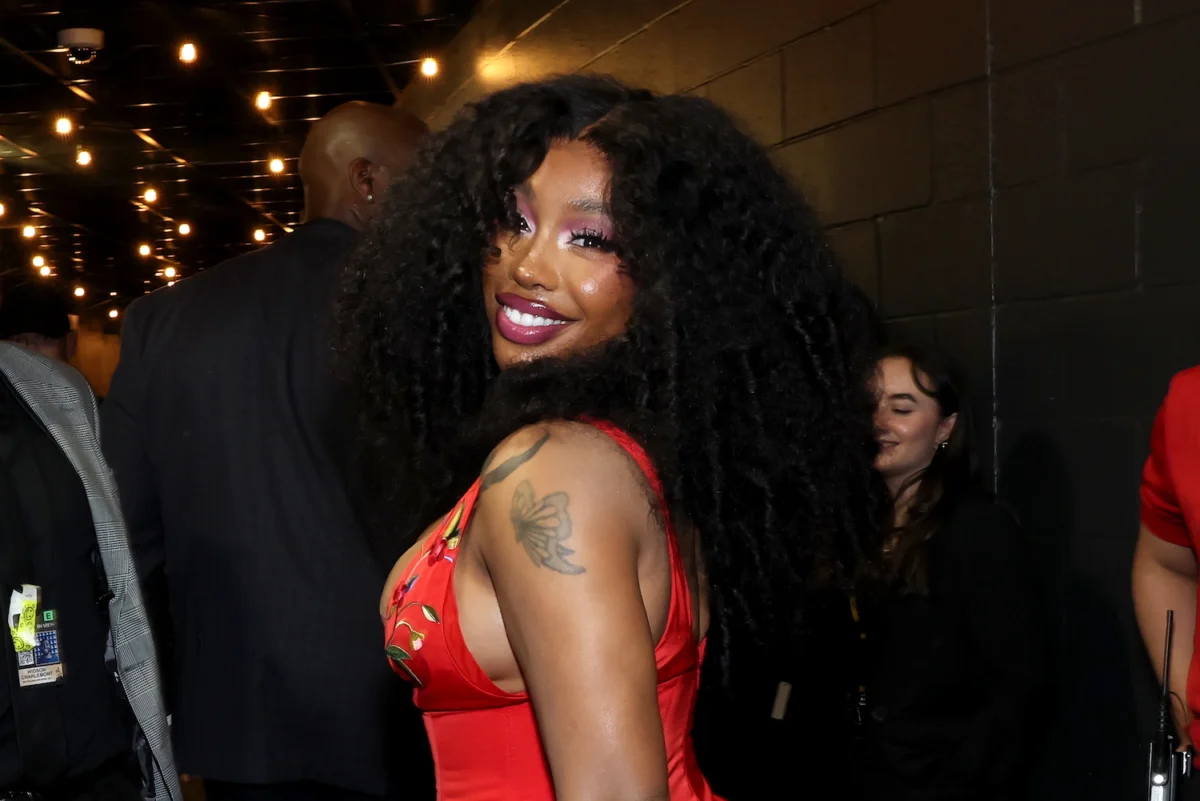
Among the myriad participants in the "Iris" TikTok trend, the engagement of acclaimed R&B and neo-soul artist SZA stands out as particularly significant. SZA, known for her introspective lyrics, genre-bending sound, and powerful vocal delivery, brought her unique artistic sensibility to the viral phenomenon. Instead of merely using the original Goo Goo Dolls track for her compilation of childhood photos, SZA unveiled her own cover of "Iris," reimagining the rock ballad through a distinct trap-pop lens. This decision to create and utilize her own rendition injected a fresh layer of artistic depth into the trend. Her version, characterized by a contemporary beat and her signature melodic phrasing, transforms the original’s raw acoustic vulnerability into something more atmospheric and rhythmically driven, yet still retaining the emotional core.
SZA initially teased her "deep fried goo goo doll tease," as she playfully described it, on her private Instagram account. This initial sharing built anticipation among her dedicated fanbase. Following this, she released a full minute of her "Iris" audio on her public Instagram, allowing a broader audience to experience her interpretation. In her accompanying caption, SZA articulated her motivation, stating, "Trend had me so cooked I couldn’t stop singing it so I made my own deep fried goo goo doll tease." This candid comment highlights the infectious nature of the trend and her personal connection to the song, driving her creative impulse to reinterpret it. The Goo Goo Dolls themselves, via their official band account, publicly acknowledged SZA’s cover, responding with heart emojis – a clear indication of their appreciation and endorsement of her fresh take on their classic. This interaction between the original artists and a contemporary icon further validates the ongoing cultural relevance of "Iris" and showcases a spirit of mutual respect across musical generations and genres. SZA’s cover, while distinctly modern and infused with her own artistic identity, paradoxically reinforces the enduring appeal of the original composition, demonstrating its versatility and timeless melodic structure. It also aligns with her previously stated appreciation for ’90s mainstream rock hits, indicating a genuine artistic connection rather than a purely trend-driven opportunism.
A Spectrum of Contemporary Interpretations: MGK, Sombr, and Steve Aoki
SZA’s cover is not an isolated incident in the recent wave of "Iris" reinterpretations. The song’s enduring appeal has prompted a diverse array of artists to offer their own renditions, further contributing to its current ubiquity. Last year, rapper and rock musician Machine Gun Kelly (MGK) released a studio cover of "Iris." Known for his genre-fluid approach that often blends hip-hop with pop-punk and alternative rock, MGK’s version brought a grittier, more contemporary rock edge to the ballad, appealing to his dedicated fanbase while introducing the song to listeners primarily familiar with his work. Earlier this year, another artist, Sombr, also released a cover, adding to the growing catalogue of modern interpretations.
Perhaps the most genre-bending reimagining prior to SZA’s came from renowned DJ and electronic music producer Steve Aoki, who unveiled a remix of "Iris." Aoki, celebrated for his high-energy electronic dance music (EDM) tracks and live performances, transformed the melancholic ballad into an upbeat, club-ready anthem. His remix showcased the song’s inherent melodic strength, demonstrating its adaptability to vastly different musical contexts and its capacity to ignite dancefloors as effectively as it evokes introspection. These varied covers and remixes – from rock to electronic to trap-pop – collectively underscore the universal appeal of "Iris." They serve not only as tributes to the original but also as conduits, introducing the song to entirely new demographics who might otherwise not encounter a 1998 rock ballad.
The Enduring Legacy of the Goo Goo Dolls: Beyond the Hit
While "Iris" remains their most globally recognized song, the Goo Goo Dolls’ career extends far beyond this single hit. Formed in Buffalo, New York, in 1986, the band, comprising John Rzeznik and Robby Takac, cultivated a distinctive sound that evolved from punk rock roots to a more polished, melodic alternative rock. Their discography boasts other significant hits such as "Name," "Slide," "Broadway," and "Better Days," solidifying their status as a mainstay of alternative and adult contemporary radio throughout the late 1990s and 2000s. Their enduring appeal is a testament to their consistent songwriting and captivating live performances.
Even amidst the viral resurgence of "Iris" through new covers and social media trends, the Goo Goo Dolls remain actively engaged in their musical career. The band continues to tour extensively, performing their catalog of hits to devoted fans across the globe. Their ongoing commitment to live music is evident in current tour offerings, such as an "Iris’ Front Row VIP Experience" for an upcoming gig in Lincoln, CA. This exclusive package, which includes a meet-and-greet with the band and a commemorative drinkware item, highlights their continued connection with their fanbase and the iconic status of "Iris" within their live shows. The band’s sustained presence in the music industry, coupled with the renewed interest in their most famous track, paints a picture of a legacy that continues to grow and adapt, proving that true artistry can withstand the test of time and evolving media landscapes.
Broader Industry Implications: Catalog Music, Social Media, and Nostalgia
The current resurgence of "Iris" is not merely an isolated cultural phenomenon but a potent illustration of several broader trends within the contemporary music industry. Firstly, it underscores the increasing economic value of catalog music. Older tracks, often referred to as "catalog" or "legacy" assets, are proving to be immensely valuable in the streaming era, generating consistent revenue and offering fertile ground for new interpretations. When a song like "Iris" experiences a viral moment, its streaming numbers typically surge across all platforms, benefiting the original artists, songwriters, and rights holders. This phenomenon incentivizes labels and publishers to actively promote and license their catalog, recognizing the potential for unexpected revenue spikes.
Secondly, the episode highlights the transformative power of social media, particularly TikTok, as a discovery and rediscovery engine for music. Unlike traditional radio or MTV, which curated music for mass consumption, TikTok operates on an algorithmic, user-driven model that can elevate any song, regardless of its release date or genre, into mainstream consciousness. This democratic nature of discovery means that artists and their teams must increasingly monitor and engage with these platforms, understanding that a viral moment can dramatically alter a song’s trajectory.
Finally, the "Iris" trend speaks to the enduring power of nostalgia, particularly for the 1990s. This decade holds a special place in collective memory, often romanticized for its distinct fashion, pop culture, and music. Trends that tap into this wellspring of nostalgia resonate deeply with both those who lived through the era and younger generations who are discovering its aesthetics and sounds for the first time. The blend of a classic ’90s track with contemporary social media behavior creates a powerful cross-generational appeal, bridging cultural divides and fostering shared experiences. SZA’s cover, in particular, exemplifies how artists can engage with this nostalgia not just by passively participating, but by actively reinterpreting and injecting new life into beloved classics, thereby contributing to their ongoing evolution and relevance. The story of "Iris" in 2024 is a compelling narrative about how a timeless song, when touched by the currents of digital culture and artistic innovation, can continue to captivate, connect, and thrive.
