

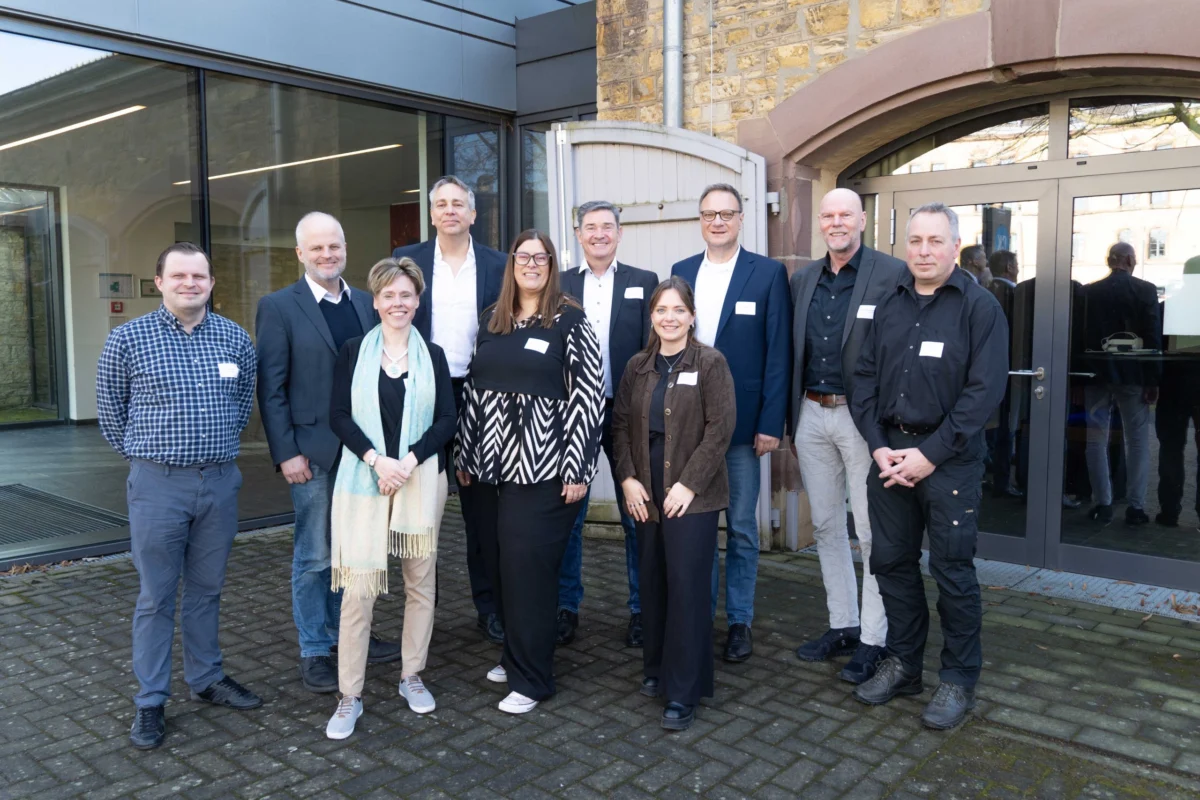
The escalating frequency and intensity of extreme weather events across Central Europe have placed the German event industry at a critical crossroads, necessitating a fundamental shift from reactive crisis management to proactive climate adaptation. As climate change continues to manifest through record-breaking heatwaves, localized flash flooding, and severe convective storms, the traditional models of planning public gatherings are increasingly proving inadequate. Recognizing this urgent need for a systematic approach to event safety and sustainability, a collaborative research initiative involving the Osnabrück University of Applied Sciences, the University of Osnabrück, and the municipality of Bad Essen has concluded a landmark three-year study titled "KlimaEvent." This project, funded by the Federal Ministry for the Environment, Nature Conservation, Nuclear Safety, and Consumer Protection (BMUV), has produced a comprehensive framework designed to safeguard the future of communal celebrations, trade fairs, and cultural festivals against the backdrop of a warming planet.
The Economic and Social Imperative for Climate Adaptation
The event industry serves as a cornerstone of the German economy and a vital component of the nation’s social fabric. According to industry data, the sector employs approximately 1.5 million people and generates an annual turnover of roughly 130 billion euros. From large-scale international trade fairs in cities like Berlin and Frankfurt to traditional communal festivals in rural districts, events act as catalysts for tourism, regional development, and community cohesion. However, this sector is uniquely vulnerable to meteorological fluctuations. Unlike manufacturing, which often takes place in controlled indoor environments, the event industry relies heavily on outdoor infrastructure, temporary structures, and the reliable movement of large crowds.
Prof. Dr. Kai Michael Griese, Professor of Business Administration and Marketing Management at the Osnabrück University of Applied Sciences, emphasizes that while the industry is aware of the threat, it has been slow to institutionalize adaptation strategies. "The event industry is of great economic importance, but it is still at the beginning when it comes to climate adaptation," Griese noted during the project’s final presentation at the Caprivi Campus. He observed that many organizers currently operate on a "damage-control" basis, implementing measures only after an incident has occurred. The "KlimaEvent" project seeks to reverse this trend by integrating climate risk assessment into the very earliest stages of the planning cycle, ensuring that resilience is built into the event’s DNA rather than added as an afterthought.
Chronology of the KlimaEvent Project and Methodology
The "KlimaEvent" project was launched in early 2023, following a series of devastating weather-related disruptions to German public life. Over its three-year duration, the research team employed a multi-methodological approach to bridge the gap between academic theory and practical application. The project was structured into several distinct phases:
- Risk Identification and Stakeholder Mapping: The initial phase involved identifying the primary meteorological threats facing different types of events. Researchers mapped the stakeholder landscape, including local authorities, private organizers, technical service providers, and emergency responders.
- Case Study Analysis (Bad Essen): To ground the research in reality, the team utilized the "Historischer Markt" (Historical Market) in Bad Essen as a living laboratory. This event, which draws over 50,000 visitors annually, provided a complex environment involving heritage architecture, temporary stalls, and high visitor density.
- Data Collection and Surveys: The team conducted extensive interviews and workshops with exhibitors, technicians, and visitors. These surveys aimed to quantify the perception of risk versus the actual implementation of safety measures.
- Tool Development: Based on the collected data, the researchers developed a suite of digital tools, including checklists and risk analysis matrices, tailored specifically for event organizers.
- Dissemination and Knowledge Transfer: The final phase, concluded in March 2026, focused on making these findings accessible to the public via a dedicated online portal.
Case Study Analysis: The Historischer Markt in Bad Essen
The choice of Bad Essen as a primary research site was strategic. The "Historischer Markt" represents a typical high-stakes communal event where tradition meets modern logistics. The research revealed a significant disparity between perceived risks and actual preparedness. Prof. Dr. Martin Franz, Professor of Human Geography at the University of Osnabrück, highlighted that different weather phenomena affect different groups in varied ways. While heatwaves pose a severe health risk to staff working in food stalls or technical booths, wind gusts and heavy rain are viewed as the primary threats to physical infrastructure and visitor safety.
The survey data from the Bad Essen study provided startling insights: approximately 55 percent of exhibitors identified wind gusts or storms as their greatest concern. Despite this high level of awareness, only about one-third of the participants had implemented concrete protective measures, such as reinforced anchoring for tents or documented emergency evacuation protocols. This "preparedness gap" is one of the primary challenges the "KlimaEvent" recommendations aim to solve.
Technical Framework for Climate-Resilient Events
The culmination of the project is the launch of the web platform, www.klima-event.de, which serves as a central repository for climate adaptation knowledge. The platform provides organizers with actionable intelligence categorized by weather type:
Heat Mitigation Strategies
Heatwaves are no longer an anomaly in Germany; they are a recurring summer reality. The "KlimaEvent" guidelines suggest that organizers must move beyond simply providing water. Recommendations include the creation of "cool zones" using misting systems or shaded areas, the adjustment of event schedules to avoid peak solar radiation, and the implementation of specific occupational safety protocols for staff. The research suggests that "wet-bulb temperature" (a measure that accounts for both heat and humidity) should be monitored to determine when physical activity becomes dangerous for attendees.
Storm and Wind Safety
Temporary structures, such as stages, LED screens, and marquees, are highly susceptible to wind loads. The project provides clear threshold values and warning levels. For instance, the guidelines recommend a tiered response: at certain wind speeds (measured in meters per second), specific actions must be triggered, such as lowering high-altitude equipment or, in extreme cases, clearing the site. The importance of clear communication channels between weather monitoring services and on-site safety officers is emphasized as a critical failure point in past events.
Heavy Rain and Flash Flood Management
Localized heavy rain (Starkregen) can turn an event site into a hazard within minutes. The "KlimaEvent" framework advises on soil saturation monitoring and the strategic placement of electrical infrastructure to prevent short circuits or electrocution risks. Furthermore, it provides checklists for "drainage management," ensuring that temporary flooring does not impede natural water runoff or cause pooling in high-traffic areas.
Official Responses and Collaborative Impact
The project’s success is attributed to its broad coalition of partners. Timo Natemeyer, the Mayor of Bad Essen, expressed his gratitude for the practical nature of the research. He noted that for a municipality, the systematic risk analysis provided by the universities offered "new perspectives on possible dangers and adaptation measures" that were previously overlooked, particularly in the realms of infrastructure and crisis communication.
The GCB German Convention Bureau e.V., the Osnabrück District, and the Wittlager Land Regional Management also played pivotal roles in ensuring the research remained relevant to the broader industry. The involvement of the GCB ensures that the findings will reach the professional meetings and incentives (MICE) sector, which operates on a global scale.
The funding of approximately 122,000 euros from the Federal Ministry (BMUV) underscores the national importance of this work. It aligns with the German Strategy for Adaptation to Climate Change (DAS), which seeks to reduce the vulnerability of various economic sectors to climate impacts.
Analysis of Implications: The Future of Event Insurance and Liability
The findings of the "KlimaEvent" project carry significant implications for the legal and financial aspects of event management. As climate risks become more predictable, the legal standard for "due diligence" is likely to rise. Organizers who fail to utilize available climate adaptation tools may find themselves facing increased liability in the event of an accident.
Furthermore, the insurance industry is closely monitoring these developments. Event cancellation insurance premiums are rising as weather-related claims increase. By demonstrating a systematic approach to risk mitigation through the "KlimaEvent" framework, organizers may be able to negotiate more favorable insurance terms, as they can prove a lower risk profile through documented adaptation strategies.
The Next Frontier: Virtual Simulations and AI
The conclusion of the initial "KlimaEvent" project does not mark the end of the research. The team has already announced a follow-up project that will utilize cutting-edge technology to further refine event safety. The "Historischer Markt" in Bad Essen will be recreated as a "Digital Twin" in a virtual environment.
This virtual simulation will allow researchers and organizers to run "what-if" scenarios, testing the effectiveness of different adaptation measures against simulated extreme weather events. These virtual "planspiele" (simulations) will provide a safe space to train staff and emergency responders, ensuring that when a real-world storm or heatwave hits, the response is instinctive and data-driven. This integration of artificial intelligence and spatial modeling represents the next frontier in making the German event industry truly climate-resilient.
By providing a bridge between scientific climate projections and the logistical realities of the event floor, the "KlimaEvent" project has established a blueprint that will likely be adopted far beyond the borders of Osnabrück. In an era of environmental uncertainty, such proactive research is the only way to ensure that the "show goes on" safely for everyone involved.
