

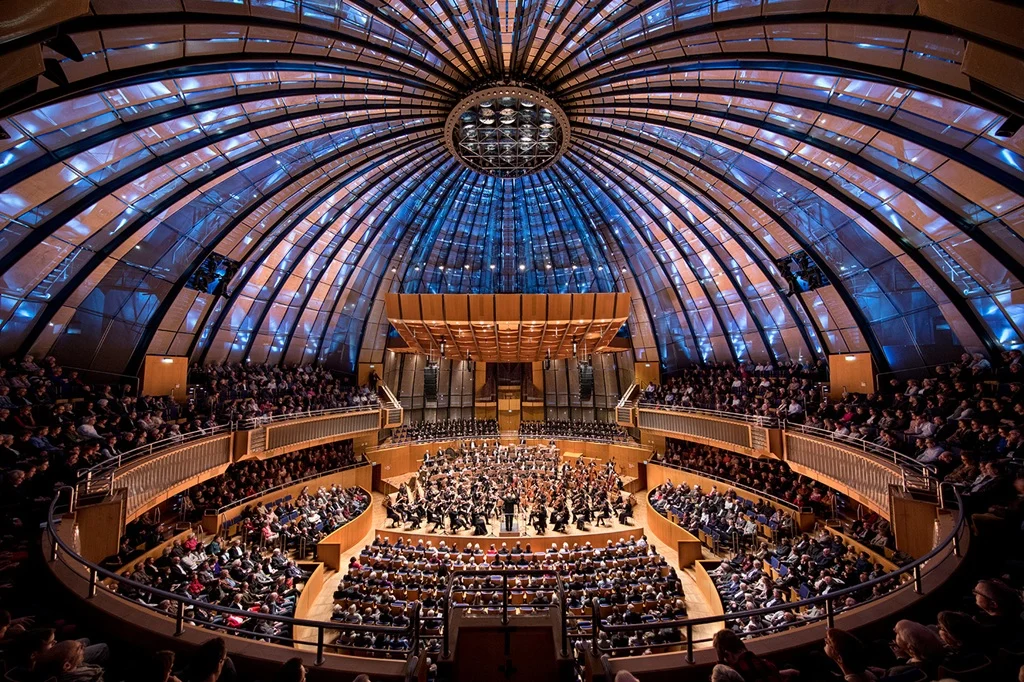
The Tonhalle Düsseldorf, widely recognized as one of Germany’s most architecturally significant and acoustically challenging concert venues, has successfully completed a comprehensive overhaul of its electroacoustic infrastructure. This ambitious modernization project was designed to address the unique physical constraints of the historic building while providing a versatile, state-of-the-art acoustic environment capable of hosting a diverse array of performance formats. Located prominently on the banks of the Rhine, the Tonhalle serves as the primary home for the Düsseldorf Symphony Orchestra and continues to be a cornerstone of the North Rhine-Westphalian cultural landscape. The recent technical upgrades ensure that this "Planetarium of Music"—a nickname derived from its original 1926 purpose—remains at the forefront of global acoustic innovation.
Historical Evolution of the Planetarium of Music
The story of the Tonhalle is one of architectural reinvention. Originally commissioned by the City of Düsseldorf and designed by the renowned architect Wilhelm Kreis, the building opened in 1926 as the "Rheinhalle," intended to serve as the world’s largest planetarium. Its massive dome, a triumph of Expressionist architecture, was designed to symbolize the celestial vault. However, the very features that made it an ideal planetarium—namely its spherical geometry—presented significant hurdles for musical performances. Following severe damage during World War II and a subsequent period of use as a multipurpose hall, the building was extensively renovated in the late 1970s to become a dedicated concert hall.
The 1978 conversion, led by architect Helmut Hentrich, sought to tame the dome’s natural tendency to focus sound into "hot spots" while leaving other areas of the auditorium in acoustic shadows. To achieve this, a complex system of acoustic "clouds" and deflectors was suspended from the ceiling. Despite these physical interventions, the hall’s natural reverberation time remained somewhat inflexible, prompting the installation of the first electronic enhancement system in 2005. While groundbreaking at the time, two decades of technological advancement eventually rendered that system obsolete, leading to the current initiative to implement a more sophisticated, digital solution.
The Challenge of Spherical Architecture
From an acoustic perspective, a dome is one of the most difficult shapes to manage. Sound waves reflecting off a curved surface tend to converge at a central focal point, leading to uneven sound distribution and distracting echoes. In the Tonhalle, the goal of the recent renovation was not merely to amplify sound, but to "sculpt" it. The objective was to control early reflections with surgical precision, ensuring that every seat in the 1,854-capacity auditorium experiences the same level of clarity and tonal warmth.
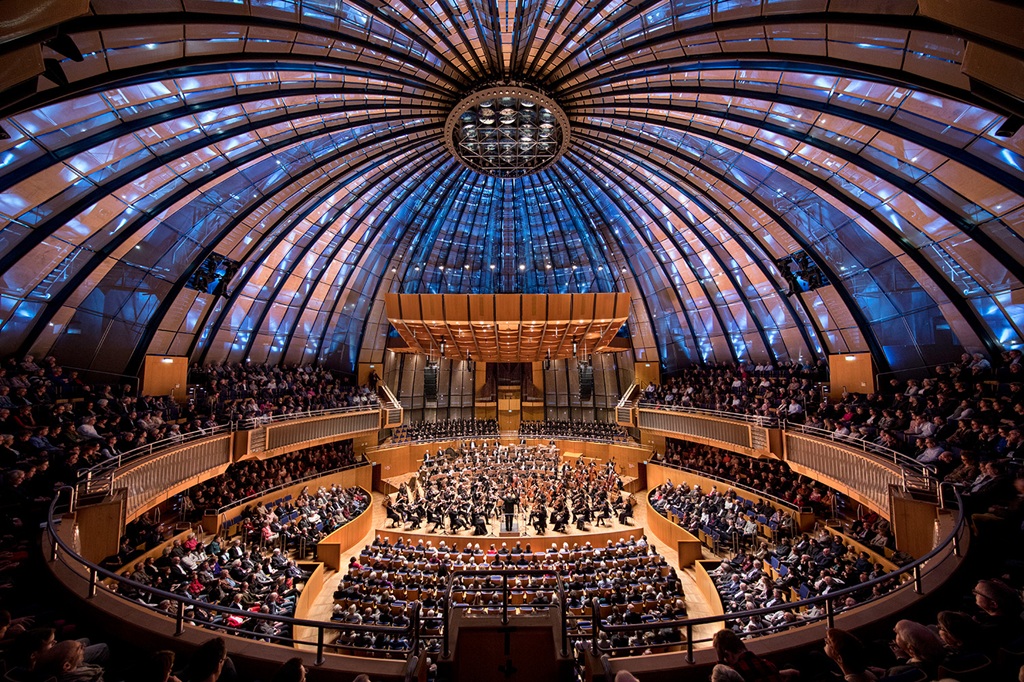
The project required a delicate balance between the building’s status as a protected historical monument and the demands of modern high-fidelity audio. Any new technology had to be integrated seamlessly into the existing structure, respecting the visual integrity of the iconic blue dome, which is now illuminated by a sophisticated LED system that mimics a starlit sky. The challenge was compounded by the need for the hall to remain a multipurpose venue, hosting everything from intimate chamber music and massive symphonic works to jazz, pop, and spoken-word events.
Collaborative Planning and Technical Execution
The modernization was the result of a multi-stage collaboration between some of the most respected names in acoustic engineering and stage technology. The acoustic planning was spearheaded by Peutz Consult, a firm with a deep historical connection to the venue, having been involved in the implementation of the previous system. Their task was to conduct rigorous acoustic measurements and define the parameters for the new installation.
Parallel to the acoustic design, Jürgen Meyer of Kottke Bühnenplanung GmbH was tasked with auditing the existing electroacoustic infrastructure and drafting the technical specifications for a public tender. This phase involved determining which components of the legacy system could be salvaged and which required replacement. After a competitive selection process, the contract for implementation was awarded to Thomann GmbH, one of Europe’s largest musical instrument and pro-audio retailers, with Amadeus Acoustics serving as the primary system provider.
Implementing the Amadeus ART Platform
At the heart of the new installation is the ART (Acoustic Response Technology) platform by Amadeus Acoustics. This system represents the cutting edge of active acoustics, utilizing digital signal processing to alter the perceived physical properties of the room. The hardware core consists of the ART:Hub2 and the ART::AP (Active Acoustics Performance) module.
The system functions by capturing the natural sound produced on stage through a network of 64 high-sensitivity microphones. This signal is then processed in real-time and redistributed through 96 strategically placed loudspeakers. By adjusting the timing and intensity of these redistributed reflections, the system can artificially extend the hall’s reverberation time or enhance the spatial depth of the soundstage.

In a move toward sustainability and fiscal responsibility, the project team successfully integrated a significant portion of the hall’s existing infrastructure. While the microphones and speakers were largely retained, they were augmented with brand-new power amplifiers and high-end microphone preamplifiers to ensure a signal chain of the highest possible quality. This hybrid approach allowed the project to achieve maximum performance gains while minimizing the environmental impact and cost associated with a total hardware replacement.
Specialized Presets and Versatile Performance Modes
One of the primary advantages of the Amadeus system is its flexibility. The Tonhalle can now be "tuned" at the touch of a button to suit the specific requirements of a performance. Several specialized presets have been developed and fine-tuned during extensive rehearsal periods:
- Symphonic Mode: Optimized for the Düsseldorf Symphony Orchestra, this setting provides a lush, enveloping reverberation that supports the rich textures of Romantic and Modernist orchestral works.
- Chamber and Recital Mode: Focuses on clarity and intimacy, ensuring that the subtle nuances of a solo violin or a string quartet are audible in the furthest rows of the gallery.
- Sacred Music Mode: Emulates the long, lingering decay times characteristic of a large cathedral, providing the necessary acoustic backdrop for choral and organ works.
- Immersive 3D Audio: A dedicated mode for contemporary electronic and experimental music that allows sound to be moved dynamically through the space without the use of active acoustic enhancement.
- Voice-Lift System: A critical feature for lectures and moderated concerts, the Voice-Lift technology improves speech intelligibility without the "unnatural" feel of a traditional public address system. It subtly boosts the spoken word, making it feel as though the speaker is projecting naturally across the entire hall.
Impact on Musicians and the Audience
Early feedback from the resident Düsseldorf Symphony Orchestra and visiting conductors has been overwhelmingly positive. For musicians, the ability to hear one another clearly on stage is paramount to a cohesive performance. The new system improves "ensemble hearing," allowing orchestral sections to synchronize more effectively.
For the audience, the upgrade translates into a more "immersive" experience. The spatial depth provided by the Amadeus ART platform creates a sense of being "inside" the music rather than merely observing it from a distance. The improved clarity in the high-frequency range and the more defined bass response have also been noted by regular concertgoers, who describe the new sound as more transparent and emotionally engaging.
Broader Implications for Modern Concert Hall Design
The successful modernization of the Tonhalle Düsseldorf serves as a landmark case study for the integration of active acoustics in historic venues. As the cost of building new, acoustically perfect concert halls continues to rise, many cities are looking toward digital solutions to revitalize existing structures.
The project demonstrates that technology does not have to be an "artificial" layer that masks the character of a building. Instead, when implemented with the expertise of firms like Peutz Consult and Amadeus Acoustics, it can act as a corrective tool that unlocks the latent potential of a space. By solving the geometric problems of the 1926 dome through 21st-century software, the Tonhalle has secured its future as a premier destination for world-class music.
Conclusion and Future Outlook
The renovation of the Tonhalle Düsseldorf’s electroacoustic system marks the beginning of a new chapter for the "Planetarium of Music." With its new infrastructure, the venue is no longer limited by its physical dimensions or its history as a celestial theater. It has become a truly "smart" concert hall, capable of adapting to the ever-evolving demands of the global performing arts scene.
As the 100th anniversary of the building approaches in 2026, the City of Düsseldorf can take pride in a facility that honors its architectural heritage while embracing the possibilities of the digital age. The collaboration between planners, technicians, and musicians has resulted in a venue where the stars in the dome are now matched by the stellar quality of the sound below. The Tonhalle stands as a testament to the idea that with the right technology and vision, even the most challenging architectural spaces can be transformed into perfect vessels for the art of sound.
