

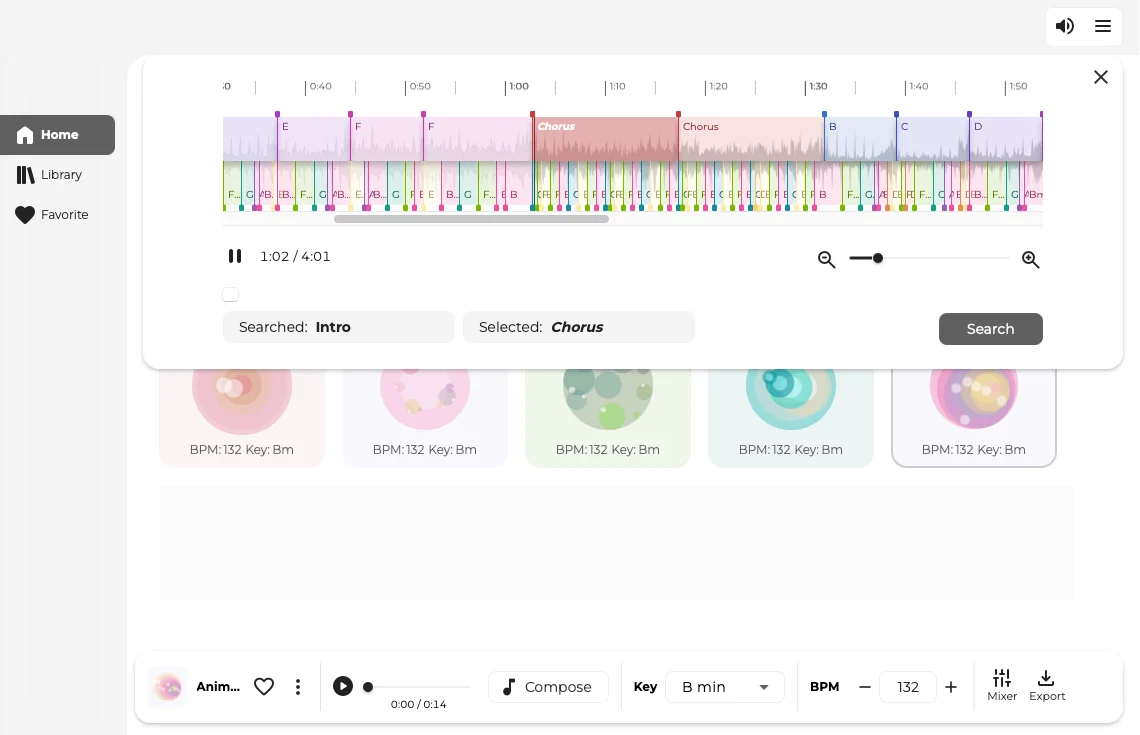
Roland Corporation, a global leader in electronic musical instruments and professional video equipment, has officially unveiled Melody Flip, a sophisticated artificial intelligence-powered application designed to revolutionize the melodic composition process. Developed in a strategic partnership with Sony Computer Science Laboratories (Sony CSL), the software represents a significant leap in the integration of generative technology within the music production ecosystem. The application is designed to function as a collaborative partner rather than a replacement for human artistry, adhering to a philosophy that Roland describes as the "amplification" of human intent, taste, and creativity. By utilizing advanced machine learning algorithms to analyze existing audio data, Melody Flip offers musicians a streamlined method for generating, refining, and iterating upon melodic ideas, aiming to eliminate the creative hurdles often associated with the initial stages of songwriting.
The announcement marks a pivotal moment in the ongoing evolution of music technology, signaling a shift from traditional digital signal processing toward more intuitive, content-aware tools. Melody Flip is scheduled for a global release via the Roland Cloud Manager platform in May 2026, with pricing structures to be disclosed closer to the launch date. The tool is engineered to support both macOS and Windows environments, ensuring compatibility with the industry’s leading Digital Audio Workstations (DAWs) through standard plug-in formats.
Technical Framework and the Core Functionality of Melody Flip
At the heart of Melody Flip lies a sophisticated analysis engine derived from Sony CSL’s extensive research into AI-assisted music creation. The workflow begins when a user imports an audio file into the application. The AI then performs a comprehensive "DNA analysis" of the track, deconstructing it into its fundamental musical components. This includes the identification of the structural layout, beats per minute (BPM), precise beat positions, musical key, chord progressions, genre classifications, and the overall emotional mood of the piece.
Once the analysis is complete, Melody Flip cross-references the extracted data with a curated library of approximately 300 "creative palettes." These palettes are not merely presets but are defined musical styles and tonal directions that guide the AI in generating complementary melodic content. The software then proposes a series of melodic variations that align with the rhythmic and harmonic constraints of the original audio.
The user interface is designed to facilitate a high degree of "human-in-the-loop" interaction. Creators are not limited to accepting the AI’s initial suggestions; instead, the tool provides a suite of editing functions that allow for the "chopping," tweaking, and complete rebuilding of generated sequences. This iterative process ensures that the final output remains a reflection of the artist’s personal aesthetic and creative choices. Furthermore, the application assists in visualizing song structures and harmonic relationships, providing a pedagogical benefit by helping producers better understand the underlying theory of their own compositions.
The Strategic Partnership Between Roland and Sony CSL
The collaboration between Roland and Sony CSL brings together two of the most influential entities in Japanese technology and music research. Sony CSL has long been at the forefront of AI research, particularly through its Music Intelligence team, which has previously explored algorithmic composition and assistive creative tools. By merging Sony’s computational expertise with Roland’s deep-seated understanding of instrument design and user experience, the two companies aim to set a new standard for ethical and effective AI in the arts.
Industry observers note that this partnership is a response to the growing demand for tools that leverage generative AI without infringing on the copyright of artists or devaluing the role of the performer. Roland’s leadership has been vocal about their commitment to an "artist-first" approach. In official statements accompanying the announcement, the corporation emphasized that Melody Flip is built to serve the creator’s vision. The AI acts as a catalyst—a digital "sparring partner" that can provide inspiration when a producer encounters a creative block, but the final decision-making power remains firmly in the hands of the human user.

Historical Context and the Evolution of Generative Music Tools
To understand the significance of Melody Flip, it is necessary to examine the historical trajectory of music technology. For decades, Roland has pioneered innovations that changed the sound of modern music, from the iconic TR-808 rhythm machine to the development of the MIDI (Musical Instrument Digital Interface) standard in the early 1980s. Each of these milestones provided musicians with new ways to interact with sound, often leading to the birth of entirely new genres.
The move toward AI is the logical next step in this chronology. In the early 2000s, algorithmic composition tools began to emerge, but they often lacked the nuance required for professional production. The last decade has seen the rise of "intelligent" plug-ins for mixing and mastering, which use machine learning to automate technical tasks like equalization and compression. Melody Flip represents a move from the technical domain into the creative domain, tackling the more abstract challenge of melody and harmony.
The timeline of this release is also significant. Set for May 2026, the launch follows a period of intense debate within the music industry regarding the use of Large Language Models (LLMs) and generative audio models trained on copyrighted material. By focusing on a tool that analyzes the user’s own audio to generate suggestions within a closed library of "creative palettes," Roland and Sony CSL appear to be navigating a middle ground that prioritizes creative utility while respecting the integrity of the musical craft.
Supporting Data and Market Trends in AI Music Production
The introduction of Melody Flip coincides with a period of rapid growth in the AI music market. According to recent industry reports, the global market for AI in music is projected to grow at a compound annual growth rate (CAGR) of over 25% through 2030. This growth is driven by the increasing accessibility of high-performance computing and the rising number of independent content creators who require efficient workflows to compete in a saturated digital landscape.
Data suggests that "bedroom producers" and independent artists now make up a significant portion of Roland’s customer base. For these users, time is a critical resource. Tools like Melody Flip that can automate the "visual understanding" of a song—such as identifying chord progressions and structural markers—provide a massive efficiency boost. In a survey of digital music creators conducted in late 2024, approximately 68% of respondents indicated that they were likely to integrate AI tools into their workflow if those tools offered better control over the final creative output compared to "black box" generative systems.
Seamless Integration and Professional Workflow Implications
Melody Flip is designed to fit into the professional environment without friction. The application’s ability to export generated content as both audio and MIDI files is a crucial feature for professional producers. MIDI export, in particular, allows users to take the melodic skeletons generated by Melody Flip and route them through their own collection of virtual instruments, hardware synthesizers, or orchestral libraries.
The plug-in’s compatibility with standard DAWs—such as Ableton Live, Logic Pro, FL Studio, and Pro Tools—means that it can be used within the context of a larger project. A producer might import a vocal stem or a drum loop, use Melody Flip to generate a complementary bassline or synth lead, and then immediately drag that MIDI data into their timeline for further arrangement. This seamless transition between AI suggestion and manual editing is what Roland identifies as the "new kind of production workflow."

Broader Implications for the Music Industry and Education
The launch of Melody Flip is expected to have far-reaching implications beyond the recording studio. In the realm of music education, the tool’s ability to visualize song structures and key signatures could serve as a valuable teaching aid, helping students grasp complex music theory concepts through the lens of modern production. By deconstructing their favorite tracks, students can see the "musical DNA" that makes a song successful.
However, the rise of such tools also prompts a discussion about the future of traditional songwriting skills. Critics of AI in music often argue that an over-reliance on assistive technology could lead to a homogenization of sound. Roland and Sony CSL address this concern by providing 300 diverse palettes and a high degree of manual control, encouraging users to push the boundaries of the AI rather than simply accepting its first suggestion.
From a commercial perspective, Melody Flip strengthens the value proposition of the Roland Cloud subscription service. By continuously adding high-value, AI-driven tools to the platform, Roland ensures that its ecosystem remains indispensable to modern creators. This strategy mirrors the broader tech industry’s shift toward "Software as a Service" (SaaS), providing a steady stream of updates and new features to subscribers.
Conclusion and Future Outlook
As the music industry looks toward the late 2020s, the role of artificial intelligence is becoming increasingly defined not as a replacement for the artist, but as a sophisticated extension of the artist’s toolkit. Roland’s Melody Flip stands as a testament to this vision. By combining the analytical power of Sony CSL’s AI with Roland’s legacy of musical excellence, the application offers a glimpse into a future where technology and human creativity exist in a symbiotic relationship.
The industry will be watching closely when Melody Flip debuts in May 2026. Its success will likely be measured not just by its technical capabilities, but by how effectively it empowers musicians to break through creative barriers and bring new sounds to the world. As the boundaries between software and instrument continue to blur, Roland and Sony CSL are positioning themselves at the forefront of a movement that celebrates the enduring importance of human taste in an increasingly automated world.
