

The global professional audio landscape has long been dominated by standardized line-array configurations, yet the arrival of the Funktion-One VX90 marks a significant technological pivot for the touring and high-end installation sectors. Developed by the Surrey-based engineering team led by industry pioneers Tony Andrews and John Newsham, the VX90—part of the Vero VX series—represents the culmination of five decades of acoustic research. While many manufacturers have moved toward heavy digital signal processing (DSP) to correct acoustic deficiencies, the VX90 adheres to a philosophy of "acoustic first" design, emphasizing high sensitivity, horn-loading, and minimal electronic intervention. Since its strategic placement in the German-speaking market through early adopters like Barowski AG and Nspire GmbH, the system has begun to challenge the status quo of modern sound reinforcement.
A Legacy of Acoustic Innovation: From Turbosound to Funktion-One
To understand the significance of the VX90, one must examine the chronology of its creators. The lineage begins in 1970 with the founding of Turbosound by Tony Andrews and John Newsham. Their work during the 1970s and 1980s redefined festival sound, moving away from the "wall of speakers" approach toward more coherent, horn-loaded systems like the legendary Flashlight and Floodlight series. In 1992, seeking to further refine their purist acoustic philosophy, the duo founded Funktion-One.
For thirty years, Funktion-One became synonymous with the global electronic dance music (EDM) and club scene, valued for its ability to deliver high-intensity sound with extreme clarity and low distortion. However, the touring market remained a secondary focus until 2016, when the company launched the Vero—a large-format hybrid vertical array system. The Vero was designed for stadiums and massive festivals, but the industry demanded a more versatile, compact solution. This led to the development of the Vero VX series, with the VX90 serving as the flagship mid-sized component. Although first previewed in 2019, the global pandemic delayed its widespread deployment, making its 2023 market penetration feel like a fresh, high-impact debut.
Technical Specifications and the Philosophy of Sensitivity
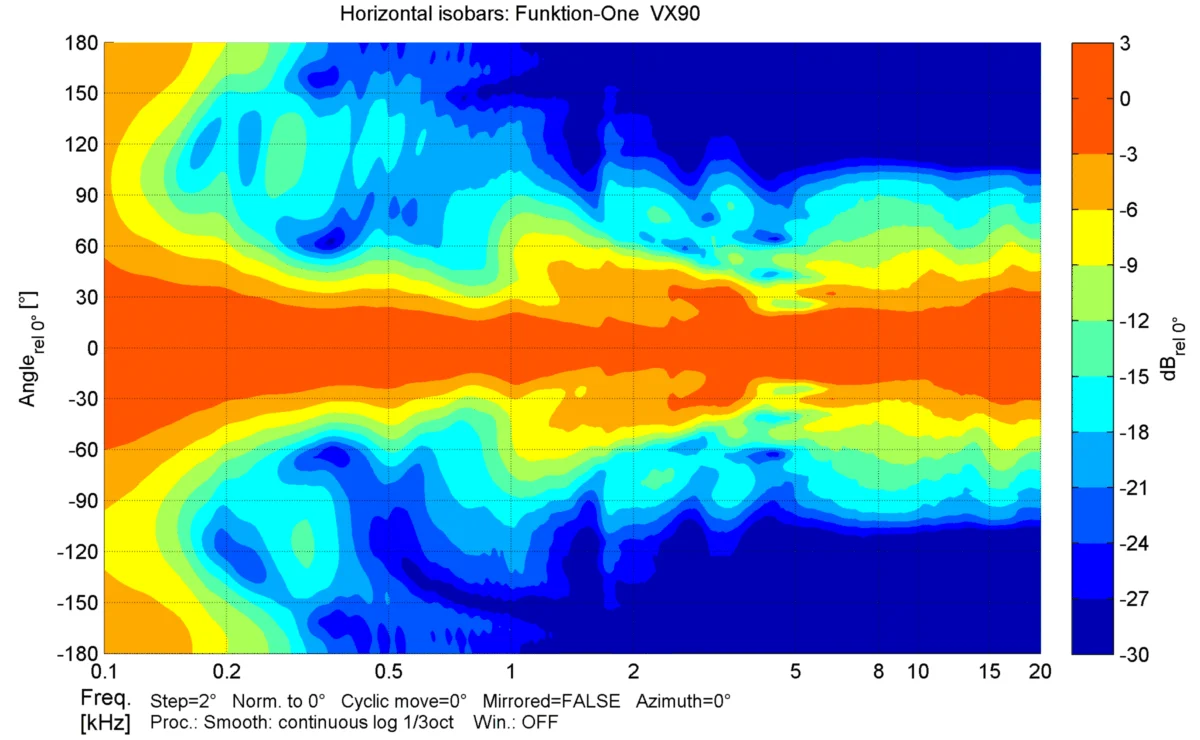
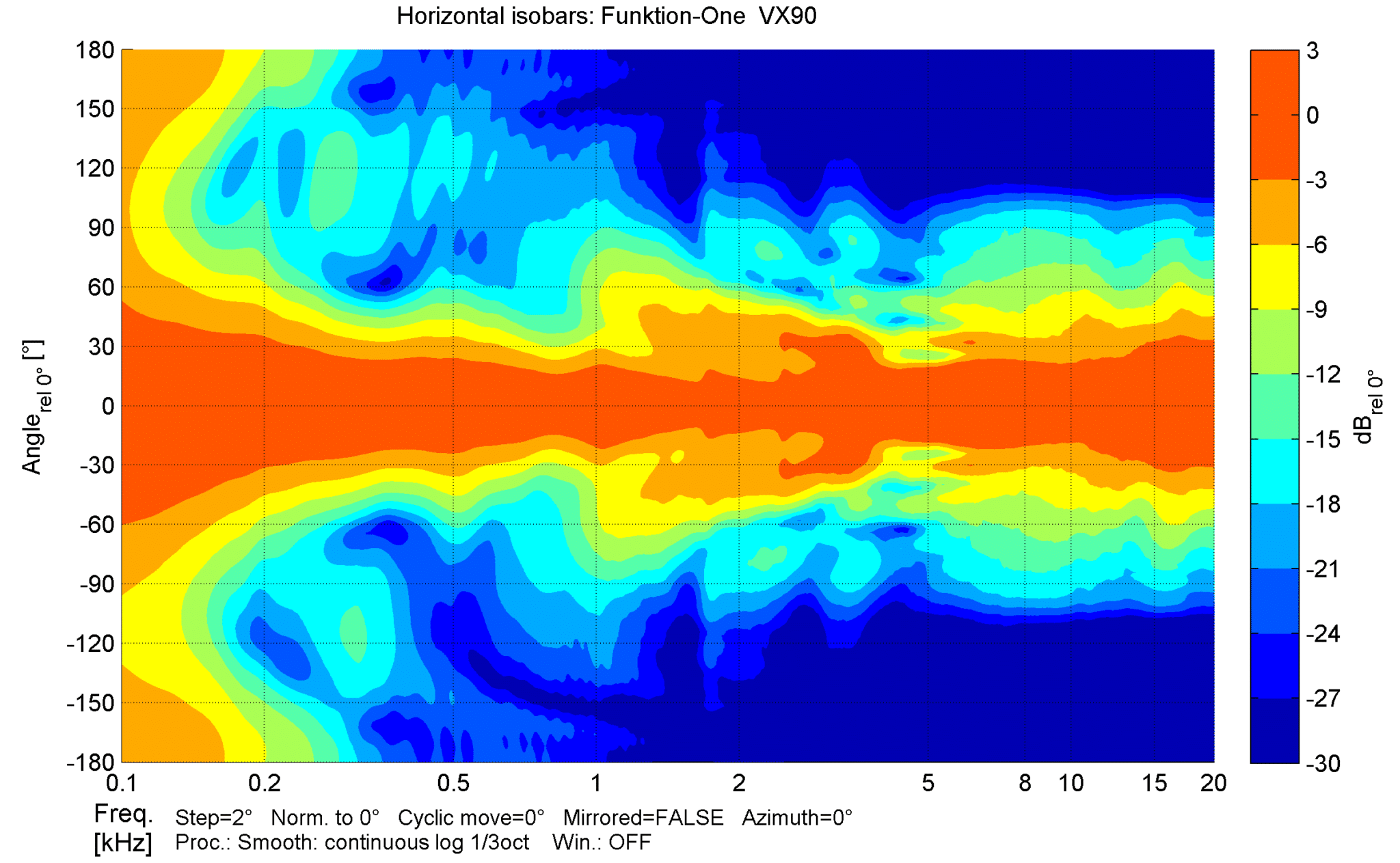
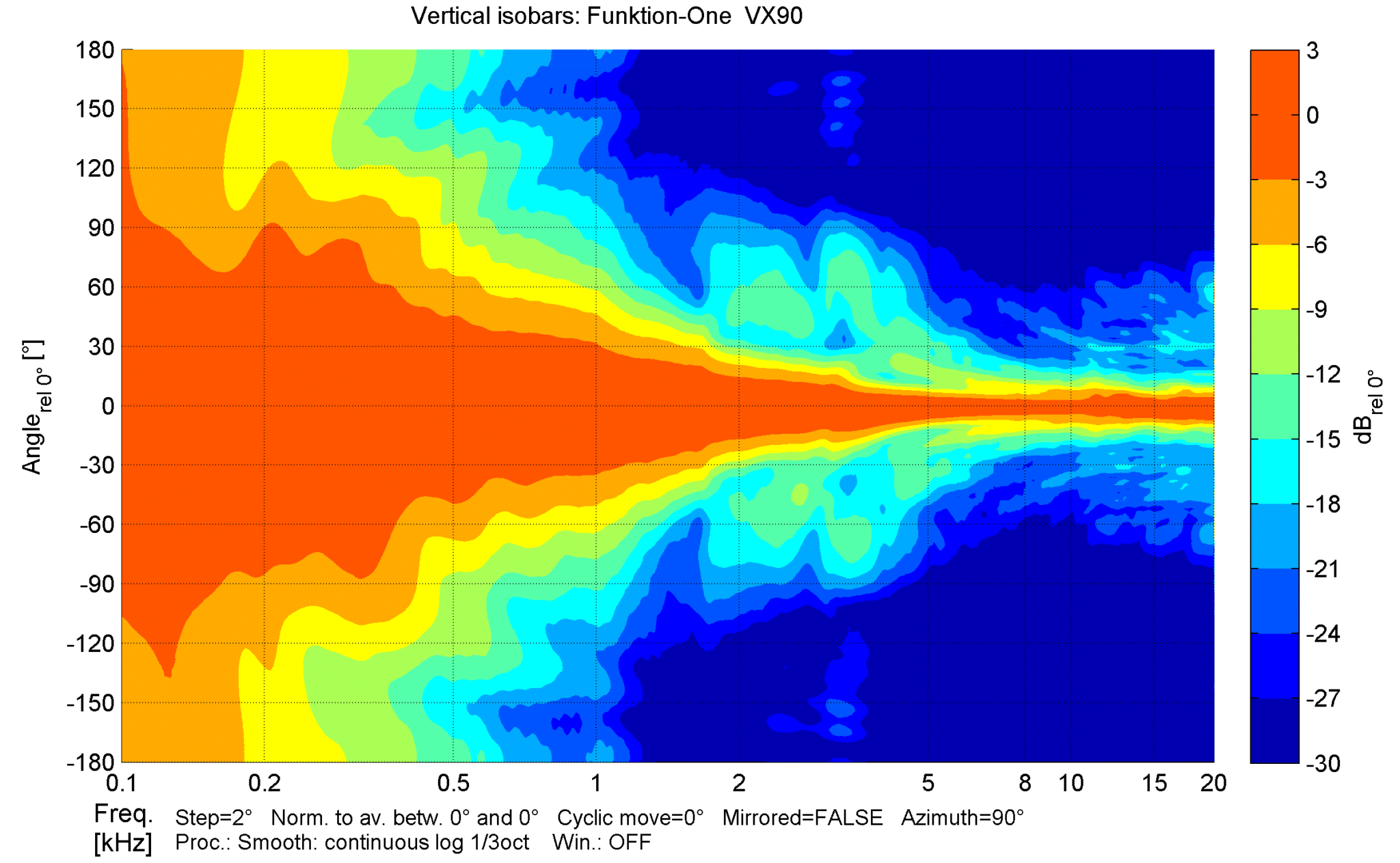
The VX90 is categorized by Funktion-One as a "Vertically Arrayable Loudspeaker" rather than a traditional line-array. This distinction is critical to the system’s engineering. Traditional line-arrays rely on the coupling of multiple small drivers to create a cylindrical wavefront. In contrast, the VX90 utilizes a vertically narrow-dispersing horn-loaded design, which maintains the benefits of point-source clarity while allowing units to be combined in a vertical string.
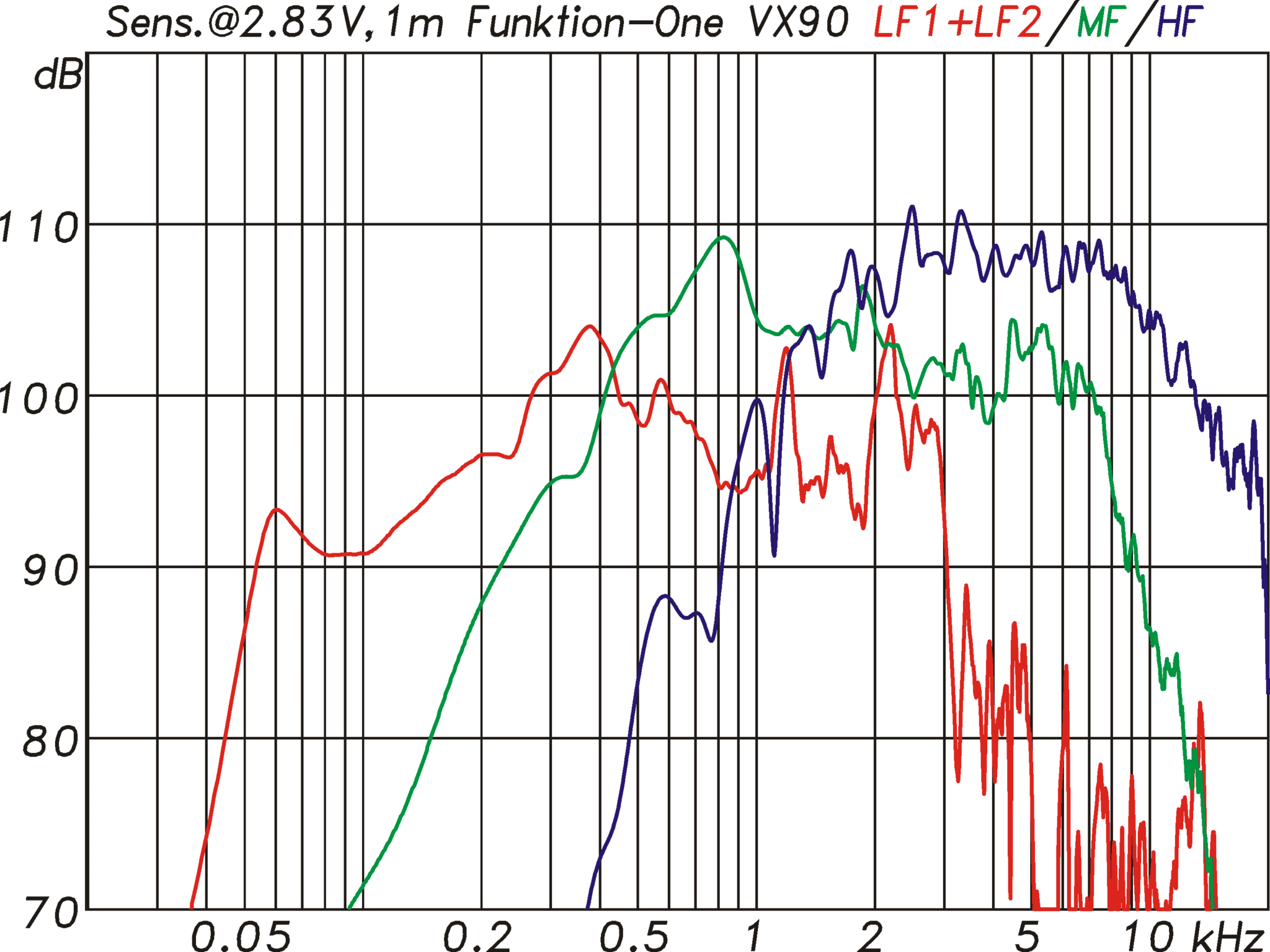
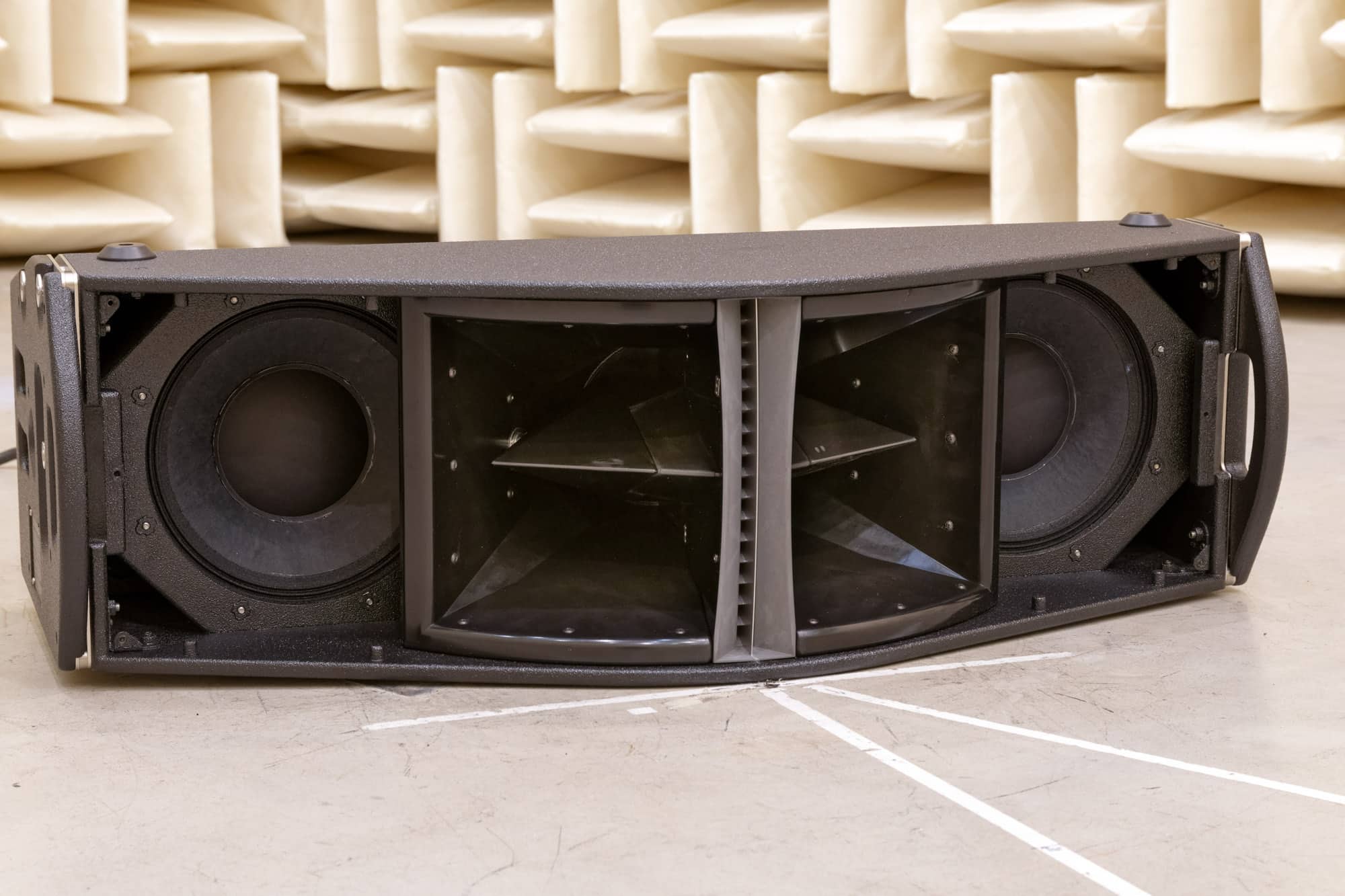
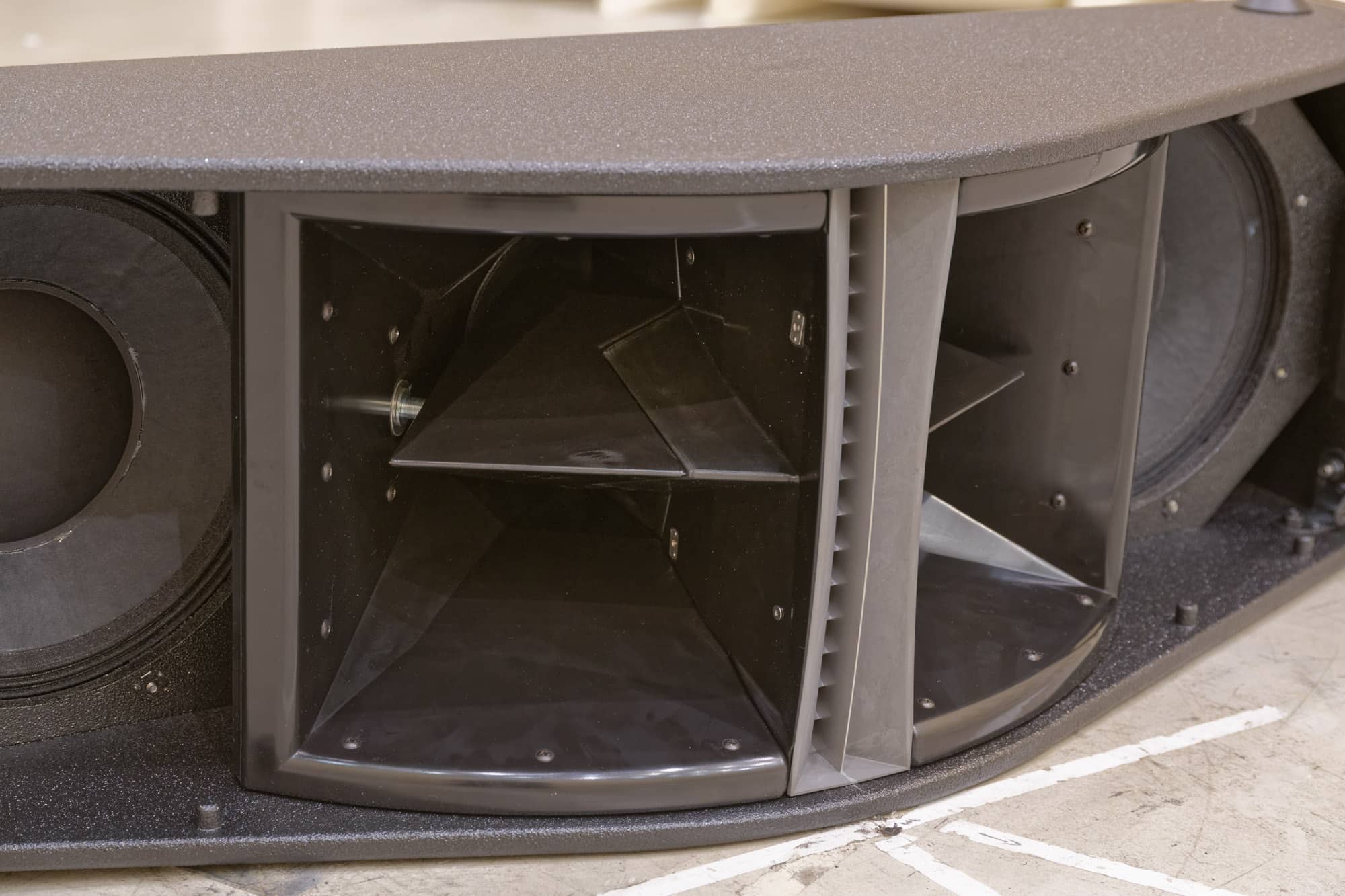
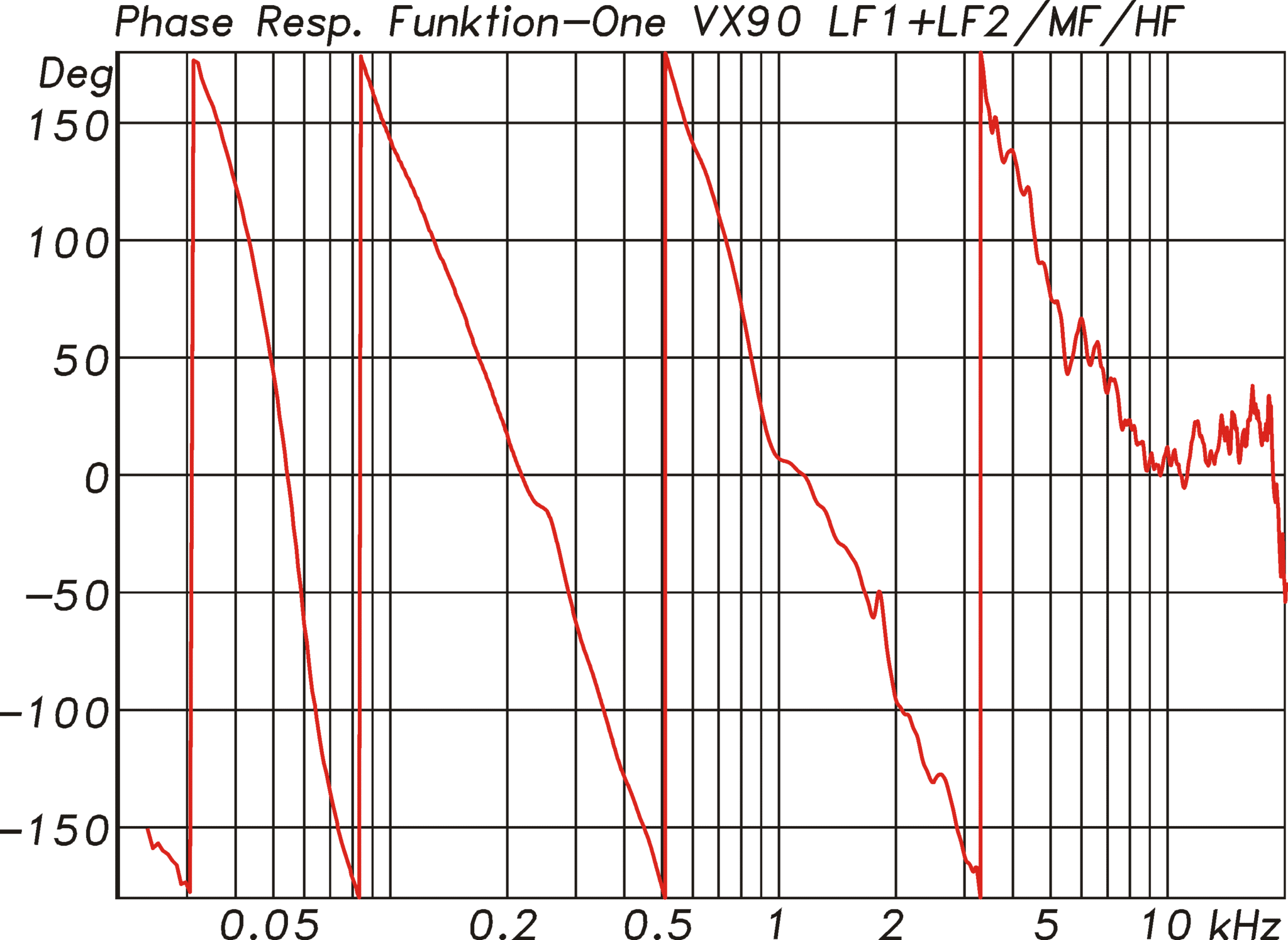
At the heart of the VX90 is a three-way active architecture. The system features two 12-inch neodymium woofers in a bass-reflex configuration, an 8-inch horn-loaded midrange driver, and a 1-inch high-frequency compression driver. The 8-inch midrange driver is perhaps the most distinctive element, covering a massive frequency range from 400 Hz to 4.5 kHz. By handling the entire vocal and "presence" range with a single driver and no crossover points in that critical band, the VX90 achieves a level of phase coherence that is virtually impossible for systems that split the midrange between multiple drivers.
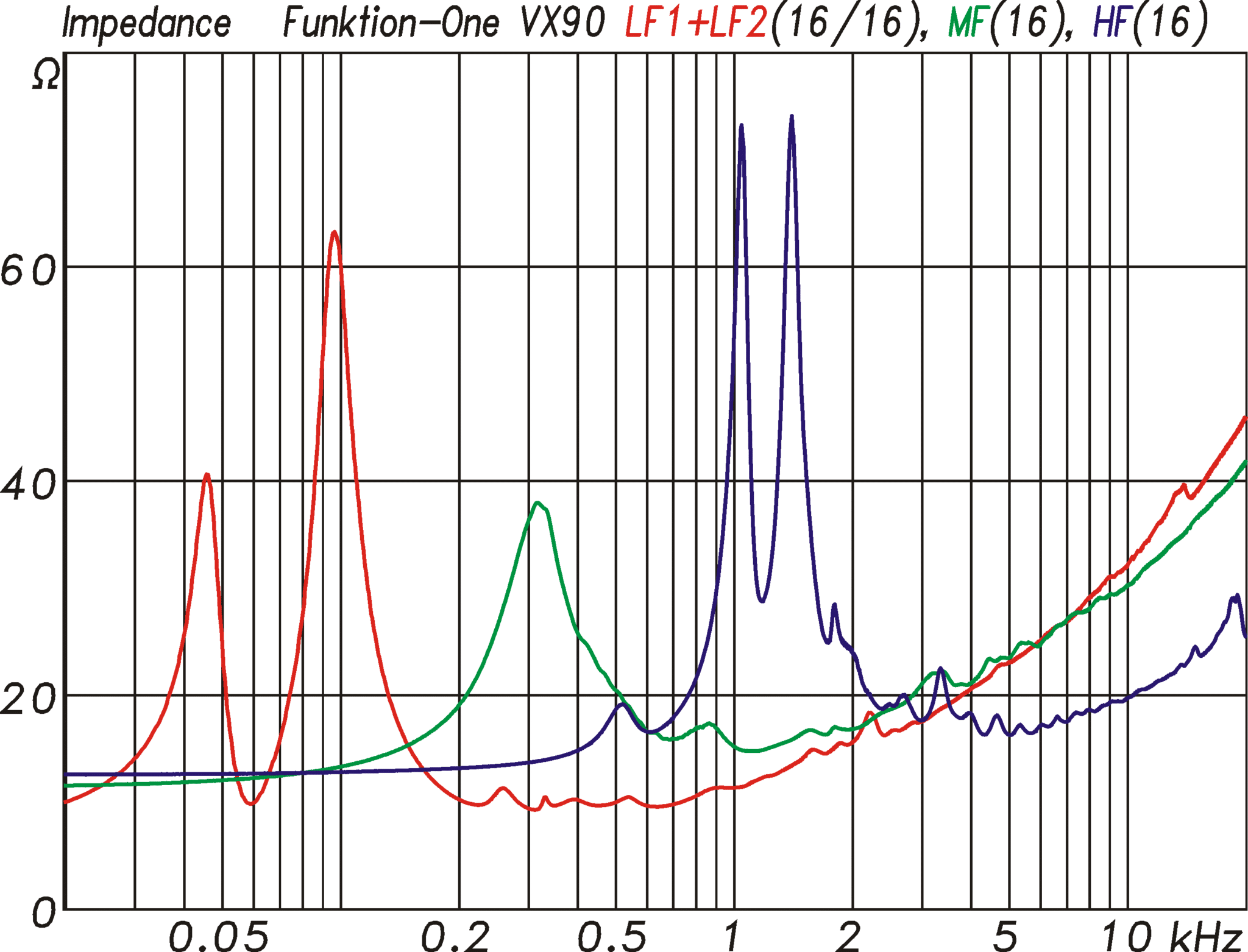
A core tenet of the Andrews-Newsham philosophy is high sensitivity. The VX90 is designed to convert electrical energy into acoustic pressure with maximum efficiency. This high sensitivity means the system requires less amplifier power to reach extreme sound pressure levels (SPL), resulting in higher headroom and lower thermal compression. Each component is a 16-ohm system, allowing for efficient parallel wiring. In professional touring environments, this efficiency translates to smaller amplifier racks, reduced power consumption on-site, and less heat generation, which inherently increases the lifespan of the components.
Performance Data and Multitone Analysis
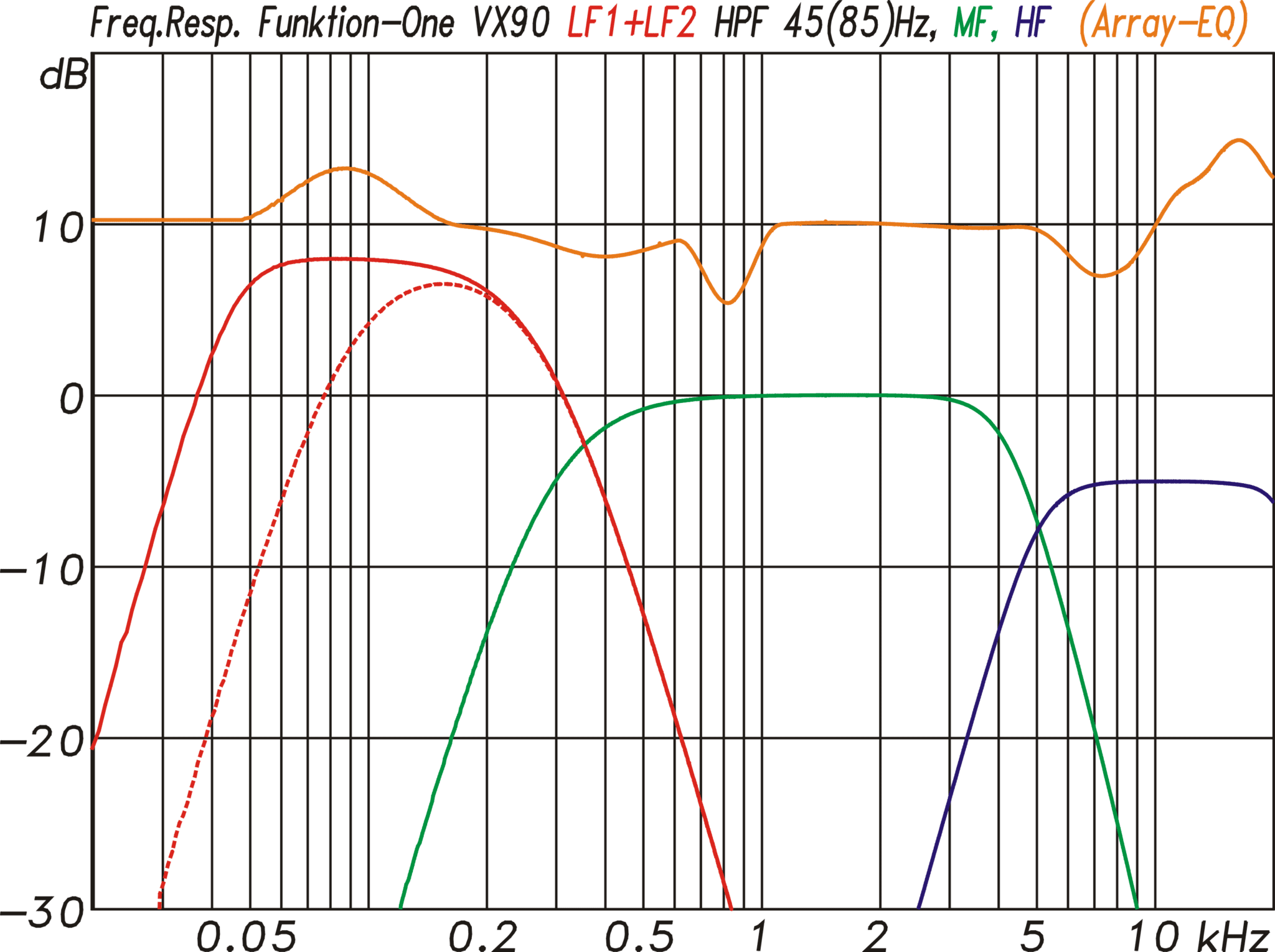
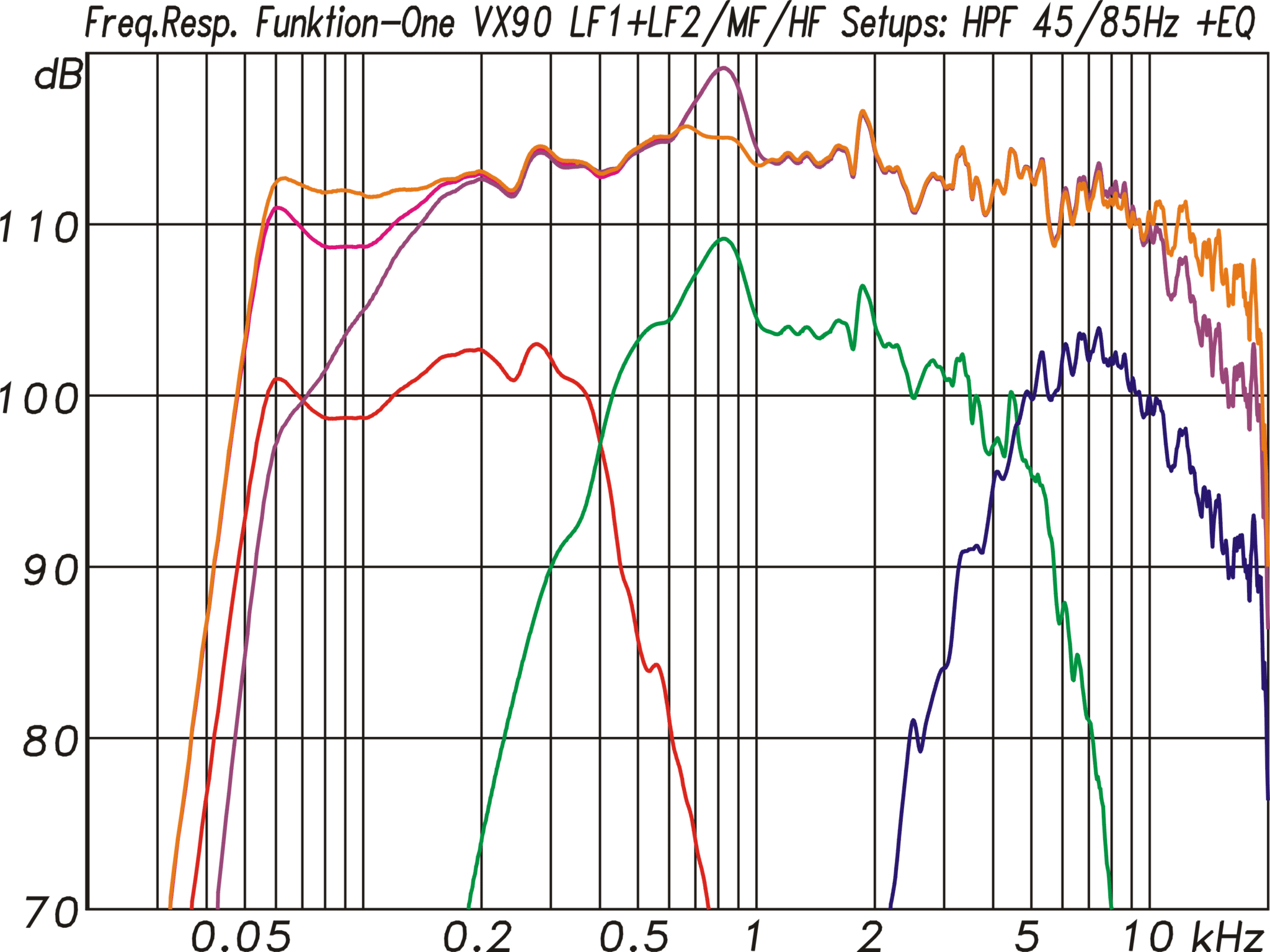
Rigorous testing of the VX90 reveals performance metrics that support its "purist" marketing claims. In measurements conducted with the Powersoft X8 amplifier, the system demonstrated a remarkably flat frequency response even before the application of corrective EQ. While many modern line-arrays require 10-15 dB of DSP correction to achieve a usable response, the VX90 operates within a tight tolerance using only basic crossover filters and gain shading.
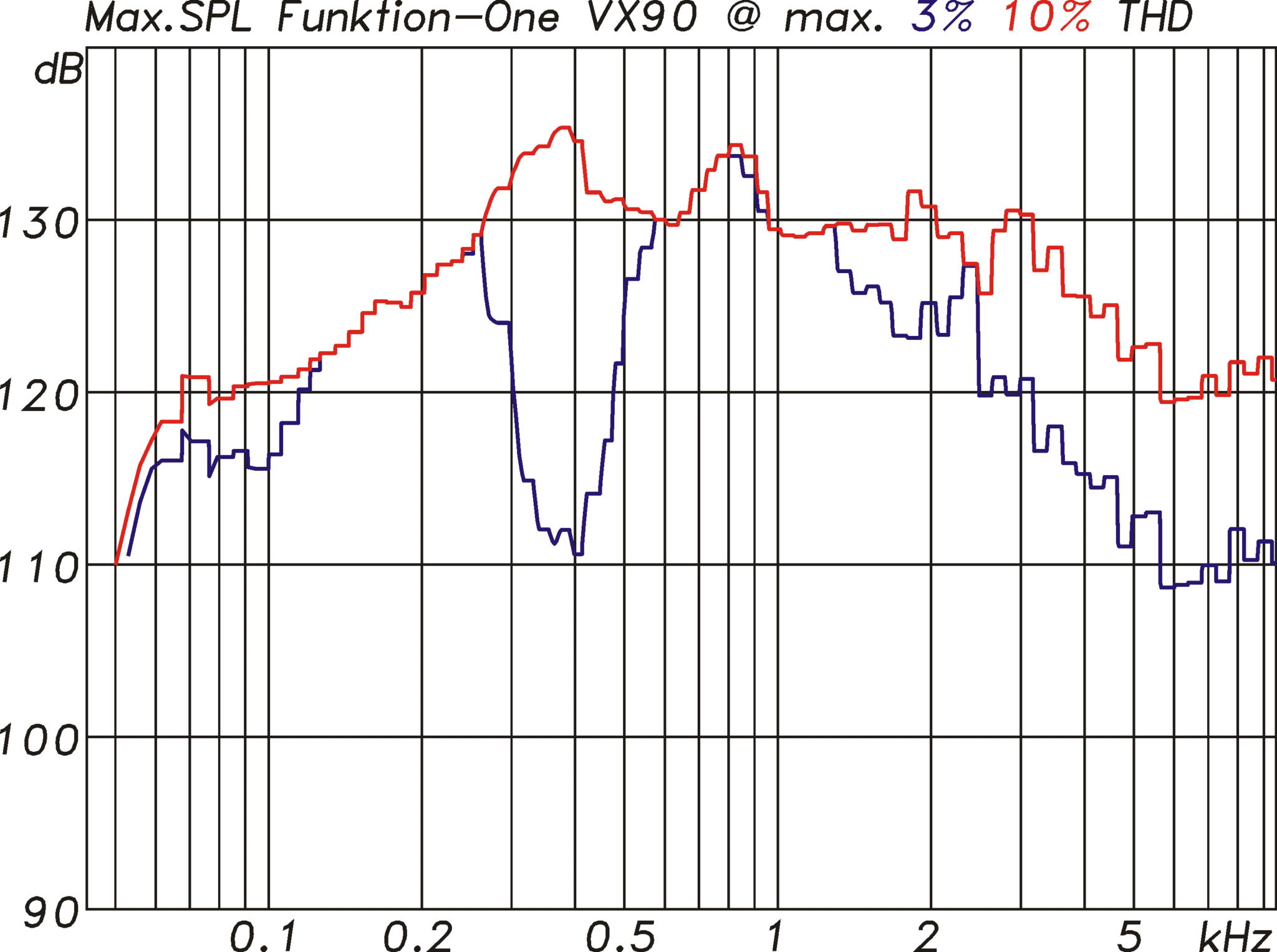
In maximum SPL testing using sinus burst signals, a single VX90 unit reached levels of 130 dB in the midrange and up to 120 dB in the high-frequency range at 10 kHz. However, the more telling metric is the multitone measurement, which simulates a complex musical signal. Under these conditions, a single VX90 achieved a peak SPL of 135.5 dB. When configured in an array of three units, the system produced a staggering 145 dB peak.
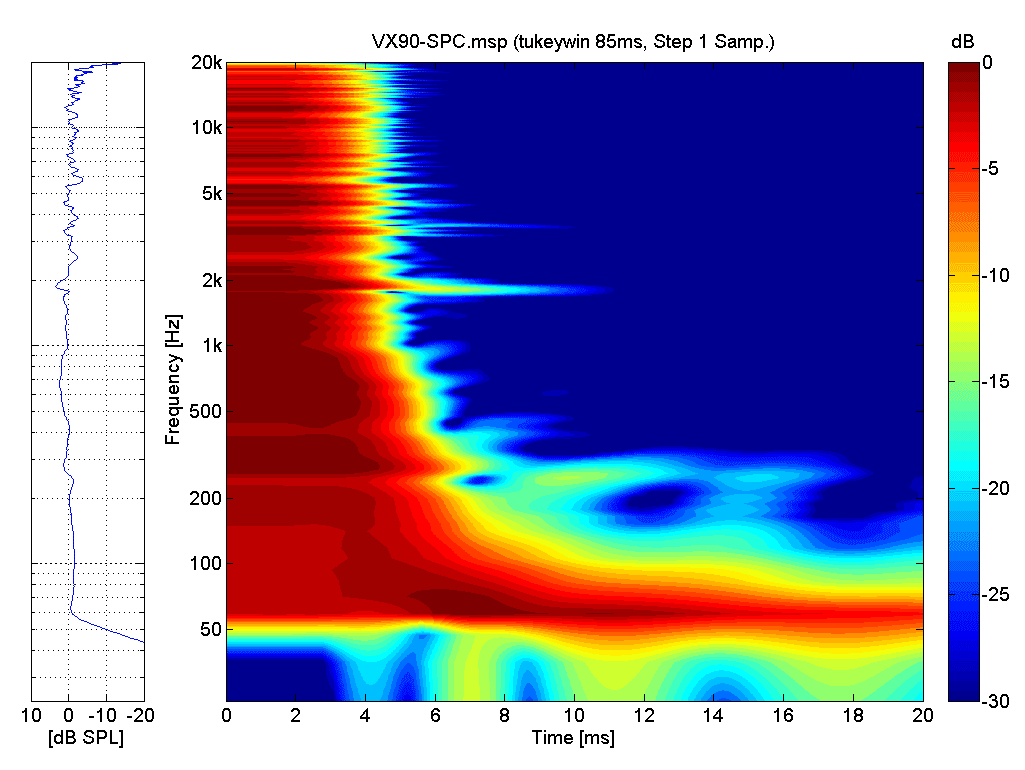
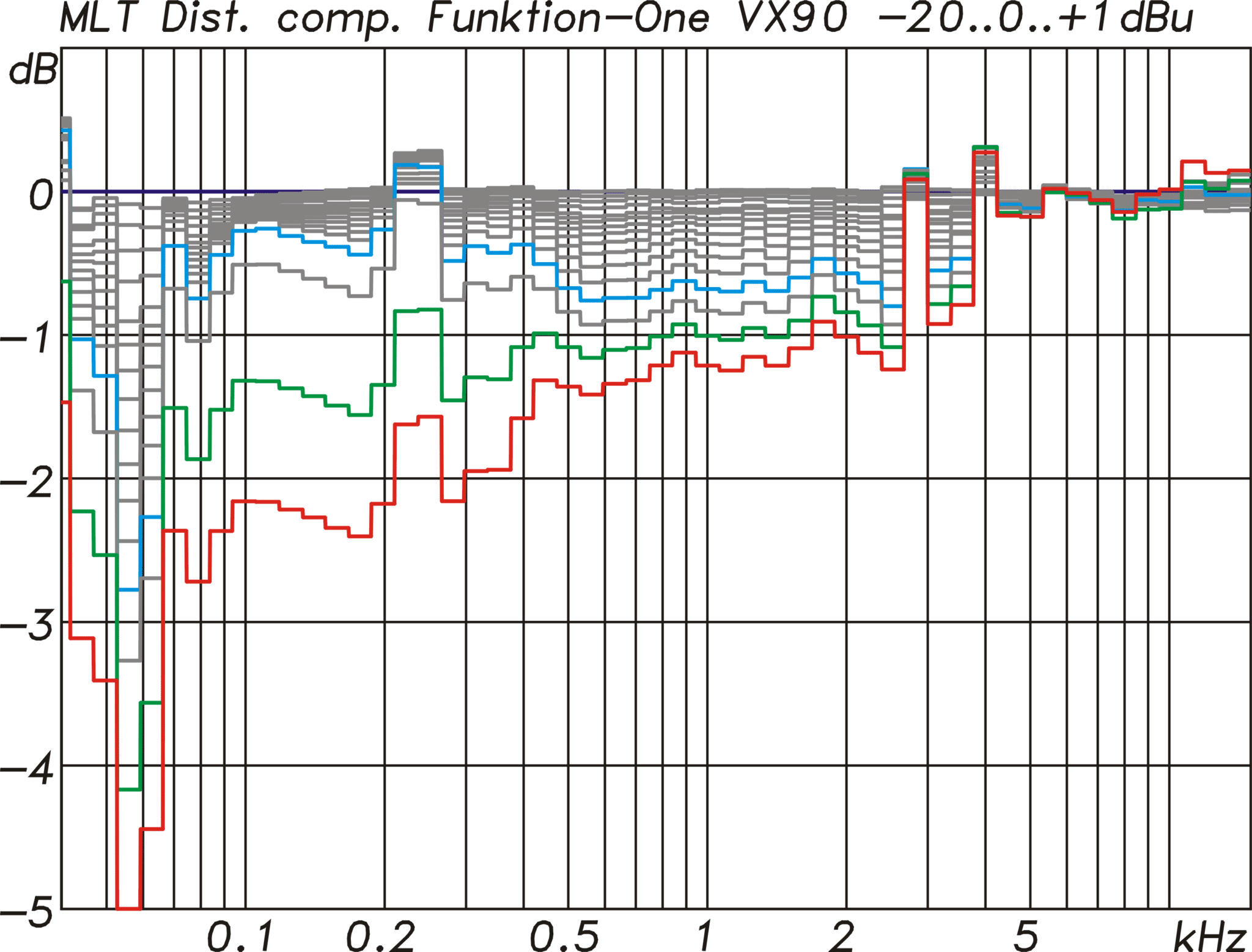
The multitone distortion analysis (Total Distortion = THD + IMD) showed values remaining below 5% even at high output levels. This low distortion is a direct result of the horn-loading, which limits the physical excursion of the driver diaphragms. Smaller excursions mean the drivers remain in their linear operating range for longer, preserving the "transient response"—the ability of the speaker to start and stop instantaneously—which is essential for the "live" feel and punch associated with the brand.
Lambda Rigging: A Patented Approach to Logistics
One of the primary hurdles for any touring system is the speed and safety of deployment. Funktion-One addressed this with the patented Lambda Rigging system. Unlike traditional "tension" rigging where angles are set while the array is on the ground, the Lambda system uses a "compression" method. The array is flown in a straight vertical line, and the desired inter-box angles are pre-set using pins. Once the array is in the air, a rear motor or pull-back cable compresses the stack, locking the boxes into their precisely calculated curved geometry.
This system offers significant advantages for touring crews. It allows for "smooth" adjustments (as described by Michael Barowski of Barowski AG) even while the system is suspended. Furthermore, the system includes a "Moving Point Beam"—a motorized flying frame that allows the entire array’s tilt to be adjusted via remote control. This is particularly useful in venues with restricted hanging points or changing audience configurations, as it eliminates the need to bring the array down to re-balance the motor chains.

Market Adoption and Industry Response
The reception of the VX90 in the German market has been bolstered by a shift in purchasing priorities among rental companies. Michael Barowski, a prominent figure in the German pro-audio scene, noted that his investment in the Vero VX was driven by "audio quality rather than myths or marketing." This sentiment reflects a growing segment of the industry that is weary of "me-too" line-array products and is seeking systems with a distinct sonic signature.

Early adopters have utilized the VX90 for a diverse range of applications, from high-fidelity corporate events to large-scale outdoor festivals. The system’s ability to provide a "Hi-Fi" experience at concert volumes has made it a favorite for engineers who prioritize vocal clarity and orchestral detail.
Broader Implications for the Audio Industry
The success of the VX90 signals a potential resurgence of horn-loaded technology in the mid-to-high-end touring market. For the past two decades, the industry has leaned heavily into the "Line Array Theory" as the universal solution for all acoustic problems. The VX90 proves that a hybrid approach—combining the logistical benefits of a vertical array with the acoustic efficiency of a horn—can offer superior results in many environments.
Furthermore, the VX90’s reliance on 16-ohm drivers and high sensitivity challenges the current trend of "power-hungry" speakers that require massive, 20,000-watt amplifiers to function. As sustainability and energy efficiency become more prominent in event production, the Funktion-One approach may become the blueprint for a more environmentally conscious generation of sound systems.
Conclusion and Outlook
With a price point that remains competitive within the premium tier—approximately €8,350 per VX90 unit—Funktion-One has positioned the Vero VX system as a long-term investment for companies that value acoustic longevity over digital trends. The system’s performance in both laboratory measurements and real-world listening tests confirms that the Andrews-Newsham philosophy remains highly relevant in the modern era.
As the industry continues to recover and expand post-pandemic, the VX90 is likely to see increased adoption in "prestige" installations and boutique touring circuits. Its combination of English acoustic tradition, innovative rigging, and raw efficiency makes it a formidable contender in the professional audio arena, ensuring that the legacy of Funktion-One continues to evolve alongside the demands of the world’s most discerning audiences.
