

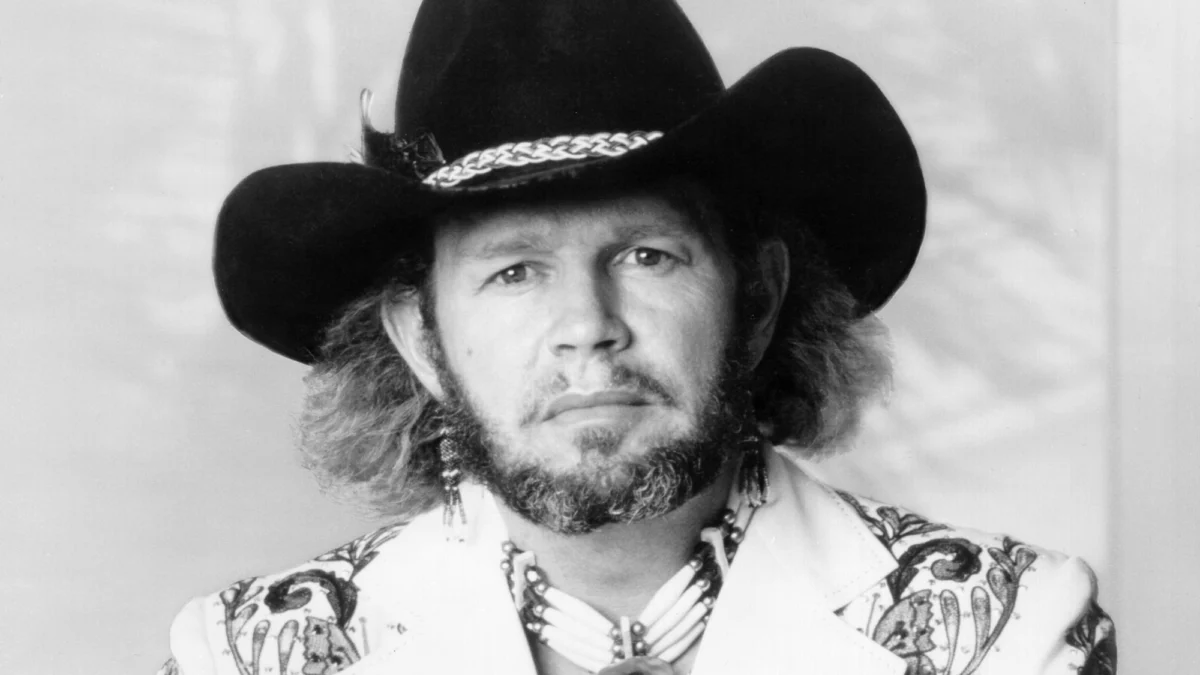
In the autumn of 1977, the American country music landscape was irrevocably altered by the release of a single that would transcend the genre to become a permanent fixture of the English lexicon. Johnny Paycheck, a seasoned performer known for his gritty vocals and "outlaw" persona, released "Take This Job and Shove It" as the title track of an album that would define his career. While the song is often misattributed to Paycheck’s own pen, its origins lie in a series of serendipitous events involving some of Nashville’s most eccentric and influential figures. The track reached the number-one spot on the Billboard Hot Country Singles chart in early 1978, serving as a cathartic anthem for the American working class during a period of significant economic transition.
The Socio-Economic Climate of the Late 1970s
To understand the explosive success of "Take This Job and Shove It," one must consider the historical context of 1977. The United States was grappling with "stagflation"—a combination of stagnant economic growth and high inflation. The manufacturing sector, particularly in the Midwest and South, was beginning to face the pressures of globalization and automation. Labor unrest was common, and the morale of the blue-collar workforce was at a low ebb.
Johnny Paycheck’s delivery of the song provided a voice to millions of factory workers, miners, and laborers who felt trapped in repetitive, grueling positions. The song’s narrative of a man who has spent fifteen years in a factory, only to lose the woman he was working for, resonated with a demographic that felt the "American Dream" was becoming increasingly elusive.
The Unlikely Inspiration: From Fire to Fine Art
The actual authorship of the song belongs to David Allan Coe, another prominent figure in the Outlaw Country movement. The inspiration for the lyrics did not come from a disgruntled office worker or a factory strike, but rather from a dramatic and dangerous incident involving a boat fire.
According to accounts detailed in the 2003 documentary David Allan Coe: Live At Billy Bob’s Texas, the songwriter was living an unconventional lifestyle on a boat with several companions. While traveling to the home of country legend Johnny Cash, Coe witnessed a fire breaking out on the water near a dock. In an act of documented heroism, Coe jumped into the water to cut the lines of several boats, preventing the fire from spreading and saving significant property from destruction.
The incident was covered by local news outlets, bringing Coe a brief moment of civic fame. Shortly thereafter, during a social gathering at the home of legendary producer Billy Sherrill, a guest jokingly suggested that Coe’s bravery made him a prime candidate for a career as a professional firefighter. Coe, known for his rebellious streak and distaste for traditional employment, reportedly snapped back, "Man, they can take that job and shove it."
Recognizing the commercial potential of the phrase, Billy Sherrill encouraged Coe to transform the retort into a song. Coe reportedly composed the lyrics and melody in approximately five minutes, focusing on the plight of a factory worker to ensure the sentiment reached a broader audience.
The Production Pivot: From George Jones to Johnny Paycheck
The recording of "Take This Job and Shove It" is a study in the unpredictable nature of the music industry. Billy Sherrill, an executive at Epic Records and a producer known for the "Countrypolitan" sound, initially intended the song for George Jones. Jones was then the biggest star on the label but was also struggling with personal demons that frequently led to missed recording sessions.
When Jones failed to appear for the scheduled studio time, Sherrill turned to Johnny Paycheck. Paycheck, born Donald Eugene Lytle, had been a mainstay in country music since the 1960s, working as a bassist for Ray Price and Faron Young before finding solo success. However, by 1977, he was in need of a definitive hit to cement his status in the burgeoning Outlaw Country scene.
Paycheck’s recording was characterized by a driving, mid-tempo beat and a vocal performance that balanced exhaustion with defiance. The production eschewed the polished strings of the Nashville Sound in favor of a more rugged, guitar-driven arrangement that suited the lyrical content.
Lyrical Analysis and Narrative Structure
The song’s lyrics are structured as a first-person narrative, a hallmark of the country music tradition. The protagonist describes a fifteen-year tenure at a factory, highlighting the physical and emotional toll of the labor:
"I’ve been workin’ in this factory for now on fifteen years / All this time I watched my woman drownin’ in her wine and tears."
The core tragedy of the song is the loss of the worker’s motivation. He explains that his "woman done left and took all the reasons" he was working for. This narrative arc transforms the song from a simple workplace grievance into a deeper exploration of existential crisis. Without a family to support, the protagonist finds that the indignities of the job are no longer worth the paycheck.
The chorus, which repeats the titular phrase, serves as the ultimate "exit interview." It is a fantasy of total autonomy—the moment a worker finally stands up to a supervisor and walks out the door without looking back.
Chart Performance and Industry Recognition
Upon its release in October 1977, the song climbed the charts with remarkable speed. It hit the No. 1 position on the Billboard Hot Country Singles chart in January 1978 and remained there for two weeks. It also made a rare crossover appearance on the Billboard Hot 100, peaking at No. 28, a testament to its universal appeal beyond the country music demographic.
The industry recognized the song’s impact almost immediately. It received a nomination for Single of the Year at the Country Music Association (CMA) Awards. For Johnny Paycheck, it became his signature song and his only career No. 1 hit. While he continued to record and tour for the next two decades, "Take This Job and Shove It" remained the centerpiece of his legacy.
Broader Impact and the 1981 Feature Film
The cultural footprint of the song expanded significantly in the early 1980s. In 1981, a feature film titled Take This Job and Shove It was released, directed by Gus Trikonis and starring Robert Hays, Barbara Hershey, and David Keith. The film used the song’s themes of corporate greed and blue-collar resistance as its central premise, following a man who returns to his hometown to oversee the modernization of a local brewery.
The movie further solidified the song’s status as a symbol of the "Everyman." Additionally, the track has been covered by a diverse array of artists across different genres, most notably by the punk rock band Dead Kennedys in 1986. The punk cover highlighted the song’s inherent anti-authoritarianism, proving that the sentiment was just as relevant to the underground rock scene as it was to Nashville.
Chronology of Key Events
- 1977 (Mid-year): David Allan Coe saves boats from a fire in Nashville, leading to the "shove it" remark at Billy Sherrill’s home.
- 1977 (Late-year): Coe writes the song; Billy Sherrill produces it with Johnny Paycheck after George Jones misses the session.
- October 1977: The single is officially released by Epic Records.
- January 1978: The song reaches No. 1 on the Billboard Hot Country Singles chart.
- 1978: The song receives a CMA Award nomination for Single of the Year.
- May 1981: The feature film Take This Job and Shove It premieres in theaters.
- 1986: The Dead Kennedys release their cover, expanding the song’s reach into the punk subculture.
- 2003: The documentary David Allan Coe: Live At Billy Bob’s Texas provides definitive details on the song’s origins.
Implications for the Music Industry and Labor Relations
From a music business perspective, the success of "Take This Job and Shove It" demonstrated the power of "concept" songs that tap into specific societal frustrations. It paved the way for other working-class anthems, such as Dolly Parton’s "9 to 5" (1980) and Alabama’s "40 Hour Week (For a Livin’)" (1985).
In the realm of labor relations, the phrase entered the common vernacular as a shorthand for "quitting with prejudice." It has been cited in sociological studies regarding worker burnout and the psychological contract between employers and employees. The song captured a moment where the traditional loyalty between the American worker and the American corporation began to fracture.
The Final Years of the Creators
Johnny Paycheck’s later life was marked by legal troubles and health issues, but he remained a beloved figure in country music until his death in 2003. At his funeral, the impact of his 1977 hit was frequently cited as his greatest contribution to American culture. David Allan Coe, despite his controversial reputation, remains recognized as one of the most prolific songwriters of his era, with "Take This Job and Shove It" standing as his most financially successful composition.
The song continues to be played on classic country radio and remains a staple of karaoke bars and labor rallies alike. Its longevity is a testament to the universal nature of its message: the desire for dignity in labor and the ultimate freedom to walk away from a situation that no longer serves the soul. In the history of American popular music, few songs have so successfully captured a specific emotional state while simultaneously defining the linguistic habits of an entire nation.
