

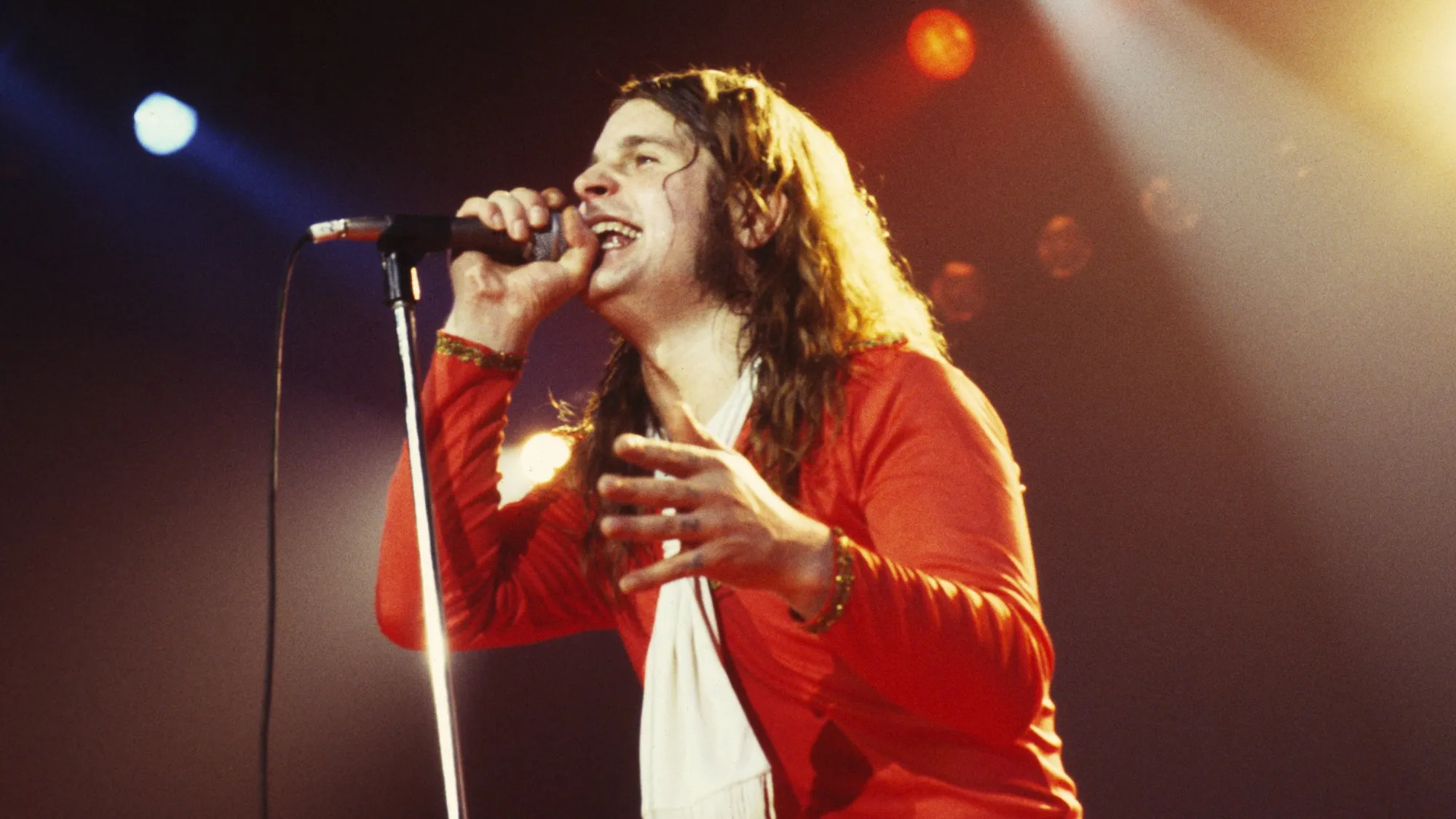
The year 1973 represented a pivotal junction in American cultural history, marking a transition from the idealistic fervor of the late 1960s to a more complex, gritty, and diverse sonic landscape. For the generation of teenagers coming of age during this period, the acquisition of a first car was more than a mere logistical upgrade; it was a definitive rite of passage that symbolized newfound autonomy. This demographic shift coincided with a transformative era in the music industry, where the transition from AM to FM radio and the proliferation of high-fidelity in-car audio systems, such as 8-track players, changed how music was consumed. The tracks that dominated the airwaves in 1973 did not just provide a background for daily commutes; they defined the identity of a generation navigating the end of the Vietnam War and the onset of the global oil crisis.
The Socio-Economic Landscape of 1973 and the Teenage Driver
To understand the impact of 1973’s musical hits, one must examine the socio-economic environment in which these teens operated. In 1973, the United States was grappling with the Watergate scandal and the conclusion of American involvement in Vietnam. Simultaneously, the 1973 Oil Embargo, which began in October, led to skyrocketing fuel prices and long lines at gas stations. Despite these pressures, the "car culture" of the American teenager remained resilient.
For a high school student in 1973, a vehicle—often a used domestic muscle car or a sturdy sedan from the late 1960s—served as a mobile private space. This environment allowed for a curated listening experience that was distinct from the family living room. The music of the era responded to this need for personal expression, offering a blend of narrative-driven folk-pop, high-energy hard rock, and the emerging, darker tones of heavy metal.
Narrative Mastery and the Rise of Jim Croce
One of the most ubiquitous sounds of the 1973 driving experience was the voice of Jim Croce. His single "Bad, Bad Leroy Brown," released in April 1973 as part of the album Life and Times, became a cultural touchstone. The track’s success was monumental, peaking at No. 1 on the Billboard Hot 100 on July 21, 1973. It remained on the charts for 22 weeks, eventually being ranked by Billboard as the No. 2 song for the entire year.
The appeal of "Bad, Bad Leroy Brown" to the teenage demographic lay in its vivid storytelling and boogie-woogie piano arrangement. The song’s protagonist, a "taller than a tall-top tree" character from the South Side of Chicago, offered a cinematic quality that resonated with young listeners. Musically, the track bridged the gap between the traditional pop of the previous decade and the more character-driven singer-songwriter movement of the 70s.
Tragically, the song’s legacy was cemented by Croce’s untimely death in a plane crash in September 1973, just as his career reached its zenith. This event led to a surge in posthumous popularity for his catalog, making his music an inseparable part of the 1973 atmosphere. Critics of the time noted that Croce possessed a rare ability to write "everyman" anthems that were accessible yet sophisticated in their acoustic arrangements.
The Technical Revolution of the Hard Rock Riff: Deep Purple
While Jim Croce provided the narrative backdrop for the 1973 teen experience, Deep Purple provided the volume. Although the album Machine Head was released in 1972, its most enduring single, "Smoke on the Water," achieved its peak American cultural penetration in the summer of 1973. The song reached No. 4 on the Billboard Hot 100 in August 1973, becoming an anthem for the burgeoning hard rock movement.
The track is perhaps best known for Ritchie Blackmore’s four-note blues-scale riff, played in parallel fourths. For the 1973 teenager, this riff was more than just a catchy tune; it was a technical benchmark. Musicologists often cite "Smoke on the Water" as the "gateway drug" for aspiring guitarists of the 1970s. The simplicity of the riff allowed beginners to emulate their idols, while the song’s driving rhythm was perfectly suited for the acoustics of a car cabin.
The background of the song added to its "cool factor" among youth. The lyrics recount the real-life events of December 1971, when a flare gun fired by a fan during a Frank Zappa concert set the Montreux Casino in Switzerland on fire. The "smoke on the water" referred to the smoke from the fire spreading across Lake Geneva. This authentic, "on-the-road" rock-and-roll story resonated with a generation that valued grit and authenticity over the polished pop of the previous era.
The Birth of Heavy Metal: Black Sabbath’s Darker Influence
As the year progressed, a darker, more experimental sound began to capture the attention of the more rebellious segments of the teen population. Black Sabbath, having already established themselves as pioneers of a heavy, doom-laden sound, released their fifth studio album, Sabbath Bloody Sabbath, in late 1973. The title track represented a significant evolution for the band and the genre of heavy metal.
By 1973, Black Sabbath was moving away from the raw, blues-based structures of their earlier work toward a more produced, multi-layered sound. "Sabbath Bloody Sabbath" featured a distinctive contrast between heavy, distorted riffs and melodic, acoustic interludes. This complexity was partly due to the band’s internal pressures and a desire to innovate. Notably, the album featured keyboard contributions from Rick Wakeman of the progressive rock band Yes, signaling a maturation of the metal genre.
While "Sabbath Bloody Sabbath" did not dominate the Top 40 singles charts in the same way Jim Croce did—reflecting the era’s divide between "singles" acts and "album" acts—its influence was profound. It reached No. 11 on the Billboard 200, and for the 1973 teen, owning the LP was a badge of subcultural identity. The song’s themes of frustration and struggle mirrored the angst of a youth population facing an uncertain economic and political future.
Chronology of Musical Milestones in 1973
The musical output of 1973 followed a trajectory that saw the diversification of rock and the commercial peak of the singer-songwriter:
- January–March 1973: The year begins with the dominance of soft rock and R&B, with artists like Roberta Flack and Elton John topping the charts.
- April 1973: Jim Croce releases "Bad, Bad Leroy Brown," which begins its steady climb up the Billboard Hot 100.
- May 1973: Deep Purple’s "Smoke on the Water" is released as a single in the U.S., over a year after the album’s initial release, due to overwhelming demand from radio listeners.
- July 1973: Croce hits No. 1. The summer months see "Smoke on the Water" become the definitive car-radio anthem.
- September 1973: The death of Jim Croce shocks the industry, leading to a massive re-evaluation of his work and a surge in chart activity for his previous albums.
- November 1973: Black Sabbath releases Sabbath Bloody Sabbath, marking the end of the year with a shift toward heavier, more progressive sounds.
Data and Chart Analysis: The Year of the "Car Anthem"
Statistical data from 1973 illustrates a unique period where rock and pop were in a state of high-volume equilibrium. According to Billboard’s Year-End Hot 100 singles of 1973, the top five songs were:
- "Tie a Yellow Ribbon Round the Ole Oak Tree" – Tony Orlando and Dawn
- "Bad, Bad Leroy Brown" – Jim Croce
- "Killing Me Softly with His Song" – Roberta Flack
- "Let’s Get It On" – Marvin Gaye
- "My Love" – Paul McCartney and Wings
While the top of the charts featured "easy listening" and R&B, the "AOR" (Album Oriented Rock) radio format was simultaneously exploding. This format allowed longer, heavier tracks like "Smoke on the Water" and "Sabbath Bloody Sabbath" to find a dedicated audience. In 1973, the recording industry saw record-breaking revenues, exceeding $2 billion for the first time, driven largely by the high demand for vinyl LPs and 8-track tapes among the 16-to-24-year-old demographic.
Broader Impact and Musical Legacy
The music of 1973 had a lasting impact on the trajectory of popular culture. The success of Jim Croce paved the way for the "storyteller" archetype that would later be occupied by artists like Bruce Springsteen and Harry Chapin. The technical blueprint laid down by Deep Purple’s "Smoke on the Water" became the foundation for the stadium rock era of the late 70s and 80s. Meanwhile, Black Sabbath’s experimentation on Sabbath Bloody Sabbath proved that heavy metal could be both commercially successful and artistically complex, influencing decades of metal subgenres from thrash to doom metal.
For the teens of 1973, these songs were the soundtrack to their first taste of freedom. As they navigated their first cars through a landscape of changing social norms and economic shifts, the radio provided a sense of continuity and identity. The transition from the acoustic warmth of Croce to the electric roar of Deep Purple and the dark complexity of Black Sabbath mirrored the multifaceted nature of the 1970s—a decade that was as much about introspective storytelling as it was about the raw power of the riff.
Today, these tracks remain staples of "classic rock" radio, a testament to their enduring appeal and the high production standards of the early 70s. The 1973 musical zeitgeist remains a definitive chapter in the history of the American road trip, immortalizing the moment when the car and the radio became the ultimate symbols of youth.
