

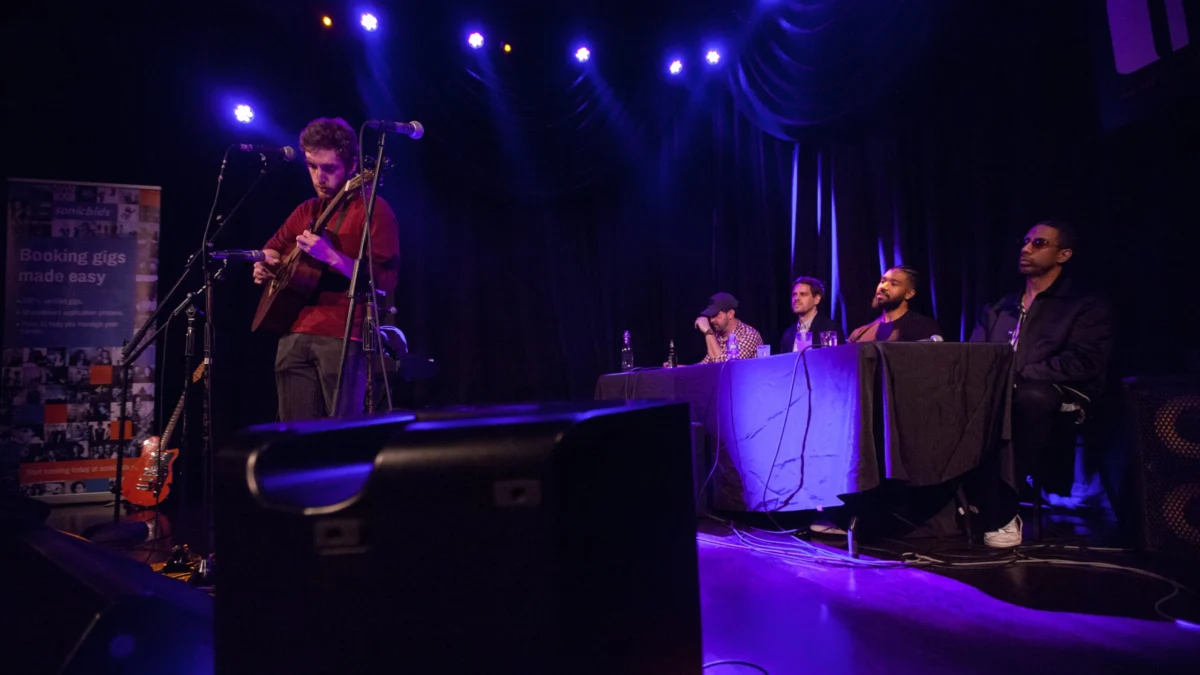
The independent music sector has experienced a seismic shift over the last decade, transitioning from a peripheral segment of the industry to a dominant force in the global market. According to recent industry reports from MIDiA Research, independent artists—those recording and releasing music without the backing of major labels—now represent the fastest-growing segment of the music business, generating over $1.2 billion in annual revenue. However, as the barriers to entry for music production have diminished, the saturation of the marketplace has intensified, making strategic networking and professional collaboration essential pillars for career sustainability. For the modern independent artist, the ability to build a robust professional network is no longer merely an advantage; it is a prerequisite for navigating an increasingly fragmented digital and physical landscape.
The Evolution of Collaborative Dynamics in the Music Industry
Historically, the trajectory of a musician’s career was largely dictated by centralized gatekeepers, including record label executives, talent scouts, and radio programmers. Networking in the pre-digital era was often confined to high-stakes industry hubs such as New York, London, or Los Angeles. The chronological shift toward democratization began in the mid-2000s with the advent of social networking sites like MySpace, followed by the proliferation of streaming services and digital audio workstations (DAWs) that allowed for remote collaboration.
By the 2020s, the paradigm had shifted toward a decentralized "creator economy." This era is characterized by a "community-first" approach, where success is frequently derived from lateral networking—building relationships with peers and professionals in adjacent creative fields—rather than traditional vertical networking aimed at attracting major label attention. Data suggests that artists who engage in frequent collaborations see a significant increase in their monthly listener counts on platforms like Spotify, as collaborative releases allow for the "cross-pollination" of audiences.
Integrating Within Local Multi-Disciplinary Art Ecosystems
While digital connectivity is ubiquitous, industry analysts emphasize the enduring value of local, physical art scenes. Networking within a local ecosystem provides a foundation of "social capital" that digital interactions often lack. Professional networking in this context extends beyond the boundaries of the music industry to include visual arts, theater, and performance poetry.
Events such as local gallery openings and art festivals serve as fertile ground for cross-disciplinary partnerships. For example, a visual artist curated for a gallery exhibition may require a sonic landscape or an original soundtrack to accompany their installation. Similarly, theater companies frequently seek original compositions for independent productions. These interactions often lead to high-concept projects that differentiate an artist from those following a standard release cycle. By engaging with different artistic mediums, musicians can access new demographics and establish themselves as versatile creators within their regional economy.
Structured Professional Development through Workshops and Jam Sessions
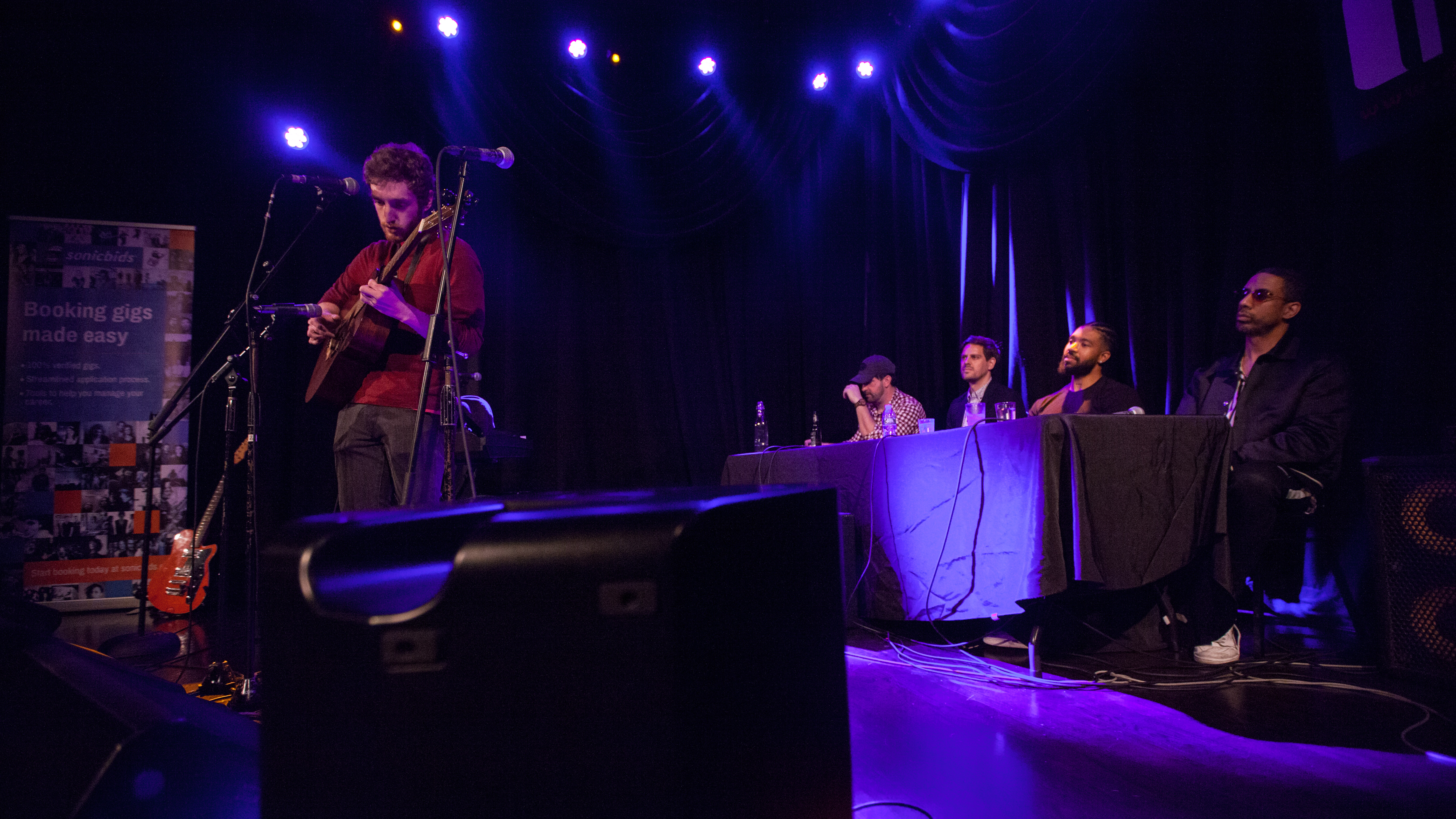
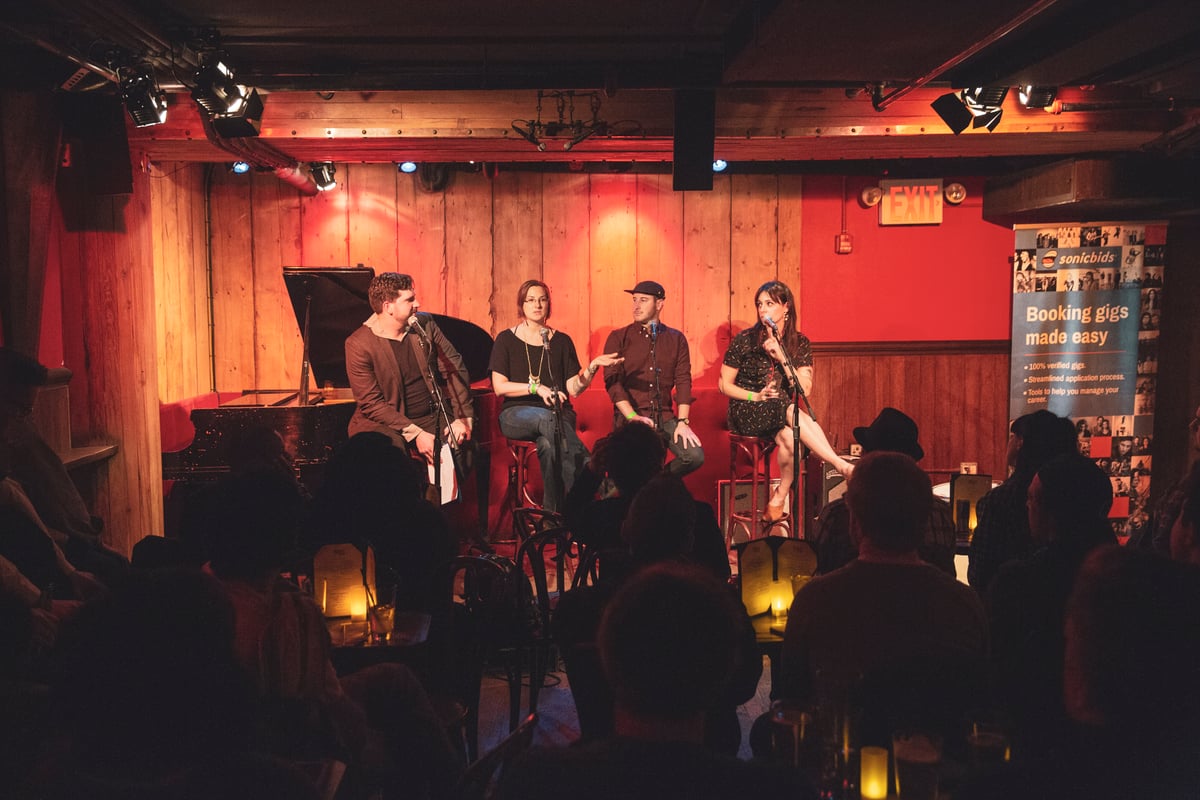
The rise of structured networking events, such as the Sonicbids Feedback Collective, highlights a growing demand for professional development outside of formal academic institutions. These sessions provide a controlled environment where musicians can interact without the pressure of a traditional performance. Hosting or attending jam sessions and songwriting workshops serves a dual purpose: it acts as a laboratory for creative experimentation and a marketplace for talent.
When musicians from disparate genres—such as a rock guitarist and a jazz saxophonist—convene in a workshop setting, the result is often the development of a "fusion" sound that meets the current market demand for genre-bending content. Furthermore, these events allow artists to vet potential collaborators’ professional habits, such as punctuality, communication style, and technical proficiency, before committing to a formal recording project. Industry observers note that the most successful independent networks are those built on a foundation of mutual technical respect and shared work ethics, both of which are easily assessed in a live workshop environment.
Leveraging Niche Digital Platforms for Global Connectivity
While mainstream social media platforms like Instagram and TikTok are essential for fan engagement, they are often less effective for deep professional networking due to their algorithmic focus on short-form viral content. Consequently, many independent musicians are gravitating toward specialized platforms designed for creative collaboration, such as BandLab, SoundCloud, and Discord.
BandLab, which reported over 60 million users globally, provides a cloud-based DAW that allows musicians to collaborate on tracks in real-time regardless of geographic location. This "asynchronous collaboration" has become a standard industry practice, enabling a producer in Tokyo to work with a vocalist in Nashville. To maximize the efficacy of these platforms, professionals recommend a strategy of "thoughtful engagement." This involves moving beyond superficial "likes" and instead providing detailed feedback or specific project proposals. Data indicates that targeted outreach on niche platforms has a higher conversion rate for long-term professional partnerships than broad-scale social media marketing.
The Strategic Value of Volunteerism and Festival Engagement
The music festival circuit remains one of the most concentrated environments for industry networking. For independent musicians who may not yet have the "draw" to secure a performance slot, volunteering at these events offers an alternative entry point. Working behind the scenes at festivals provides direct access to event organizers, stage managers, sound engineers, and established artists.
The chronology of many successful independent careers often includes a period of "apprenticeship" within the festival environment. By assisting with logistics, artist hospitality, or technical production, musicians gain a comprehensive understanding of the live music value chain. This "insider" perspective is invaluable when the artist eventually transitions to a performer role, as they possess a nuanced understanding of the operational requirements of large-scale events. Furthermore, the rapport built with industry professionals during a high-pressure festival environment can lead to future booking opportunities and professional recommendations.

Utilizing Fanbases as Collaborative Catalysts
A significant trend in the modern music industry is the transition of the fan from a passive consumer to an active participant in the creative process. Independent musicians are increasingly utilizing their existing fanbases to facilitate new professional connections. This "community-sourced" networking involves using digital tools—such as polls, surveys, and Q&A sessions—to solicit input on potential collaborations.
This strategy is supported by the "1,000 True Fans" theory, which posits that an artist only needs a relatively small, highly engaged audience to maintain a sustainable career. When fans are involved in the collaborative decision-making process, they develop a sense of "co-ownership" in the project. Logistically, fans often act as intermediaries; a supporter may have a personal or professional connection to a videographer, graphic designer, or another musician, providing a warm introduction that an artist might not otherwise obtain. This grassroots approach to networking reinforces the artist-fan bond while expanding the artist’s professional reach.
Fact-Based Analysis of Networking Implications
The shift toward these diverse networking strategies has several long-term implications for the music industry. First, it reduces the reliance on traditional urban music hubs, allowing for the growth of robust secondary markets. As artists find success through local multi-disciplinary events and digital collaboration, the necessity of relocating to expensive cities like Los Angeles or New York is diminished.
Second, the emphasis on cross-disciplinary collaboration is driving a trend toward "multi-media" music releases. Artists are no longer just releasing audio; they are releasing integrated experiences that include visual art, virtual reality components, and interactive fan elements. This diversification of the "product" allows independent musicians to tap into multiple revenue streams, from synchronization licensing in film to art gallery commissions.

Finally, the professionalization of the independent sector through workshops and peer-to-peer feedback is raising the overall quality of independent releases. With access to professional-grade tools and a global network of collaborators, the "sonic gap" between independent and major-label productions has largely closed.
Conclusion and Future Outlook
Networking and collaboration for the independent musician have evolved into a sophisticated, multi-faceted discipline. By integrating local physical engagement with global digital outreach, and by leveraging both industry events and fan communities, artists can build a resilient infrastructure for their careers. The data suggests that the most successful independent creators are those who view networking not as a peripheral activity, but as a core component of their creative practice. As the industry continues to decentralize, the ability to foster meaningful, mutually beneficial partnerships will remain the primary driver of growth in the independent music sector. The future of music belongs to the "connected artist"—the individual who recognizes that in a crowded marketplace, community is the most powerful amplifier.
