

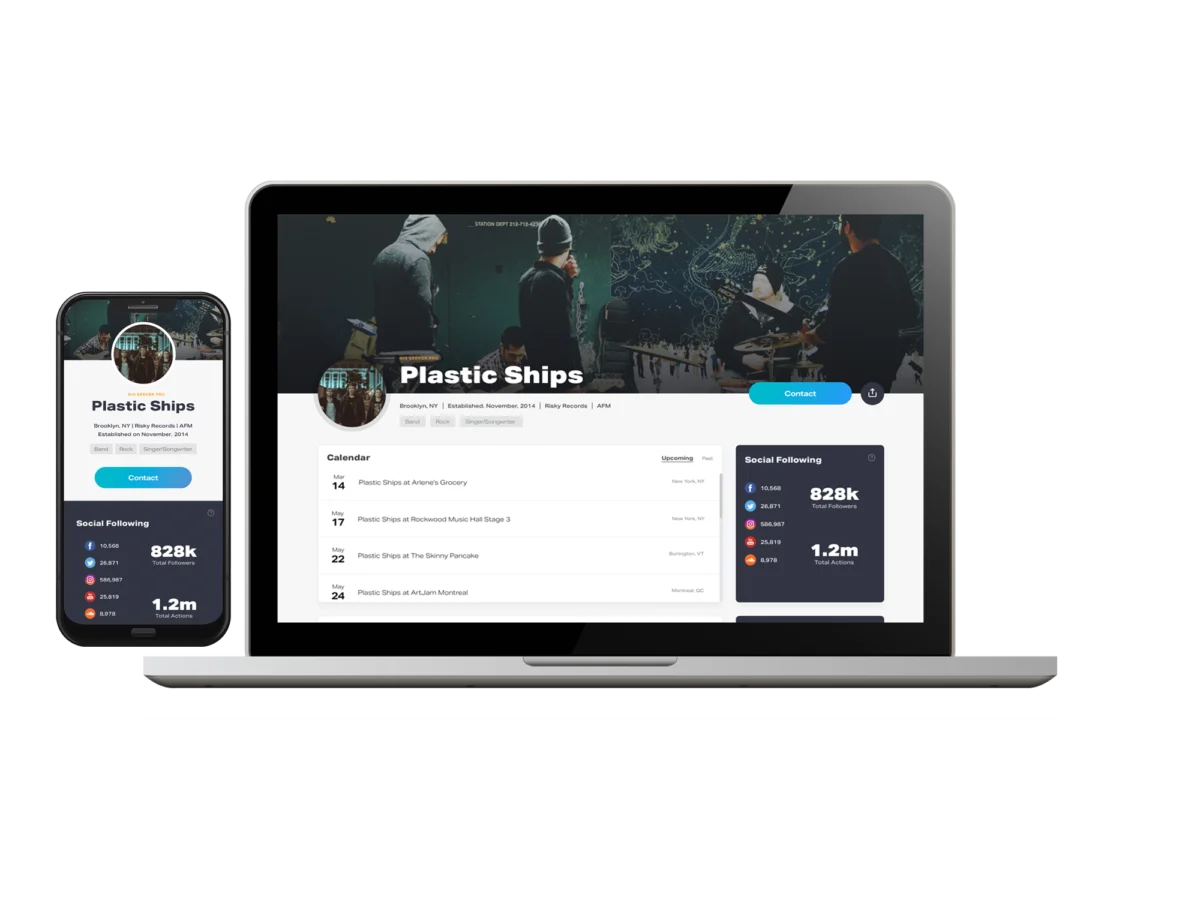
The modern independent music landscape is characterized by an unprecedented volume of content production and a democratization of distribution that has fundamentally altered how artists interact with the commercial side of the industry. As of 2024, industry data indicates that over 100,000 tracks are uploaded to major streaming platforms daily, creating a saturated marketplace where talent alone is often insufficient for professional advancement. In this competitive environment, the Electronic Press Kit (EPK) has emerged not merely as a convenience but as a foundational requirement for any artist seeking to transition from amateur performance to a professional career. Often described as a digital resume or a professional portfolio, the EPK serves as the primary bridge between the creative output of the artist and the logistical requirements of talent buyers, booking agents, journalists, and record labels.
The Chronological Evolution of Music Promotion
To understand the current necessity of the EPK, one must examine the historical shift in music promotion. Throughout the late 20th century, independent artists relied on physical press kits. These bulky packages typically contained a demo cassette or CD, a printed biography, a physical 8×10 glossy photograph, and photocopies of newspaper clippings. The cost of producing and mailing these kits was a significant barrier to entry, often limiting an artist’s reach to local or regional markets.
The year 2001 marked a significant turning point in this trajectory with the launch of platforms like Sonicbids. This era introduced the industry to the concept of the "standardized" digital press kit. By centralizing an artist’s assets in a web-based format, the industry began to move away from physical clutter toward a streamlined, efficient digital ecosystem. This transition coincided with the rise of social media and digital streaming, which further necessitated a centralized "source of truth" for an artist’s professional identity. Today, the EPK has evolved into a dynamic, multi-media asset that integrates real-time data, high-definition video, and interactive elements, providing a comprehensive overview of an artist’s brand in a format that can be consumed in under three minutes.
The Core Architecture of a Professional EPK
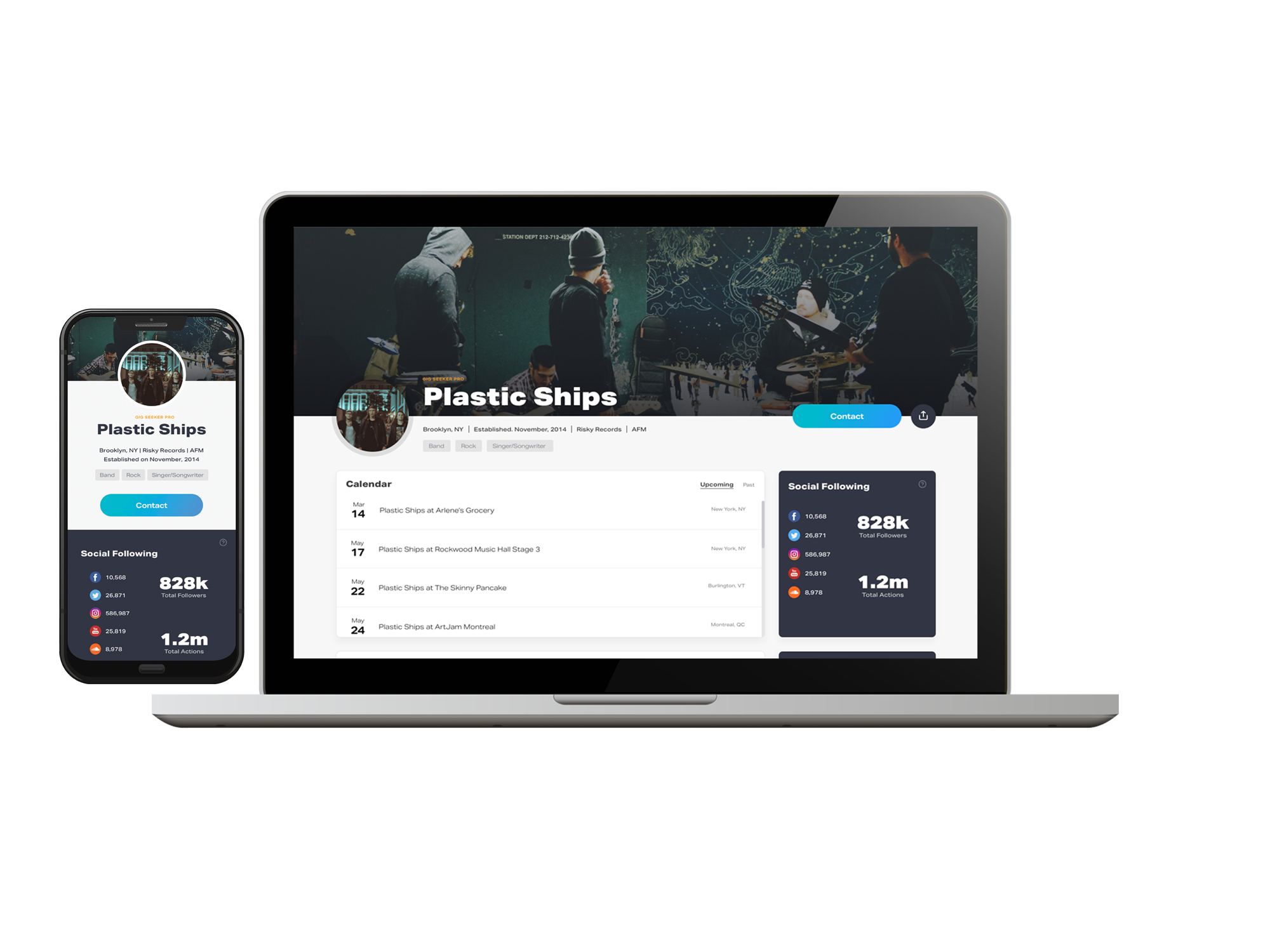
A professional EPK is more than a collection of links; it is a curated narrative designed to satisfy the specific information requirements of industry gatekeepers. According to talent buyers at major international festivals, the effectiveness of an EPK is determined by its ability to provide essential information with minimal friction. The standard architecture of a high-performing EPK typically includes five primary components:
1. High-Resolution Visual Assets
In the digital age, visual identity is frequently the first point of contact between an artist and a professional. A professional EPK must include high-resolution (300 DPI) promotional photographs in both landscape and portrait orientations. These images are essential for venue posters, digital banners, and editorial features. Journalists often report that the absence of high-quality, downloadable imagery is a primary reason for declining to cover an emerging artist.
2. Multi-Tiered Biographical Narrative
Industry professionals require different lengths of biographical information depending on the use case. A well-constructed EPK provides a "Twitter-style" one-sentence hook, a short paragraph for social media or concert listings, and a comprehensive long-form bio for feature articles. This tiered approach demonstrates professional foresight and eases the workload for busy media personnel.
3. Strategic Audio and Video Selection
While streaming links are ubiquitous, a professional EPK highlights the artist’s most commercially viable or critically acclaimed work. This section should include high-quality embeds of top-performing tracks and, crucially, high-definition live performance footage. For booking agents, live video serves as "proof of concept," demonstrating the artist’s ability to command a stage and engage an audience—metrics that static studio recordings cannot convey.
4. Verified Press and Performance History
Credibility in the music industry is often built on the "social proof" of previous accolades. This section aggregates pull-quotes from reputable music publications, radio play statistics, and a list of notable past performances. For independent artists, documenting a consistent growth trajectory—such as moving from 100-capacity venues to 500-capacity venues—is vital data for talent buyers assessing financial risk.
5. Technical Requirements and Contact Information
A frequently overlooked but critical element is the "Technical Rider" or "Stage Plot." This document outlines the artist’s equipment needs, input lists, and stage positioning. Providing this information upfront signals to venue production managers that the artist is professional and prepared, significantly reducing the likelihood of logistical friction during the booking process.
Data-Driven Justification for EPK Adoption
The shift toward data-centricity in the music business has made the EPK an essential tool for communicating an artist’s market value. Recent surveys of talent buyers at mid-sized venues indicate that approximately 85% of booking decisions are influenced by the ease of access to an artist’s professional materials. Furthermore, artists who utilize standardized EPK platforms report a 40% higher response rate from media outlets compared to those who send unsolicited, unorganized links via email.
The "one-link" philosophy of the EPK addresses the psychological phenomenon of decision fatigue among industry professionals. A booking agent managing a roster of 50 artists and receiving hundreds of inquiries per week does not have the temporal resources to search for an artist’s photos on Instagram, their music on Spotify, and their tech rider in a separate PDF attachment. By consolidating these assets, the EPK respects the professional’s time, thereby increasing the artist’s "bookability."
Industry Perspectives and Professional Analysis
Promoters and A&R (Artists and Repertoire) representatives emphasize that the EPK serves as a litmus test for an artist’s business acumen. "When we receive a submission that is a disorganized collection of SoundCloud links and low-resolution selfies, it tells us that the artist is not yet ready for a professional partnership," states a veteran talent buyer for a North American concert promotion firm. "Conversely, a polished EPK suggests that the artist understands the mechanics of the industry and will be a reliable partner in a commercial venture."
From a journalistic perspective, the EPK is a resource-saving tool. In an era where music editorial budgets have been significantly reduced, journalists are often required to produce content at a high frequency. An EPK that provides easy access to "copy-paste" ready bios and downloadable assets allows a writer to feature an artist with minimal administrative overhead. This efficiency can be the deciding factor in whether an indie artist receives coverage in a crowded release week.
Broader Implications for Career Sustainability
The implementation of a professional EPK has implications that extend beyond immediate bookings. It functions as a platform for continuous career mapping. As an artist achieves milestones—such as reaching 50,000 monthly listeners on a streaming service, winning a local award, or completing a regional tour—the EPK is updated to reflect this new status. This iterative process creates a documented history of growth, which is essential when an artist eventually seeks high-level management or major label representation.
Moreover, the EPK facilitates global reach. In the pre-digital era, an independent artist in London would struggle to gain the attention of a festival organizer in Austin, Texas. Today, a well-optimized EPK can be shared globally in seconds, allowing for international collaboration and touring opportunities that were previously reserved for artists with significant financial backing. The EPK essentially acts as a 24/7 digital storefront, accessible to industry professionals in any time zone.
Conclusion: The Imperative of Professional Presentation
In conclusion, the Electronic Press Kit has transitioned from a digital luxury to a structural necessity within the music industry. It is the primary vehicle for storytelling, branding, and data communication in a landscape where professional attention is the most valuable currency. For the independent artist, the EPK represents a commitment to their craft as a business entity.
By providing a concise, credible, and easily shareable representation of their artistry, musicians can bypass the noise of the saturated market. As the industry continues to evolve toward more integrated digital solutions, the artists who prioritize professional presentation through tools like the EPK will be the ones best positioned to capitalize on new opportunities. The message to the independent community is clear: in an industry built on first impressions, the quality of your press kit is as important as the quality of your music. Embracing this standard is the vital next step in transforming creative passion into a sustainable professional career. Organizations like Sonicbids continue to facilitate this transition, providing the infrastructure necessary for artists to navigate the complexities of the modern booking and promotion journey.
