

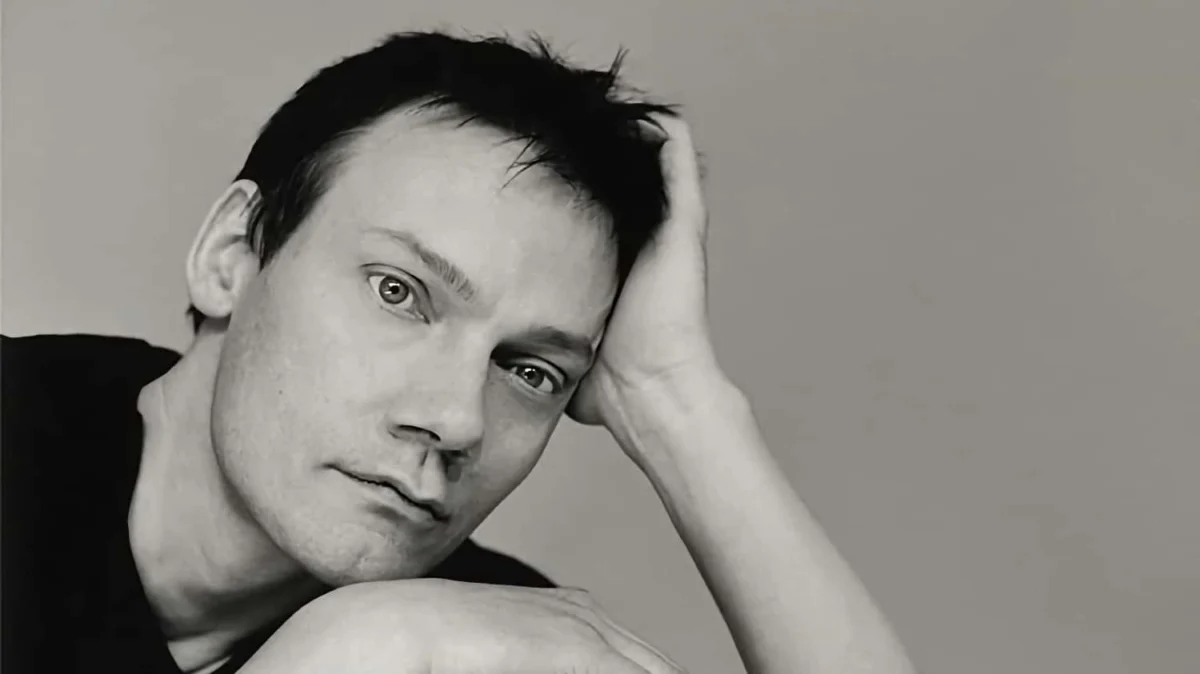
William Orbit, the visionary British musician, composer, and producer who redefined the landscape of modern pop by seamlessly weaving electronic textures into the mainstream, has died at the age of 69. Known birth name William Mark Wainwright, the Grammy Award-winning artist passed away on July 23, 2026, leaving behind a legacy that spans over four decades of sonic innovation. Orbit was a central figure in the evolution of ambient, house, and synth-pop, most notably recognized for his transformative work on Madonna’s 1998 masterpiece, Ray of Light. His death marks the end of an era for a generation of musicians who viewed him as the primary architect of the "ambient-pop" sound that dominated the late 1990s and early 2000s.
Throughout his career, Orbit was celebrated not only for his technical proficiency with synthesizers and digital workstations but also for his ability to bring an organic, emotional depth to electronic music. His production style—characterized by swirling, aquatic synth pads, intricate delay loops, and a fusion of acoustic and synthetic elements—helped bridge the gap between underground rave culture and global pop charts. Beyond his commercial success, Orbit remained a prolific solo artist, releasing a series of influential albums that explored the boundaries of instrumental electronic music.
A Chronology of Innovation and Mainstream Breakthrough
Born on December 15, 1956, in Shoreditch, London, William Mark Wainwright’s journey into music began in the late 1970s. By the early 1980s, he had formed the electronic group Torch Song alongside Laurie Mayer and Grant Gilbert. Operating out of their own Guerilla Studios in London, the group became a focal point for the emerging synth-pop and new wave scenes. Torch Song’s debut album, Wish Thing (1984), showcased Orbit’s early experimentation with layered textures and rhythmic complexity.
The late 1980s saw the launch of his solo career under the moniker William Orbit. He released the first of his Strange Cargo albums in 1987, a series that would eventually become a hallmark of the "chillout" and ambient house genres. These albums—Strange Cargo (1987), Strange Cargo II (1990), and Strange Cargo III (1993)—were instrumental in defining the sound of the burgeoning Balearic beat movement. His track "The Water from a Vine Leaf," featuring Beth Orton, remains a definitive example of the trip-hop and ambient fusion of the era.
Orbit’s career reached a global zenith in 1998 when he was recruited by Madonna to produce her seventh studio album, Ray of Light. The collaboration was born out of a desire to move away from the traditional R&B and ballad-heavy sounds of the mid-90s toward a more spiritual and experimental electronic direction. The result was a critical and commercial phenomenon. Ray of Light debuted at number one in numerous countries and has since sold over 16 million copies worldwide. Orbit’s production on tracks like "Frozen," "The Power of Good-Bye," and the title track "Ray of Light" earned him three Grammy Awards, including Best Pop Album and Best Dance Recording.
Expanding the Sonic Palette: Collaborations and Solo Success
Following the success of Ray of Light, Orbit became one of the most sought-after producers in the music industry. In 1999, he worked with the Britpop band Blur on their sixth album, 13. Moving away from their previous "Cool Britannia" sound, Orbit helped the band craft a more experimental, melancholic, and fractured record. The album’s lead single, "Tender," and the psychedelic "Coffee & TV" highlighted Orbit’s ability to adapt his electronic sensibilities to a rock band format, resulting in a raw, emotional sound that remains a fan favorite.
Orbit’s influence extended to various corners of the pop and rock worlds. He contributed to U2’s "Electrical Storm," Britney Spears’ Britney Jean album, and Pink’s "Feel Good Time." He also played a pivotal role in the success of the girl group All Saints, producing their UK number-one hits "Pure Shores" and "Black Coffee." "Pure Shores," featured on the soundtrack to the film The Beach, became one of the biggest-selling singles of 2000, further cementing Orbit’s reputation for creating lush, atmospheric pop that appealed to both critics and the general public.
In the year 2000, Orbit released Pieces in a Modern Style, a solo project that saw him reinterpret classical compositions through an electronic lens. The album featured works by Barber, Satie, and Beethoven. A remix of Samuel Barber’s "Adagio for Strings" by Dutch DJ Ferry Corsten became a massive international hit, peaking at number four on the UK Singles Chart. The track became a staple of the trance music scene and remains one of the most recognizable electronic dance music anthems of all time.

Later Career and Artistic Evolution
While Orbit took several breaks from the spotlight during the 2010s, he never ceased his creative output. He continued to release solo material and work on high-profile remixes. In 2022, he released The Painter, his first studio album in over eight years. The album served as a vibrant return to form, featuring collaborations with vocalists such as Katie Melua, Beth Orton, and Georgia. The Painter was lauded for its intricate production and its reflection of Orbit’s dual passions for music and visual art, as the album was accompanied by several of his own paintings.
In his later years, Orbit remained an advocate for the creative use of technology in music. He was an early adopter of digital recording techniques and frequently shared insights into his production process with aspiring musicians. His approach was often described as intuitive rather than clinical; he was known for embracing "happy accidents"—glitches or unexpected sounds that occurred during the recording process—and incorporating them into his final mixes.
Industry Reactions and Tributes
The news of William Orbit’s passing has prompted a wave of tributes from the music community. Colleagues and collaborators have noted his profound impact on the industry. A spokesperson for Madonna’s management team released a brief statement acknowledging the "deep creative bond" the two shared, noting that Orbit’s "sonic landscapes allowed her voice to reach new emotional heights."
Damon Albarn of Blur commented on Orbit’s ability to "find the beauty in the chaos," referring to their time working together on 13. Producers in the electronic music world, from the ambient pioneers of the 90s to modern EDM stars, have cited Orbit as a primary influence. Many have pointed to his ability to maintain a signature sound—often described as "shimmering" or "otherworldly"—regardless of the genre or artist he was working with.
Music critics have highlighted that Orbit’s legacy is not just found in his hit records but in the way he democratized electronic music. By bringing the sounds of the underground to the top of the charts, he paved the way for the electronic-pop fusion that has dominated the 21st century.
Broader Impact and Musical Legacy
William Orbit’s career serves as a bridge between the analog past and the digital future of music production. He was part of a generation of producers who moved away from large-scale, expensive studio setups toward more personal, computer-based environments, proving that high-quality, globally successful music could be made with a unique vision and a few well-chosen instruments.
His legacy is characterized by several key contributions to the medium:
- The Mainstream Explosion of Ambient Pop: Before Ray of Light, electronic music was often relegated to the club scene or niche "IDM" circles. Orbit proved that these textures could enhance the emotional resonance of pop songwriting.
- The "Chillout" Aesthetic: Through the Strange Cargo series, Orbit helped create a musical language for relaxation and introspection, influencing the "lo-fi" and ambient playlists of the modern streaming era.
- Cross-Genre Versatility: From classical reinterpretations to Britpop and teen pop, Orbit’s ability to apply his aesthetic to diverse genres made him one of the most versatile producers of his generation.
Orbit’s work continues to be studied by musicologists and production students for its complex layering and innovative use of stereo space. As the music world mourns his passing, his discography stands as a testament to the power of electronic music to evoke deep human emotion. William Mark Wainwright, the man known to the world as William Orbit, leaves behind a body of work that will continue to resonate in the synthesizers and soundscapes of future generations. Details regarding a memorial service have not yet been announced, but it is expected that the music industry will organize a series of tributes to honor his monumental contributions to the art form.
