

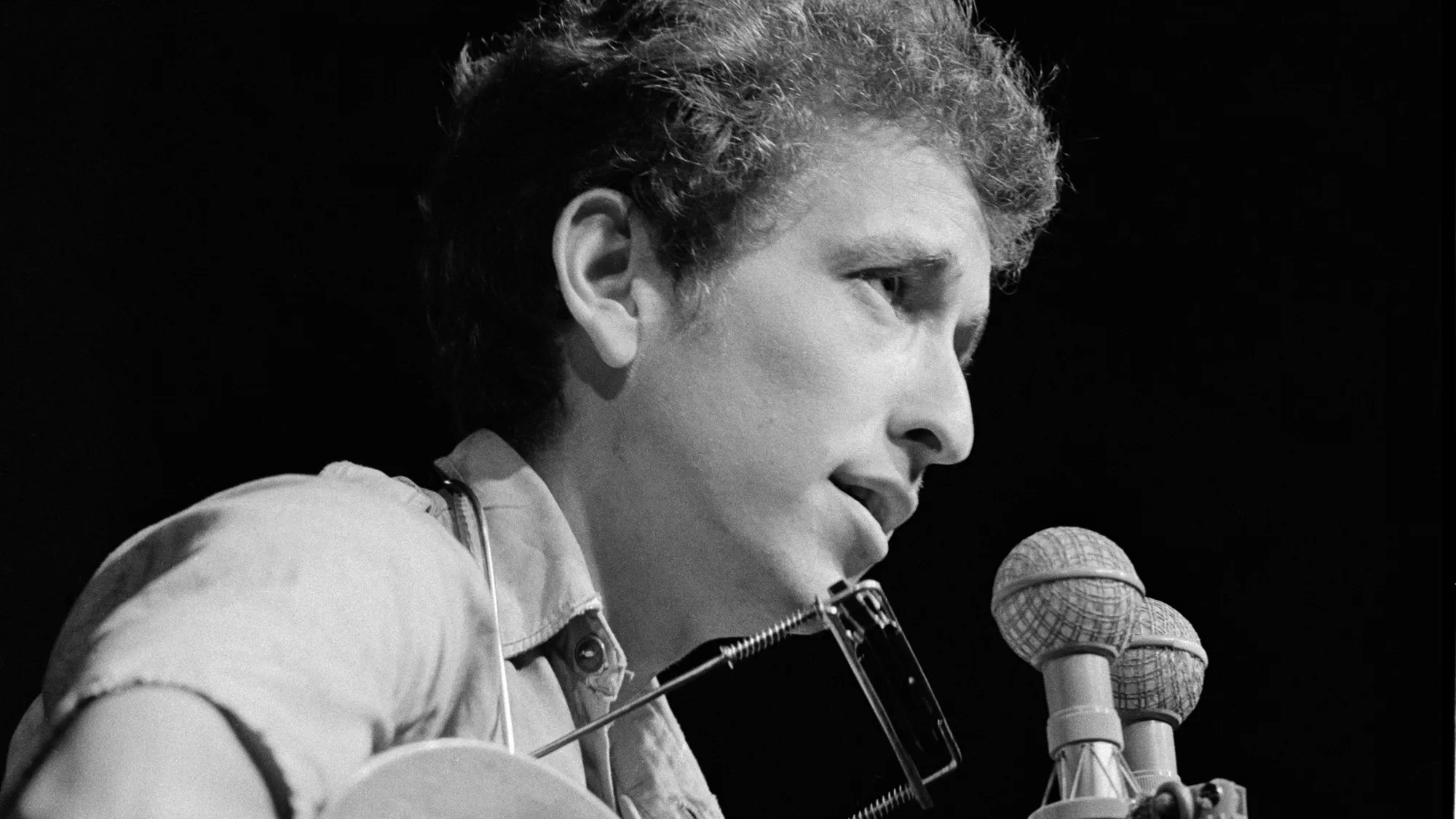
The 1960s represented a seismic shift in the architecture of popular music, transitioning from the polished, factory-style production of the Brill Building era to a more visceral, confessional mode of expression. As the decade progressed, songwriters increasingly looked inward, utilizing their personal tribulations, failed romances, and domestic complexities as primary source material. This evolution not only redefined the role of the artist but also forged a deeper, more empathetic connection with a global audience. By examining the origins of seminal tracks by The Beatles, Bob Dylan, and Joni Mitchell, one can trace the emergence of the "singer-songwriter" archetype—a figure who transformed private grief into public art.
The Architecture of Rejection: Paul McCartney and Jane Asher
Among the most poignant examples of this era’s autobiographical songwriting is "For No One," featured on The Beatles’ 1966 masterpiece, Revolver. While the band was mid-transition from mop-top idols to avant-garde pioneers, Paul McCartney was navigating the slow dissolution of his five-year relationship with actress Jane Asher. Asher, a prominent figure in London’s cultural scene, had been a significant influence on McCartney’s intellectual and social development, yet by the mid-60s, the pressures of fame and differing life trajectories began to take their toll.
Recorded in May 1966 at Abbey Road Studios, "For No One" is characterized by its stark, baroque-pop arrangement. The track famously features a French horn solo performed by Alan Civil, which underscores the song’s sense of regal isolation. Unlike the exuberant love songs of the early 1960s, "For No One" employs a detached, third-person perspective to describe the mundane rituals of a dying relationship: "She wakes up, she makes up / She takes her time and doesn’t feel she has to hurry / She no longer needs you."
In his 2021 book The Lyrics: 1956 to the Present, McCartney reflected on the track’s genesis, noting that the end of a relationship provides a "rich area to explore." He characterized the song as an exercise in empathy and self-reflection, acknowledging that the feeling of rejection is a universal human experience. Critics have long noted that "For No One" serves as a precursor to the more mature, emotionally complex songwriting that would dominate the late 60s. At the time of its release, Revolver spent seven weeks at number one on the UK Albums Chart, signaling that audiences were ready for pop music that grappled with the darker nuances of the human heart.
The Subversion of the Love Song: Bob Dylan and Suze Rotolo
While McCartney was refining the pop ballad, Bob Dylan was dismantling the folk tradition in New York City. His 1963 album, The Freewheelin’ Bob Dylan, featured a track that would become a blueprint for the "breakup song": "Don’t Think Twice, It’s All Right." The inspiration for this bittersweet anthem was Suze Rotolo, Dylan’s girlfriend from 1961 to 1964. Rotolo is perhaps most famous for appearing alongside Dylan on the Freewheelin’ cover, walking down a snowy Jones Street in Greenwich Village.
The relationship became strained when Rotolo traveled to Italy in 1962 to study at the University of Perugia. Her prolonged absence left Dylan in a state of creative and personal flux. "Don’t Think Twice, It’s All Right" was recorded in a single take on November 14, 1962. Musically, the song was adapted from a melody by folk singer Paul Clayton, but lyrically, it was entirely Dylan’s own.
Dylan’s approach to the subject matter was revolutionary. Rather than wallowing in sentimentality, he adopted a tone of weary resignation and subtle spite. Lines like "I gave her my heart but she wanted my soul" shifted the blame of the breakup onto the partner while simultaneously masking the singer’s vulnerability. Dylan himself later clarified that the song was not a "love song" in the traditional sense. Instead, he described it as a "statement" intended to make the speaker feel better—a form of internal dialogue.
This track marked a departure from the "protest singer" label that had been thrust upon Dylan. It proved that personal politics were just as compelling as global ones. The song’s enduring legacy is evidenced by its countless covers—ranging from Peter, Paul and Mary to Johnny Cash—each interpreting Dylan’s specific heartbreak through their own lens.
The Dissolution of Tradition: Joni Mitchell and the "Marriage of Convenience"
As the 1960s drew to a close, Joni Mitchell emerged as one of the most sophisticated voices in the confessional genre. Her 1968 debut album, Song to a Seagull, contained "I Had a King," a song that served as a public post-mortem of her marriage to folk singer Chuck Mitchell. The two had met in 1965 and married shortly thereafter, moving to Detroit to perform as a duo.
However, the union was fraught with artistic and personal friction. Joni Mitchell has since described the relationship as a "marriage of convenience," born out of the necessity of the time. The song "I Had a King" serves as a metaphorical critique of Chuck’s traditionalist views on music and gender roles. In the lyrics, Joni contrasts her husband’s preference for "wars and wine" and "ladies in gingham" with her own evolving identity in "leather and lace."
Tom Rush, a contemporary and champion of Mitchell’s early work, observed that Chuck Mitchell failed to recognize the magnitude of Joni’s talent, preferring she stick to traditional folk standards rather than her own idiosyncratic compositions. The lyrics "He lives in another time / Ladies in gingham still blush… But I, in my leather and lace / I can never become that kind" highlight the irreconcilable differences that led to their 1967 divorce.
The impact of "I Had a King" was twofold: it established Mitchell as a formidable lyricist capable of intricate metaphor, and it set the stage for her 1971 magnum opus, Blue. By documenting the collapse of her marriage with such precision, Mitchell paved the way for future artists to use the album format as a diary of their most private transitions.
Chronology of Influence: A Timeline of 1960s Personal Songwriting
To understand the progression of this movement, one must look at the timeline of these releases and how they mirrored the shifting cultural zeitgeist:
- 1962–1963: Bob Dylan records "Don’t Think Twice, It’s All Right." The song introduces a new level of cynical realism to the Greenwich Village folk scene, moving away from communal anthems toward individualistic expression.
- 1965: Joni Mitchell marries Chuck Mitchell. The two begin performing in Detroit, but Joni starts writing solo material in coffee shops to escape the confines of the marriage.
- 1966: The Beatles release Revolver. "For No One" demonstrates that even the world’s biggest pop band is willing to trade "Yeah, Yeah, Yeah" for "She no longer needs you," signaling the end of the "Innocent Age" of pop.
- 1967: Joni Mitchell divorces Chuck Mitchell and moves to New York City, then California, beginning the most prolific era of her career.
- 1968: Mitchell releases "I Had a King" on her debut album, effectively closing the door on her past and defining the "Laurel Canyon" sound.
Broader Impact and the Evolution of the Music Industry
The transition toward autobiographical songwriting had profound implications for the music industry. Prior to the 1960s, the "artist" and the "songwriter" were often separate entities. The 1960s collapsed this distinction, creating a market for "authenticity." Labels began to prioritize artists who could write their own material, believing that personal truth translated to commercial longevity.
Data from the era suggests that this shift was not just artistic but economically viable. Albums like Revolver and The Freewheelin’ Bob Dylan were not only critical darlings but consistent sellers that remained on the charts for years. This proved to executives that audiences were seeking more than just a catchy hook; they were seeking a shared emotional experience.
Furthermore, these songs challenged the societal norms of the time. By discussing divorce, rejection, and the failure of the "nuclear family" ideal, artists like Mitchell and McCartney were reflecting the real-world changes occurring in the wake of the sexual revolution and the feminist movement.
Analytical Conclusion: The Legacy of the Confessional Era
The songs "For No One," "Don’t Think Twice, It’s All Right," and "I Had a King" represent more than just the end of three specific relationships. They represent a fundamental change in how humanity consumes art. By stripping away the artifice of the stage and presenting their flaws and heartbreaks, these 1960s icons granted permission for future generations—from Fleetwood Mac in the 70s to Adele and Taylor Swift in the modern era—to use the recording studio as a sanctuary for truth.
In retrospect, the "easy outlet" for complicated feelings mentioned by many songwriters was anything but easy. It required a level of vulnerability that had previously been unheard of in popular media. The fact that these songs remain staples of the musical canon over half a century later is a testament to their honesty. They serve as a reminder that while relationships may be ephemeral, the art they inspire can achieve a form of immortality, providing a roadmap for anyone navigating the labyrinth of love and loss.
