

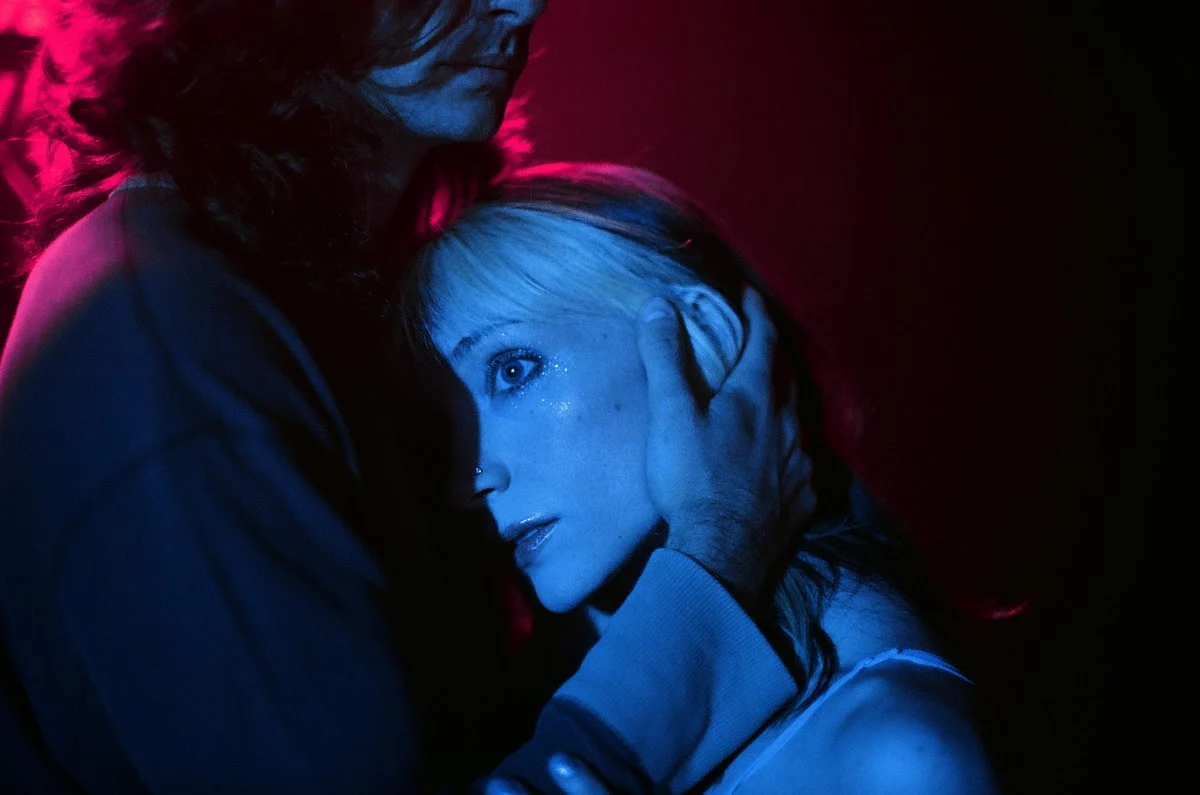
Montreal-based musician Ruby McKinnon, known by her artistic moniker Flower Face, has released a new single titled "Bad Dream," marking her first new music since the acclaimed 2024 album Girl Prometheus. The track, characterized by its hazy, glamorous, and distinctly pretty sonic aesthetic, arrives as McKinnon continues to build momentum following her recognition as a Stereogum Artist To Watch earlier this year. "Bad Dream" delves into themes of internal conflict and the illusory nature of perception, presented through a sonic landscape that evokes comparisons to the melancholic beauty of Mazzy Star blended with the atmospheric intensity reminiscent of the Drive soundtrack.
The Genesis of "Bad Dream": A Lyrical and Sonic Exploration
"Bad Dream" immediately distinguishes itself with its immersive atmosphere, drawing listeners into a contemplative and slightly unsettling sonic space. The production is meticulously crafted, featuring layers of reverb-drenched guitars, shimmering synthesizers, and McKinnon’s ethereal vocals, which float above the instrumentation with a haunting clarity. The song’s structure is fluid, eschewing conventional pop frameworks in favor of an unfolding narrative, both musically and lyrically. This deliberate pacing allows the track to build a sense of sustained introspection, inviting listeners to fully immerse themselves in its intricate emotional landscape.
The sonic texture of "Bad Dream" firmly places it within the contemporary resurgence of dream pop and shoegaze, genres that prioritize atmosphere, texture, and often melancholic melodies over overt rhythmic aggression. McKinnon’s use of expansive soundscapes, combined with subtle electronic pulses, also touches upon elements of cinematic synth-pop, a style gaining traction for its evocative storytelling potential. The comparison to Mazzy Star is particularly apt, reflecting the shared sensibility for understated vocal delivery and a pervasive sense of wistful longing. Similarly, the reference to the Drive soundtrack highlights the song’s capacity for creating a mood that is both retro-futuristic and emotionally resonant, suggesting a narrative unfolding in shadowed urban spaces.
McKinnon herself has provided profound insight into the lyrical core of "Bad Dream." She articulated the song’s essence as an exploration of internal conflict and the often-illusory nature of personal relationships and perceptions. "Could you have imagined it all? And if none of it is real, who is to blame?" she queries, setting the stage for a narrative steeped in existential introspection. Her statement continues, "Sometimes you fall so deep into this imaginary argument that you forget you have no real opponent, and like in a dream everyone is you, no one acts freely, you are fighting different versions of yourself, and you will never win, and you can project a whole life onto anyone who’s in front of you, but as soon as they open their mouth the illusion is shattered, it only works when they’re sleeping, it only works when they’re leaving, it only works when they’re not there at all."
This eloquent explanation reveals a sophisticated engagement with psychological themes. The "imaginary argument" speaks to the human tendency to construct narratives and conflicts within one’s own mind, often projecting internal struggles onto external figures. The idea that "everyone is you" in a dream state underscores the subjective nature of perception and the self-referential quality of our emotional battles. This internal battle, where one fights "different versions of yourself," is a poignant commentary on self-acceptance and the futility of striving for an external victory over internal demons. Furthermore, the notion of projecting "a whole life onto anyone who’s in front of you" until "the illusion is shattered" upon their genuine interaction, captures the fragility of idealized relationships and the often painful confrontation with reality. This lyrical depth elevates "Bad Dream" beyond a simple pop song, positioning it as a nuanced meditation on identity, illusion, and the complexities of human connection.
Visual Storytelling: McKinnon’s Directorial Vision
Complementing the song’s introspective mood, Ruby McKinnon took the helm as director for the "Bad Dream" official music video. This decision to self-direct is increasingly common among independent artists, offering unparalleled creative control and ensuring the visual narrative aligns perfectly with the artist’s original intent. For Flower Face, whose music is deeply personal and often visually evocative, directing her own video allows for a seamless integration of sound and imagery, enhancing the thematic resonance of the track.
While specific details of the video’s content were not provided in the initial announcement, McKinnon’s artistic sensibility suggests a visual accompaniment that would likely lean into the song’s themes of illusion, introspection, and perhaps a subtle sense of melancholia or detachment. Given the "hazy, glamorous" description of the song, the video could feature soft lighting, dreamlike sequences, and perhaps subtle visual metaphors for the "imaginary arguments" and shattered illusions McKinnon describes. The act of an artist directing their own video not only demonstrates a comprehensive artistic vision but also aligns with the ethos of independent music, where creative autonomy is often prioritized. This hands-on approach allows artists to present their work without external interpretations, ensuring the audience receives an unfiltered artistic statement. For fans, it offers a more intimate glimpse into the artist’s world, fostering a deeper connection and appreciation for their multifaceted talents.
Flower Face’s Ascendant Trajectory: From Girl Prometheus to Global Recognition
Ruby McKinnon’s journey as Flower Face has been one of consistent artistic evolution and growing recognition within the indie music landscape. Hailing from Montreal, a city renowned for its vibrant and diverse music scene that has fostered numerous acclaimed independent artists, McKinnon has steadily cultivated a unique sound. Her earlier works, often characterized by their raw emotion and atmospheric qualities, laid the groundwork for the more refined and expansive sound heard in her recent releases. She built a dedicated following through self-released music and direct engagement with her audience, a testament to the power of authentic artistry in the digital age.
The release of her 2024 album, Girl Prometheus, marked a significant milestone in her career. The album title itself, invoking the Greek myth of Prometheus who stole fire from the gods to give to humanity, hints at themes of creation, rebellion, and perhaps the burdens of foresight or profound insight. Girl Prometheus was met with critical praise, solidifying Flower Face’s reputation for crafting deeply personal yet universally resonant music. Critics lauded its lyrical depth, evocative instrumentation, and McKinnon’s distinctive vocal delivery, which effortlessly navigates between vulnerability and quiet strength. The album’s success not only expanded her fanbase but also caught the attention of influential music platforms.
This growing acclaim culminated in Flower Face being named a Stereogum Artist To Watch in 2024. Stereogum, an internationally recognized independent music publication, has a long-standing history of identifying emerging talent and providing early critical endorsements that often precede broader mainstream success. Their "Artist To Watch" designation is highly coveted within the indie music community, serving as a powerful stamp of approval that significantly boosts an artist’s visibility and industry profile. For Flower Face, this recognition underscored the critical impact of Girl Prometheus and positioned her as a key artist to follow in the coming years, indicating a trajectory towards wider critical and commercial appeal. This endorsement from a reputable outlet like Stereogum acts as a crucial signal to listeners, industry professionals, and other media outlets, drawing further attention to her already compelling body of work.
The Strategic Release of a Standalone Single
The release of "Bad Dream" as a seemingly "one-off single" after an album cycle is a strategic move increasingly favored by artists in the contemporary music industry. In an era where streaming dominates and attention spans are fragmented, artists often opt to release singles to maintain momentum, offer fresh content to their growing fanbase, and keep their name current between album projects. Unlike traditional album cycles that involve lengthy promotional campaigns for a full-length release, standalone singles allow for greater flexibility and responsiveness to artistic impulses.
This approach serves several purposes. Firstly, it keeps Flower Face’s audience engaged, providing new material to consume and share, thereby sustaining the buzz generated by Girl Prometheus and the Stereogum recognition. Secondly, it can serve as an opportunity for the artist to experiment with new sounds or lyrical themes without the pressure of an entire album concept. While "Bad Dream" maintains Flower Face’s signature atmospheric quality, it could also hint at subtle shifts or explorations in her musical direction. Lastly, the article’s observation that "it feels like the kind of song that you put out when you’ve got more music ready to go" is a logical inference. Many artists use standalone singles as precursors to larger projects, building anticipation for an upcoming EP or another full-length album. This strategy allows for a staggered release of content, maximizing exposure and creating a continuous narrative around the artist’s creative output. It’s a smart play in the modern music landscape, where continuous engagement is key to building and retaining a loyal audience.
The Broader Landscape: Dream Pop Revival and Independent Success
Flower Face’s rise is emblematic of several broader trends within the music industry. Her "gauzy, dreamy" sound is part of a significant revival of dream pop and shoegaze, genres that first gained prominence in the late 1980s and early 1990s. Contemporary artists are reinterpreting these styles, blending them with modern production techniques and a fresh lyrical sensibility. This resurgence reflects a wider cultural appetite for atmospheric, introspective, and emotionally resonant music that offers an escape from the often-harsh realities of the digital age. Artists like Beach House, Cigarettes After Sex, and even some facets of Billie Eilish’s work, share a common thread of atmospheric density and emotional depth, demonstrating the genre’s enduring appeal. Flower Face fits seamlessly into this landscape while carving out her own distinct niche with her unique lyrical perspective and vocal delivery.
Furthermore, McKinnon’s success highlights the increasing power and influence of independent artists in the digital era. With platforms like YouTube, Bandcamp, Spotify, and various social media channels, artists are no longer solely reliant on major record labels for distribution, promotion, or audience reach. This autonomy empowers artists to maintain complete creative control over their music, visuals, and messaging, fostering a more direct and authentic connection with their fanbase. Flower Face’s journey from independent releases to critical acclaim through platforms like Stereogum is a testament to this paradigm shift. It underscores that talent, authenticity, and strategic engagement can propel artists to global recognition without necessarily adhering to traditional industry gatekeepers. The Montreal music scene, known for its strong independent spirit and diverse artistic communities, provides a fertile ground for such organic growth, allowing artists like Flower Face to develop their craft in a supportive and creatively rich environment.
Future Implications and Artistic Vision
The release of "Bad Dream" not only provides new music for Flower Face’s burgeoning fanbase but also offers a glimpse into her evolving artistic vision. The song’s lyrical depth and sophisticated sonic production suggest a continued commitment to exploring complex emotional and psychological landscapes through her music. As an artist who directs her own music videos and articulates her thematic intentions with such clarity, McKinnon demonstrates a comprehensive understanding of her artistic identity and a strong desire to communicate it authentically.
Looking ahead, "Bad Dream" positions Flower Face for continued growth. While currently a standalone single, its release suggests a period of active creation, potentially leading to further singles, an EP, or another full-length album in the near future. Her increasing visibility, bolstered by the Stereogum recognition, will likely translate into more opportunities for touring, festival appearances, and broader collaborations, expanding her reach to new audiences both domestically and internationally. Flower Face represents a compelling voice in contemporary indie music, capable of crafting immersive soundscapes that are both aesthetically beautiful and deeply thought-provoking. Her ability to translate complex internal dialogues into universally relatable art ensures her continued relevance and trajectory as a significant artist to watch in the evolving musical landscape.
In conclusion, Flower Face’s new single "Bad Dream" is more than just a follow-up track; it is a meticulously crafted artistic statement that reinforces her position as a compelling and critically recognized musician. Coming off the success of Girl Prometheus and her Stereogum "Artist To Watch" designation, this single showcases her continued ability to weave intricate sonic textures with profound lyrical introspection. As Ruby McKinnon continues to navigate her artistic journey with creative autonomy and a clear vision, the indie music world eagerly anticipates her next immersive contribution.
