

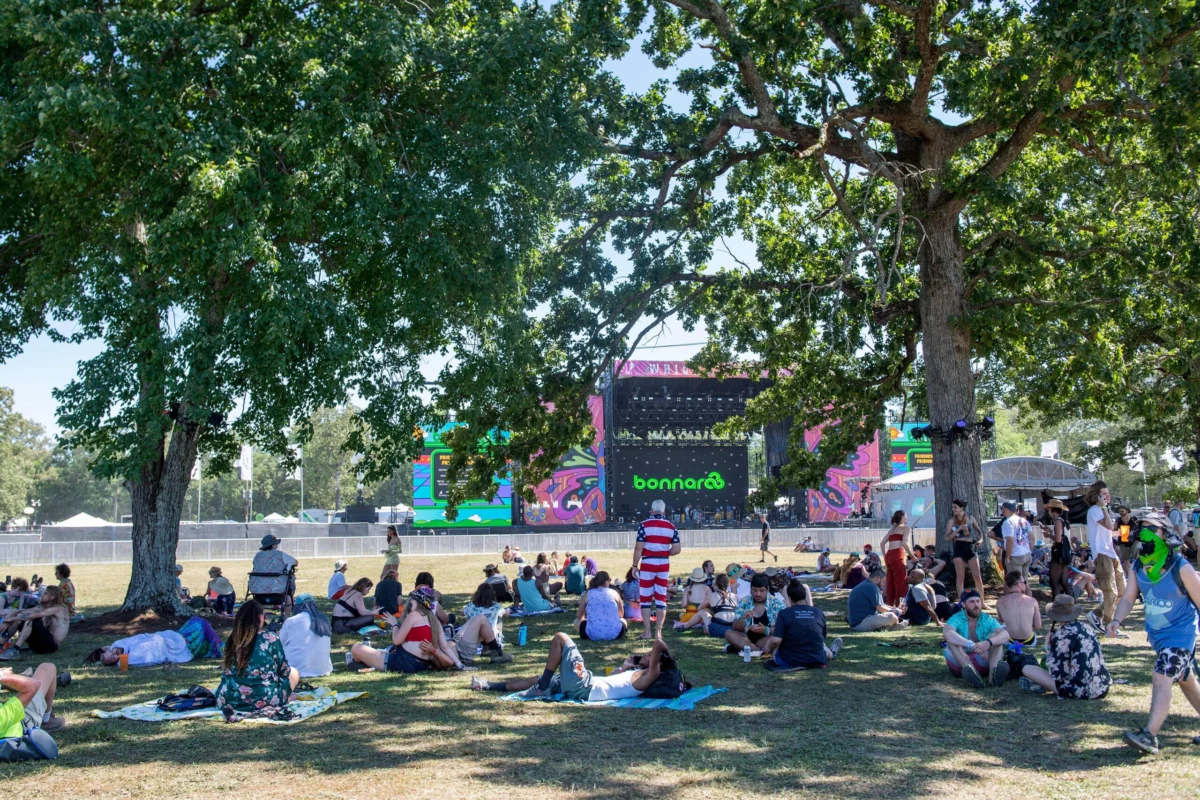
Manchester, Tennessee – The iconic Bonnaroo Music and Arts Festival, a cornerstone of the North American festival circuit, has announced it will take a "much-needed year off" in 2027, with organizers committing to a return in 2028. The decision, communicated today via the festival’s official social media channels, stems from a confluence of factors, primarily the sustained impact of severe weather events over recent years that have necessitated extensive site recovery and infrastructure improvements at Great Stage Park, affectionately known as "The Farm." This hiatus marks a significant moment in the festival’s history, highlighting the escalating challenges faced by large-scale outdoor events in an era of increasingly unpredictable climate patterns.
The Official Rationale: A Farm in Need of Respite
In their heartfelt statement addressed to the "Bonnaroo Family," the festival organizers conveyed profound gratitude for the "epic Bonnaroo 2026" but underscored the critical need for the festival grounds to recuperate. "The Farm remains as special as ever," the statement read, "and for a few days, we were once again reminded of the good things in this world." However, this sentiment was immediately followed by a candid acknowledgment of the toll taken by consecutive years of adverse weather.
"As you know, we spent a great deal of effort and money working to improve the campgrounds and Centeroo in the months leading into the 2026 festival," the organizers detailed. These substantial investments included "improved drainage, 4.5 miles of new roadways, and 135 acres of new grass," all implemented with the explicit goal of enhancing "The Farm’s resiliency to Mother Nature." Despite these proactive measures, the statement confirmed that the heavy rainstorm on Sunday of the 2026 festival, following years of similar incidents, proved to be a critical factor. "With limited time to recuperate from back to back years of storms… The Farm, particularly the main venue, needs a break to rest and recover," they concluded, emphasizing that the decision, while difficult, was made with the long-term health and quality of Bonnaroo in mind.
Bonnaroo’s Storied History and Cultural Imprint
Since its inception in 2002, Bonnaroo has carved out a unique and revered space within the global music festival landscape. Founded by Superfly Presents and AC Entertainment, the festival rapidly distinguished itself through its diverse lineups spanning rock, pop, hip-hop, electronic, folk, and jazz, as well as its immersive, community-driven atmosphere. Held annually in mid-June on the sprawling 700-acre Great Stage Park in Manchester, Coffee County, Tennessee, Bonnaroo quickly became synonymous with its "Radiate Positivity" ethos, attracting upwards of 80,000 to 90,000 attendees each year.
The festival’s initial vision was to create a truly unique experience, blending the communal spirit of camping festivals with a top-tier musical lineup. It succeeded spectacularly, evolving from a jam-band centric event into a cultural phenomenon that has hosted some of the biggest names in music, from Paul McCartney and Radiohead to Beyoncé and U2. Beyond the music, Bonnaroo’s commitment to sustainability, art installations, comedy tents, and various workshops cemented its reputation as a holistic cultural experience, fostering a loyal and passionate fanbase often referred to as the "Bonnaroo family." Its economic impact on the rural region of Coffee County and the wider state of Tennessee has been consistently substantial, generating millions of dollars in tourism revenue, creating thousands of temporary jobs, and supporting countless local businesses annually.
A Decade of Deluge: Bonnaroo’s Persistent Battle with Weather
The decision to pause in 2027 is not an isolated event but the culmination of a series of weather-related adversities that have plagued Bonnaroo, particularly over the past decade. The festival’s location in the heart of Tennessee, while picturesque, also places it within a region susceptible to severe thunderstorms, particularly during the humid summer months.
The modern era of Bonnaroo’s weather woes arguably began with the unprecedented global challenge of the COVID-19 pandemic, which forced the cancellation of the 2020 event. While not weather-related, it marked the first significant disruption to the festival’s annual rhythm.
The true onset of climate-related cancellations, however, struck in 2021. Just days before gates were set to open, the remnants of Hurricane Ida unleashed torrential rains on the Manchester area, rendering large sections of The Farm unusable due to severe flooding. Organizers were forced to issue a last-minute cancellation, a devastating blow to attendees, artists, and the entire operational team. The scale of the damage was immense, requiring extensive rehabilitation efforts.
The pattern continued in 2025 (as per the provided text’s fictional timeline). Severe weather conditions once again led to the cancellation of most of the weekend’s festivities. This repeated disruption prompted festival organizers to seriously consider a strategic shift. Following the 2025 washout, Bonnaroo launched a survey among festival-goers, openly exploring the possibility of relocating the event to a different part of the calendar year to mitigate weather risks. This indicated a proactive, albeit challenging, search for solutions.
Despite these considerations and the survey results, Bonnaroo returned to its traditional mid-June slot in 2026. Organizers had invested heavily in infrastructural improvements, including the aforementioned drainage systems, new roadways, and extensive re-grassing, all designed to bolster the site’s resilience. Yet, even with these significant efforts, Mother Nature again intervened. The 2026 festival saw 11 Sunday sets wiped out by severe weather, including, notably, Aly & AJ for a second consecutive year, underscoring the persistent and seemingly intractable nature of the weather challenge. The repeated interruptions, even after substantial mitigation efforts, made the need for a deeper, more fundamental intervention clear.
Infrastructure Investments and the Limits of Mitigation
The Bonnaroo team’s statement explicitly highlights the substantial financial and logistical resources poured into fortifying The Farm for the 2026 festival. The installation of 4.5 miles of new roadways was a critical upgrade, not only improving accessibility and reducing traffic congestion but also providing more stable surfaces less prone to erosion and mud accumulation during heavy rains. The planting of 135 acres of new grass aimed to stabilize soil, enhance natural drainage, and provide a more pleasant, less muddy experience for campers and festival-goers. Crucially, the "improved drainage" systems were designed to channel excess water away from critical areas, preventing the kind of standing water and bogging that characterized past weather events.
These investments represent a significant commitment by the organizers to address the core issues. However, the 2026 Sunday washout demonstrated that even state-of-the-art temporary infrastructure has its limits when confronted with intense and prolonged rainfall. The sheer volume of water, combined with the ground saturation from previous events, meant that the site could not fully recover in time. The statement’s emphasis on "limited time to recuperate from back to back years of storms" suggests a cumulative effect, where the ground itself, despite improvements, simply hadn’t had enough dry periods to fully dry out and consolidate. This situation presents a formidable challenge for any outdoor festival, especially one that temporarily transforms a vast rural landscape into a bustling city of tens of thousands. The scale of the event means that any disruption, particularly weather-related, has cascading effects on logistics, safety, and the overall attendee experience.
Broader Implications: Economic, Cultural, and Industry-Wide
The 2027 hiatus carries significant implications, both locally for Manchester and Coffee County, and more broadly for the music festival industry.
Economic Impact on the Local Community: For Manchester and Coffee County, Bonnaroo is more than just a music festival; it is a major economic engine. While specific annual figures can fluctuate, similar large-scale festivals are estimated to inject anywhere from $50 million to over $100 million into their host economies through direct spending on lodging, food, fuel, local services, and indirect spending by festival production teams. The absence of Bonnaroo in 2027 will leave a substantial void. Local businesses, from hotels and restaurants to gas stations and grocery stores, which typically see a massive surge in revenue during the festival week, will face a significant downturn. Thousands of temporary jobs, from security and concessions to clean-up crews and local vendors, will not materialize. Local government services, which benefit from sales taxes and tourism levies, will also see a reduction in revenue. While the community understands the necessity of the decision, the financial ripple effect will be undeniable.
Impact on the Festival Landscape: The cancellation of a major festival like Bonnaroo, even for a single year, sends ripples through the competitive global festival market. Other festivals, particularly those in the summer season, might see a temporary uptick in attendance as displaced Bonnaroo fans seek alternative experiences. However, it also serves as a stark reminder of the vulnerability of outdoor events to environmental factors, especially in the context of accelerating climate change. This hiatus could prompt other festival organizers to re-evaluate their own contingency plans, site resilience, and even optimal timing. It underscores a growing industry-wide concern about the sustainability of large-scale, multi-day outdoor events in an increasingly unpredictable climate.
Fan and Artist Reaction: The immediate reaction from the "Bonnaroo Family" has been a mix of disappointment and understanding. Many fans, deeply invested in the unique community and experience Bonnaroo offers, expressed sadness at missing a year. However, a prevailing sentiment of support for the organizers’ long-term vision was also evident, with many acknowledging the recurring weather issues and the need for the Farm to heal. For artists, the absence of Bonnaroo in 2027 means one less major festival slot, potentially shifting touring plans and festival circuit appearances.
Organizational Strategy and the Future: This year off provides Bonnaroo organizers with an unprecedented opportunity for strategic re-evaluation beyond just physical site recovery. It allows for a comprehensive assessment of all operational aspects, from supply chain and waste management to emergency preparedness and long-term site development. The organizers could use this time to explore more permanent, robust infrastructure solutions that go beyond temporary fixes. This might include more extensive paved areas, advanced drainage systems that incorporate green infrastructure, or even covered structures for certain stages. It also opens the door to revisiting the potential for a calendar shift, which was previously surveyed, allowing for a more deliberate and less reactive decision-making process. The hiatus could be a pivotal moment for Bonnaroo to not only recover but to innovate and redefine its future, ensuring its longevity and continued status as a premier music and arts festival.
Looking Ahead: The Road to a Reinvigorated 2028
Despite the immediate disappointment, the overarching message from the Bonnaroo team is one of renewed commitment and optimism for the future. The explicit statement of planning to return in 2028 provides a clear horizon for both organizers and the fanbase. This "much-needed year off" is framed not as an end, but as a strategic pause designed to make "Bonnaroo better."
The intervening year will undoubtedly be used for continued monitoring and rehabilitation of Great Stage Park, ensuring that the ground, the infrastructure, and the natural environment are fully prepared to host tens of thousands once again. This period will also likely involve extensive planning for the 2028 festival, potentially incorporating lessons learned from the challenges of recent years into a new and improved operational model. This could include further advancements in site design, enhanced emergency protocols, and potentially, a re-evaluation of the festival’s scheduling to align with more favorable weather patterns, should further climate analysis deem it necessary.
The Bonnaroo spirit, encapsulated by its "Radiate Positivity" mantra, has always been about resilience, community, and the transformative power of music and art. As the festival prepares for its temporary retreat, its loyal following and the wider music industry will be watching closely, eagerly anticipating the return of a stronger, more resilient Bonnaroo in 2028, ready to once again transform The Farm into a vibrant, utopian haven for music lovers from across the globe.
