

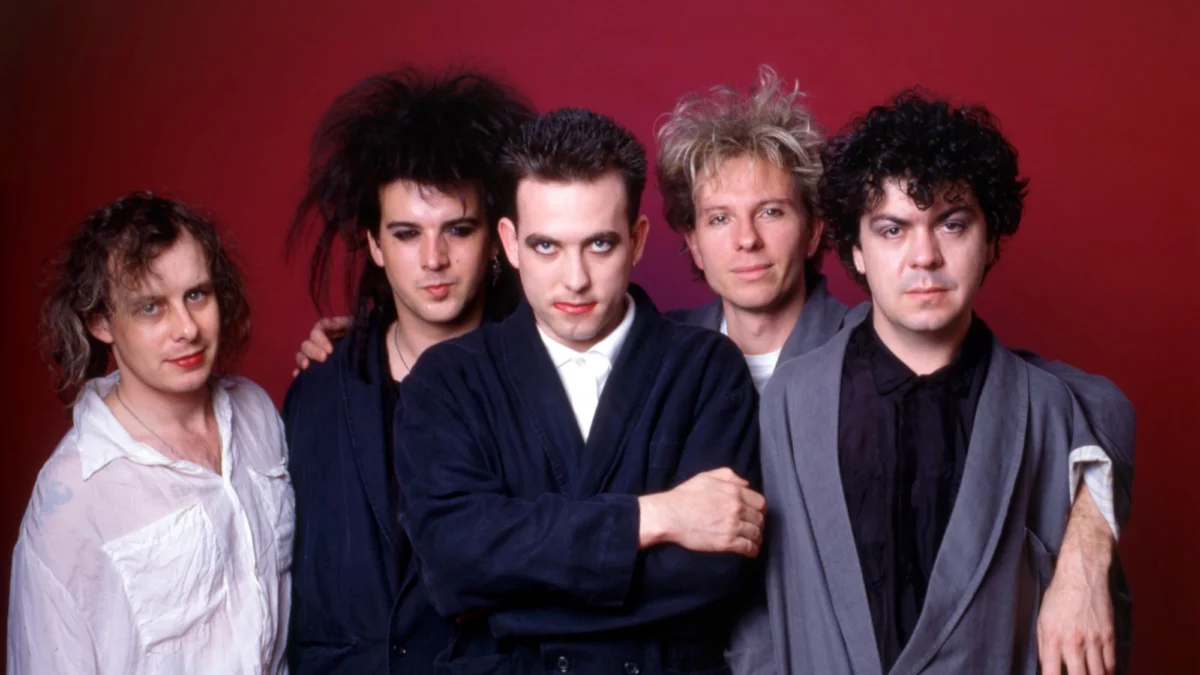
The landscape of popular music underwent a seismic shift during the late 1970s and early 1980s, a period characterized by the emergence of new wave. This sub-genre, born from the raw energy of punk rock and the intellectual curiosity of art school experimentation, relied heavily on a new breed of vocalists who eschewed traditional rock bravado in favor of something more idiosyncratic, atmospheric, and emotionally complex. These artists did not merely sing songs; they crafted personas and sonic identities that allowed the sub-genre to find its footing and eventually dominate the global airwaves. Without the distinctive vocal contributions of figures such as Robert Smith, Annie Lennox, David Byrne, Debbie Harry, and Dave Gahan, the movement might have remained a fleeting underground experiment rather than becoming the enduring cultural touchstone it is today.
The Evolution of the New Wave Sound
New wave emerged as a reaction to the perceived bloat of 1970s progressive rock and the terminal velocity of the punk movement. While punk sought to tear down the establishment, new wave sought to rebuild it using synthesizers, drum machines, and a fascination with the "future." This transition required a specific type of frontman and frontwoman—individuals who could convey the anxiety of the Cold War era while maintaining a pop sensibility that could translate to the burgeoning medium of music video.
The genre’s timeline is generally traced from 1977, with the release of seminal albums by Talking Heads and Blondie, through the mid-1980s, when the "Second British Invasion" brought synth-pop and new wave to the forefront of the American Billboard charts. Central to this success was the role of MTV, launched in 1981, which prioritized visual identity as much as musical prowess. The vocalists of this era became the faces of a generation, blending fashion, theatre, and innovative vocal techniques to create something entirely unprecedented.
Debbie Harry: The Bridge Between Punk and Pop
In the late 1970s, New York City’s CBGB scene was the epicenter of a musical revolution. At the forefront was Debbie Harry, the lead singer of Blondie. While often associated with the punk movement due to her band’s origins, Harry was instrumental in steering the collective sound toward what would become new wave. Her vocal delivery—often described as "cool," "detached," and "cinematic"—provided a perfect counterpoint to the band’s increasingly sophisticated arrangements.
The 1978 release of Parallel Lines served as a turning point. The track "Heart of Glass" showcased Harry’s ability to blend disco-inflected rhythms with ethereal, atmospheric vocals. This was a departure from the grit of punk, signaling a shift toward the polished, synthesizer-heavy production that would define the 1980s. Harry’s persona was equally influential; her bleached hair and thrift-store-chic aesthetic became a blueprint for the "cool girl" archetype in pop music. Industry analysts often point to Blondie’s success as the proof-of-concept for new wave’s commercial viability, as the band secured four number-one hits on the Billboard Hot 100 between 1979 and 1981.
David Byrne: The Intellectual Architecture of New Wave
If Debbie Harry provided the glamour, David Byrne of Talking Heads provided the intellectual rigor. Byrne’s vocal style was unlike anything previously heard in rock music. Characterized by a nervous, staccato delivery and a tendency toward "near-talking" vocals, Byrne’s performance style mirrored the themes of social alienation and domestic anxiety found in his lyrics.
The band’s collaboration with producer Brian Eno in the late 70s and early 80s, particularly on the album Remain in Light (1980), redefined the boundaries of the genre. Byrne’s vocals on "Once in a Lifetime" became an iconic representation of the era’s existential malaise. By incorporating polyrhythmic world music influences and avant-garde vocal layering, Byrne pushed new wave into the realm of high art. His influence is still felt today in the works of indie rock and "art-pop" artists who prioritize conceptual depth over traditional melodic structures.
Annie Lennox: Androgyny and the Soul of Synth-Pop
By the early 1980s, new wave had crossed the Atlantic in full force. Annie Lennox, one half of the Eurythmics alongside Dave Stewart, became one of the most recognizable voices and faces of the decade. Lennox’s vocal range—a powerful, soul-inflected contralto—brought a level of technical mastery to a genre that was sometimes criticized for being "cold" or "robotic" due to its reliance on electronics.
The 1983 hit "Sweet Dreams (Are Made of This)" catapulted Lennox to international stardom. Her decision to appear in the music video with a buzz cut and a man’s suit challenged traditional gender norms, a move that resonated deeply with the burgeoning MTV audience. This androgynous presentation, combined with her commanding vocal presence, helped new wave penetrate the mainstream consciousness. Lennox proved that electronic music could possess a "human" soul, a feat that earned her and Stewart multiple Grammy nominations and a lasting legacy as pioneers of the Second British Invasion.
Robert Smith: The Gothic Architect of Melancholy
While many new wave artists focused on the bright, neon-lit future, Robert Smith of The Cure explored the darker, more introspective corners of the sub-genre. Smith’s voice—often characterized by a distinctive "sob" or a high-register whine—became the definitive sound of "goth-tinged" new wave. His ability to convey profound angst and romantic longing allowed The Cure to build a cult following that eventually expanded into stadium-filling success.
The Cure’s trajectory from the post-punk minimalism of Seventeen Seconds (1980) to the lush, psychedelic pop of Kiss Me, Kiss Me, Kiss Me (1987) demonstrated Smith’s versatility. His vocal performance on "Just Like Heaven" remains a masterclass in new wave songwriting, balancing minor-key melancholy with a soaring, melodic hook. Smith’s influence on the "emo" and alternative rock movements of the 1990s and 2000s cannot be overstated, as he provided a template for expressing vulnerability within the framework of a rock band.
Dave Gahan: The Baritone of Industrial Intensity
As the 1980s progressed, the English band Depeche Mode evolved from "bubblegum" synth-pop into a darker, more industrial sound. Central to this evolution was frontman Dave Gahan. Gahan’s deep, resonant baritone provided the necessary weight for the band’s exploration of heavy themes, including guilt, religious doubt, and carnal desire.
Gahan’s transformation from a shy teenager into a charismatic, leather-clad stadium frontman mirrored the band’s rising fortunes. By the time of the 1990 release of Violator, Gahan’s vocals on tracks like "Enjoy the Silence" and "Personal Jesus" had become synonymous with a more mature, cynical version of new wave. His ability to maintain emotional intensity amidst a barrage of cold, mechanical beats made Depeche Mode one of the most successful electronic acts in history, with over 100 million records sold worldwide.
Supporting Data and Market Impact
The commercial impact of these five vocalists is reflected in the historical data of the recording industry. During the peak new wave years (1979–1984), the genre accounted for a significant percentage of top-ten hits in both the United Kingdom and the United States. For instance, in 1983, over 30% of the Billboard year-end charts featured artists categorized as new wave or synth-pop.
| Artist | Key Breakthrough Year | Global Record Sales (Est.) |
|---|---|---|
| Blondie | 1978 | 40 Million+ |
| Talking Heads | 1980 | 10 Million+ |
| Eurythmics | 1983 | 75 Million+ |
| The Cure | 1987 | 30 Million+ |
| Depeche Mode | 1981/1990 | 100 Million+ |
This data underscores the fact that these vocalists were not merely niche performers; they were the primary drivers of the music economy during a decade of rapid technological change.
Analysis of Broader Implications and Legacy
The legacy of these vocalists extends far beyond their chart positions. They fundamentally altered the expectations of what a lead singer could be. By prioritizing mood, texture, and visual identity, they paved the way for the "alternative" explosion of the 1990s. Artists ranging from Radiohead’s Thom Yorke to Lady Gaga have cited these five figures as primary influences on their vocal styles and stage personas.
Furthermore, the "new wave" vocalists were instrumental in the democratization of music. The genre’s reliance on synthesizers and a "D.I.Y." ethos—inherited from punk—suggested that one did not need a traditional "rock star" voice to make an impact. Instead, a "distinctive" voice, coupled with a strong creative vision, was the new currency of the industry.
In retrospect, the new wave era was a rare moment in music history where the avant-garde and the mainstream converged. The vocalists profiled here were the catalysts for that convergence. Their voices—whether Debbie Harry’s cool detachment or Dave Gahan’s brooding intensity—continue to resonate on streaming platforms and in the work of contemporary artists, serving as a reminder of an era when the future of music felt truly limitless. As modern pop continues to cycle back to the sounds of the 80s, the blueprint laid down by these five timeless vocalists remains as relevant and influential as ever.
