

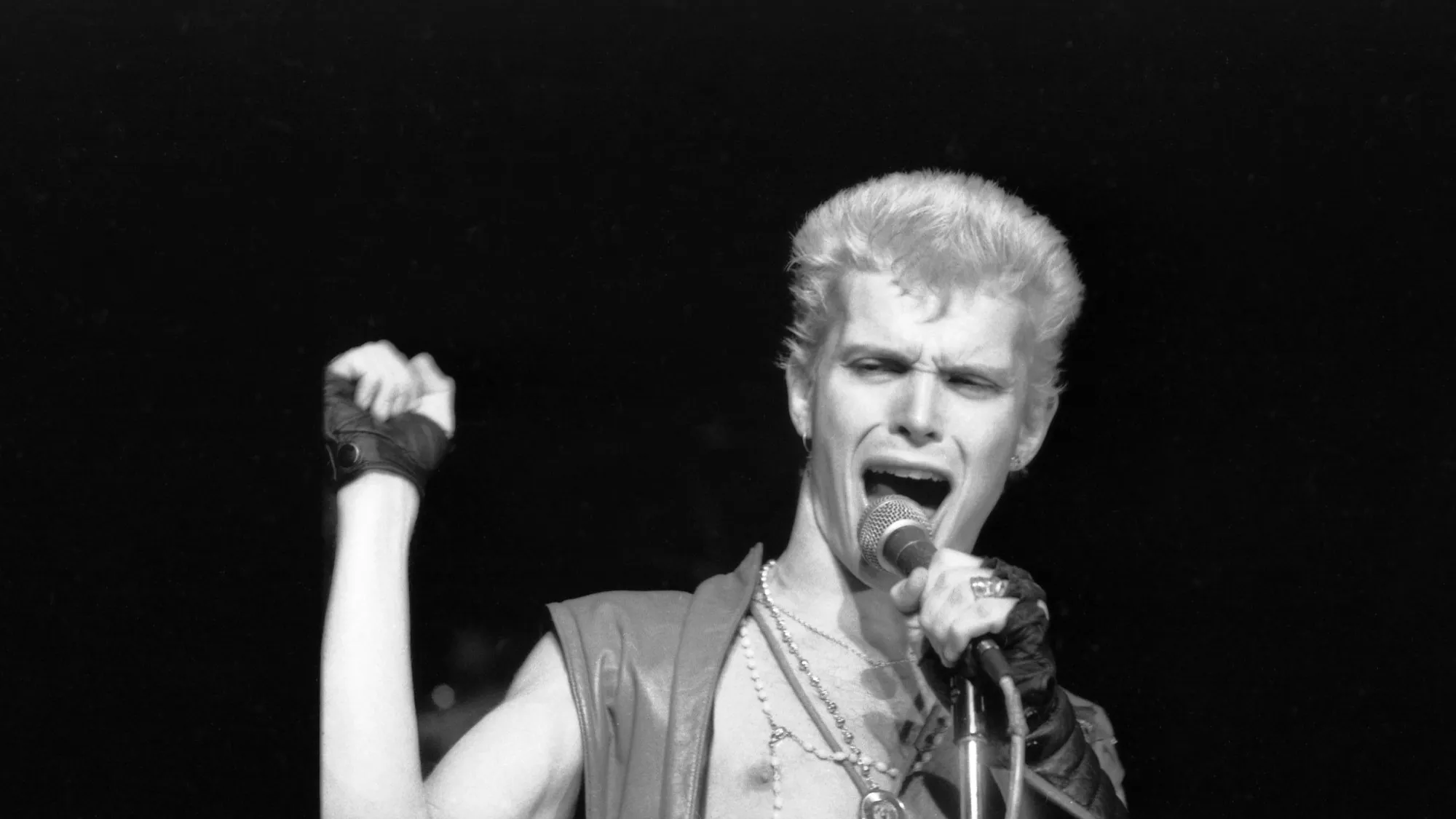
The year 1982 stands as a pivotal moment in the history of popular music, representing the precise intersection where the raw energy of 1970s rock collided with the burgeoning technological advancements of the 1980s. It was a year defined by the rapid expansion of MTV, which had launched only a year prior, and the shift toward a more visual, polished, and synth-integrated sound. Amidst this cultural metamorphosis, three specific tracks emerged that would not only dominate the airwaves of the era but would also achieve a rare form of sonic immortality. Billy Idol’s "White Wedding," Heart’s "This Man Is Mine," and Duran Duran’s "Hungry Like the Wolf" represent three distinct facets of the 1982 rock landscape: the rebellious edge of punk-infused pop, the melodic precision of classic rock royalty, and the exotic allure of the New Romantic movement.
The 1982 Musical Landscape: A Contextual Overview
To understand the impact of these three songs, one must examine the state of the music industry in the early 1980s. The industry was recovering from a significant recession, and labels were looking for "safe bets" that could also capitalize on the new medium of the music video. In 1982, the Billboard charts were a melting pot of genres, featuring everything from the synth-pop of The Human League to the hard rock of Van Halen. This was the year that Michael Jackson released Thriller, forever changing the scale of pop music, but it was also the year that rock music found a new, sleeker identity. The tracks released during this period benefited from improved studio production techniques, including the early use of digital recording and the widespread adoption of polyphonic synthesizers and programmable drum machines.
Billy Idol and the Gothic Punk of "White Wedding"
"White Wedding" serves as a masterclass in atmospheric rock and remains one of the most recognizable tracks of the decade. Released as part of Billy Idol’s self-titled debut solo album, the song followed his departure from the punk band Generation X. While his first single, "Hot in the City," had proven his viability as a solo artist, "White Wedding" established his persona as the "bad boy" of the MTV era.
The song’s construction is deceptively simple, built around a brooding bassline and Steve Stevens’ iconic, surf-rock-inspired guitar riff. Lyrically, the song explores themes of betrayal and societal expectation. Idol has frequently clarified that the "little sister" mentioned in the song was inspired by his real-life sister, Jane. At the time, she was pregnant and getting married, a situation that Idol viewed through a dramatic lens. He reflected on the social stigmas of previous decades, wondering how such a "shotgun wedding" would have been perceived in the 1950s. This prompted him to inject a sense of "crazed vengeance" into the lyrics, creating a narrative that felt more like a dark cinematic scene than a traditional celebratory wedding song.
From a commercial standpoint, "White Wedding" was a slow burner. It initially reached number 36 on the Billboard Hot 100 in 1983, but its longevity has far outstripped its initial chart position. The music video, featuring a gothic wedding ceremony and Idol’s signature sneer, became a staple of MTV rotation. This visual component was crucial; it helped define the "punk-pop" aesthetic that would influence countless artists in the decades to follow. Today, the song maintains a massive presence on digital platforms, with hundreds of millions of streams on Spotify and continued use in film and television, cementing its status as a foundational piece of the 1980s rock canon.
Heart’s Transition and the Success of "This Man Is Mine"
By 1982, the band Heart was in a state of significant transition. Known for the heavy, folk-infused hard rock of the late 1970s—typified by hits like "Magic Man" and "Barracuda"—the band was navigating a changing industry and internal shifts. Their sixth studio album, Private Audition, was a departure from their previous sound, leaning into a more experimental and polished production style.
The standout track from this era was "This Man Is Mine," written by Ann Wilson, Nancy Wilson, and their frequent collaborator Sue Ennis. The song is a mid-tempo, catchy rock track that showcases Ann Wilson’s legendary vocal range while maintaining a more accessible, pop-oriented structure. Lyrically, the song is a direct assertion of romantic possession and boundaries, delivered with the confidence and authority that the Wilson sisters brought to the male-dominated rock world.
Despite the song’s success as a Top 40 hit, the Private Audition album was a commercial disappointment compared to their multi-platinum successes of the 1970s. This period is often viewed by music historians as a "wilderness era" for Heart, yet "This Man Is Mine" remains a critical link in their evolution. It demonstrated the band’s ability to adapt to the 80s aesthetic without losing their core identity. This adaptability would eventually lead to their massive mid-80s resurgence with the album Heart (1985). "This Man Is Mine" serves as a testament to the band’s resilience and their ability to craft enduring melodies even during periods of creative flux.
Duran Duran and the Global Dominance of "Hungry Like the Wolf"
While Billy Idol brought the grit and Heart brought the rock pedigree, Duran Duran brought the glamour and the future. "Hungry Like the Wolf," the second single from their landmark album Rio, is perhaps the quintessential 1980s music video hit. Written by the band members in a single afternoon at EMI’s Abbey Road Studios, the song was a product of spontaneous creative synergy.
Technically, "Hungry Like the Wolf" was ahead of its time. It utilized the Roland Jupiter-8 synthesizer and a sequenced backing track that gave it a relentless, driving energy. The lyrics, penned by Simon Le Bon, were intentionally abstract and relied heavily on animalistic metaphors to convey desire and pursuit. Bassist John Taylor has noted that the band didn’t necessarily have a concrete narrative in mind, but the "vibe" of the song was unmistakable.
The song’s trajectory was fundamentally altered by its music video. Filmed by director Russell Mulcahy in the jungles of Sri Lanka, the video featured the band in an "Indiana Jones"-esque adventure. This high-budget, cinematic approach to music videos was revolutionary. It helped Duran Duran break into the American market, where "Hungry Like the Wolf" peaked at number 3 on the Billboard Hot 100.
The song’s impact cannot be overstated. It was a cornerstone of the "Second British Invasion," a period when UK artists dominated the US charts thanks to their mastery of the music video format. In 1983, the song won a Grammy Award for Best Short Form Music Video, one of the first of its kind. Its legacy continues through its constant presence in pop culture, from covers by alternative rock bands to its use in major advertising campaigns and video games.
A Chronological Turning Point: Why 1982 Mattered
The release of these three songs in 1982 represents a specific chronology of the "new" rock era. In the early months of the year, the industry was still grappling with the decline of disco and the fragmentation of rock. By the end of 1982, a new formula had been established: rock music needed to be visually compelling, rhythmically precise, and radio-friendly.
- Spring 1982: Duran Duran releases Rio in the UK, beginning their ascent to global superstardom.
- Summer 1982: Heart releases Private Audition, attempting to bridge the gap between their 70s roots and the 80s future.
- Late 1982: Billy Idol’s "White Wedding" begins to gain traction on American radio and MTV, solidifying his solo career.
This timeline illustrates a year of rapid experimentation. Each of these artists was taking a risk—Idol by going solo, Heart by changing their sound, and Duran Duran by investing heavily in a visual-first strategy.
Data and Cultural Implications
The enduring popularity of these tracks is supported by modern data. On streaming platforms, "Hungry Like the Wolf" and "White Wedding" consistently rank in the top percentile of 80s tracks, often gaining new life through viral trends on platforms like TikTok and Instagram. This "digital afterlife" ensures that the songs are heard by generations born long after 1982.
Furthermore, the influence of these tracks on subsequent genres is documented by musicologists. The synth-heavy production of Duran Duran paved the way for the electronic dance music (EDM) and modern synth-pop of the 2010s. Billy Idol’s blend of punk attitude and pop hooks became a blueprint for the pop-punk explosion of the late 90s. Heart’s success in 1982 provided a roadmap for female-led rock bands to maintain longevity in an industry that was often quick to dismiss aging artists.
Broader Impact and Industry Legacy
The success of these three songs in 1982 signaled the end of the "classic rock" era as it was traditionally known and the beginning of the "video rock" age. For the first time, the image of the artist was as important as the audio recording. Billy Idol’s peroxide hair, the Wilson sisters’ commanding stage presence, and Duran Duran’s designer suits became iconic symbols of the era.
In retrospect, 1982 was a year of incredible creative density. While these three songs are vastly different in tone and origin, they share a common thread of high-quality songwriting and a keen understanding of the cultural zeitgeist. They remain "feel-good" tracks not just because of nostalgia, but because they represent a time when rock music was unafraid to be theatrical, melodic, and adventurous.
As the music industry continues to evolve in the age of AI and algorithmic curation, the human elements of these 1982 hits—Idol’s personal family drama, the Wilsons’ vocal prowess, and Duran Duran’s spontaneous studio jam—serve as a reminder of the power of authentic artistic expression. These songs do more than just make listeners smile; they serve as the sonic architecture of a decade that continues to fascinate and inspire. Through their continued play on the radio, their presence in digital media, and their influence on new artists, "White Wedding," "This Man Is Mine," and "Hungry Like the Wolf" remain essential pillars of the rock and roll story.
