

The landscape of popular music is defined by fleeting trends and seasonal hits that dominate the airwaves for a few months before receding into the archives of nostalgia. However, a select tier of compositions transcends the boundaries of temporary popularity to become what musicologists and cultural historians describe as "evergreen" anthems. These tracks are no longer merely entries in a discography; they have evolved into essential social infrastructure, serving as the rhythmic backbone for weddings, sporting events, and milestone celebrations across the globe. Among the most prominent of these cultural institutions are Kool & The Gang’s "Celebration," ABBA’s "Dancing Queen," and Whitney Houston’s "I Wanna Dance With Somebody (Who Loves Me)." These three songs represent more than just successful commercial ventures; they are shorthand for collective joy, possessing a unique ability to bridge generational divides and maintain a permanent presence on global playlists decades after their initial release.
The Spiritual and Social Origins of Kool & The Gang’s Celebration
Released in late 1980 as the lead single from the album Celebrate!, Kool & The Gang’s "Celebration" stands as perhaps the most literal interpretation of a party anthem in the history of the Billboard charts. The song’s origins, however, were rooted in a surprisingly spiritual context. Ronald Bell, the group’s co-founder and saxophonist (also known by his Muslim name, Khalis Bayyan), conceived the idea for the track while reading the Quran. He was struck by the passage describing the creation of the world and the angels celebrating the event. This concept of a universal, celestial gathering inspired the "everyone around the world, come on" hook that would eventually define the track.
Musically, "Celebration" marked a significant pivot for Kool & The Gang. Having spent much of the 1970s as a gritty, horn-driven funk outfit, the band transitioned toward a more polished, pop-oriented R&B sound under the production guidance of Eumir Deodato. This shift was designed to broaden their appeal, and "Celebration" was the pinnacle of this strategy. The song reached the number one spot on the Billboard Hot 100 on February 7, 1981, and remained a fixture on the charts for 30 weeks.
The song’s status as a national institution was cemented almost immediately. In early 1981, "Celebration" was used as the unofficial theme song for the return of the 52 American hostages from Iran, played incessantly during parades and news broadcasts. This association with national relief and homecoming transformed the track from a disco-funk hit into a symbol of collective American resilience. In 2020, the Library of Congress recognized its historical significance by inducting the original recording into the National Recording Registry, citing its "enduring popularity as a staple of weddings, parties, and sporting events."
ABBA and the Royal Pedigree of Dancing Queen
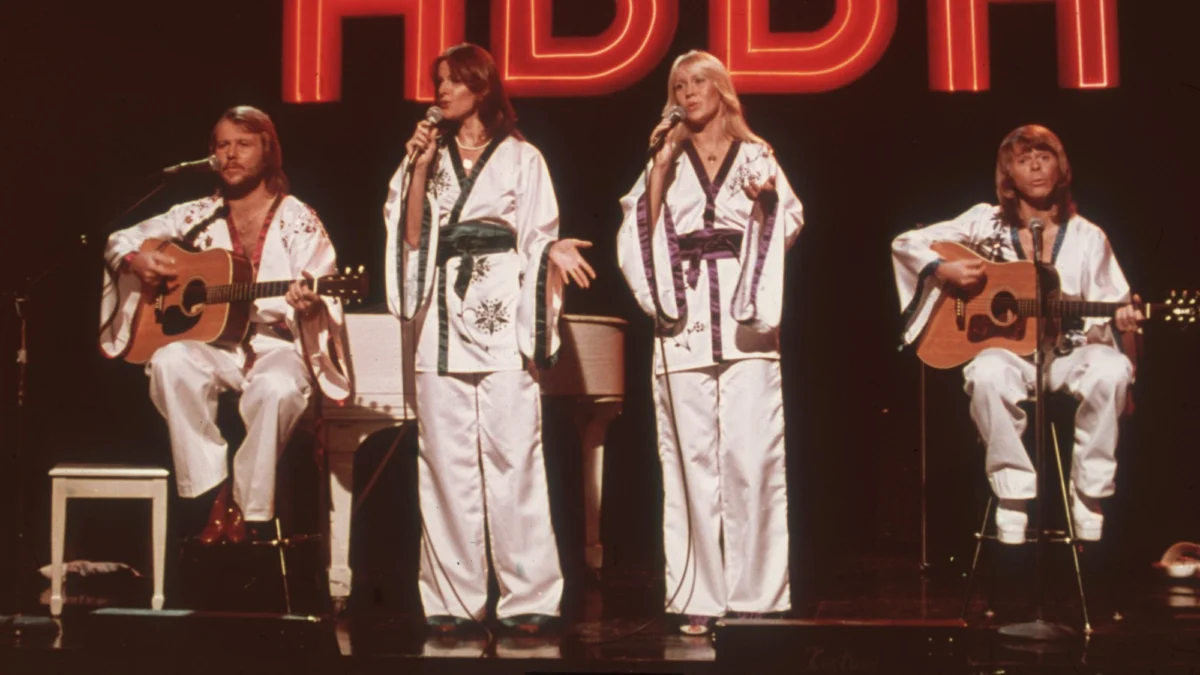
While Kool & The Gang provided the quintessential American party anthem, the Swedish quartet ABBA delivered the definitive European contribution to the global celebration canon with "Dancing Queen." Recorded in 1975 and released in 1976 as part of the Arrival album, "Dancing Queen" is often cited by critics as one of the greatest pop songs ever written. Unlike the high-tempo freneticism of many disco tracks of the era, "Dancing Queen" utilizes a mid-tempo, wall-of-sound production style influenced by the work of Phil Spector and the rhythmic "fatness" of George McCrae’s "Rock Your Baby."
The song’s debut was as prestigious as its eventual legacy. ABBA performed "Dancing Queen" for the first time on June 18, 1976, during a televised special honoring the wedding of King Carl XVI Gustaf of Sweden and Silvia Sommerlath. This royal association bestowed an immediate sense of "prestige pop" upon the track. It went on to top the charts in over a dozen countries, including the United Kingdom, West Germany, and the United States, where it remains ABBA’s only number-one hit on the Billboard Hot 100.
The longevity of "Dancing Queen" is supported by its technical complexity. Musicologists point to its "sentimental disco" feel—a combination of major-key exuberance and a slight, underlying melancholy in the vocal delivery of Agnetha Fältskog and Anni-Frid Lyngstad. This emotional duality allows the song to function both as a high-energy dance floor filler and a nostalgic reflection on youth. Its cultural footprint was further expanded by the Mamma Mia! musical and film franchise, which introduced the track to a 21st-century audience, ensuring that the "seventeen" mentioned in the lyrics remains a relatable age for new generations of listeners. In 2015, the song was inducted into the National Recording Registry for its "cultural, historical, or aesthetic significance."
Whitney Houston and the Perfection of the 1980s Pop Standard
By the mid-1980s, the landscape of the "party song" had shifted toward the polished synthesizers and drum machines of the digital era. Whitney Houston’s "I Wanna Dance With Somebody (Who Loves Me)," released in 1987, represents the zenith of this evolution. Written by George Merrill and Shannon Rubicam (the duo known as Boy Meets Girl) and produced by Narada Michael Walden, the song was the lead single for Houston’s second studio album, Whitney.
At the time of its release, Houston was under immense pressure to follow up on the unprecedented success of her debut album. "I Wanna Dance With Somebody" was a calculated attempt to merge her gospel-trained vocal power with a radio-friendly dance-pop arrangement. The result was a massive commercial success, reaching number one in 13 countries and earning Houston the Grammy Award for Best Female Pop Vocal Performance in 1988.
The song’s enduring appeal lies in its relatability and Houston’s unparalleled vocal performance. While the lyrics describe the universal human desire for companionship, the production provides a high-energy environment that makes it a staple for any celebratory gathering. Data from streaming platforms confirms its status as a modern classic; as of 2024, the track has surpassed one billion streams on Spotify, a rare feat for a song released in the 1980s. Its presence at weddings is nearly ubiquitous; according to various industry surveys of professional DJs, it consistently ranks in the top five "must-play" songs for wedding receptions, often serving as the peak moment of the evening. In 2023, the Library of Congress added the track to the National Recording Registry, solidifying its place alongside "Celebration" and "Dancing Queen" as a foundational piece of the global musical fabric.
The Anatomy of an Evergreen: Why These Songs Endure
The persistence of these three tracks invites a deeper analysis of why certain songs become "institutions" while others fade. Music industry analysts point to several shared characteristics:
- Rhythmic Accessibility: All three songs utilize a "four-on-the-floor" or highly syncopated beat that is easy for non-dancers to follow. The tempo of these tracks (ranging from 100 to 120 beats per minute) aligns with the natural human heart rate during moderate physical activity, making them physiologically conducive to dancing.
- Inclusivity in Lyricism: The lyrics of "Celebration," "Dancing Queen," and "I Wanna Dance With Somebody" avoid overly specific narratives or controversial themes. Instead, they focus on broad, aspirational concepts: celebration, the joy of being young, and the search for love. This allows them to be played in diverse settings, from corporate retreats to children’s birthday parties.
- Vocal Hooks: Each song features a "shout-along" chorus. Whether it is the "Celebrate good times, come on!" refrain, the high-octave "You can dance!" in ABBA’s hit, or the climactic key change in Houston’s anthem, these songs encourage audience participation, turning a passive listening experience into a collective event.
- The "Safety" Factor: From a professional DJ’s perspective, these tracks are "safe bets." They possess high recognition across all age demographics. A grandmother at a wedding is as likely to know the words to "Dancing Queen" as her teenage granddaughter, making these songs essential tools for maintaining "dance floor momentum."
Economic and Statistical Impact
The economic implications of these songs are significant. Because they are "perpetual motion" hits, they generate consistent revenue through public performance royalties, sync licensing in films and commercials, and high-volume streaming. Industry estimates suggest that songs of this caliber can generate hundreds of thousands of dollars in annual royalties decades after their release.
In the streaming era, the data supports the "institutional" status of these tracks. According to Chartmasters and Spotify data, these songs do not experience the sharp "decay curve" typical of pop hits. Instead, they exhibit "flat" or "growing" consumption patterns, with spikes occurring during holiday seasons and summer wedding months. "I Wanna Dance With Somebody," for instance, often sees a significant uptick in daily streams every Saturday, correlating with the peak time for social gatherings and celebrations.
Broader Cultural Implications and the Future of the Anthem
The transformation of these songs into cultural institutions reflects a broader societal need for shared rituals. In an increasingly fragmented media landscape where audiences are divided into niche sub-cultures, these "universal" songs act as a rare common language. They provide a sense of continuity and tradition in a rapidly changing world.
However, the question remains whether the modern music industry is capable of producing new "institutions" of this scale. The current "attention economy" and the rapid turnover of viral trends on platforms like TikTok may make it difficult for a contemporary song to achieve the multi-generational, 40-year longevity seen by Kool & The Gang or ABBA. While modern hits like Mark Ronson and Bruno Mars’ "Uptown Funk" or Pharrell Williams’ "Happy" have shown potential to join this elite group, they have yet to pass the "decades-long" test of time.
Ultimately, "Celebration," "Dancing Queen," and "I Wanna Dance With Somebody" represent a specific era of pop craftsmanship where the goal was to create a "universal" sound. Their continued presence in our most significant life moments suggests that they have moved beyond the realm of music and into the realm of heritage. As long as there are reasons to celebrate, it is a statistical certainty that these three tracks will remain the soundtrack to the world’s most important gatherings, proving that while artists may pass and trends may change, a truly great song is permanent.
