

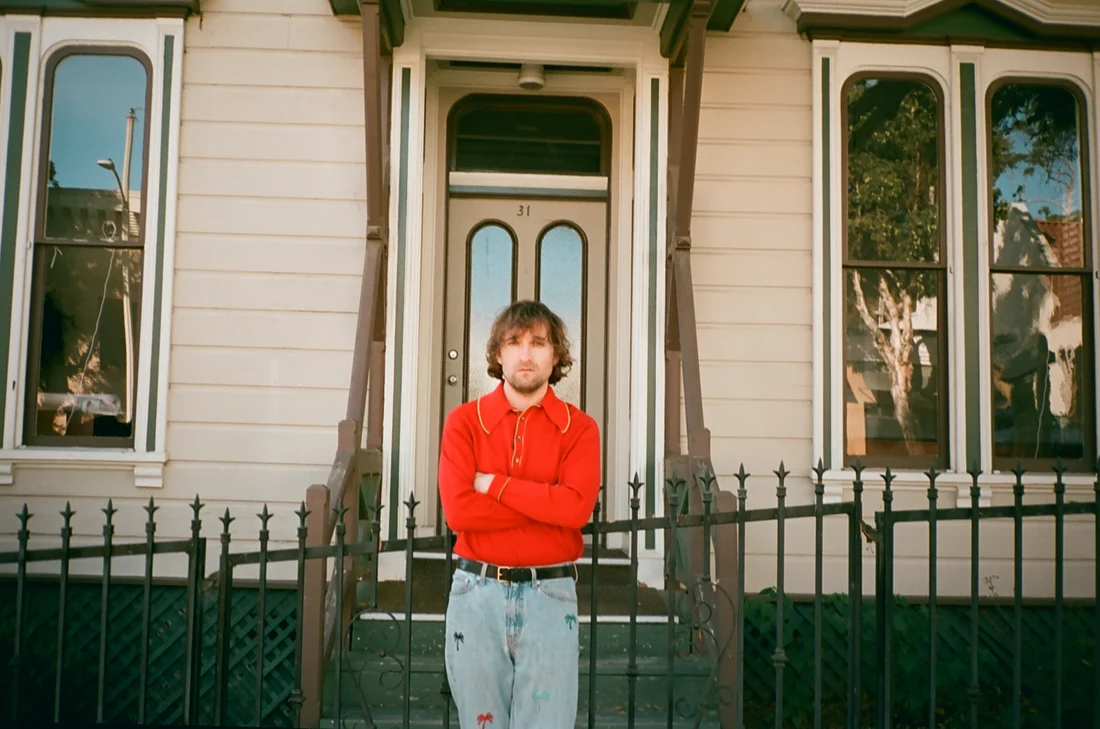
In a significant development for the independent music scene, Los Angeles-based singer-songwriter Angelo De Augustine has released "Empty Shell," a new single characterized by its serene beauty and profound introspection. This release marks the second offering from his highly anticipated upcoming album, Angel In Plainclothes, set to be unveiled on April 24th via Asthmatic Kitty Records. Accompanying the single is a poignant short film titled Can I Come Back To Earth?, directed by Ramez Michel Silyan, which provides a deeply personal visual narrative reflecting the artist’s journey and struggles.
A Chronology of Anticipation: Angel In Plainclothes Rollout
The journey towards Angel In Plainclothes began late last month with the official announcement of the album itself. This initial revelation was coupled with the release of "Mirror Mirror," the first single, which immediately set a contemplative tone for the forthcoming project. "Mirror Mirror" offered listeners a preliminary glimpse into De Augustine’s evolving sonic landscape, characterized by his signature delicate vocal delivery and intricate acoustic arrangements, yet hinting at new layers of thematic depth.
The release of "Empty Shell" today, following "Mirror Mirror," serves to further build anticipation and provide a more comprehensive understanding of the album’s emotional core. This strategic rollout, typical of modern album campaigns, allows listeners to gradually immerse themselves in the artist’s creative vision before the full body of work is available. Each single acts as a carefully curated preview, inviting deeper engagement with the lyrical and musical themes that will define Angel In Plainclothes. The album’s scheduled release on April 24th positions it as a significant spring offering, eagerly awaited by fans and critics alike who appreciate De Augustine’s unique contribution to contemporary folk and indie music.
"Empty Shell": A Glimpse into the Album’s Core
"Empty Shell" stands out as a foundational track for Angel In Plainclothes, with De Augustine himself revealing that it was "the first song written of the batch that would make up the album." This detail is crucial, suggesting that the song encapsulates the initial creative impulse and emotional blueprint for the entire project. The artist’s reluctance to elaborate extensively on the track’s meaning – stating, "I don’t know how to talk about a song like this in a way that wouldn’t cheapen the experience of listening to it. You have to listen to understand" – underscores its intensely personal and experiential nature. This statement implies that "Empty Shell" is not merely a composition but an emotional artifact, best absorbed through direct auditory engagement rather than intellectual dissection.
Musically, "Empty Shell" continues De Augustine’s tradition of crafting beautifully serene soundscapes. It likely features his characteristic sparse instrumentation, often centered around acoustic guitar, piano, and his distinctive, breathy tenor vocals. The "serene" descriptor suggests a tranquil yet melancholic atmosphere, inviting listeners into a space of quiet contemplation. Lyrically, while specific details are guarded by the artist, the title "Empty Shell" itself hints at themes of vulnerability, loss, existential introspection, or perhaps a journey of self-discovery from a state of emotional depletion. The track’s placement as the album’s emotional genesis suggests it will be a cornerstone, providing a vital entry point into the deeper narratives explored throughout Angel In Plainclothes. The power of such a track often lies in its ability to evoke universal feelings of longing, fragility, and the human condition through highly specific, personal expression.
Can I Come Back To Earth?: Visualizing Vulnerability
Adding another layer of artistic expression to the release, "Empty Shell" is accompanied by a short film titled Can I Come Back To Earth?, directed by Ramez Michel Silyan. This visual companion is not merely a music video but a distinct artistic statement, offering a visual interpretation of the themes inherent in De Augustine’s work. The film’s title, a question, immediately signals a yearning for grounding, a return to reality, or perhaps a plea for connection after a period of detachment or profound internal experience.
De Augustine’s comments on the short film provide significant insight into its purpose: "I wanted to make a document of where I am now and an acknowledgement of the years of suffering I have endured." This statement positions Can I Come Back To Earth? as a deeply autobiographical work, a visual diary entry capturing a specific moment in the artist’s life while also acknowledging a broader history of personal hardship. His further reflection on the oscillation "between guarding privacy and wanting to share things I have made" speaks to the inherent tension faced by many artists. The film, he suggests, represents "the right sized window – small enough for a glance, but large enough to leave behind, showing that at one time I existed on the earth." This metaphor of a "window" is particularly potent, indicating a carefully controlled disclosure, a glimpse into his inner world without fully exposing it, yet leaving a lasting testament to his presence and experiences.
Ramez Michel Silyan’s direction would, by extension, aim to translate these delicate and profound sentiments into a visual language. Given De Augustine’s musical aesthetic, one might anticipate the film to feature evocative imagery, perhaps natural landscapes, introspective portraits, or abstract sequences that mirror the emotional subtleties of the music. The collaboration between De Augustine and Silyan underscores the artist’s commitment to a holistic artistic vision, where music, lyrics, and visuals converge to create a multi-sensory experience that deepens the listener’s engagement with his narrative. This approach resonates with a growing trend among independent artists to utilize visual media not just for promotion, but as an integral part of their storytelling.
Angelo De Augustine: An Artist’s Journey and Evolution
Angelo De Augustine has carved a distinct niche in the contemporary folk and indie music landscape since his debut. Known for his hushed, often melancholic delivery, intricate finger-picked guitar work, and deeply personal lyrics, his music frequently explores themes of love, loss, memory, and the human condition with a raw vulnerability that resonates deeply with listeners. His earlier works, such as Swim Inside the Moon (2017) and Tomb (2019), garnered critical acclaim for their intimate sound and profound emotional depth, establishing him as a compelling voice in the singer-songwriter tradition. His collaborations, notably with Sufjan Stevens on A Beginner’s Mind (2021), further showcased his versatility and ability to complement other artistic visions while retaining his unique identity.
Angel In Plainclothes appears to be a continuation of this artistic trajectory, yet with an added layer of explicit self-reflection and acknowledgement of past suffering. The candidness in his statements regarding "Empty Shell" and Can I Come Back To Earth? suggests an artist embracing a new level of emotional transparency in his work. This evolution is crucial for any artist, allowing for continued growth and deeper connection with their audience. The album title itself, Angel In Plainclothes, hints at themes of hidden grace, divine intervention in the mundane, or perhaps the struggle to find beauty and meaning amidst ordinary life and personal hardship. Such titles often serve as thematic anchors, guiding the listener through the emotional landscape of the album.
The Asthmatic Kitty Connection: A Label of Artistic Integrity
Angelo De Augustine’s association with Asthmatic Kitty Records is a significant aspect of his artistic identity and career trajectory. Founded by renowned musician Sufjan Stevens and his stepfather Lowell Brams, Asthmatic Kitty has cultivated a reputation as a beacon for unique, artist-driven music. The label is celebrated for its commitment to artistic integrity, often prioritizing experimental, introspective, and emotionally resonant projects over purely commercial endeavors. This ethos aligns perfectly with De Augustine’s artistic sensibilities, providing a nurturing environment for his delicate and deeply personal music.
Asthmatic Kitty’s roster boasts a diverse array of critically acclaimed artists, including Sufjan Stevens himself, Shara Nova (My Brightest Diamond), Half-Handed Cloud, and Rosie Thomas, among others. These artists are united by a shared commitment to crafting music that is both sonically inventive and emotionally profound. For De Augustine, being part of the Asthmatic Kitty family means access to a supportive network that understands and champions his particular brand of artistry. The label’s history suggests a patient approach to artist development, allowing musicians the space and time to fully realize their creative visions without undue pressure. This partnership underscores the seriousness and artistic ambition behind Angel In Plainclothes, signaling that the album is not just another release but a carefully considered artistic statement within a curated catalog of significant works.
Implications for Contemporary Indie Music
The release of "Empty Shell" and the accompanying short film, in anticipation of Angel In Plainclothes, carries broader implications for the landscape of contemporary independent music. In an era often dominated by rapid-fire content consumption and the pursuit of viral moments, De Augustine’s approach stands as a testament to the enduring power of profound, slow-burning artistry. His emphasis on deep emotional engagement and the creation of multi-media experiences (music + short film) highlights a valuable trend among indie artists to offer more holistic and immersive narratives.
This method encourages a more deliberate form of listening and viewing, inviting audiences to step away from superficial engagement and delve into the nuances of an artist’s vision. It reinforces the idea that art, particularly music, can be a vehicle for profound self-exploration and connection, rather than just background entertainment. For other independent musicians, De Augustine’s model offers a blueprint for how to maintain artistic integrity and create meaningful work in a saturated digital environment. It underscores the importance of authenticity, storytelling, and leveraging different mediums to convey a cohesive artistic message. Furthermore, the success of artists like De Augustine on labels like Asthmatic Kitty demonstrates the vital role of independent labels in fostering and sustaining diverse musical voices that might not thrive in more commercially driven environments.
Looking Ahead: The Full Canvas of Angel In Plainclothes
With "Mirror Mirror" having introduced the album and "Empty Shell" providing a deep dive into its emotional genesis, the stage is now set for the full release of Angel In Plainclothes on April 24th. The artist’s candid statements about the album’s origins and the accompanying short film suggest a project of significant personal weight and artistic ambition. Listeners can anticipate a cohesive body of work that continues De Augustine’s exploration of intimate themes, likely characterized by his signature delicate soundscapes but infused with a renewed sense of vulnerability and self-acknowledgement.
The album is expected to weave together the threads of suffering, introspection, and the delicate balance between privacy and public sharing, creating a tapestry of human experience that is both deeply personal and universally relatable. As De Augustine continues to refine his craft and expand his artistic scope, Angel In Plainclothes is poised to be a pivotal release, further solidifying his position as one of the most compelling and emotionally resonant voices in modern independent music. The preceding singles and visual accompaniments have not merely announced an album; they have opened a window into an artist’s soul, inviting the world to witness a journey of profound self-expression.
