

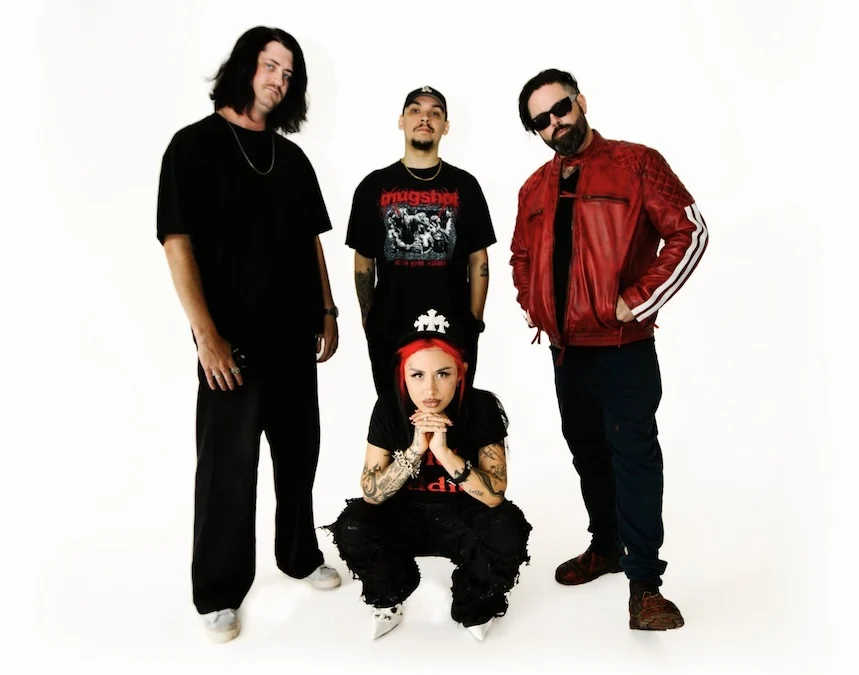
The Los Angeles-based metal band Bad Wolves finds itself at a critical juncture, grappling with a series of high-profile controversies that have significantly impacted its public image, touring schedule, and internal dynamics. These challenges include the abrupt removal from an upcoming tour with Christian rock group Skillet, allegedly due to fan harassment targeting their new vocalist, Sara "Killboy" Skinner; the recent departure of guitarist AJ Rebollo, citing irreconcilable differences with the band’s label, Better Noise Music; and a contentious dispute over the release of a cover of Dolly Parton’s "Jolene." These events collectively underscore the intricate pressures facing contemporary musical acts, from managing fan expectations and evolving social norms to navigating complex label relationships and internal creative control.
Skillet Tour Exclusion: A Clash of Fan Bases and Identities
The most immediate and public setback for Bad Wolves was their removal from an anticipated tour alongside Skillet. The reason, as disclosed by new vocalist Sara "Killboy" Skinner, points to an uncomfortable collision of fan bases and personal identities. Skinner, who joined Bad Wolves earlier this year following the departure of former frontman D.L. Laskiewicz to Falling In Reverse, revealed in a social media video that Skillet’s fans had conducted "extensive research" into her background after Bad Wolves was announced as a supporting act.
"Skillet announced us on their tour and their fans had a field day doing very extensive research that their booking agents and management did not do," Skinner stated in her video. "Upon their findings, I am a trans OnlyFans bitch. Now unfortunately, only one of those things is true. Have fun finding out and we will see you on the next tour."
This disclosure highlights a growing tension within the music industry, particularly concerning tours that bridge disparate genres and audience demographics. Skillet, a prominent figure in Christian rock, commands a loyal and often conservative fan base that may hold specific expectations regarding the moral and social alignment of supporting acts. The revelation of Skinner’s past involvement with OnlyFans and her trans identity (though she clarified only one was true, leaving ambiguity for the audience) apparently triggered a wave of harassment from Skillet’s fans, leading to the decision by Skillet’s camp to remove Bad Wolves from the lineup. This incident raises questions about the due diligence performed by tour organizers in vetting artists, the increasing scrutiny artists face from social media-driven fan investigations, and the broader implications for inclusivity within touring circuits.
The decision to drop Bad Wolves from the tour, reportedly made under pressure from Skillet’s fan base, underscores the significant influence that dedicated communities can exert over tour logistics and artist visibility. For Skillet, maintaining harmony with their core audience is paramount, potentially outweighing the benefits of a diverse supporting lineup. For Bad Wolves, it represents a missed opportunity for exposure to a wider audience and a public acknowledgment of the challenges their new vocalist faces in an industry still grappling with diverse identities. The incident serves as a stark reminder that an artist’s personal life, particularly in the age of pervasive digital information, can become an unexpected factor in their professional trajectory.
Guitarist AJ Rebollo’s Departure: A Symptom of Label-Artist Friction
Compounding the tour controversy, guitarist AJ Rebollo announced his departure from Bad Wolves, citing a profound dissatisfaction with the band’s label, Better Noise Music, and the incessant pressure and "hate, negativity, and harassment" stemming from decisions made outside the band’s control. Rebollo, who joined Bad Wolves as a touring guitarist in 2023 and became a full-time member in 2024, articulated his grievances in a detailed statement posted on social media.
Central to Rebollo’s decision was a dispute over the release of Bad Wolves’ cover of Dolly Parton’s iconic song "Jolene." Rebollo claimed that despite the band’s collective decision against releasing the cover, Better Noise Music proceeded with its promotion. "We, as an entity, told the label we had no interest in releasing the cover after learning of Dolly’s unfortunate passing as her collaboration on the song was no longer a possibility, and we felt it would (understandably) be interpreted as somewhat of a capitalization on her passing from an outside perspective," Rebollo wrote.
It is crucial to clarify a significant factual discrepancy in this narrative: Dolly Parton is, in fact, alive and well. Rebollo’s statement, and a subsequent quote from Bad Wolves founder John Boecklin, referencing "Dolly’s unfortunate passing" or "devastated of this week’s news of Dolly’s passing," indicates a profound misunderstanding or miscommunication within the band’s camp or with their label regarding Parton’s health at the time these discussions took place. This perceived situation, however inaccurate, fueled the band’s ethical dilemma, especially given their history with a controversial posthumous release.
The band’s reluctance to release "Jolene," stemming from this misunderstanding or a general concern about the perception of profiting from a living legend’s legacy, was ultimately overridden by the label. This clash over creative control and release strategy is a recurring theme in the music industry, where artists often feel compelled to cede significant authority to their labels, particularly concerning commercial decisions. Rebollo explicitly stated, "With the label completely disregarding numerous decisions we make out of passion, and ultimately just unknowingly exhausting the band’s attempts to fully enjoy being here, I am no longer happy here." His departure underscores the profound impact that label interference and perceived disrespect for artistic autonomy can have on individual band members’ well-being and commitment.
The "Jolene" Cover and the Shadow of "Zombie"
The controversy surrounding the "Jolene" cover is not an isolated incident for Bad Wolves; it echoes a previous, highly successful yet ethically fraught release: their 2018 cover of The Cranberries’ "Zombie." That cover, released just three days after the tragic death of Cranberries’ vocalist Dolores O’Riordan, catapulted Bad Wolves to international fame, becoming a massive hit and topping charts globally. While the band stated their intention to honor O’Riordan and donated proceeds to her children, the timing of the release drew criticism from some who perceived it as opportunistic.
The "Zombie" incident established a precedent that likely informed the band’s apprehension about "Jolene." In the case of "Jolene," Bad Wolves founder John Boecklin provided context for the cover’s genesis and the label’s involvement. "Our singer is a big fan of Dolly and had posted a bunch of videos of her covering ‘Jolene.’ So, we decided to make a Heavy Metal cover version for our next album," Boecklin explained. He detailed how Better Noise Music CEO Dan Waite sent the demo to Dolly Parton’s manager, Danny Nozell, with a request for Parton to guest feature. "We heard back that Danny had played the track to Dolly, and that Dolly loved our version, and that Dolly was going to go into the studio and add her vocals very soon."
This initial positive interaction, however, was overshadowed by the subsequent misunderstanding regarding Parton’s health, which, as noted, created an ethical quandary for the band. Despite the band’s internal reservations, Better Noise Music pressed forward with the release. The "Jolene" cover was scheduled for release on a Monday, August 31st (a date which has now passed, indicating it has likely been released). To mitigate potential backlash and align with philanthropic efforts, Boecklin stated, "We will honor Dolly’s incredible legacy by donating proceeds from ‘Jolene’ to the Dolly Parton’s Imagination Library." This move parallels the charitable donations made from "Zombie" proceeds, suggesting a strategic approach by the label and band to frame the release as an homage rather than mere capitalization, particularly in light of the previous controversy and the mistaken belief about Parton’s passing.
Bad Wolves’ Tumultuous History and Future Implications
Bad Wolves formed in 2017 and quickly gained prominence with their hard-hitting sound and penchant for impactful covers. Their rapid ascent with "Zombie" cemented their place in the metal scene, but also set a high bar and a specific public perception that has since proven difficult to navigate. The departure of original vocalist D.L. Laskiewicz in 2021 marked a significant shift, leading to a period of adjustment for the band and the eventual recruitment of Sara "Killboy" Skinner. Each lineup change and public controversy tests the band’s resilience and its ability to maintain a coherent artistic vision.
The cumulative impact of these recent events poses substantial challenges for Bad Wolves. The Skillet tour removal highlights the difficulties bands face when their image or members’ identities clash with the expectations of specific audiences, potentially limiting touring opportunities. The departure of a guitarist like Rebollo due to label disputes underscores the fragility of creative control and the emotional toll taken by relentless external pressures. The "Jolene" controversy, even with its charitable component, reignites the debate around artistic ethics, particularly concerning posthumous or near-posthumous releases, and reinforces the narrative of label dominance over artist autonomy.
For Better Noise Music, the situation reflects the typical challenges of managing artists and maximizing commercial opportunities. Labels often invest heavily in bands and expect returns, which can lead to conflicts over creative decisions. The label’s decision to push for the "Jolene" release, despite the band’s initial reluctance (driven by misinformation), indicates a strong commercial imperative, especially given the proven success of their previous cover.
Moving forward, Bad Wolves faces the task of rebuilding internal cohesion, solidifying their new lineup with Skinner, and redefining their public narrative amidst these controversies. Their ability to navigate the complexities of fan expectations, label demands, and the ever-present scrutiny of social media will determine their long-term viability and artistic legacy in a rapidly evolving music landscape. The incidents surrounding the Skillet tour, Rebollo’s exit, and the "Jolene" cover serve as a microcosm of the broader challenges confronting artists in the 21st century: the delicate balance between artistic integrity, commercial viability, and public perception in an increasingly interconnected and often unforgiving world.
