

The independent music sector has undergone a seismic shift over the past decade, evolving from a peripheral niche into a dominant force within the global entertainment economy. As of 2023, independent artists—those not signed to major labels—represent the fastest-growing segment of the music industry, with annual revenues surpassing $1.2 billion according to data from MIDiA Research. This growth has fundamentally altered the professional landscape, placing the responsibility of career development, marketing, and networking directly onto the artist. While the democratization of music production tools has lowered the barrier to entry, it has simultaneously created a saturated market where visibility is increasingly difficult to achieve. In this environment, strategic networking and collaborative synergy have emerged as the primary drivers of sustainable career longevity. Industry experts suggest that the traditional "lone wolf" approach to music creation is being replaced by a community-centric model where success is predicated on the strength of one’s professional ecosystem.
The Evolution of Artistic Connectivity and the DIY Movement
Historically, the trajectory of a musician’s career was determined by a small group of industry gatekeepers, including A&R executives, radio programmers, and major label distributors. Networking was largely a vertical process, where artists sought to "climb the ladder" to reach these decision-makers. However, the advent of digital distribution and social media in the early 2000s initiated a transition toward horizontal networking. The current era, often referred to as the "Creator Economy," emphasizes peer-to-peer collaboration and cross-disciplinary partnerships.
A chronological look at the industry reveals that the most significant breakthroughs for independent artists over the last five years have frequently originated from unconventional collaborations. The rise of "bedroom pop" and the globalization of genres like Afrobeats and K-pop have been fueled by artists utilizing digital platforms to bridge geographical and cultural gaps. This shift necessitates a new set of networking competencies that extend beyond the music industry’s traditional borders. Musicians are now required to act as creative entrepreneurs, identifying opportunities for integration within the broader cultural landscape, including the visual arts, technology, and community-based education.

Strategic Local Integration and the Cross-Pollination of Arts
One of the most effective, yet often overlooked, methods for expanding a professional network is the intentional engagement with local art scenes outside of the music industry. While music-specific venues remain important, they are often competitive and insular. Conversely, local art galleries, independent theaters, and performance poetry circles offer a fertile ground for "cross-pollination." These environments are populated by creators who share a similar demographic and professional drive but operate in different mediums.
Data from the Creative Industries Council indicates that multimedia projects—those combining music with visual or performing arts—see a 30% higher engagement rate on social platforms compared to single-medium content. For the independent musician, attending a gallery opening or a theatrical production is not merely a social activity but a strategic business move. A sculptor seeking a sonic landscape for an exhibition or a choreographer in need of an original score for a contemporary dance piece represents a high-value networking opportunity. These collaborations allow musicians to tap into the established audiences of their partners, effectively doubling their reach without the high costs associated with traditional advertising.
The Rise of Structured Networking and Collaborative Workshops
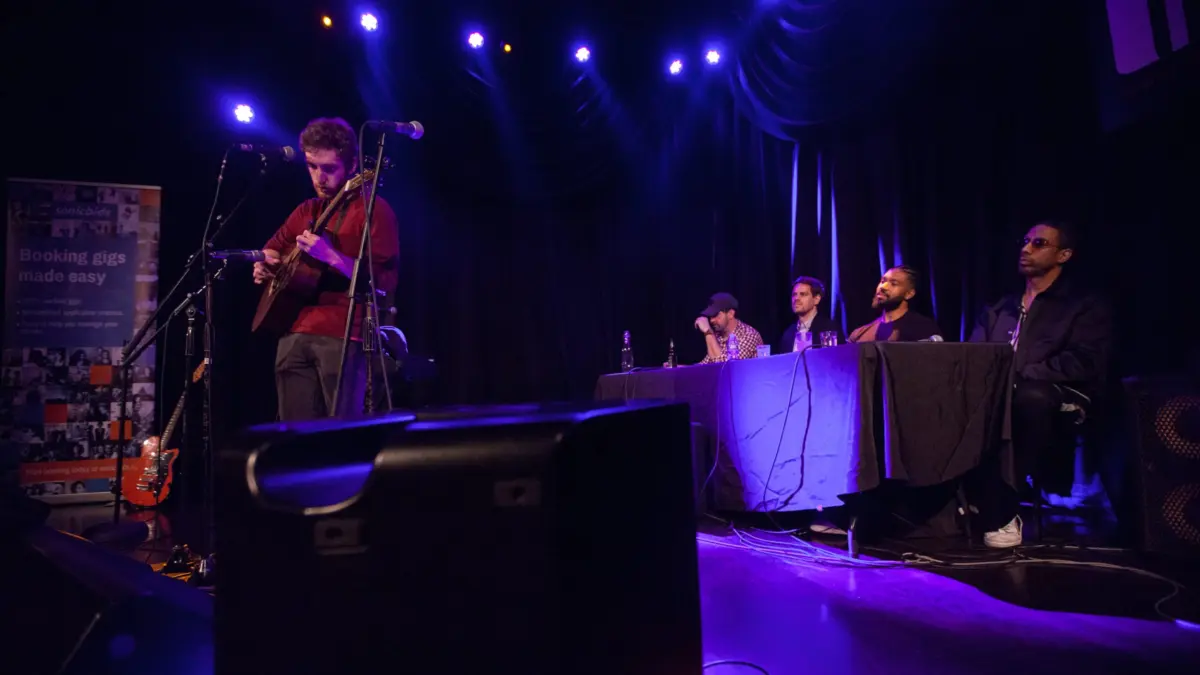
The "Feedback Collective" model, popularized by organizations such as Sonicbids, illustrates a growing trend toward structured, educational networking. These events, which include panel discussions and songwriting workshops, provide a formalized setting for musicians to interact with peers and industry professionals. Unlike a chaotic nightclub environment, these workshops are designed to foster professional rapport through shared vulnerability and constructive criticism.
Hosting or participating in jam sessions and workshops serves a dual purpose: it establishes the musician as a community leader and provides a low-pressure environment for talent scouting. When a rock guitarist collaborates with a jazz saxophonist in a workshop setting, the resulting "fusion" often leads to the development of unique sonic identities that can distinguish an artist in a crowded marketplace. Furthermore, these sessions act as an informal vetting process. In an industry where reliability is as valuable as talent, observing a potential collaborator’s work ethic and interpersonal skills in a workshop setting can prevent future professional friction.

Digital Ecosystems and the Shift Toward Asynchronous Collaboration
While mainstream social media platforms like Instagram and TikTok are essential for fan engagement, professional networking is increasingly migrating toward specialized digital ecosystems. Platforms such as BandLab, SoundCloud, and Discord have created environments specifically tailored for creative exchange. BandLab, which reported reaching 60 million users in 2023, allows for "asynchronous collaboration," where musicians from different time zones can contribute to the same project file in real-time.
This digital shift has enabled a more meritocratic form of networking. By leaving insightful, technical feedback on a peer’s track or proposing a specific collaborative element—such as a vocal hook or a drum pattern—musicians can build professional relationships based on tangible output rather than social proximity. Analysts observe that this "work-first" networking strategy often leads to more productive long-term partnerships. The ability to collaborate globally also mitigates the limitations of an artist’s physical location, allowing a producer in a small rural town to work with a vocalist in a major urban center, thereby diversifying their professional portfolio and audience base.
Professional Immersion Through Industry Service and Volunteering
Volunteering at music festivals and industry conferences remains one of the most direct paths to high-level networking. This approach places the artist behind the scenes, providing access to event organizers, stage managers, and touring professionals who are usually inaccessible to the public. The "service-first" mentality of volunteering allows musicians to demonstrate their professionalism and reliability in a high-stakes environment.
Historical data from industry internships and volunteer programs suggests that a significant percentage of entry-level positions and professional bookings are filled by individuals who have previously demonstrated their value in a support capacity. For an independent musician, the goal of volunteering is not only to assist in the execution of the event but to gain a "bird’s-eye view" of industry operations. By observing the logistical challenges of a large-scale festival, artists can better tailor their own professional pitches to meet the needs of organizers. These interactions often result in "organic networking," where a casual conversation during a shift leads to a future performance slot or a recommendation to a talent buyer.

Leveraging the Direct-to-Fan Economy for Strategic Growth
The final pillar of modern networking involves the strategic utilization of an existing fanbase. The "1,000 True Fans" theory, proposed by Kevin Kelly, suggests that an artist does not need mainstream stardom to be successful; they only need a dedicated core audience. This audience, however, can be used for more than just financial support; they can act as a decentralized networking agency.
By engaging fans through polls, surveys, and direct communication, musicians can uncover connections they might otherwise never have found. A fan who works in a graphic design firm, a listener who organizes community events, or a follower who is connected to another artist can all serve as conduits for professional growth. This "bottom-up" networking approach fosters a sense of community ownership among the fanbase. When fans are involved in the creative process—such as suggesting a collaborator or helping to scout a music video location—they become more invested in the artist’s success, leading to higher retention rates and more effective word-of-mouth marketing.
Analysis of Implications and the Future of Independent Music
The transition from traditional to innovative networking strategies has profound implications for the future of the music industry. First, it emphasizes the importance of "soft skills"—communication, empathy, and project management—alongside musical proficiency. As the industry becomes more decentralized, the ability to navigate complex social and professional webs becomes a primary competitive advantage.
Second, the rise of cross-disciplinary collaboration is likely to lead to a more diverse and experimental musical landscape. As musicians integrate with visual artists, tech developers, and community leaders, the boundaries between genres and mediums will continue to blur. This evolution mirrors broader societal shifts toward the "gig economy" and freelance professional structures, where individuals must curate a diverse portfolio of skills and connections.

In conclusion, the modern independent musician must view networking not as a peripheral task, but as a core component of their artistic practice. The strategies of embracing local art scenes, hosting collaborative events, utilizing specialized digital platforms, volunteering for industry immersion, and leveraging fan networks provide a comprehensive framework for professional development. By moving beyond traditional industry silos and fostering a community-centric mindset, independent artists can navigate the complexities of the digital era and build sustainable, creatively fulfilling careers. The future of music is not just in the sounds created, but in the strength and diversity of the connections made along the way.
