

The contemporary music industry has undergone a radical transformation, shifting from a centralized, label-dominated hierarchy to a decentralized, artist-led ecosystem. While this transition has democratized access to distribution, it has simultaneously created a saturated market where individual talent often struggles to gain visibility. Industry analysis suggests that the "lone wolf" model of artistry is increasingly obsolete, replaced by a mandate for strategic networking and cross-disciplinary collaboration. For independent musicians, the ability to build and navigate professional communities is no longer a peripheral skill but a core requirement for career sustainability. As the barrier to entry for recording music has lowered, the barrier to capturing attention has risen, making the role of human connection more critical than ever.
The Evolution of the Independent Music Landscape
Historically, the path to musical success was gated by a handful of major labels that controlled production, distribution, and promotion. In that era, "networking" primarily meant securing the attention of an A&R executive. However, the rise of streaming platforms, social media, and affordable digital audio workstations (DAWs) has shifted the power dynamic. According to industry reports from MIDiA Research, the independent artist sector is the fastest-growing segment of the music business, generating billions in annual revenue. Despite this growth, the average independent musician faces significant hurdles in scaling their reach without the institutional support of a major label.
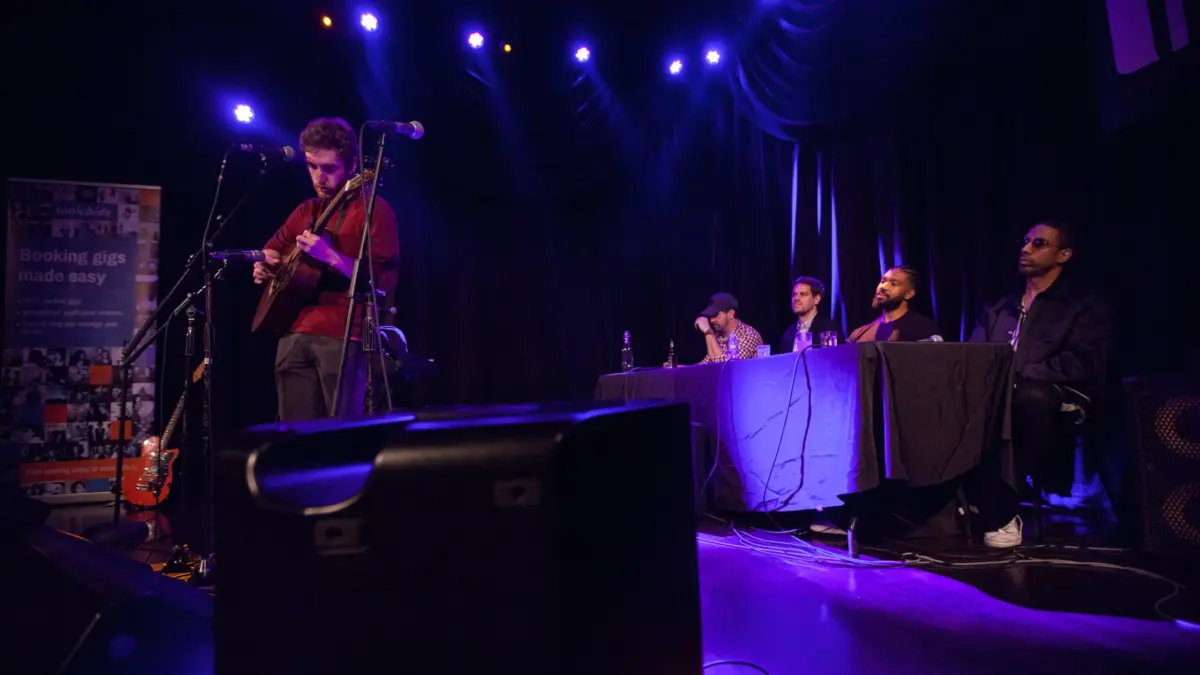
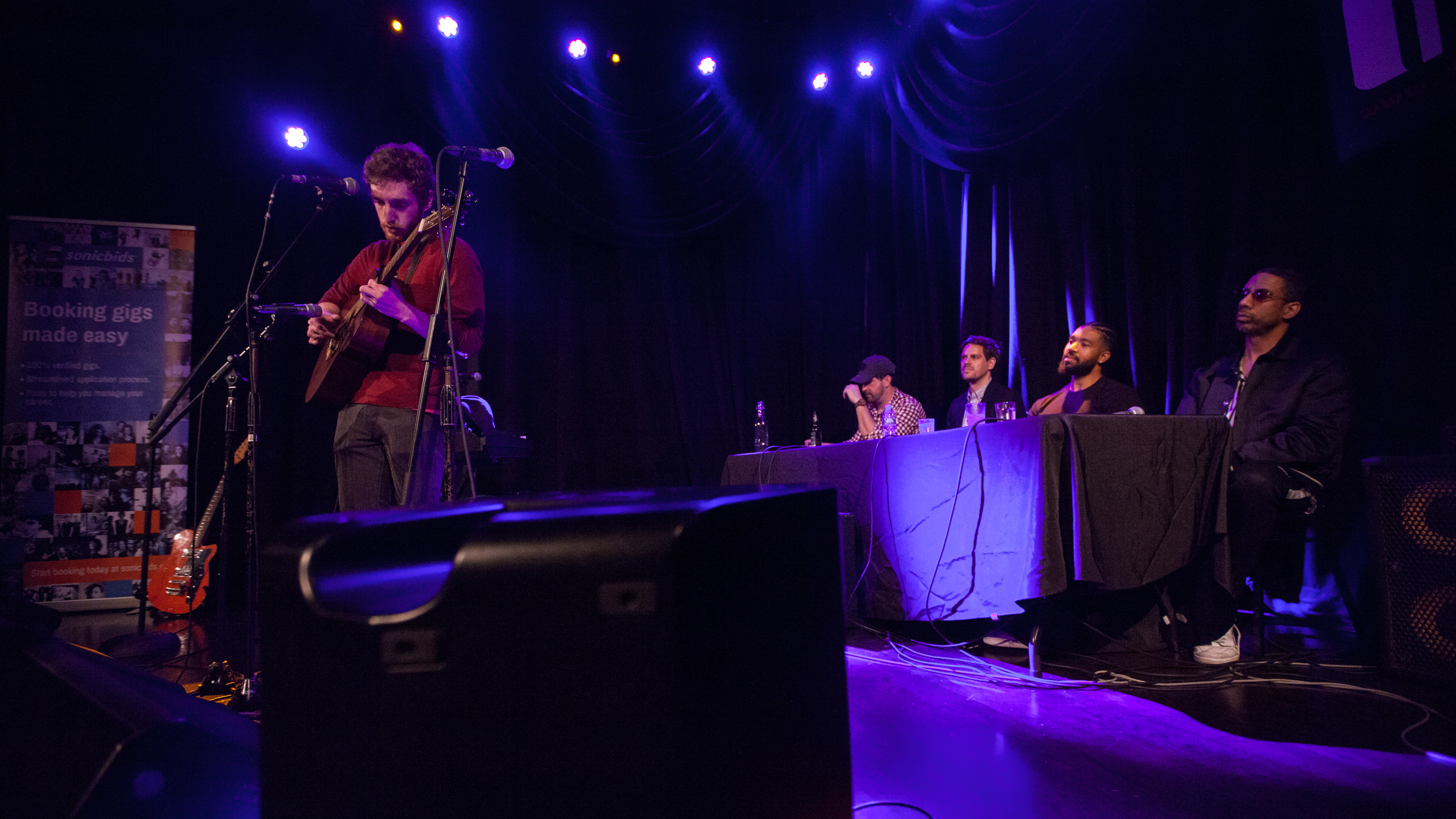
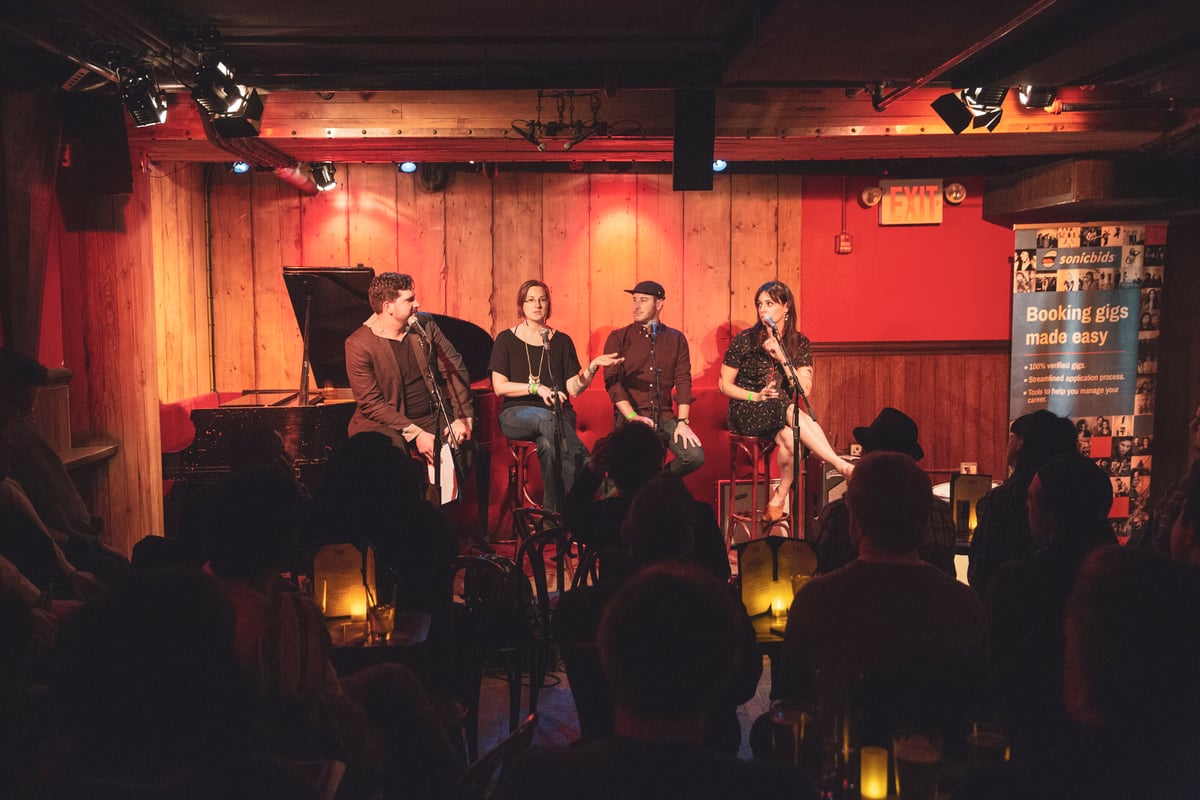
To bridge this gap, artists are turning to collaborative models. Networking in 2024 is characterized by a "lateral" approach rather than a "vertical" one. Instead of looking solely for gatekeepers, artists are looking for peers, visual creators, and community organizers. This shift is evidenced by the rise of initiatives such as the Sonicbids Feedback Collective, which hosts panel discussions and songwriting workshops designed to foster peer-to-peer mentorship and professional rapport. These events highlight a growing recognition that the collective intelligence of a community often outweighs the efforts of a solitary creator.
Strategic Pillar 1: Cross-Disciplinary Integration Through Local Art Scenes
One of the most underutilized avenues for musical networking is the broader local arts community. While musicians frequently congregate in venues and rehearsal spaces, the most innovative collaborations often occur at the intersection of different artistic mediums. Engaging with local galleries, theater companies, and performance poetry circles provides a unique opportunity for "sync-adjacent" opportunities—instances where music is integrated into a different art form.
Data from the creative economy indicates that multi-sensory exhibitions are seeing higher engagement rates than single-medium shows. A visual artist hosting a gallery opening often requires an auditory component to enhance the atmosphere. For the musician, this provides a captive, culturally engaged audience and a potential long-term partner for future multimedia projects. Furthermore, local theater companies frequently require original compositions for productions. Unlike traditional gigging, these collaborations offer musicians a chance to diversify their portfolios and tap into the theater’s existing subscriber base, effectively cross-pollinating audiences.
Strategic Pillar 2: Facilitated Community Building and the Jam Session Model
While digital networking is essential, physical proximity remains a powerful catalyst for creative synergy. The hosting of jam sessions or workshops serves a dual purpose: it establishes the host as a community leader and creates a low-pressure environment for talent scouting. By moving beyond the rigid structure of a scheduled performance, musicians can explore improvisational compatibility.
The Sonicbids Feedback Collective Songwriting Workshop serves as a primary example of this model. By bringing together artists from disparate genres—such as a rock guitarist and a jazz saxophonist—these workshops break down stylistic silos. The result is often the emergence of "hybrid genres" that stand out in a crowded digital marketplace. From a professional standpoint, these sessions allow musicians to vet potential collaborators’ work ethics and technical proficiency before committing to a formal project. In a field where interpersonal chemistry is as vital as musical skill, these informal settings provide essential data points for long-term career planning.
Strategic Pillar 3: Leveraging Specialized Digital Platforms for Global Reach
The digital networking landscape extends far beyond the "Big Three" of social media (Instagram, TikTok, and X). While these platforms are useful for fan engagement, they are often less effective for deep professional collaboration due to their algorithm-driven, high-noise environments. Instead, industry professionals are increasingly pointing toward specialized platforms like BandLab, SoundCloud, and Discord.
BandLab, for instance, reported reaching over 60 million users in 2023, many of whom use the platform specifically for its cloud-based collaborative features. These platforms allow for asynchronous collaboration, where a producer in Berlin can add a beat to a vocal track recorded in New York. The journalistic consensus is that these platforms are fostering a "borderless music scene." To succeed on these platforms, musicians must move away from passive posting and toward active engagement. This involves providing constructive feedback on others’ work and initiating "micro-collaborations," such as remixing a track or contributing a guest verse, which can serve as a proof-of-concept for larger joint ventures.
Strategic Pillar 4: The Impact of Industry Immersion and Volunteering
For many emerging artists, the "inner circle" of the music industry—comprising festival organizers, talent buyers, and veteran engineers—can seem inaccessible. One of the most effective ways to bypass these barriers is through strategic volunteering at major industry events and festivals. This approach provides a "behind-the-scenes" look at the logistical and commercial realities of the music business.
Volunteering is not merely about free labor; it is about "social capital acquisition." By working alongside event organizers, musicians gain visibility and demonstrate reliability—a trait often valued as highly as talent in the professional sphere. A volunteer in the artist hospitality lounge or at the technical stage-crew level is in a prime position to have organic conversations with established professionals. Case studies of successful independent acts often reveal that their first major festival slot or opening tour was the result of a connection made while working in a non-musical capacity at a previous event.

Strategic Pillar 5: Transforming the Fanbase into a Collaborative Network
The traditional view of a fan as a passive consumer is being replaced by the concept of the "fan-advocate." In the digital age, a musician’s audience is often composed of other creatives, including photographers, web designers, and social media strategists. By engaging the fanbase through surveys, polls, and direct dialogue, musicians can unlock a wealth of collaborative resources.
Crowdsourcing collaboration ideas—such as asking fans which other local artists they should work with—does more than just provide data; it builds a sense of community ownership. When a fan-suggested collaboration comes to fruition, the audience feels a personal investment in the project’s success, leading to higher engagement and sharing rates. This "bottom-up" networking strategy ensures that the artist’s growth is rooted in a genuine community rather than an artificial marketing campaign.
Economic and Psychological Implications of Networking
The benefits of these networking strategies are quantifiable. A study by the Creative Industries Policy and Evidence Centre (PEC) suggests that artists with diverse professional networks are 30% more likely to secure multiple revenue streams, such as sync licensing, merchandise partnerships, and live performance opportunities. Beyond the economic impact, there is a significant psychological component. The "loneliness epidemic" among independent creators can lead to burnout and creative stagnation. Community involvement provides the emotional support and accountability necessary to sustain a long-term career.
Furthermore, the rise of "collaborative equity" is changing how artists are compensated. Rather than paying flat fees for session work, many independent artists are opting for split-sheet agreements, where all collaborators share in the long-term royalties of a track. This model incentivizes high-quality work and ensures that the entire network grows together.

The Future of Independent Music Collaboration
As artificial intelligence and automated tools become more prevalent in music production, the value of human-centric networking is expected to rise. While AI can generate a melody, it cannot replicate the shared experience of a live jam session or the cultural resonance of a cross-disciplinary art project. The future of the independent music industry will likely be defined by "micro-scenes"—tight-knit, highly collaborative communities that leverage technology to reach a global audience while maintaining local roots.
In conclusion, the path to success for the independent musician is paved with strategic partnerships and community engagement. By embracing local art events, hosting interactive sessions, utilizing specialized digital tools, volunteering for industry experience, and mobilizing their fanbase, musicians can overcome the isolation of the DIY model. These efforts do more than just promote a single; they build a sustainable ecosystem where creativity can thrive. The transition from a "solo artist" to a "community-integrated creator" is the hallmark of the modern musical professional. For those ready to step outside their comfort zones, the current landscape offers unprecedented opportunities to amplify their voice and redefine the boundaries of their art.
