

The landscape of the global music industry has undergone a seismic shift over the last decade, transitioning from a centralized, label-dominated hierarchy to a decentralized ecosystem where independent artists now represent the fastest-growing sector. As of 2024, data from Midia Research indicates that independent artists—those operating without major label backing—contribute significantly to the global recorded music market, which surpassed $28 billion in annual revenue recently. Within this highly competitive environment, the ability to network and collaborate has moved from being a supplementary skill to a core business necessity. For the independent musician, building a professional network is no longer merely about finding a gig; it is about establishing a sustainable infrastructure for creative and financial growth. This report examines five strategic avenues for networking and the broader implications of community-led career development in the contemporary music market.
The Economic Context of Independent Music Networking
To understand the necessity of networking, one must look at the current market saturation. Approximately 100,000 new tracks are uploaded to streaming platforms every day. In this "attention economy," the traditional model of "waiting to be discovered" has been rendered obsolete. Analysis of successful independent careers reveals a common thread: the "Network Effect." This principle suggests that the value of a musician’s brand increases exponentially with every strategic connection made within and outside the music industry.
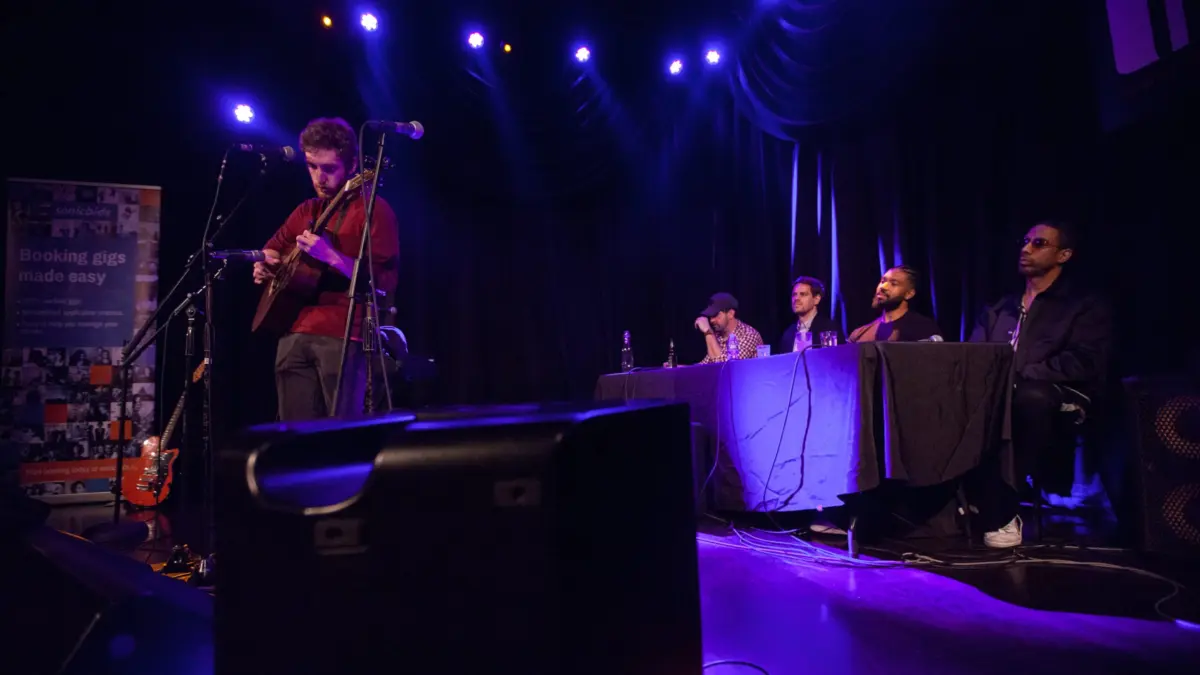
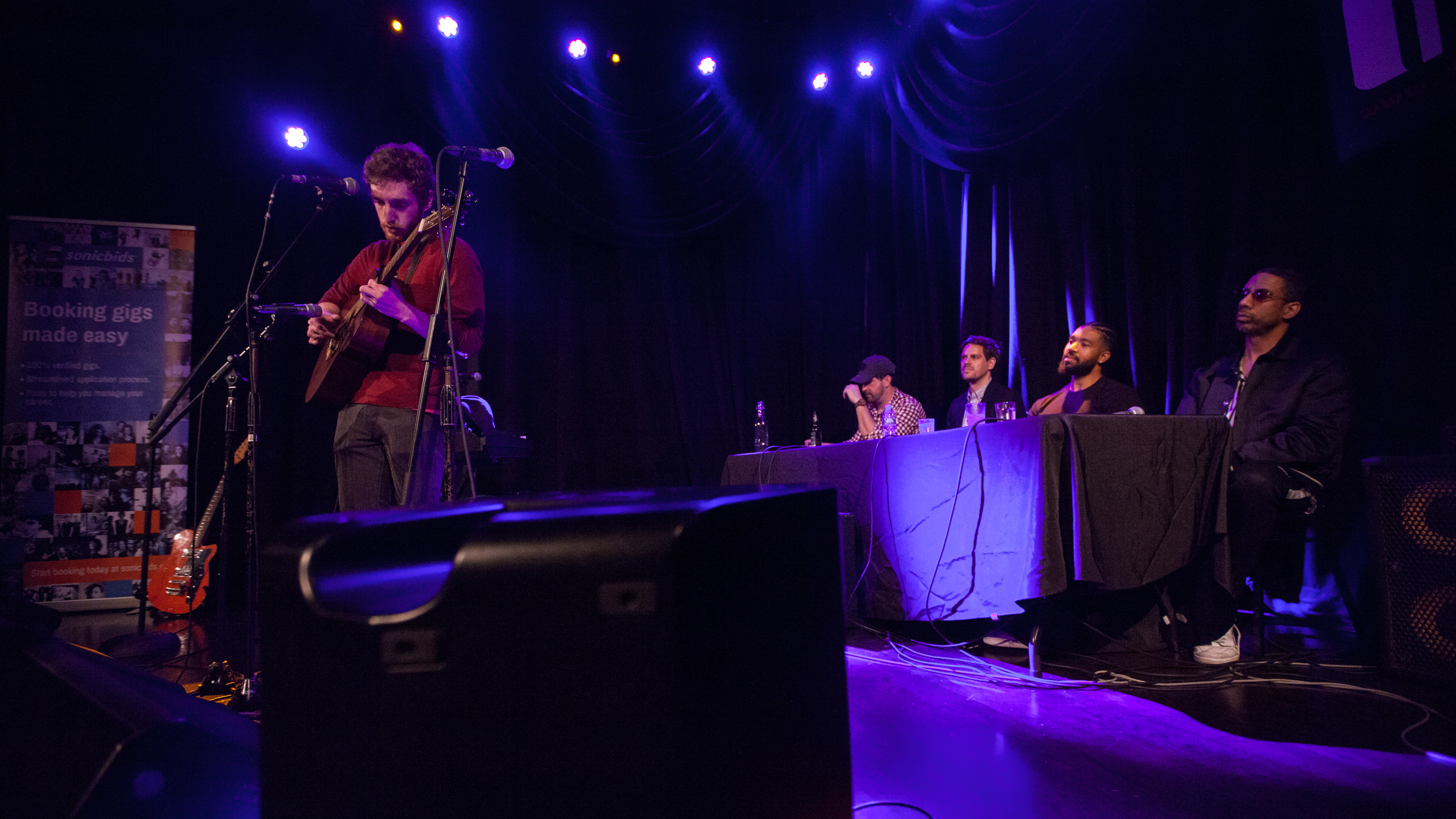
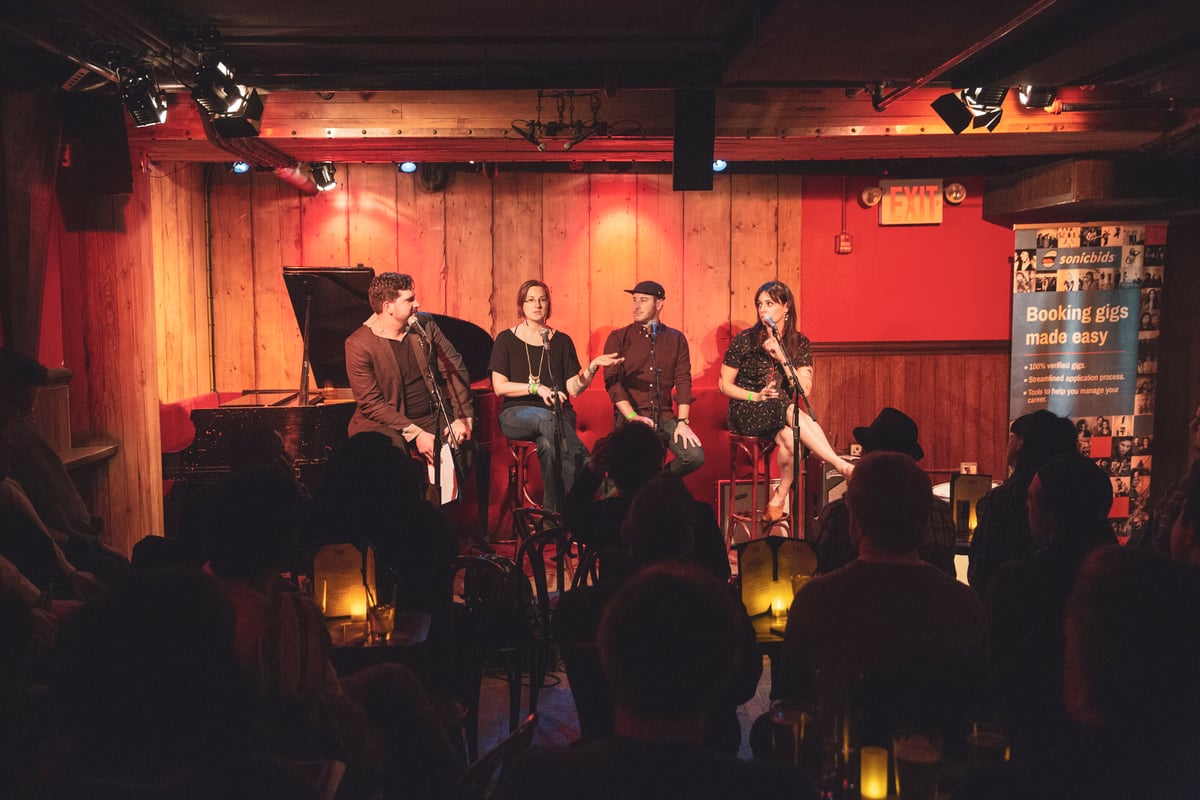
The rise of the "Feedback Collective," a series of songwriting workshops and panel discussions hosted by platforms like Sonicbids, serves as a primary example of this shift. These events are designed to move beyond the transactional nature of traditional networking, focusing instead on peer-to-peer education and long-term partnership. By analyzing these modern strategies, artists can better navigate the transition from a solitary creator to a community-integrated professional.
Cross-Disciplinary Integration: The Local Art Scene as a Strategic Hub
The first pillar of modern networking involves looking beyond the immediate confines of the music industry. Local art scenes—comprising visual artists, theater companies, and digital creators—offer untapped collaborative potential. Historically, the most influential musical movements, from the 1970s New York punk scene to the early 2000s indie-rock explosion, were birthed in multi-disciplinary environments.
Strategic engagement with local galleries and theater groups provides musicians with unique "sync" opportunities. For instance, a sculptor requiring an immersive soundscape for an installation or a small theater company in need of an original score represents a direct path to audience diversification. Data suggests that fans of visual arts are 30% more likely to support independent music through direct purchases, such as vinyl or merchandise, compared to casual streaming listeners. By positioning themselves as a "sonic solution" for other artists, musicians can access new demographics without the high costs of traditional marketing.
Peer-to-Peer Incubation: The Logic of Jam Sessions and Workshops
The second strategy focuses on the creation of "collaborative incubators." Hosting jam sessions or workshops is a proactive method for artists to vet potential collaborators in a low-stakes environment. Unlike a formal studio session, which carries high overhead costs, a community-focused jam session allows for the organic exploration of genre-bending sounds.
Chronologically, the most successful collaborations often begin in these informal settings. A study of independent "supergroups" in the UK folk and jazz scenes found that over 60% of their founding members met at recurring local sessions rather than through professional auditions. Furthermore, organizations like the Feedback Collective have demonstrated that panel discussions and songwriting workshops provide a dual benefit: they establish the host as a "thought leader" within the community while simultaneously providing a platform for other artists to showcase their skills. This reciprocal model builds a "social capital" that can be leveraged for future touring opportunities or co-release strategies.
Digital Ecosystems and the Shift from Passive to Active Engagement
While social media platforms like Instagram and TikTok are essential for visibility, they often prioritize passive consumption over active collaboration. The third strategy involves the creative utilization of specialized platforms such as BandLab, SoundCloud, and Discord. These environments are built on the premise of "social music-making," allowing artists to share stems, offer feedback, and co-write in real-time across different time zones.
A factual analysis of digital collaboration shows that tracks released as collaborations (featuring two or more artists) perform on average 40% better on streaming algorithms than solo tracks. This is due to the "cross-pollination" of audiences. When two artists collaborate, the platform’s algorithm serves the track to both artists’ follower bases, effectively doubling the reach for zero additional spend. Professionals in the industry suggest that leaving thoughtful, technical feedback on a peer’s track is a more effective networking tool than a "cold" direct message asking for a favor.
The Volunteer Pipeline: Gaining Access to Industry Infrastructure
The fourth avenue for networking is immersion through service. Volunteering at music festivals and industry conferences provides a "behind-the-scenes" look at the logistics of the music business. This strategy offers direct access to event organizers, sound engineers, and talent buyers—individuals who are often shielded by layers of management in other contexts.
The chronology of a volunteer-to-professional transition is well-documented in the industry. Many entry-level positions at major festivals like SXSW or Glastonbury are filled by former volunteers who demonstrated reliability and a deep understanding of the event’s culture. From a networking perspective, being "in the room" as a contributor rather than a spectator changes the dynamic of the interaction. It allows the musician to demonstrate their work ethic and professional demeanor, which are often as important to industry gatekeepers as the music itself. Statements from festival organizers frequently highlight that they are more likely to book an artist they have worked with in a logistical capacity because the element of professional trust has already been established.

Leveraging the Fanbase: The "1,000 True Fans" Model in Networking
The final strategy involves a paradigm shift: viewing the fanbase not just as consumers, but as a network of facilitators. The "1,000 True Fans" theory, popularized by Kevin Kelly, posits that an artist only needs a relatively small number of dedicated supporters to be financially viable. In a networking context, these fans often possess professional skills or connections that the artist lacks.
Direct engagement through surveys, polls, and community-exclusive platforms (like Patreon or Geneva) can unlock these resources. For example, a fan who works in public relations may offer pro-bono advice, or a fan with a connection to a local venue may facilitate a booking. This "fan-led networking" fosters a sense of ownership among the audience, leading to higher retention rates. Market data indicates that community-funded or community-supported artists have a 25% higher "career longevity" rate than those who rely solely on traditional industry networking.
Broader Impact and Industry Implications
The move toward these five networking strategies reflects a broader trend toward the "professionalization" of the independent artist. As the barriers to entry continue to drop, the barrier to success rises, requiring a more sophisticated approach to business and community relations.
The implications of this shift are two-fold:

- Decentralization of Power: As independent networks grow stronger, the traditional "gatekeeper" role of major labels is diminished. Artists who master the art of collaboration can build their own distribution and promotion networks, retaining a higher percentage of their intellectual property and revenue.
- Sustainability through Diversity: By engaging with local art scenes and diverse digital platforms, musicians create multiple "revenue and exposure streams." This diversification makes their careers more resilient to changes in streaming algorithms or shifts in the broader economy.
In conclusion, networking for the independent musician has evolved from a social activity into a strategic discipline. By integrating into local art scenes, hosting collaborative events, utilizing specialized digital tools, volunteering for industry access, and empowering their fanbase, artists can build a robust professional infrastructure. As the music economy continues to favor those who can operate effectively within a community, these strategies will remain the cornerstone of independent success. The future of music is not just in the notes played, but in the strength of the connections made behind the scenes.
