

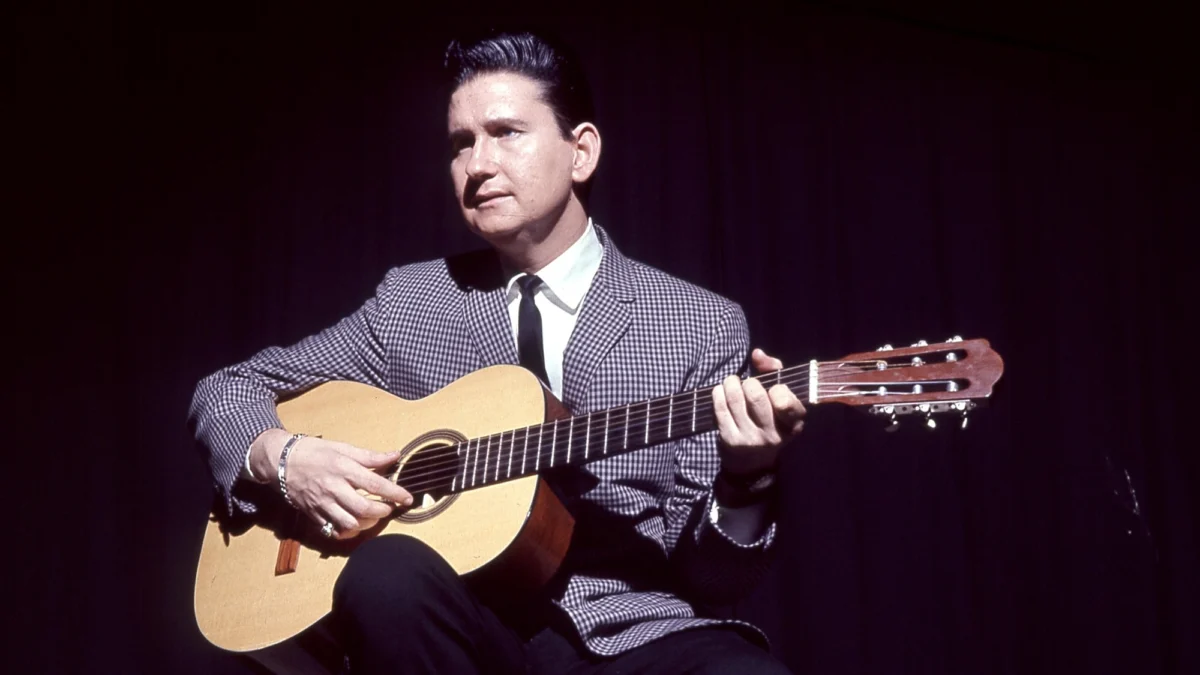
The year 1960 stands as a pivotal threshold in the history of modern music, marking the transition from the foundational rock and roll of the 1950s toward the more complex, diverse, and polished era of classic rock. For the elder members of the baby boomer generation, who were entering their formative teenage years at the dawn of the decade, the sounds of 1960 provided the soundtrack to a rapidly changing cultural landscape. This period saw the refinement of recording techniques, the rise of the "Nashville Sound," and the emergence of instrumental surf rock, all of which would eventually coalesce into the genre now recognized as classic rock. By examining key tracks from this year—specifically works by Roy Orbison, Dion, and The Ventures—music historians and enthusiasts can trace the lineage of modern popular music and understand the technical and cultural shifts that occurred during this era.
The Architectural Shift in Popular Music
As the 1950s drew to a close, the music industry faced a period of uncertainty. Many of the pioneers of the initial rock and roll explosion were absent from the scene: Elvis Presley was serving in the United States Army, Little Richard had turned to the ministry, and the tragic 1959 plane crash that claimed the lives of Buddy Holly, Ritchie Valens, and "The Big Bopper" left a void in the genre. However, 1960 did not represent a decline, but rather an evolution. The raw energy of rockabilly began to merge with sophisticated orchestral arrangements and pop sensibilities, creating a more melodic and enduring sound.
This evolution was driven by advancements in studio technology and a burgeoning market of young consumers with disposable income. The 45 RPM record became the primary medium for hits, and the Billboard Hot 100, established only two years prior in 1958, became the definitive metric for success. In 1960, the industry saw a significant increase in the production of high-fidelity recordings, allowing for more intricate vocal layering and instrumental clarity.
Roy Orbison and the Reinvention of the Rock Ballad
One of the most significant contributions to the 1960 musical canon was "Only The Lonely (Know The Way I Feel)" by Roy Orbison. Released in May 1960 on the Monument Records label, the track represented a departure from the standard three-chord structures of early rock and roll. Orbison, who had previously recorded for Sun Records with a more traditional rockabilly sound, found his definitive voice under the guidance of producer Fred Foster and engineer Bill Porter in Nashville.
"Only The Lonely" is characterized by its operatic vocal delivery and a dramatic, build-up structure that was uncommon for pop records of the time. The song features a distinct "shoo-wop" backing vocal arrangement and a driving yet soft percussion section. This track was instrumental in establishing what would become known as the "Nashville Sound"—a subgenre that incorporated string sections and professional background singers to create a "smoother" sound than traditional country or rock.
The song’s commercial success was monumental. It peaked at No. 2 on the Billboard Hot 100 in the United States and achieved No. 1 status in the United Kingdom. Industry analysts of the time noted that Orbison’s success signaled a shift toward "emotional" rock, where the vulnerability of the male vocalist was celebrated. This influence can be traced directly to later classic rock icons like Bruce Springsteen and Bono, who have frequently cited Orbison’s 1960 recordings as foundational to their own vocal styles.
The Rise of Instrumental Surf Rock: The Ventures
While vocalists were exploring new emotional depths, a different revolution was occurring in the realm of instrumental music. In 1960, The Ventures released "Walk, Don’t Run," a track that would effectively launch the surf rock craze and cement the electric guitar as the primary instrument of the classic rock era.
The song was originally a jazz composition by Johnny Smith from 1954, but The Ventures reimagined it with a driving beat and a clean, reverberated guitar tone. This version resonated with a youth culture increasingly fascinated by the burgeoning West Coast lifestyle and the technical possibilities of the electric guitar. The track reached No. 2 on the Billboard Hot 100 in September 1960, famously held off the top spot by Elvis Presley’s "It’s Now Or Never."
The technical impact of "Walk, Don’t Run" cannot be overstated. It popularized the use of the "tremolo arm" (or whammy bar) and encouraged thousands of teenagers to pick up the guitar. According to historical sales data from the early 1960s, the popularity of Fender guitars, particularly the Stratocaster and Jazzmaster models, surged following the success of The Ventures. The band’s focus on instrumental precision laid the groundwork for the guitar-centric rock of the mid-to-late 1960s, influencing future legends such as George Harrison and Eric Clapton.
Dion and the Emergence of the Solo Teen Idol
The year 1960 also marked a transition for Dion DiMucci, known simply as Dion. After several years of success with his vocal group, The Belmonts, Dion began his journey as a solo artist. The release of "Lonely Teenager" in late 1960 served as a bridge between the doo-wop era of the 1950s and the more polished pop-rock of the early 1960s.
"Lonely Teenager" reached No. 12 on the Billboard Hot 100 and resonated deeply with the baby boomer demographic. The song addressed themes of teenage isolation and longing, which were becoming central motifs in popular music as the industry began to market specifically toward the "teen" identity. From a production standpoint, the song utilized a blend of acoustic and electric instrumentation, moving away from the purely vocal-driven arrangements of the late 50s.
Dion’s transition from a group leader to a solo icon mirrored a broader industry trend where individual personalities were being elevated. This shift allowed for greater artistic control and paved the way for the singer-songwriter movement that would dominate the classic rock landscape in the years to follow.
Chronology of Major 1960 Musical Events
To understand the context in which these songs existed, one must look at the timeline of 1960’s major musical milestones:
- January 1960: The industry continues to reel from the "Payola" scandal, leading to stricter regulations on how radio stations select music for airplay.
- March 1960: Elvis Presley is discharged from the Army, sparking a massive media frenzy and shifting the focus of the music world back to its primary superstar.
- May 1960: Roy Orbison releases "Only The Lonely," marking the start of his most successful commercial period.
- August 1960: Chubby Checker releases "The Twist," a song that would spark a global dance craze and fundamentally change how rock music was consumed in social settings.
- September 1960: The Ventures’ "Walk, Don’t Run" hits its chart peak, establishing instrumental rock as a viable commercial force.
- November 1960: Dion releases "Lonely Teenager," signaling his success as a solo artist following his departure from The Belmonts.
- December 1960: The year ends with a diverse Top 40, ranging from the orchestral pop of Percy Faith to the soul-infused rock of Ray Charles, showcasing the genre’s broadening horizons.
Industry Data and Market Trends
The commercial data from 1960 reflects a robust and expanding market. According to historical RIAA (Recording Industry Association of America) archives, total industry sales in 1960 reached approximately $600 million, a significant increase from the mid-1950s. This growth was driven by the "youth market," as the first wave of baby boomers reached their early teens.
Radio airplay data from 1960 indicates that "Top 40" stations were becoming the dominant force in music discovery. These stations played a mix of rock, pop, R&B, and country-crossover hits, which helped break down genre barriers. For example, Roy Orbison’s "Only The Lonely" found success on both pop and country charts, a feat that would become a hallmark of many classic rock artists.
Broader Cultural Impact and Legacy
The music of 1960 served as a cultural bridge. It maintained the innocence of the 1950s while beginning to explore the more complex social and emotional themes that would define the 1960s. The songs of this year were not merely entertainment; they were the building blocks of an identity for a generation that would eventually lead the social and political movements of the late 60s.
The technical innovations of 1960—from the refined vocal production in Nashville to the guitar experimentation of The Ventures—directly influenced the British Invasion that would occur four years later. The Beatles, in particular, were known to be fans of both Roy Orbison and The Ventures, with John Lennon and George Harrison frequently citing these artists as early influences on their songwriting and arrangement styles.
Furthermore, the focus on "the teenager" as a central figure in the music of 1960, as seen in Dion’s work, established a permanent demographic shift. Music was no longer something shared equally across generations; it became a specific language for the youth. This generational divide would become more pronounced as the decade progressed, but the seeds were firmly planted in 1960.
In conclusion, the classic rock tunes of 1960 represent more than just nostalgia for baby boomers. They represent a period of intense creativity and professionalization within the music industry. Roy Orbison’s vocal prowess, The Ventures’ instrumental innovation, and Dion’s relatable teen anthems were the catalysts for a musical revolution. These tracks proved that rock and roll was not a passing fad but a sophisticated art form capable of evolving into the enduring genre of classic rock. As these songs continue to receive airplay on classic rock stations today, their legacy remains a testament to the transformative power of the year 1960.
