

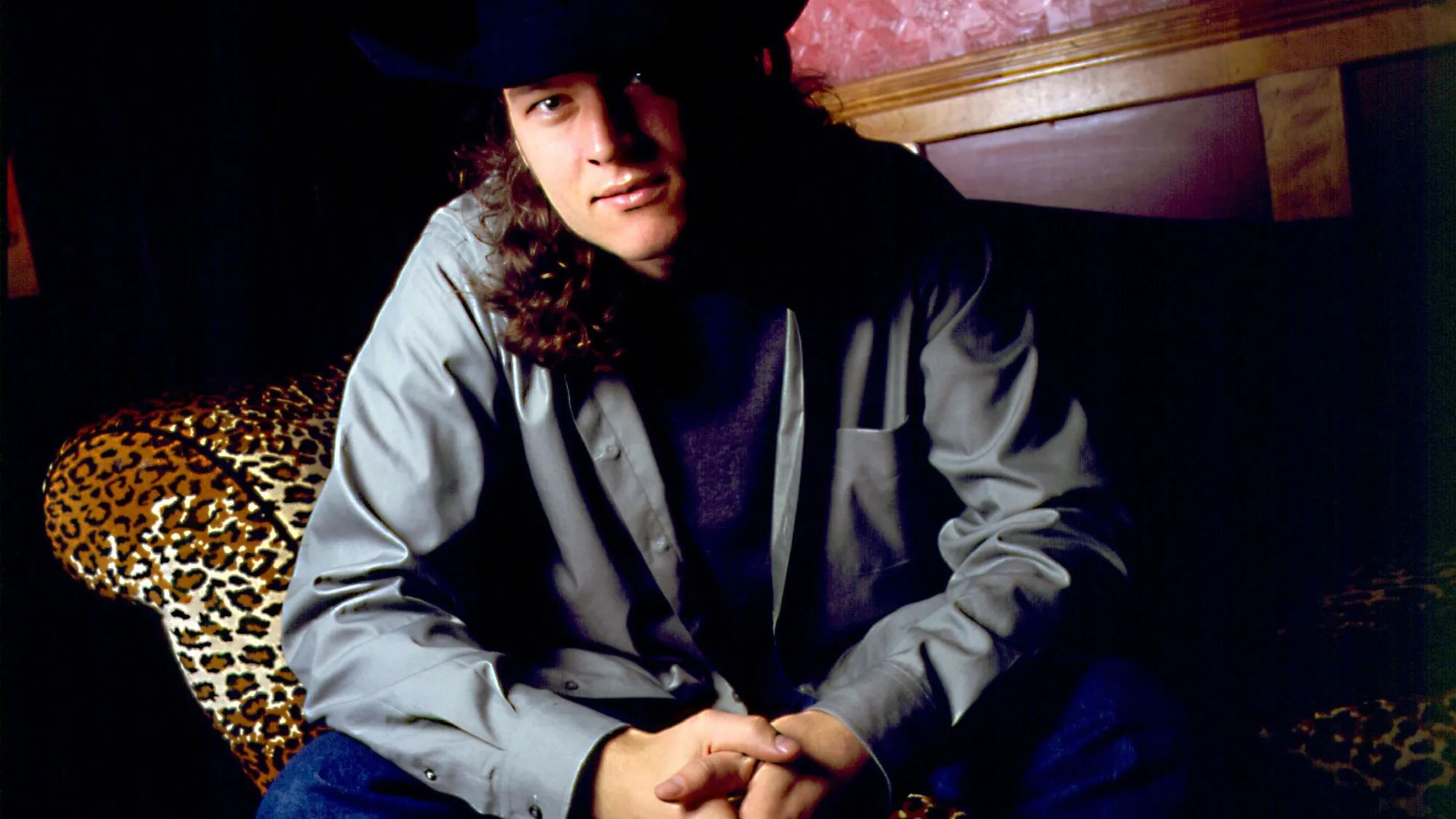
On July 31, 2001, the landscape of modern country music underwent a quiet but seismic shift with the release of a self-titled debut album from a lanky, mullet-wearing 25-year-old from Ada, Oklahoma. Blake Shelton, who would eventually become a multi-platinum recording artist, a television icon on NBC’s The Voice, and a member of the Grand Ole Opry, launched his professional recording career with an eleven-track collection that balanced traditional storytelling with the emerging contemporary sounds of the new millennium. While today Shelton is a household name, his journey from a high school graduate in rural Oklahoma to the top of the Billboard charts was a narrative fraught with corporate instability, personal skepticism, and a pivotal song that he initially did not want to record.
The genesis of Shelton’s career dates back to 1994. Immediately following his graduation from high school, Shelton moved to Nashville, Tennessee, to pursue a career in songwriting and performance. Like many aspiring artists of the era, he spent years navigating the competitive "Music Row" environment. His fortunes changed in the late 1990s when he caught the attention of Bobby Braddock. Braddock, a legendary figure in Nashville, was the songwriter behind George Jones’ iconic "He Stopped Loving Her Today," often cited as the greatest country song of all time. Braddock’s mentorship provided Shelton with the industry gravitas necessary to secure a recording contract with Giant Records, a subsidiary of the Warner Music Group, in 2001.
The Uncertainty of Giant Records and the Corporate Transition
The launch of Shelton’s debut was nearly derailed by the volatile nature of the music industry at the turn of the century. In April 2001, Giant Records released "Austin" as Shelton’s lead single. As the song began to gain traction on country radio, the label itself faced an existential crisis. Rumors had been circulating for months that Giant Records was on the verge of closure. For a debut artist, there is perhaps no greater fear than losing a promotional engine just as a career is beginning to ignite.
Shelton later reflected on this period with a mix of anxiety and relief, noting that the rumors of Giant’s demise were accurate but fortunately lagged behind his production schedule. He was able to complete the album before the label officially shuttered its doors. When Giant Records did close, its parent company, Warner Bros. Nashville, absorbed Shelton’s contract. This transition was a critical juncture; often, when a label folds, secondary artists are dropped from the roster. However, the burgeoning success of "Austin" made Shelton an indispensable asset, ensuring that his debut album would receive the full backing of one of the industry’s most powerful labels.
The Statistical Phenomenon of Austin
"Austin" was not merely a successful debut; it was a record-breaking introduction. Written by David Kent and Kirsti Manna, the ballad tells the story of a woman who moves to Austin after a breakup, only to find that her former lover has left an answering machine message for her every time she calls. The narrative structure, centered on the "P.S. if this is Austin, I still love you" hook, resonated deeply with the country music audience.
The song spent five consecutive weeks at number one on the Billboard Hot Country Songs chart. In doing so, it tied a record set in 1992 by Billy Ray Cyrus’ "Achy Breaky Heart" for the longest stay at the top spot for a debut single. The track also achieved significant crossover success, reaching number 18 on the Billboard Hot 100, a rare feat for a country ballad in the early 2000s. This dual-market success provided the momentum necessary for the album Blake Shelton to peak at number three on the Top Country Albums chart and number 45 on the all-genre Billboard 200.
Internal Resistance and the "Cheesy" Factor
Despite the monumental success of "Austin," the artist himself was initially one of the song’s harshest critics. In retrospective interviews, Shelton has been candid about his original distaste for the track. He described the song’s protagonist as "desperate" and found the answering machine gimmick to be "cheesy." Coming from a background of more traditional, rugged country influences, Shelton was concerned that the sentimental nature of the song would not represent the artist he wished to be.
The intervention of his producer, Bobby Braddock, and his then-manager, Debbie Zavitson, proved to be the turning point. They recognized the commercial potential and the emotional resonance of the songwriting, urging Shelton to record it. Shelton has since acknowledged that without their persistence, his career might have ended before it truly began. The success of "Austin" established a template for Shelton’s career: a blend of relatable, narrative-driven ballads and more uptempo, personality-driven tracks.
Beyond the Lead Single: Ol’ Red and All Over Me
While "Austin" provided the commercial foundation, the debut album contained other tracks that would become cornerstones of Shelton’s repertoire. The second single, "All Over Me," which Shelton co-wrote with his idol Earl Thomas Conley and Mike Pyle, reached the top 20 and showcased his capabilities as a songwriter.
However, it was the third single, "Ol’ Red," that would arguably become his most enduring legacy from that era. A cover of a song previously recorded by George Jones, Kenny Rogers, and James Conlee, Shelton’s version became the definitive rendition. Although it only reached number 14 on the charts at the time, it became a staple of country radio and a fan favorite at live performances. The song’s popularity eventually inspired Shelton’s successful chain of "Ole Red" restaurants and entertainment venues, proving that chart position is not always the sole indicator of a song’s long-term cultural impact.
Chronology of the Blake Shelton Debut Era
- 1994: Blake Shelton moves from Ada, Oklahoma, to Nashville.
- Late 1990s: Discovered by Bobby Braddock; signs with Giant Records.
- April 2001: "Austin" is released to country radio.
- May-June 2001: Giant Records begins the process of closing; Shelton’s contract is moved to Warner Bros. Nashville.
- July 31, 2001: The self-titled debut album Blake Shelton is released.
- August 2001: "Austin" reaches number one on the Billboard Hot Country Songs chart, remaining there for five weeks.
- 2002: Release of follow-up singles "All Over Me" and "Ol’ Red."
- 2004: The album is certified Platinum by the RIAA, signifying over one million copies sold.
Broader Impact and Implications for Country Music
The success of Blake Shelton’s debut album arrived during a transitional period for the country music genre. The "Class of ’89" (Garth Brooks, Alan Jackson, Clint Black) was moving into a veteran phase, and the industry was looking for new male vocalists who could bridge the gap between traditional honky-tonk and the polished production of the new decade. Shelton, with his deep baritone and approachable persona, fit this mold perfectly.
The album’s success also validated the "story-song" format that had been a staple of the 1990s, proving it still had legs in the digital age. Furthermore, the corporate transition from Giant to Warner Bros. served as a case study in artist development; it demonstrated that a strong lead single could protect an artist from the fallout of corporate restructuring.
Analysis of a Three-Decade Reign
Looking back from the vantage point of the 2020s, the debut of Blake Shelton is the prologue to one of the most successful careers in the history of the genre. To date, Shelton has earned 28 number-one singles on the country charts, including a record-breaking streak of 17 consecutive number-ones. His debut album did more than just sell a million copies; it established the "everyman" brand that would eventually make him a television star.
The album Blake Shelton remains a touchstone for fans of early 2000s country. It serves as a reminder of a time when the "answering machine" was a viable plot device and when a young singer’s career hung in the balance of a label’s closing doors. By overcoming his own skepticism of "Austin" and navigating the shifting sands of Nashville’s corporate environment, Blake Shelton secured his place in the country music pantheon. The 2001 release was not just an album; it was the foundation of a multi-media empire that continues to influence the genre today.
