

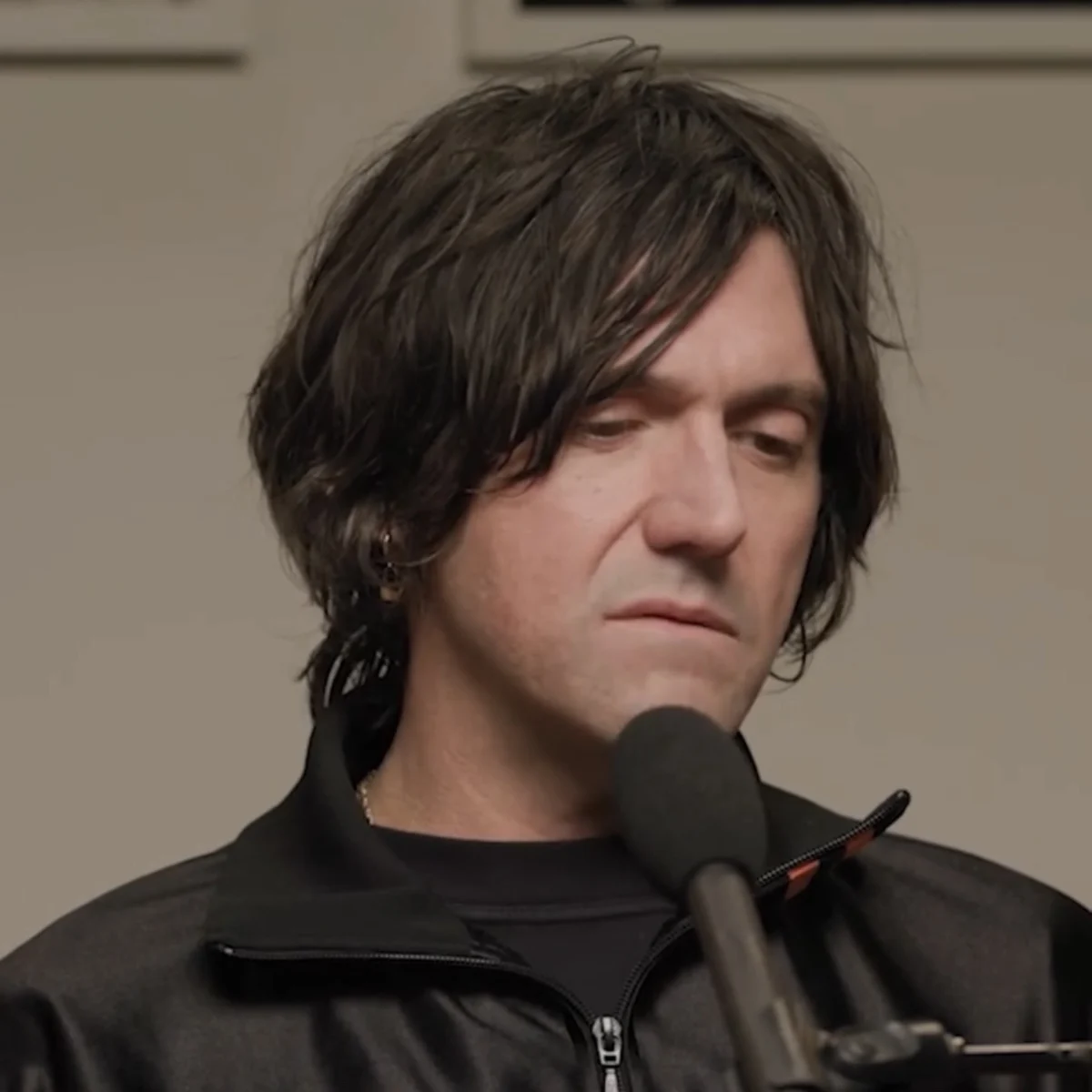
Bright Eyes frontman Conor Oberst has recently offered a candid and deeply personal account of a "near-death experience" and the subsequent profound lifestyle changes that led to the band’s abrupt cancellation of numerous tour dates in 2024. While initial reports cited "vocal issues" as the reason for the cancellations, Oberst has now openly confirmed widespread speculation that his struggles extended far beyond mere vocal strain, encompassing significant personal challenges that brought him to a critical juncture. His recent interviews reveal a stark period of darkness, contrasting sharply with his current public appearances, which suggest a path toward recovery and renewed creative vitality, including upcoming shows and diverse ventures.
The 2024 Tour Cancellations: A Public Concern Emerges
The spring and summer of 2024 saw a series of concerning announcements from the Bright Eyes camp, beginning with the cancellation of multiple highly anticipated tour dates. The band, a staple in the indie-rock landscape for over two decades, was scheduled to perform at various venues and festivals, including a prominent slot at the Best Friends Forever festival. The official statements released at the time attributed these cancellations to Conor Oberst’s "vocal issues," prompting immediate disappointment among fans and industry observers. However, the abruptness and extent of the cancellations, affecting a significant portion of their planned itinerary, fueled whispers and speculation within the music community that Oberst might be grappling with more profound personal difficulties.
Bright Eyes, formed in Omaha, Nebraska, in 1995, has always been intimately tied to Oberst’s intensely introspective and often melancholic songwriting. His lyrical explorations of anxiety, depression, and existential angst have resonated deeply with a generation of listeners, establishing him as a poignant voice in contemporary music. This history, while a source of artistic strength, also meant that any public indication of personal struggle from Oberst naturally drew heightened concern. The band’s discography, from early works like Fevers and Mirrors to later acclaimed albums such as I’m Wide Awake, It’s Morning and Cassadaga, often mirrored Oberst’s internal landscape, making the public’s connection to his well-being particularly strong. The decision to pull out of such high-profile commitments, with replacements like The Blood Brothers stepping in for festivals, underscored the seriousness of the situation, even if the full details remained obscured at the time.
First Glimmers of Truth: The LA Times Interview
Earlier this year, the veil began to lift when Oberst granted an interview to the LA Times, offering the first public acknowledgement that his 2024 tour cancellations were rooted in more than just a strained larynx. In a remarkably candid moment, he reportedly laughed as he clarified that the issue wasn’t strictly his voice, but rather that he "was not in good shape to sing." This seemingly innocuous statement carried significant weight, confirming the suspicions that had circulated for months.
During that LA Times conversation, Oberst provided a crucial update on his journey toward recovery, stating, "I’m doing so much better. Made some lifestyle changes – I’m not gonna say I’m sober because I’m not. But I gave up the worst of it. I’m trying to go on with life and not dwell on it. But any kind of near-death experience, it does completely change your outlook on the world." This admission marked a pivotal moment, offering fans a glimpse into the gravity of his past struggles without delving into explicit details. The mention of a "near-death experience" was particularly striking, suggesting a brush with mortality that profoundly impacted his perspective and spurred his commitment to change. It signaled a conscious effort to navigate a healthier path, acknowledging the complexity of recovery while emphasizing a clear break from detrimental patterns.
A Deeper Dive: The New York Times Popcast Revelation
The conversation surrounding Oberst’s challenging period deepened considerably with his recent appearance on the New York Times Popcast, hosted by Jon Caramanica and Joe Coscarelli. In a segment that has garnered significant attention, Coscarelli directly inquired about the "near-death experience" Oberst had alluded to previously. While still refraining from specifying the exact nature of the event, Oberst provided an intimate and raw account of the internal turmoil he faced at that critical juncture.
"I didn’t see the light or anything like that, but it was very real," Oberst recounted, painting a picture devoid of romanticized spiritual imagery, grounding the experience in a stark, visceral reality. He described a profound emotional neutrality, stating, "I didn’t really feel happy or sad or anything like that." What stood out most powerfully was the relentless internal monologue he experienced: "I actually had the meanest internal voice, being like, ‘Haven’t you wanted this your whole life, you f***ing son of a bitch?’" This self-critical, almost nihilistic internal voice offers a chilling insight into the depths of despair he was confronting, suggesting a long-standing battle with destructive impulses.
Oberst further elaborated on the stark choice he faced at the precipice. "When I was really close to the edge, there was nothing good about it," he said. "I could keep doing what I’m doing and probably be dead really fast, or I could change up my style and try to stay around and make more things and don’t be in such a hurry. Life’s so short…" This moment of clarity, born from extreme duress, became the catalyst for his transformation. It wasn’t a sudden epiphany filled with joy, but a pragmatic assessment of survival and purpose. The realization that his life held value, not just for himself but for others, became a potent motivator. "People need me around, you know? My family need me around, my friends. It’s one of those things that I think people find different reasons to live for and all that sort of thing," he concluded, underscoring the communal aspect of his recovery and the responsibilities he felt toward those who depend on him. This deeply personal revelation provides a powerful testament to the often-unseen battles individuals face and the internal strength required to choose a path toward life and connection.
Signs of Recovery and Renewed Engagement
In the months leading up to these candid interviews, signs of Oberst’s improved well-being had begun to emerge, offering a hopeful counterpoint to the earlier tour cancellations. He has been seen playing shows, re-engaging with his craft, and even participating in lighter, more whimsical activities, such as selling Bright Eyes x Woodstock pre-rolls and, notably, losing a Conor Oberst lookalike contest. These public appearances, while seemingly minor, signify a return to public life and an embrace of varied engagements that suggest a more stable and healthier personal state. The ability to engage in such activities, particularly those requiring public interaction and a sense of humor about oneself, indicates a significant shift from the dark period he described.
The upcoming fall tour for Bright Eyes further solidifies this narrative of recovery and resurgence. The band’s return to the road is not merely a professional commitment but a powerful symbol of Oberst’s personal journey. For a musician whose art is so intertwined with his personal experiences, stepping back onto the stage after such a profound period of struggle is a testament to his resilience and dedication. Fans, who have consistently expressed their concern and support online since the 2024 cancellations, have responded with an outpouring of relief and encouragement, eagerly anticipating the opportunity to witness Oberst’s renewed energy in live performances.
Beyond the Personal: Broader Themes from the Popcast
While Oberst’s personal revelations dominated headlines, the full hour-long New York Times Popcast interview covered a broad spectrum of topics, showcasing his characteristic intellectual curiosity and willingness to engage on diverse subjects. The interview delved into questions of identity, creativity, and the socio-political landscape, demonstrating Oberst’s multifaceted perspective beyond his personal struggles.
Among the other conversational threads explored were the question of whether Oberst considers himself a "former child star," a label that might stem from his early entry into the music scene and prolific output from a young age. This discussion likely touched upon the unique pressures and public scrutiny faced by artists who achieve prominence in their formative years. The interview also delved into the difficulties of writing protest songs during the Trump years, a period that challenged many artists to find their voice in a rapidly shifting political climate. Oberst, known for his politically charged lyrics and activism, would undoubtedly have valuable insights into the complexities of crafting meaningful social commentary amidst heightened polarization. Finally, the Popcast touched upon the intriguing and somewhat quirky concept of the "mom prom," a topic that could range from humorous anecdotes to a broader commentary on cultural phenomena or the evolving relationship between artists and their multi-generational fan base. These diverse topics underscore the depth of Oberst’s artistic and intellectual engagement, indicating a mind actively processing and reflecting on the world around him.
Implications and Broader Impact
Conor Oberst’s decision to speak openly about his "near-death experience" and subsequent lifestyle changes carries significant implications, both for his personal trajectory and for the broader music industry. On a personal level, his candor offers a powerful narrative of resilience and the arduous journey of recovery. In an industry often plagued by issues of mental health and substance abuse, Oberst’s willingness to discuss his struggles, without sensationalism but with raw honesty, can serve as an inspiration and a beacon of hope for others facing similar battles. His emphasis on finding "different reasons to live for"—family, friends, and the desire to "make more things"—highlights the fundamental human need for connection and purpose in overcoming adversity.
For Bright Eyes, Oberst’s renewed stability bodes well for the band’s future. After years of intermittent activity and solo projects, the band’s consistent touring plans and Oberst’s re-engagement signal a potential period of sustained creative output and performances. Industry observers note that an artist’s personal well-being is intrinsically linked to their professional longevity and artistic quality. Oberst’s commitment to healthier choices suggests a more sustainable path for his career, benefiting both the band and its dedicated fanbase.
More broadly, Oberst’s story contributes to the ongoing, vital conversation within the music industry about mental health, addiction, and the pressures placed upon artists. His experience underscores the reality that behind the public persona and creative output, artists are individuals grappling with intense emotional and psychological challenges. By sharing his story, Oberst helps to destigmatize these issues, encouraging a more empathetic and supportive environment for musicians. His journey from the brink to a place of recovery and renewed purpose is a compelling narrative, reminding us that even in the darkest moments, there is often a path towards healing and a profound appreciation for life. As Bright Eyes prepares for their fall tour, the performances will undoubtedly carry an added layer of significance, representing not just a return to the stage, but a celebration of life, resilience, and the enduring power of music.
