

Dale Morris, the legendary music manager whose handshake-based business philosophy and keen eye for talent transformed the landscape of country music, has passed away at the age of 89. While his name was rarely seen in lights, his influence was etched into the grooves of dozens of number-one hits and the sold-out stadium tours that defined the genre for nearly half a century. As the founder of Dale Morris & Associates, Morris was the architect behind the careers of two of the most significant acts in music history: the pioneering band Alabama and the modern stadium-filling icon Kenny Chesney. His death on Friday marks the conclusion of an era in Nashville characterized by personal loyalty and artistic development over corporate rigidity.
Throughout a career that spanned more than five decades, Morris established himself not merely as a business representative but as a career strategist. He was a man who preferred the shadows of the wings to the glare of the spotlight, yet his decisions dictated the direction of country music’s commercial evolution. His passing has triggered a wave of reflection across the industry, highlighting a legacy built on the belief that a manager’s primary duty is to protect the artist’s vision while relentlessly expanding their reach.
The Architect of the Alabama Phenomenon
The story of Dale Morris’s impact on the music industry begins in earnest during the late 1970s. At the time, country music was largely dominated by solo vocalists, and the idea of a self-contained band achieving mainstream superstardom was considered a risky proposition by major labels. While visiting The Bowery, a storied club in Myrtle Beach, South Carolina, Morris encountered a group then known as Wildcountry. The band, which would eventually rename themselves Alabama, possessed a unique blend of Southern rock energy and traditional country harmonies.
Morris recognized an untapped potential in the group’s sound and stage presence. Under the guidance of Dale Morris & Associates, Alabama signed with RCA Records in 1980, sparking a run of success that remains unparalleled in the history of country groups. Morris navigated the band through a decade of absolute dominance. Between 1980 and 1993, Alabama secured over two dozen No. 1 hits, including classics like "Mountain Music," "Dixieland Delight," and "Song of the South."
The data surrounding Alabama’s tenure under Morris’s management is staggering. The group was named the Country Music Association (CMA) Entertainer of the Year for three consecutive years (1982–1984) and the Academy of Country Music (ACM) Entertainer of the Year for five consecutive years (1981–1985). They have sold more than 73 million albums to date. Morris’s ability to market a group that appealed to both rural traditionalists and suburban pop-country fans laid the groundwork for every country band that followed, from Lonestar to Old Dominion.
Transforming Kenny Chesney into a Stadium Icon
If Alabama was the first pillar of the Morris legacy, Kenny Chesney was the second. In the early 1990s, Chesney was a struggling songwriter and aspiring artist from East Tennessee. When he met Morris, he was at a crossroads in his career. Morris saw in Chesney the same drive and relatability he had recognized in the members of Alabama years earlier.
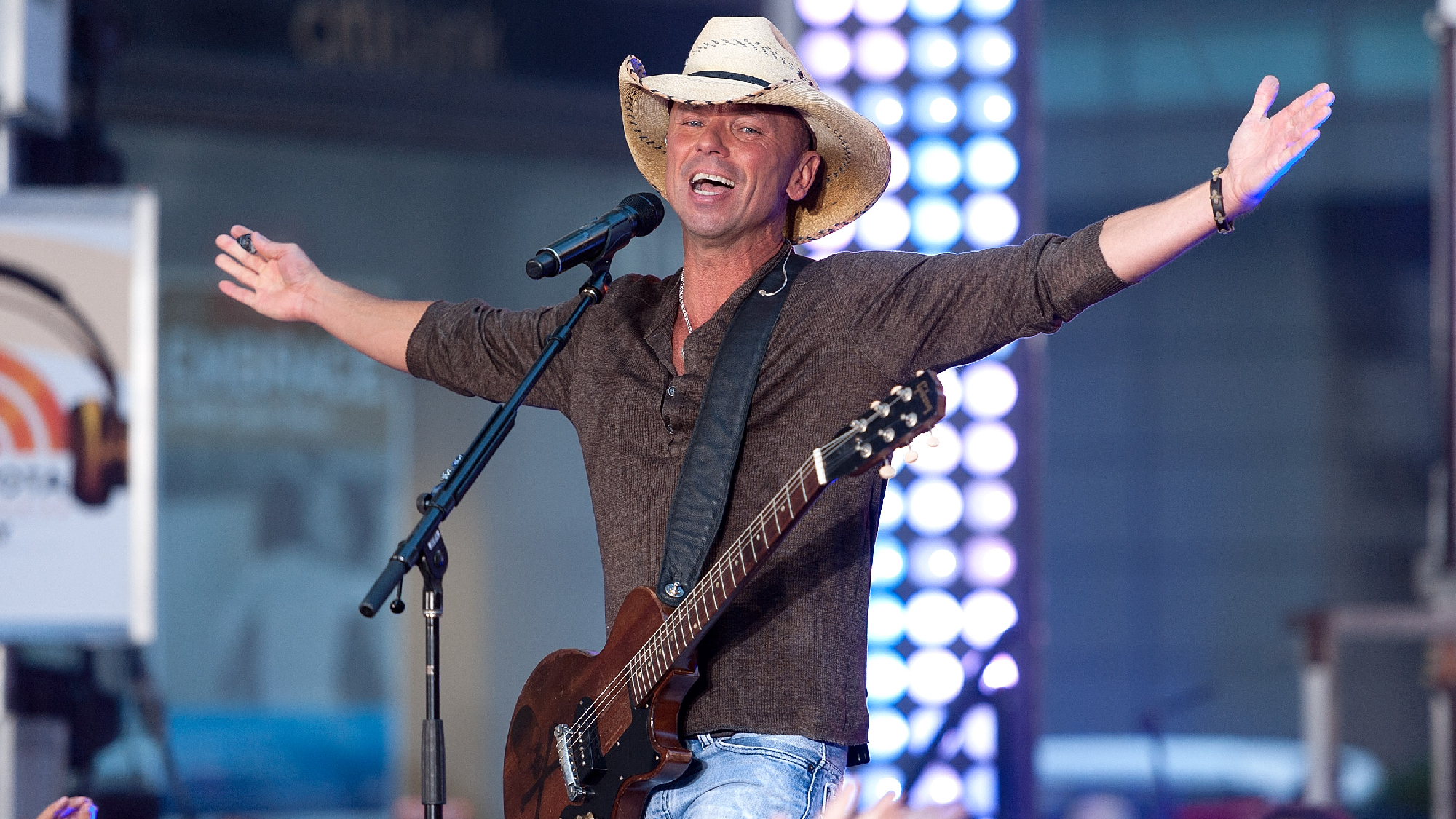
The partnership between Morris and Chesney became one of the most successful pairings in entertainment history. Morris did not just manage Chesney; he helped curate a "lifestyle brand" that would eventually be known as "No Shoes Nation." By focusing on high-energy live performances and a tropical-inflected country sound, Morris helped Chesney transition from playing clubs and fairs to becoming the only country artist to consistently sell out NFL stadiums year after year.
Under Morris’s management, Chesney’s career trajectory reached heights that few solo artists in any genre have achieved. Chesney has recorded over 30 No. 1 singles and has been named the CMA Entertainer of the Year four times (2004, 2006, 2007, 2008). The financial implications of their partnership were equally significant; Chesney’s tours consistently ranked among the highest-grossing worldwide, often out-earning major pop and rock acts.
In his upcoming 2025 book, Heart Life Music, Chesney reflects on the profound impact Morris had on his life. Chesney writes about their first meeting, noting that he didn’t feel the need to interview any other managers after speaking with Morris. He describes Morris as a man who "loved the game" and was always looking for innovative ways to navigate the industry.
A Business Model Built on Handshakes and Trust
One of the most remarkable aspects of Dale Morris’s career was his steadfast refusal to use formal written contracts with his primary artists. In an industry often criticized for predatory legal agreements and complex litigation, Morris operated on a "handshake" basis. This philosophy was rooted in his belief that if an artist no longer wanted to work with him, or if he no longer felt he could add value to their career, a piece of paper should not force them to stay.
"We never signed contracts with any of the acts we represented," Morris once explained in a rare interview. "You come with us and if you want to leave us tomorrow, pay us what you owe us and out the door you go."
This approach created a culture of mutual respect and high performance. Because there was no legal safety net, Morris and his team were incentivized to work harder every day to prove their worth to their clients. This "stay small to stay focused" mentality allowed Dale Morris & Associates to provide a level of personalized attention that larger corporate management firms could rarely match. It was a model of "boutique" management that prioritized long-term career longevity over short-term financial gains.
Mentorship and the Succession of Morris Higham Management
Morris’s influence extended beyond the artists he managed to the executives he trained. His most notable protégé, Clint Higham, joined the firm as an intern and eventually became Morris’s partner, leading the evolution of the company into Morris Higham Management. Higham’s rise within the company serves as a testament to Morris’s eye for talent, not just on the stage, but in the boardroom.
Following the news of Morris’s passing, Higham released a statement honoring his mentor’s "big, bold, beautiful, blessed life." Higham credited Morris with inspiring everyone around him to "reach beyond what we thought possible." Under the joint leadership of Morris and Higham, the firm expanded its roster to include major contemporary stars like Old Dominion, Carly Pearce, and others, ensuring that the Morris philosophy would continue to shape the industry well into the 21st century.
Industry Implications and the End of an Era
The passing of Dale Morris is being viewed by industry analysts as the symbolic end of the "independent pioneer" era of Nashville management. As the music industry has become increasingly consolidated under a few massive global conglomerates, Morris remained a staunch independent. His success proved that a small, dedicated team could outmaneuver international corporations by focusing on the core relationship between the artist and the fan.
His impact on the touring industry cannot be overstated. Morris was a pioneer in recognizing that for country music to grow, it had to move beyond the traditional "package tour" format of the 1970s and embrace the production values of arena rock. He pushed for better sound systems, more elaborate lighting, and larger venues, helping to elevate country music from a regional specialty to a national powerhouse.
Chronology of a Storied Career
- Late 1970s: Dale Morris discovers the band Wildcountry (later Alabama) at The Bowery in Myrtle Beach.
- 1980: Alabama signs with RCA Records under Morris’s management, releasing "My Home’s in Alabama."
- 1981–1985: Alabama achieves an unprecedented streak of five consecutive ACM Entertainer of the Year awards.
- Early 1990s: Morris meets Kenny Chesney and begins a partnership that would redefine country music touring.
- 1994: Clint Higham joins Dale Morris & Associates as an intern, beginning a decades-long mentorship.
- 2004: Kenny Chesney wins his first CMA Entertainer of the Year award, a feat he would repeat three more times.
- 2010s: Morris Higham Management continues to dominate the charts with new signings while maintaining the legacy of its founding artists.
- 2024: Dale Morris passes away at 89, leaving behind a legacy of over 60 No. 1 hits between his two primary acts.
Final Reflections on a Country Music Icon
Dale Morris’s legacy will not be found in a discography of his own recordings, but in the millions of fans who have gathered in stadiums to sing along to the artists he championed. He was a man who understood that the music business is, at its heart, a people business. By valuing loyalty, honesty, and artistic integrity over legal fine print, he built a management empire that stood the test of time.
As the country music community mourns his loss, the consensus among peers is that Morris was a rare figure who managed to be both a formidable businessman and a beloved friend. While the "handshake deal" may be a disappearing relic of the past, the careers Dale Morris built—and the music those careers produced—will remain a permanent part of the American cultural fabric. His story serves as a reminder that behind every great star, there is often a visionary in the wings, making sure the song never ends.
