

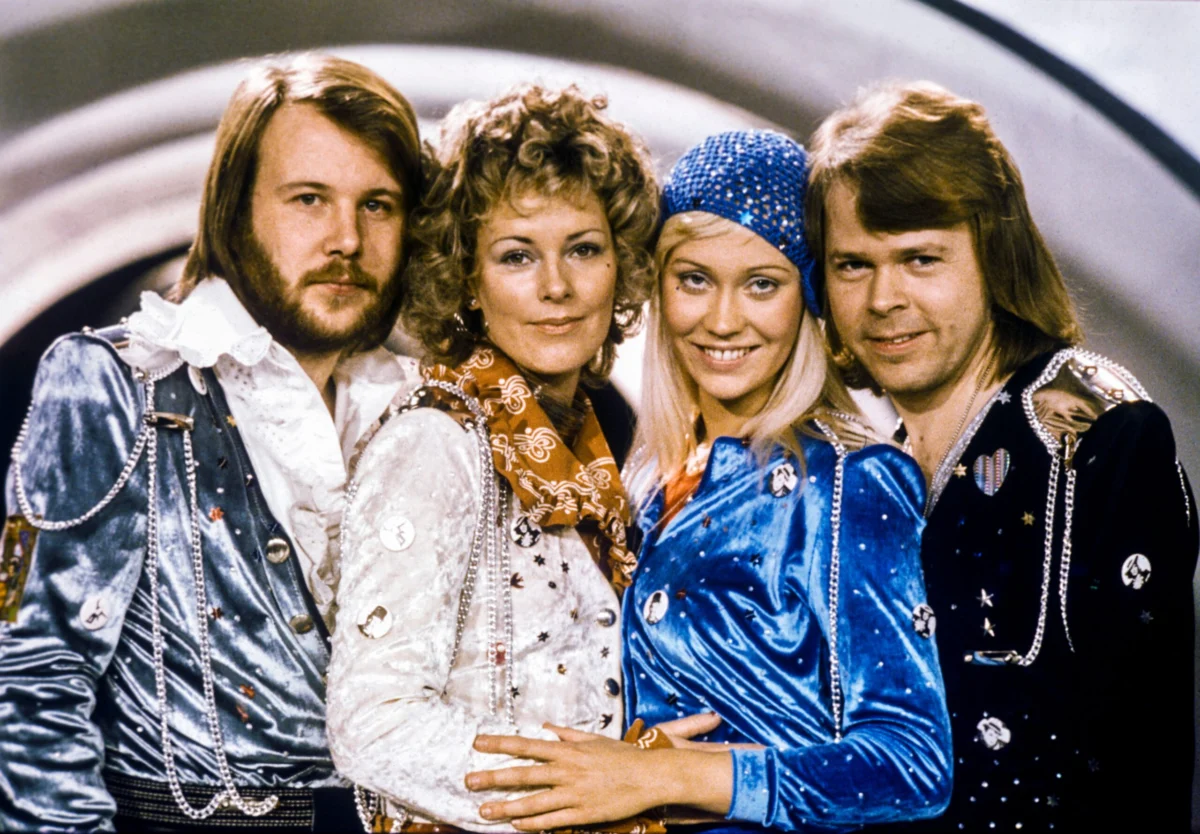
The trajectory of popular music in the 20th century was irrevocably altered in 1972 when a Swedish quartet released their debut single, "People Need Love." This release marked the inception of ABBA, a group comprising Agnetha Fältskog, Björn Ulvaeus, Benny Andersson, and Anni-Frid "Frida" Lyngstad. Over the subsequent decade, the ensemble would go on to define the pop genre through a combination of sophisticated songwriting, innovative studio production, and an uncanny ability to create melodies that resonated across linguistic and cultural barriers. While their discography spans a wide emotional spectrum, from melancholic ballads to theatrical pop-rock, it is their contributions to the dance floor that remain their most enduring legacy. By examining three pivotal tracks—"Dancing Queen," "Summer Night City," and "Waterloo"—the broader impact of ABBA’s musical architecture and their sustained relevance in the modern era becomes evident.
The Global Phenomenon of Dancing Queen
Released in August 1976, "Dancing Queen" stands as the pinnacle of ABBA’s commercial and artistic achievement. Written by Benny Andersson and Björn Ulvaeus with lyrical contributions from their manager, Stig Anderson, the track was conceived during the height of the disco era. However, unlike many contemporary disco tracks that relied on repetitive loops, "Dancing Queen" featured a complex, wall-of-sound production style that drew inspiration from George McCrae’s "Rock Your Baby" and the rhythmic sensibilities of American soul music.
The song’s performance on the global charts was unprecedented for a Swedish act. In their native Sweden, it occupied the No. 1 position for 14 consecutive weeks. Its impact in the United Kingdom was equally profound, spending six weeks at the top of the charts. Most notably, "Dancing Queen" remains ABBA’s only No. 1 single on the United States Billboard Hot 100, a feat that solidified their status as a global powerhouse rather than a regional European success.
The internal reaction to the track’s creation serves as a testament to its immediate power. Upon first hearing the backing track in the studio, Anni-Frid Lyngstad reportedly moved to tears by the sheer beauty of the melody. This sentiment was echoed by Agnetha Fältskog, who later noted that while it is often difficult to predict which songs will become hits during the recording process, "Dancing Queen" was a rare exception where the entire group recognized its massive potential instantly. The song’s lyrics—"You are the dancing queen / Young and sweet, only seventeen"—have since become embedded in the global cultural lexicon, transcending their original context to become a universal anthem of youth and liberation.
The Evolution of Sound in Summer Night City
By 1978, the musical landscape was shifting toward a more polished, electronic-infused sound. ABBA responded with "Summer Night City," a track that appeared on their Greatest Hits Vol. 2 album. Written by Andersson and Ulvaeus, the song represented a departure from the bright, acoustic-heavy pop of their early years, leaning instead into the driving rhythms and atmospheric synthesizers that would define their later work.
"Summer Night City" serves as a sonic celebration of the brief but intense Nordic summer, capturing the energy of urban nightlife. The lyrics, "Waiting for the sunrise, soul dancing in the dark / Summer night city / Walking in the moonlight, love-making in the park," reflect a more mature, slightly edgier thematic direction for the band. Despite its eventual status as a fan favorite, the recording process was notoriously difficult. The band spent an unusually long time in the studio attempting to find the right mix, eventually opting for an edited version that removed a slow, orchestral introduction.
The track’s legacy is further evidenced by its continued presence in popular culture through various covers, most notably the 1998 version by the group Abracadabra. While it did not reach the same chart heights in the U.S. as "Dancing Queen," it performed exceptionally well across Europe and remains a staple of the group’s "disco" era, illustrating their ability to adapt to the evolving demands of the dance floor without sacrificing their melodic integrity.
Waterloo: The Genesis of a Pop Dynasty
To understand the magnitude of ABBA’s influence, one must look back to 1974 and the release of "Waterloo." As the title track of their second studio album, "Waterloo" was the vehicle that propelled the group onto the international stage via the Eurovision Song Contest. Held in Brighton, England, the 1974 contest saw ABBA break the traditional "schlager" mold of Eurovision with a high-energy, glam-rock-inspired performance.
The song utilizes the historical defeat of Napoleon Bonaparte at the Battle of Waterloo in 1815 as a metaphor for a person surrendering to love. The lyrics—"The history book on the shelf / Is always repeating itself / Waterloo, I was defeated, you won the war"—paired with a relentless, uptempo beat, created a formula that was irresistible to international audiences. Following their Eurovision victory, the group recorded the song in Swedish, English, French, and German, a strategic move that ensured maximum market penetration across the continent.
"Waterloo" was more than just a hit single; it was a disruption of the music industry’s status quo. It proved that a non-Anglophone act could dominate the British and American charts. The success of the song led to a string of hits that would last until the group’s hiatus in 1982, effectively laying the groundwork for the modern Swedish music export industry, which today includes global figures like Max Martin and Robyn.
Statistical Impact and Economic Contribution
The commercial data surrounding ABBA’s career provides an objective measure of their influence. Conservative estimates place the group’s total record sales at over 380 million units worldwide. In the 1970s, ABBA was famously cited as Sweden’s second-largest export earner, trailing only the automotive giant Volvo. This economic impact was a result of a meticulous business strategy led by Stig Anderson, who ensured that the ABBA brand was protected and promoted through innovative music videos—long before the advent of MTV.
The group’s chart performance remains a benchmark for excellence. In the UK alone, they achieved nine No. 1 singles and spent a total of 31 weeks at the top of the charts. Their 1992 compilation album, ABBA Gold: Greatest Hits, has spent over 1,000 weeks on the UK Albums Chart, making it one of the best-selling and most enduring records in history.
Technical Innovation and Studio Perfectionism
A significant factor in the "timelessness" of ABBA’s dance tracks is the technical quality of the recordings. Working primarily out of Polar Studios in Stockholm—one of the most advanced recording facilities of its time—Benny Andersson and Björn Ulvaeus, along with engineer Michael B. Tretow, pioneered several production techniques.
Tretow’s "wall of sound" approach involved double-tracking the vocals and slightly detuning the instruments to create a richer, more resonant audio texture. This technique gave Agnetha and Frida’s harmonies a distinctive, shimmering quality that was difficult for other groups to replicate. The precision of their arrangements meant that their songs sounded as effective on a transistor radio as they did on a high-fidelity club sound system, a versatility that contributed to their longevity on the dance floor.
Broader Cultural Impact and Modern Revival
The cultural footprint of ABBA extends far beyond the charts. The group has become a symbol of pop perfection, influencing a diverse array of artists ranging from Madonna and Kylie Minogue to rock bands like U2 and Nirvana. Their music has also found a dedicated following within the LGBTQ+ community, where "Dancing Queen" is frequently cited as a definitive anthem of pride and identity.
In the 21st century, the ABBA brand has seen a massive resurgence through the Mamma Mia! theatrical musical and its subsequent film adaptations, which have grossed billions of dollars worldwide. This revival culminated in the 2021 release of Voyage, the group’s first studio album in 40 years, and the launch of the "ABBA Voyage" digital concert residency in London. The use of "ABBAtars"—highly sophisticated digital avatars of the band members as they appeared in 1979—represents the cutting edge of entertainment technology, allowing new generations to experience the energy of an ABBA dance floor in a virtual environment.
Conclusion: The Perpetual Motion of ABBA’s Music
The music of ABBA continues to function as a bridge between generations. Whether through the historical triumph of "Waterloo," the disco-infused sophistication of "Summer Night City," or the universal appeal of "Dancing Queen," the group mastered the art of the danceable pop song. Their work is characterized by a unique duality: the music is often joyous and physically engaging, while the lyrics frequently touch upon themes of heartbreak, aging, and resignation.
This complexity, hidden beneath a veneer of accessible pop, is what allows their songs to remain relevant decades after their initial release. As the digital age continues to reshape how music is consumed, ABBA’s catalog remains a constant, proving that meticulously crafted melodies and authentic emotional resonance are the true keys to timelessness. For the global audience, the invitation to "feel the beat from the tambourine" remains as compelling today as it was in 1976.
