

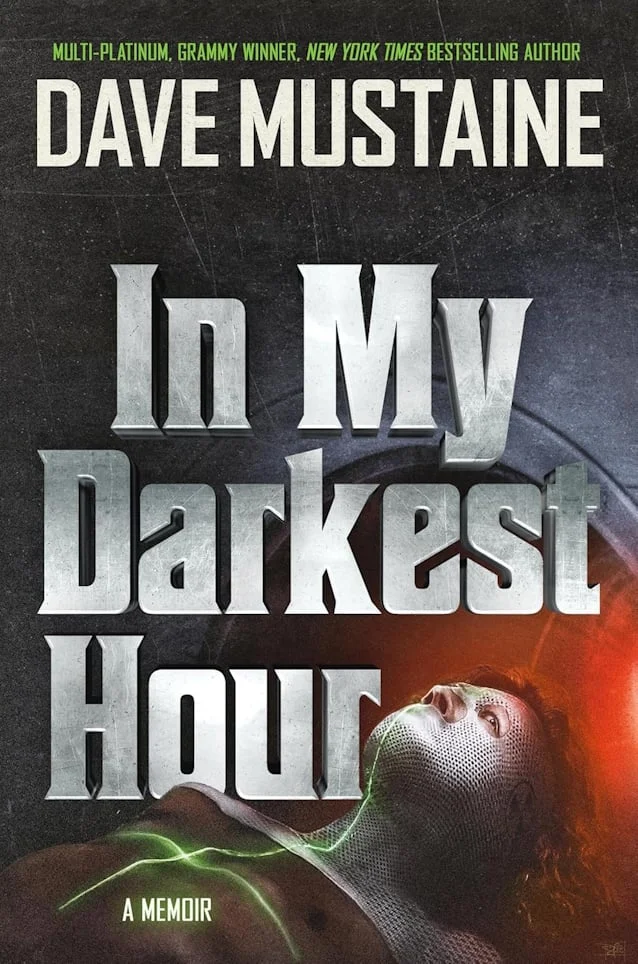
The Da Capo imprint signifies a significant return for a name deeply rooted in music publishing. It is a reincarnation of Da Capo Press, a venerable institution in the music literary world. Da Capo Press was acquired by Hachette Book Group as part of their larger 2016 acquisition of the Perseus Book Group. While the original Da Capo Press was integrated into Hachette Books in 2018, the Hachette Books imprint itself was dissolved in 2024 amidst broader restructuring efforts within Hachette Book Group. This strategic revival of the Da Capo imprint under Grand Central Publishing underscores a continued commitment to delivering authoritative and compelling narratives within the music genre, now with a fresh impetus and expanded reach.
Mustaine himself has articulated the profound impact of his health ordeal, stating, “One of the most harrowing experiences of my adult life has been my seven-year journey through cancer treatment and onward into remission.” He further elaborated on the depth of his experience, emphasizing that the book transcends a simple recounting of medical procedures. "This story is considerably more than just, ‘Go to the doctor, get diagnosed, get treatment and hopefully I live happily ever after.’ This was a journey of me saving myself, staying alive, keeping my family together, and continuing to make music through it all." This personal testimony highlights the memoir’s intended focus on resilience, personal agency, and the interwoven nature of his health battle with his creative output and family life.
Ben Schafer, Da Capo’s executive editor, expressed considerable enthusiasm for the project, describing the memoir as “Dave Mustaine at his most revealing, vulnerable, and true.” Schafer continued, "With lacerating honesty and soulful reflection, he speaks to the universal human experience of facing serious illness and how it changes a person, their family and friends, and one’s relationship with creativity.” This endorsement suggests that "In My Darkest Hour" aims to resonate beyond the metal community, tapping into broader themes of human endurance and the transformative power of adversity. The editor’s comments indicate an expectation that the book will offer profound insights into the psychological and emotional landscapes navigated during a life-threatening illness.
The literary collaboration for "In My Darkest Hour" reunites Mustaine with acclaimed journalist Joe Layden. Layden, a staff writer for The New York Times, brings a wealth of experience in chronicling the lives of influential figures in music and sports. His previous work with Mustaine includes the 2010 autobiography "Mustaine: A Heavy Metal Memoir," which achieved considerable commercial success. Layden also collaborated with original KISS guitarist Ace Frehley on his memoir, "No Regrets: A Rock ‘N’ Roll Memoir," and authored "The Last Great Fight," a celebrated account of James "Buster" Douglas’s seismic upset victory over Mike Tyson in the 1990 heavyweight championship bout. Layden’s proven ability to capture the essence of his subjects and their significant life events provides a strong foundation for the depth and authenticity expected in Mustaine’s latest work.
A Chronicle of Resilience: From Diagnosis to Remission
The narrative of "In My Darkest Hour" is poised to take readers on a visceral journey through Mustaine’s battle with cancer, a period that began in 2019. At 58 years old, a point where many might anticipate a period of relative stability, Mustaine was confronted with a diagnosis that threatened not only his health but also his identity as a musician. Squamous cell carcinoma, a type of cancer that affects the squamous cells lining the mouth, throat, and other parts of the body, was discovered at the back of his tongue. This specific location posed a direct threat to his ability to speak and sing, the very instruments of his celebrated career.
The official book description provided by Da Capo paints a stark picture of the challenges faced: "From King of Metal Dave Mustaine, a powerful reflection on the harsh truths and raw realizations that can only come from confronting death. Dave Mustaine is no stranger to pain and suffering. He battled demons all his life – including an alcoholic father, addiction, and black magic – and turned fifty-eight believing he’d survived the worst. But in 2019, Mustaine was forced to face the loss of his instantly recognizable voice and the disintegration of his musical talent. Diagnosed with squamous cell carcinoma at the back of his tongue, his entire career – and possibly his life – was about to end."
The description highlights the immediate and severe implications of the diagnosis. The potential loss of his voice and musical talent represented an existential threat to Mustaine, who has been the driving force behind Megadeth for decades. The book promises to detail his response to this crisis, framed as a defiant act of survival: "For Mustaine, it was one more opportunity to fight like hell."
The Creative Crucible: Cancer Treatment and Musical Creation
A particularly compelling aspect of "In My Darkest Hour" is the intricate intertwining of Mustaine’s cancer treatment with the creation of Megadeth’s sixteenth studio album, "The Sick, The Dying… And The Dead!" The book will chronicle this extraordinary period, detailing how the artist navigated the grueling demands of radiation and chemotherapy while simultaneously immersing himself in the creative process of recording new music. The description elaborates: "’In My Darkest Hour’ takes readers from the treatment room to the studio as Mustaine chronicles how his diagnosis inspired him to take up the pen and guitar pick, going from radiation and chemotherapy appointments straight into hours-long recording sessions, resulting in MEGADETH’s sixteenth studio album, ‘The Sick, The Dying… And The Dead!’"
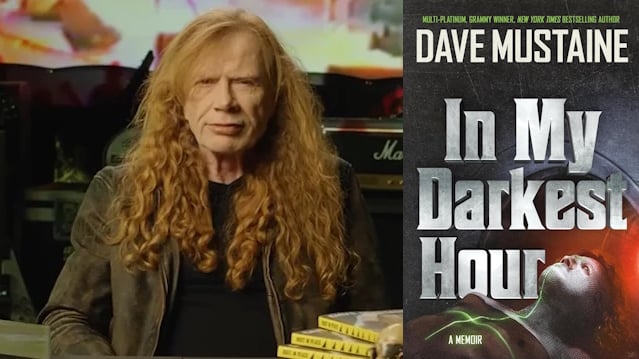
This synergy between illness and artistic output suggests a profound wellspring of inspiration drawn from the very brink of mortality. The ability to channel such intense personal struggle into the creation of powerful music speaks volumes about Mustaine’s tenacity and his unwavering commitment to his craft. It also offers a unique perspective on how extreme circumstances can sometimes fuel artistic innovation.
A Deeper Connection: Family, Faith, and Vulnerability
Beyond the raw fight for survival and the creative endeavors, "In My Darkest Hour" is anticipated to explore the deeper personal transformations that accompanied Mustaine’s cancer journey. The book aims to illuminate how confronting his own mortality fostered stronger familial bonds, taught him the importance of accepting support, and deepened his spiritual convictions. The official description notes: "Along the way, Mustaine details how confronting his own mortality brought him closer to his family, taught him how to ask for help, strengthened his faith, and challenged the vulnerability of his art."
This introspection suggests a narrative arc that moves from outward defiance to inward reflection. The emphasis on learning to ask for help and strengthening his faith indicates a significant personal evolution, potentially challenging the often-perceived image of the stoic rock icon. The exploration of artistic vulnerability is particularly intriguing, hinting at a willingness to expose a more nuanced and human side of his creative process and persona. The book is promised to be a "masterful portrait of a Dave Mustaine that the world has yet to see, and serves as a moving reminder that even our most invincible heroes are human."
Historical Context: Mustaine’s Literary Legacy
"In My Darkest Hour" is not Dave Mustaine’s first foray into the literary world. His previous memoirs have garnered significant attention and demonstrated his capacity for candid self-reflection. "Mustaine: A Heavy Metal Memoir," released in August 2010, was a commercial success, reaching No. 15 on The New York Times "Hardcover Nonfiction" best sellers list. Published by HarperCollins’s It Books imprint in the U.S., the book also saw a U.K. release as "Mustaine: A Life In Metal" in September 2010. This debut memoir offered a comprehensive look at his tumultuous life, from his early days in Metallica to the formation and enduring legacy of Megadeth, touching upon his struggles with addiction and his complex relationships within the music industry.
In September 2020, Mustaine released his second book, "Rust In Peace: The Inside Story Of The Megadeth Masterpiece" (initially titled "Building The Perfect Beast"), published by Hachette Books. This work focused specifically on the creation and impact of Megadeth’s seminal 1990 album, "Rust In Peace," providing an in-depth look at the creative process behind one of metal’s most iconic records. The book offered fans an intimate glimpse into the making of the album, detailing the songwriting, recording, and personal dynamics that shaped its legendary sound. These previous works have established a precedent for Mustaine’s willingness to share his experiences and insights with his audience, setting high expectations for the depth and candor of "In My Darkest Hour."
The Timeline of a Battle and a Comeback
Mustaine’s public revelation of his cancer diagnosis occurred in June 2019 via social media. At that time, he shared that doctors had given him a 90 percent chance of overcoming the illness. This announcement sent ripples through the music world, with fans and peers alike expressing support and well wishes. The subsequent period was characterized by intense medical treatment. Mustaine later confirmed that he successfully beat cancer after undergoing 51 radiation treatments and nine chemotherapy sessions.
His return to the stage was a significant moment, occurring in early 2020. This comeback preceded the widespread global disruption caused by the COVID-19 pandemic, which brought live music and touring to a near standstill for many months. Mustaine’s ability to return to performing relatively quickly after completing his treatment underscored his resilience and determination. This period of illness and recovery, therefore, forms a crucial chapter in his life, one that clearly had a profound impact on his perspective and his creative output.
Family Life and Evolving Ventures
The relocation of the Mustaine family to Tennessee in 2014, five years prior to his cancer diagnosis, is also a relevant piece of context. This move was partly motivated by his daughter Electra’s aspirations to pursue a singing career. Electra Mustaine has since become involved in the family’s visionary wine brand, House of Mustaine, which seeks to blend music, culture, and fine winemaking. This familial aspect is clearly a significant theme in his upcoming memoir, suggesting a narrative that extends beyond his personal struggle to encompass the support and strength derived from his loved ones. The book’s exploration of how confronting mortality brought him closer to his family underscores the interconnectedness of his personal and professional lives.
The release of "In My Darkest Hour" on September 8, 2026, by the revitalized Da Capo imprint under Grand Central Publishing, promises to be a significant literary event. It offers a deep dive into a pivotal and transformative period in Dave Mustaine’s life, one marked by immense personal challenge, unwavering creative drive, and profound personal growth. The memoir is poised to be a testament to the human spirit’s capacity for resilience in the face of life-threatening adversity, resonating not only with fans of Megadeth but with anyone who has faced profound personal challenges and emerged with a renewed sense of purpose.
