

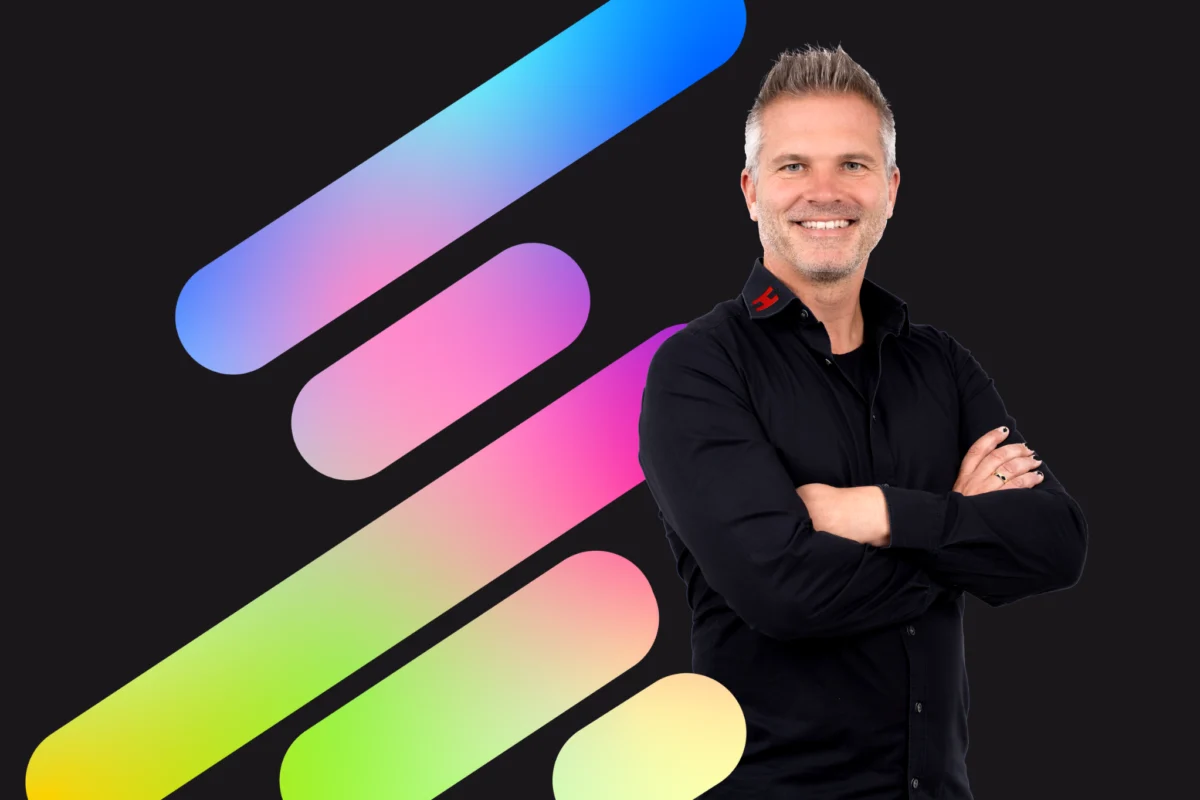
The technical infrastructure of world-class performance venues serves as the silent backbone for some of the most complex artistic productions in the world, and at the upcoming leat con 26, the focus will turn toward the intricate engineering required to maintain these standards. Dennis Klostermann, a key figure from the German trussing specialist Hof Alutec, is scheduled to deliver a comprehensive presentation detailing the large-scale modernization of the technical systems at the Royal Ballet and Opera House (ROH) in London. This session, taking place on October 6, 2026, at the "stage tech" area, aims to provide an inside look at how high-performance trussing and sophisticated cable management systems are revolutionizing the efficiency and safety of modern stagecraft.
The modernization of the Royal Ballet and Opera House represents a significant milestone in the field of event technology and venue installation. As one of the world’s premier performing arts venues, located in the heart of London’s Covent Garden, the ROH hosts hundreds of performances annually, ranging from classical ballet to avant-garde opera. The sheer volume of productions necessitates a technical infrastructure that is not only robust but also highly adaptable. Klostermann’s presentation will dissect the specific technical measures implemented during the project, highlighting the central requirements of a venue that operates under the global spotlight and the unique challenges encountered during the execution of such a large-scale overhaul.
The Strategic Importance of leat con 26 for the Global Stage Industry
The Live Entertainment and Technology Convention, known as leat con, has established itself as a critical hub for the European event technology sector. Scheduled for the autumn of 2026, the convention brings together manufacturers, system integrators, and venue operators to discuss the future of live production. The "stage tech" segment, where Klostermann will speak, is specifically designed to address the mechanical and structural aspects of stage design—areas that are often overshadowed by lighting and sound but are fundamentally essential for the physical execution of any performance.
The presentation by Hof Alutec comes at a time when the global live entertainment industry is facing a dual challenge: the need for rapid digital transformation and the increasing demand for sustainable, long-lasting physical infrastructure. By showcasing the Royal Ballet and Opera House project, leat con 26 provides a platform for industry professionals to learn from a real-world application of cutting-edge trussing technology. The session, titled for its focus on the London project, will run from 1:30 PM to 2:00 PM, offering a condensed but high-impact overview of the engineering feats involved.
Technical Scope: Modernizing the Royal Ballet and Opera House
The Royal Ballet and Opera House project involved more than just replacing old equipment; it required a fundamental rethinking of how scenery and technical equipment move within the stage space. Trussing systems in such environments must support massive loads—often several tons of lighting rigs, LED screens, and heavy scenic elements—while maintaining a low profile and high aesthetic standard. Hof Alutec’s role focused on the development and installation of specialized trussing solutions that could integrate seamlessly with the historic architecture of the building while providing modern functionality.
A primary focus of Klostermann’s talk will be the cable management systems. In modern opera houses, the density of cabling has increased exponentially due to the move toward networked lighting, automated scenery, and high-definition video distribution. Traditional cable management often leads to "cable spaghetti," which is not only a safety hazard but also increases the time required for stage changeovers. The solutions implemented by Hof Alutec at the ROH were designed to optimize these workflows, ensuring that power and data lines are managed with precision, reducing wear and tear on expensive cables and allowing for faster, more reliable setup times.
Chronology of the Modernization Project
The timeline for the modernization of a venue as prestigious as the Royal Ballet and Opera House is typically measured in years rather than months. The project followed a rigorous schedule to ensure that the venue’s performance calendar remained largely uninterrupted.
- Initial Assessment and Engineering (2023-2024): The project began with a comprehensive audit of the existing legacy systems. Engineers from Hof Alutec worked closely with the ROH technical team to identify bottlenecks in the current workflow and areas where structural integrity could be improved.
- Prototyping and Custom Fabrication (2024-2025): Given the unique requirements of the Covent Garden site, off-the-shelf solutions were often insufficient. Hof Alutec developed custom truss components and cable trays designed to fit into tight architectural spaces while meeting stringent British and European safety standards (including Eurocode 9 and DGUV regulations).
- Phased Installation (2025-2026): The installation was carried out in phases, often during the "dark periods" of the theater’s schedule. This required a highly coordinated logistical effort to move materials into central London and execute the installation without disturbing the surrounding urban environment or the theater’s internal rehearsals.
- Testing and Commissioning (Early 2026): Before the systems were fully integrated into the daily production cycle, they underwent rigorous stress tests and safety certifications to ensure they could handle the dynamic loads associated with complex ballet and opera scenery.
Supporting Data: Efficiency and Load Capacity
The impact of the modernization can be quantified through several key performance indicators. The new trussing systems utilize high-grade 6082-T6 aluminum alloys, which offer a superior strength-to-weight ratio compared to older steel or lower-grade aluminum installations. This reduction in the self-weight of the infrastructure allows for a higher "useful load" capacity for productions, enabling set designers to dream bigger without exceeding the structural limits of the fly tower.
Furthermore, the implementation of automated cable management systems has reportedly reduced the time required for technical changeovers by an estimated 15-20%. In a venue that may host a matinee ballet and an evening opera on the same day, these saved minutes are invaluable. The data also suggests a significant reduction in cable failure rates. By ensuring that cables are never bent beyond their minimum radius and are protected from mechanical friction, the ROH expects a 30% increase in the lifespan of its fiber optic and power multicore assemblies.
Industry Reactions and Expert Analysis
The announcement of this presentation has drawn interest from technical directors across Europe. Industry analysts suggest that the ROH project serves as a blueprint for other historic venues facing the "modernization gap."
"The challenge with venues like the Royal Ballet and Opera House is that you are working within a heritage-listed shell," says Marcus Thiele, a consultant for European theater technology. "You cannot simply rip everything out and start over. The work done by Hof Alutec, as described by Dennis Klostermann, demonstrates a high degree of sensitivity to the architectural context while refusing to compromise on the technical requirements of 21st-century stagecraft."

While official statements from the Royal Ballet and Opera House typically focus on the artistic outcomes, the technical staff has hinted at the transformative nature of the new installation. Reliable infrastructure allows the creative teams—lighting designers, set builders, and directors—to focus on the art rather than the limitations of the equipment. This "invisible" efficiency is what Klostermann aims to highlight at leat con 26.
Broader Implications for Stage Technology
The modernization of the ROH is reflective of a broader trend in the live entertainment industry toward "smart" infrastructure. Trusses are no longer just static bars of metal; they are becoming integrated systems that house sensors for load monitoring, integrated power distribution, and data hubs.
Dennis Klostermann’s presentation is expected to touch upon these future-looking aspects. By reacting to specific customer requirements with bespoke engineering solutions, Hof Alutec is positioning itself at the forefront of a market that values precision and reliability. The lessons learned in London are likely to influence the design of future products in the Hof Alutec catalog, making high-end theater technology more accessible to medium-sized venues that wish to optimize their own workflows.
The "stage tech" session will also address the critical issue of safety. In the wake of several high-profile accidents in the global event industry over the last decade, the focus on redundant safety systems and certified trussing has never been higher. The London project serves as a case study in compliance, showing how modern engineering can exceed current safety mandates while actually improving the ease of use for stagehands and technicians.
Conclusion: A Glimpse into the Future of Performance Infrastructure
As leat con 26 approaches, the session by Dennis Klostermann stands out as a must-attend for professionals involved in the structural and mechanical side of the industry. The modernization of the Royal Ballet and Opera House is a testament to what can be achieved when engineering expertise meets artistic ambition.
Attendees at the October 6th event can expect a presentation that moves beyond theoretical concepts into the realm of practical, proven solutions. By detailing the challenges of the London project—from the logistics of a historic city center to the demands of a world-class artistic program—Klostermann will provide a roadmap for the next generation of stage infrastructure. The results seen in London—optimized workflows, increased safety, and enhanced production capabilities—set a new standard for the industry, proving that even the most historic stages can be brought into the modern era through thoughtful, innovative engineering.
