

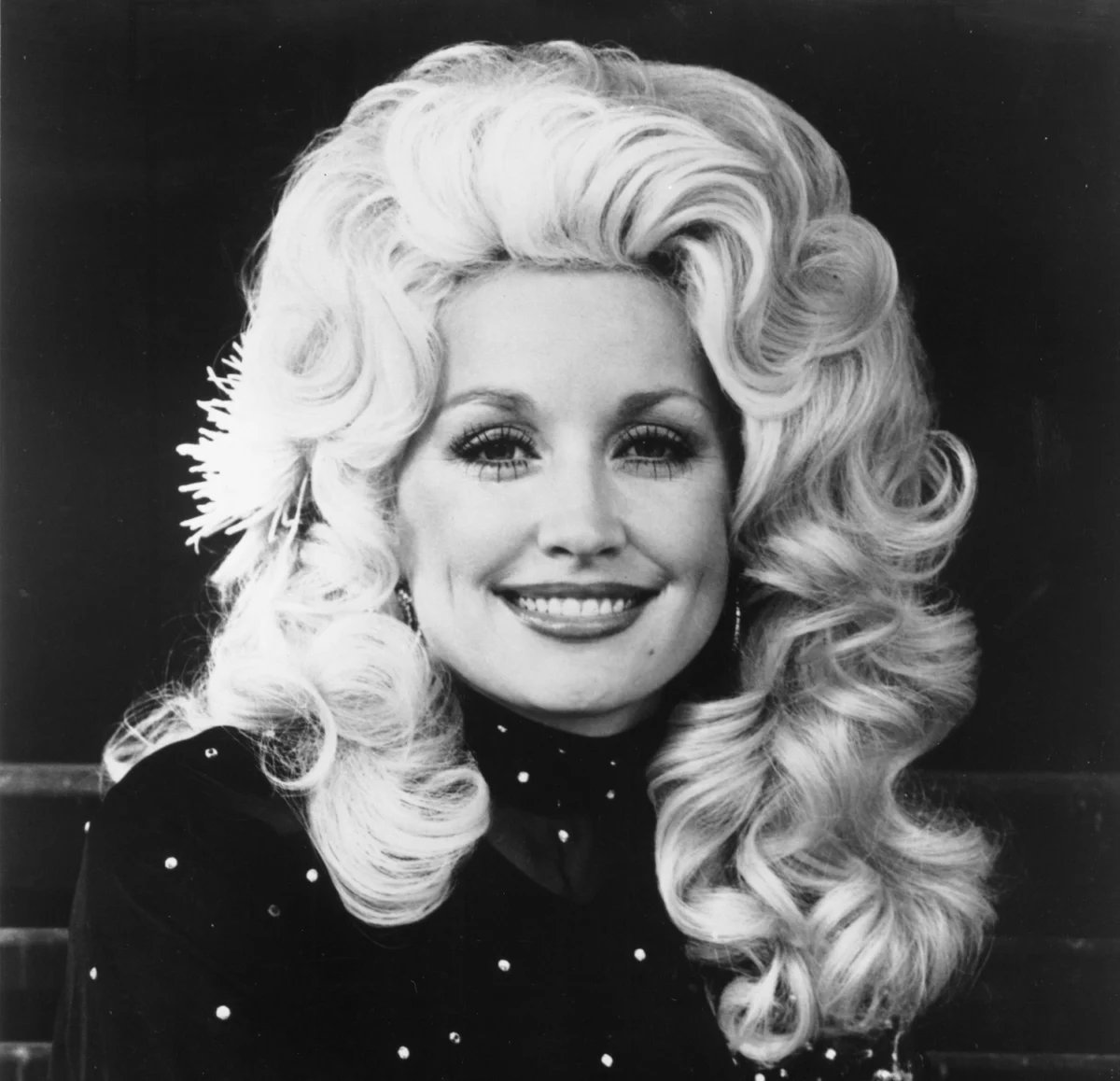
The world of music and entertainment is mourning the loss of an unparalleled icon, Dolly Parton, who passed away peacefully in Nashville today at the age of 80. Her family confirmed her passing in a video statement released this afternoon by her nephew, Byran Seaver, across Parton’s official social media channels. Representatives for the beloved singer, songwriter, actress, and businesswoman stated that she died "peacefully." No cause of death has been publicly reported at this time. The news has sent shockwaves across the globe, as fans, fellow artists, and dignitaries remember a figure whose influence transcended music genres, cultural divides, and generations.
A Life Etched in Song: From Appalachia to Global Stardom
Born Dolly Rebecca Parton on January 19, 1946, in a one-room cabin on the banks of the Little Pigeon River in Sevier County, Tennessee, her life story was the quintessential rags-to-riches American dream. The fourth of twelve children born to Robert Lee Parton Sr. and Avie Lee Owens, Parton’s humble beginnings deeply shaped her songwriting and public persona. She often spoke of her impoverished upbringing, which fueled her ambition and grounded her enduring connection to working-class America. Her talent for music was evident from an early age; she began performing as a child on local radio and television programs in East Tennessee. By the time she graduated high school in 1964, she had already made the pivotal move to Nashville, Tennessee, with a cardboard suitcase and a heart full of songs, ready to chase her dreams.
Her early career in Nashville saw her making inroads as a songwriter, penning hits for other artists, including Bill Phillips’s "Put It Off Until Tomorrow," which became a top-10 country hit in 1966. It was her collaboration with country music star Porter Wagoner that truly launched her into the national spotlight. Joining "The Porter Wagoner Show" in 1967, Parton quickly became a fan favorite. Their duets, such as "The Last Thing on My Mind" and "Please Don’t Stop Loving Me," were highly successful, and their on-screen chemistry captivated audiences. Despite their professional success, the partnership was famously tumultuous, leading Parton to pursue a solo career more aggressively. This ambition culminated in one of her most iconic compositions, "I Will Always Love You," written in 1973 as a farewell to Wagoner and released in 1974. The song topped the country charts, demonstrating her formidable songwriting prowess and paving the way for her independent superstardom.
Breaking Barriers: A Solo Career Defined by Hits and Innovation
Parton’s solo career in the 1970s and 1980s was marked by an extraordinary run of chart-topping singles and critically acclaimed albums. Beyond "I Will Always Love You," she delivered a string of hits that became cornerstones of country and pop music. "Jolene," released in 1973, with its distinctive guitar riff and haunting lyrics, became an instant classic and showcased her ability to craft compelling narratives. Her crossover appeal became undeniable with "Here You Come Again" in 1977, which became her first major pop hit, reaching the top three on the Billboard Hot 100. This era solidified her status not just as a country star, but as a mainstream entertainer with a broad audience.
The 1980s brought even greater triumphs, most notably with her role in the 1980 film "9 to 5," which earned her a Golden Globe nomination. The film’s title track, which Parton wrote and performed, became a global phenomenon, reaching number one on the Billboard Hot 100 and earning her an Academy Award nomination. This song, an anthem for working women, cemented her place in pop culture. Throughout her career, Parton consistently defied categorization, blending traditional country sounds with pop sensibilities, rock influences, and even gospel, all while maintaining her distinctive voice and lyrical honesty. Albums like "Trio" (1987) with Emmylou Harris and Linda Ronstadt further showcased her versatility and enduring vocal talent, earning a Grammy Award and selling millions of copies.
Beyond the Music: Entrepreneur, Philanthropist, and Cultural Icon
Dolly Parton was much more than a singer and songwriter; she was a shrewd businesswoman and a dedicated philanthropist. Her entrepreneurial spirit was perhaps best exemplified by the creation of Dollywood, a theme park nestled in the Smoky Mountains of Pigeon Forge, Tennessee, which opened in 1986. What began as a local attraction transformed into a major tourist destination, providing thousands of jobs and significantly boosting the economy of her beloved East Tennessee. Dollywood became a testament to her commitment to her roots and her vision for creating opportunities within her community.
Her philanthropic endeavors, particularly the Dolly Parton’s Imagination Library, have left an indelible mark on literacy worldwide. Launched in 1995 in Sevier County, Tennessee, the program mails free, high-quality books to children from birth until they begin school, regardless of their family’s income. What started as a local initiative blossomed into a global phenomenon, delivering over 200 million books to children across the United States, Canada, the United Kingdom, Australia, and Ireland. This program has been widely lauded for its profound impact on early childhood literacy and its commitment to fostering a love of reading from a young age. Parton’s dedication to education and child welfare reflected her deep-seated belief in empowering individuals through knowledge.
Her contributions to various charitable causes were extensive, often undertaken quietly and without fanfare. From supporting medical research to aiding disaster relief efforts, Parton consistently used her platform and resources to make a tangible difference in the lives of others. During the COVID-19 pandemic, she notably contributed $1 million to Vanderbilt University Medical Center, which played a role in the development of the Moderna vaccine, further cementing her legacy as a compassionate and impactful humanitarian.
A Legacy of Accolades and Enduring Influence
Parton’s extraordinary career was recognized with an unprecedented array of awards and honors. She was inducted into the Grand Ole Opry in 1969 and the Country Music Hall of Fame in 1999. Her mantelpiece held 11 Grammy Awards, including a Lifetime Achievement Award, numerous Country Music Association Awards, and Academy of Country Music Awards. In 2005, she received the National Medal of Arts, the highest honor given to artists by the U.S. government. She was a recipient of the Kennedy Center Honors in 2006, celebrated for her lifetime contributions to American culture. Most recently, in 2022, she was inducted into the Rock and Roll Hall of Fame, an honor that highlighted her broad influence across all genres of music and her ability to transcend traditional boundaries.
Her songs have been covered by countless artists across the musical spectrum, from rock legends to pop divas, a testament to the timeless quality of her songwriting. Whitney Houston’s 1992 rendition of "I Will Always Love You" became one of the best-selling singles of all time, introducing Parton’s genius to an entirely new generation and audience. Artists from Miley Cyrus (her goddaughter) to Beyoncé have openly acknowledged Parton’s profound influence on their careers and artistic expression.
Reactions and Tributes: An Industry in Mourning
While official statements from many industry figures are still forthcoming, the initial news of Parton’s passing has already triggered an outpouring of grief and tributes from across the music world, Hollywood, and beyond. Social media platforms are awash with messages from heartbroken fans and colleagues, sharing memories, favorite songs, and expressing gratitude for her enduring spirit and boundless generosity. It is anticipated that major figures in country music, pop, rock, and film will share heartfelt condolences, reflecting the immense respect and affection Parton commanded throughout her seven-decade career. Presidents, politicians, and humanitarian organizations are also expected to acknowledge her significant contributions to American culture and philanthropy.
The passing of Dolly Parton leaves an irreplaceable void in the entertainment landscape. Her unique blend of glitz and down-to-earth authenticity, her sharp wit and profound empathy, her unparalleled songwriting ability, and her unwavering dedication to her craft and her community made her a truly singular figure. She built an empire not just on music, but on a foundation of kindness, resilience, and an unwavering belief in the power of dreams.
Dolly Parton was more than an entertainer; she was a cultural phenomenon, a beacon of hope, and a testament to the idea that authenticity and hard work can overcome any obstacle. Her songs will continue to tell stories of love, heartbreak, joy, and struggle, resonating with listeners for generations to come. Her philanthropic legacy, particularly the Imagination Library, will continue to inspire and educate millions of children, ensuring that her spirit of generosity lives on. As the world mourns her physical absence, her vibrant spirit, her iconic music, and her profound impact will undoubtedly endure, forever woven into the fabric of American and global culture.
