

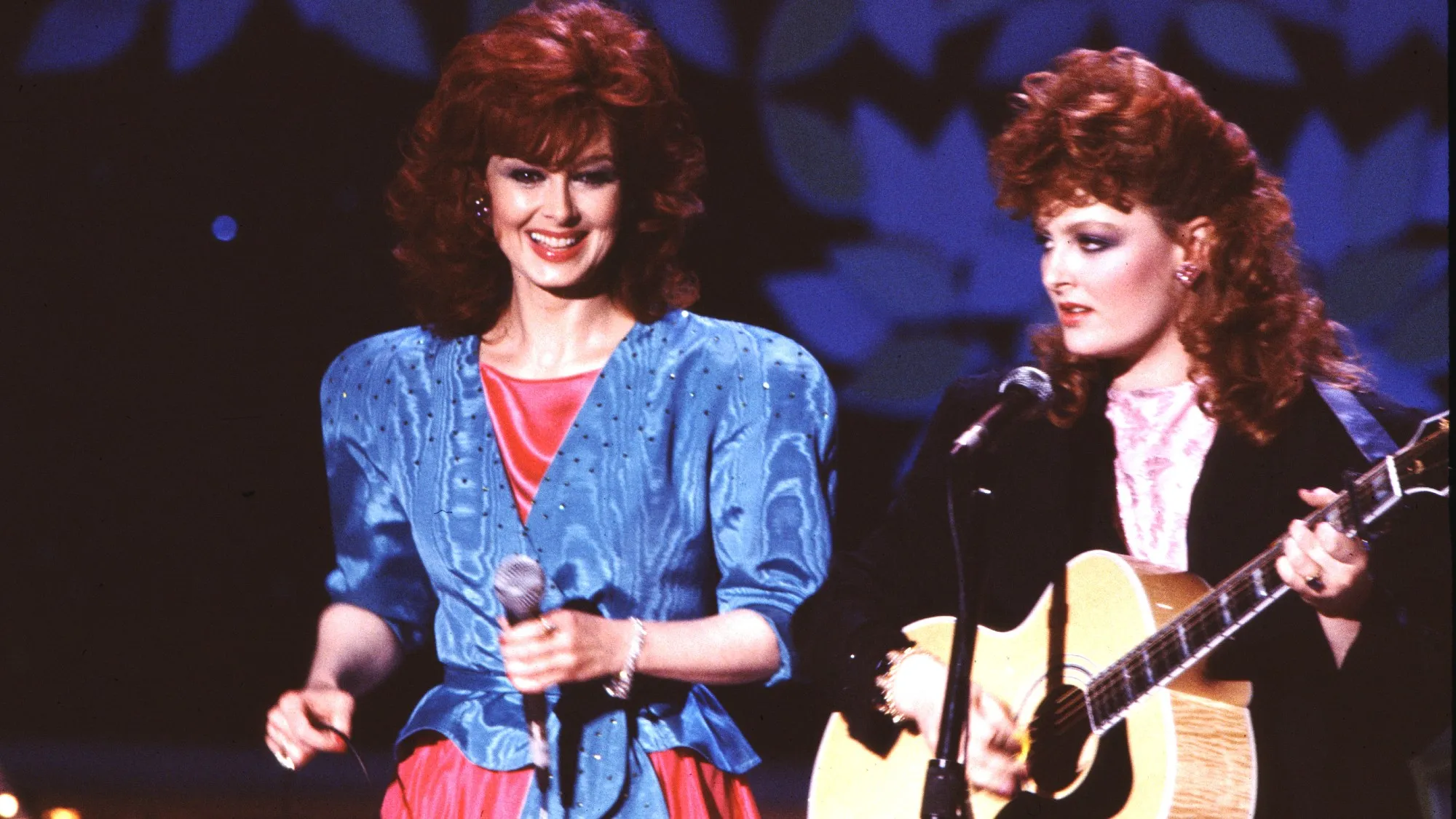
The year 1984 stands as a transformative pillar in the history of American country music, marking a definitive shift from the polished, pop-infused "Urban Cowboy" era toward a more grounded, neo-traditionalist sound. This transition was fueled by a collection of singles that balanced radio-friendly production with the storytelling grit that defines the genre. Among the most influential releases of that year were "Why Not Me" by The Judds, "I Got Mexico" by Eddy Raven, and "As Long As I’m Rockin’ With You" by John Conlee. These three tracks not only dominated the Billboard Hot Country Songs charts but also solidified the career trajectories of their respective artists while influencing the thematic direction of the industry for decades to come.
The Cultural Landscape of Country Music in the Mid-1980s
To understand the impact of these 1984 hits, one must examine the state of Nashville during the early 1980s. Following the massive crossover success of films like Urban Cowboy in 1980, the genre had drifted toward a "country-politan" sound characterized by heavy string arrangements and pop structures. However, by 1984, audiences were beginning to crave a return to roots. This era saw the rise of artists who respected the traditions of the Grand Ole Opry while bringing a fresh, contemporary energy to the airwaves.
The success of 1984 was characterized by a diverse range of sub-genres finding common ground on the charts. From the acoustic-driven harmonies of a mother-daughter duo to the tropical-infused narratives of Gulf Coast country and the blue-collar sentimentality of veteran balladeers, the year offered a snapshot of a genre in the midst of a successful identity evolution.
The Ascent of The Judds and the Success of Why Not Me
In late 1984, the mother-daughter duo Naomi and Wynonna Judd released "Why Not Me," the title track of their debut full-length studio album. The song followed their first number-one hit, "Mama He’s Crazy," and proved that the duo was not a one-hit wonder but a powerhouse force in the industry. Written by the legendary Harlan Howard along with Sonny Throckmorton and the duo’s producer Brent Maher, "Why Not Me" spent two weeks at the summit of the Billboard Hot Country Songs chart.
The song’s lyrical content utilized the "girl next door" trope, a relatable narrative about a woman questioning why her love interest is searching the world for fulfillment when she is standing right in front of him. Lines such as "You’ve been searching from here to Singapore / Ain’t it time that you notice the girl next door, baby?" resonated deeply with a broad demographic. Musically, the track was noted for its crisp acoustic guitar work and the seamless, blood-harmony vocal blend that would become The Judds’ signature.
The industry’s reaction to "Why Not Me" was immediate and overwhelmingly positive. The Judds were awarded the Country Music Association (CMA) Award for Single of the Year in 1985 for the track. Furthermore, the song’s longevity was cemented decades later when contemporary star Megan Moroney covered the track for the 2023 compilation A Tribute to The Judds, illustrating the song’s enduring relevance to new generations of country artists.
Eddy Raven and the Tropical Turn of I Got Mexico
While The Judds were redefining acoustic country, Eddy Raven was introducing a different flavor to the Nashville sound. Released in early 1984, "I Got Mexico" became Raven’s first number-one single, signaling a breakthrough for an artist who had already spent years as a respected songwriter for legends like Waylon Jennings and Merle Haggard. Co-written by Raven and Frank J. Myers, the song appeared on the album I Could Use Another You.
"I Got Mexico" is a quintessential example of "beach country" or "trop-rock" influence within the country genre, a style later popularized by artists like Kenny Chesney. The narrative follows a protagonist dealing with the aftermath of a failed relationship. Rather than wallowing in traditional heartbreak, the lyrics present a stoic, geographical trade-off: "He’s got you, I’ve got Mexico." This blend of melancholy and escapism struck a chord with listeners, offering a rhythmic, almost reggae-inflected beat that was rare in Nashville at the time.
The success of "I Got Mexico" was not an isolated event for Raven in 1984. The album I Could Use Another You produced two other significant hits: the title track and "Operator, Operator." This string of successes established Raven as a premier stylist who could blend Cajun, country, and island influences into a cohesive commercial package. His ability to write sophisticated lyrics about adult heartbreak helped bridge the gap between the outlaw era and the more polished commercial era of the late 80s.
John Conlee and the Emotional Resonance of As Long As I’m Rockin’ With You
The third pillar of the 1984 country resurgence was John Conlee’s "As Long As I’m Rockin’ With You." Featured on his album In My Eyes, the song was penned by Bruce Channel and Kieran Kane. Conlee, known for his distinctive, soulful baritone and his "common man" persona, found a massive audience with this sentimental look at aging and long-term commitment.
The song’s lyrics contrast material wealth with emotional security: "I may never have much silver and gold / But I’ve got something more precious and warmer to hold." By referencing the "old rockin’ chair," a traditional symbol of old age, the song reframes the fear of aging into a celebration of enduring partnership. This thematic focus on domestic stability and mature love was a hallmark of Conlee’s career, which often highlighted the dignity of the working class.
While "As Long As I’m Rockin’ With You" was a chart-topping success, it also marked a transition point in Conlee’s career. It would take him several more releases to return to the number-one spot, which he eventually did in 1986 with "Got My Heart Set On You." That 1986 hit would serve as his final number-one single, making his 1984 contributions even more significant as part of his peak creative period. Conlee’s influence remains visible today in the work of traditionalist male vocalists who prioritize vocal character over pop artifice.
Chronology of Chart Success and Industry Milestones
The timeline of 1984 reveals a steady drumbeat of classic releases that kept country music at the forefront of the American cultural consciousness:
- Early 1984: Eddy Raven releases "I Got Mexico," reaching the top of the charts and proving the commercial viability of "island-style" country narratives.
- Mid-1984: John Conlee releases "As Long As I’m Rockin’ With You," reinforcing the market for traditional vocalists and heartfelt, relatable balladry.
- Late 1984: The Judds release "Why Not Me," which spends two weeks at number one and catapults the duo to superstar status.
- 1985: The Judds receive the CMA Award for Single of the Year for "Why Not Me," officially marking the arrival of the new generation of country stars.
Statistical Analysis and Commercial Impact
The commercial data from 1984 suggests a healthy and expanding market for country music. During this period, the Billboard Country Charts were highly competitive, with a rapid turnover of number-one singles. This reflected a high level of engagement from radio programmers and record buyers.
The Judds’ Why Not Me album eventually earned a multi-platinum certification from the RIAA, a rare feat for a country debut at the time. Eddy Raven’s I Could Use Another You and John Conlee’s In My Eyes also performed strongly, contributing to the overall profitability of the Nashville music industry during a decade when other genres, such as synth-pop and hair metal, were dominating the pop charts.
The success of these three songs also highlighted the importance of professional songwriting in Nashville. The involvement of veteran writers like Harlan Howard and Bruce Channel ensured that while the production styles were evolving, the structural integrity of the "Nashville Song" remained intact. This period proved that country music could modernize its sound without losing its storytelling soul.
Broader Implications and Legacy
The enduring legacy of these 1984 hits is found in their continued presence on classic country radio and their influence on modern performers. The "New Traditionalist" movement, which these songs helped spearhead, paved the way for the "Class of ’89"—the group of artists including Garth Brooks, Alan Jackson, and Travis Tritt who would take country music to unprecedented heights of global popularity in the 1990s.
Furthermore, the thematic diversity seen in 1984—ranging from the maternal-daughter bond of The Judds to the escapist travelogues of Eddy Raven—expanded the boundaries of what country music could talk about. It moved the genre away from the "cheating and drinking" clichés of the past toward a more nuanced exploration of family, aging, and the search for peace in a changing world.
Today, these songs serve as a blueprint for artists looking to balance commercial appeal with artistic integrity. The 2023 tribute to The Judds and the continued touring of veteran artists like John Conlee and Eddy Raven underscore the fact that the music of 1984 was not merely a product of its time, but a collection of timeless narratives that continue to define the American experience. As the industry looks toward the future, the lessons of 1984—authenticity, strong songwriting, and a respect for vocal tradition—remain as relevant as ever.
