

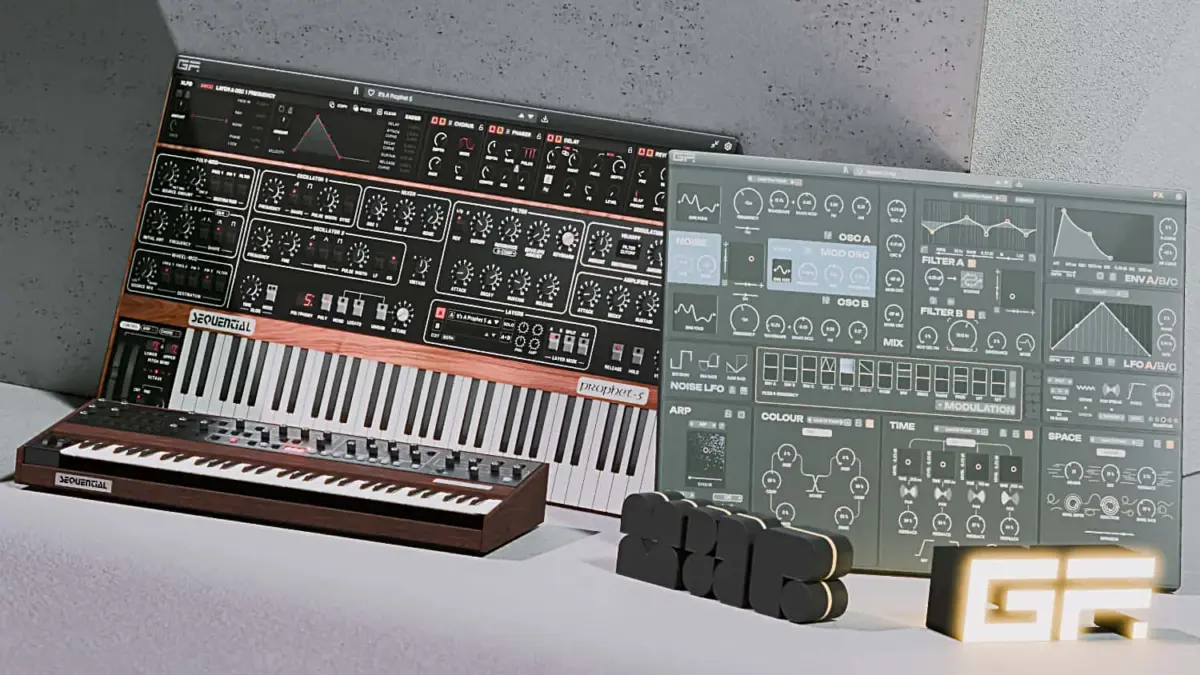
Expressive E, the French manufacturer renowned for the innovative Osmose synthesizer and the Touché controller, has announced a strategic partnership with UK-based GForce Software to release the GForce Collection. This new software bundle integrates two of GForce’s most acclaimed virtual instruments—the GForce Prophet~5 and the GForce MAP—with a specialized library of 500 presets meticulously crafted by Expressive E’s sound design team. The collection is specifically engineered to leverage the capabilities of MIDI Polyphonic Expression (MPE), providing a level of tactile control over software synthesis that was previously reserved for high-end hardware instruments. By combining the historical accuracy of GForce’s analog modeling with the expressive performance architecture of Expressive E, the bundle represents a significant advancement in the accessibility of multidimensional sound design for modern producers and keyboardists.
The launch of the GForce Collection comes at a time of heightened interest in MPE technology. Unlike standard MIDI, which applies control changes like pitch bend or modulation to all notes played simultaneously, MPE allows for per-note control of pitch, pressure, and timbre. This capability is essential for instruments like the Expressive E Osmose, which features a three-dimensional keybed capable of sensing subtle finger movements. The GForce Collection serves as a bridge between classic synthesis architectures and these modern control surfaces, offering 250 bespoke presets for each included instrument that are optimized for immediate playability on MPE-supported hardware.
Technical Architecture of the GForce Prophet~5
The GForce Prophet~5 is the centerpiece of the bundle’s analog emulation offerings. Developed in direct collaboration with Sequential, the company founded by the late Dave Smith, this plugin is widely regarded as one of the most faithful digital recreations of the legendary Prophet-5 hardware. The original Prophet-5, released in 1978, was the world’s first fully programmable polyphonic synthesizer, and its sound defined the aesthetic of late 70s and 80s music.
GForce’s software version goes beyond a simple recreation of one specific unit. It models the distinct sonic characteristics of the three primary hardware revisions: Rev1, Rev2, and Rev3. These versions are historically significant due to the different integrated circuits used in their construction. Rev1 and Rev2 utilized Solid State Music (SSM) chips, known for their volatile but harmonically rich and "creamy" sound, while Rev3 transitioned to Curtis Electromusic Specialties (CEM) chips, which offered greater stability and a sharper, more aggressive filter response. The GForce Prophet~5 allows users to toggle between these filter and envelope behaviors, providing a comprehensive historical palette in a single interface.
In terms of architecture, the plugin features a dual-layer engine. This allows users to stack two different Prophet-5 sounds (Layer mode), split them across the keyboard (Split mode), or cycle between them (Alternate mode). Each layer supports up to 10 voices of polyphony. The sound-shaping capabilities are further enhanced by an expanded X-Modulation section, dedicated LFOs, and high-quality effects slots including delay, reverb, and pan-spread processing. For the GForce Collection, Expressive E has mapped these deep synthesis parameters to MPE dimensions, allowing a performer to, for example, control the filter cutoff of individual notes through vertical pressure or adjust the modulation depth of a single sustained chord member through lateral finger movements.
Experimental Horizons with GForce MAP
While the Prophet~5 looks back at the heritage of East Coast subtractive synthesis, GForce MAP represents a more experimental, "West Coast-inspired" approach to sound generation. MAP, which stands for Macro Automated Poly-synth, focuses on complex modulation, waveshaping, and frequency modulation (FM). This design philosophy, popularized by innovators like Don Buchla, prioritizes the creation of rich, evolving timbres through the interaction of multiple oscillators and non-linear waveshaping rather than the traditional filter-sweep methods of the East Coast school.
The architecture of MAP includes three oscillators capable of intricate waveshaping and FM. These are fed into dual filters and a unique five-band resonant equalizer, which allows for precise spectral shaping. One of the standout features of MAP is its generative polyphonic arpeggiator and its integrated XY pad. The XY pad serves as a performance hub, allowing users to morph between complex states of the synthesizer in real-time.
In the GForce Collection, the 250 MAP presets provided by Expressive E are designed to transform the instrument into a highly reactive soundscape generator. The presets utilize MPE to map the XY macro controls directly to the physical gestures of the performer. This enables a player to navigate the "map" of the sound—shifting from a clean digital pluck to a distorted, FM-modulated texture—simply by varying the way they strike and hold the keys. The inclusion of custom delay, reverb, and "character" effects further expands the toolset for cinematic sound design and avant-garde electronic music.
The Role of Expressive E and the Osmose Integration
Expressive E’s involvement in this collection is not merely as a distributor but as a curator of the performance experience. The company’s engineers have spent months optimizing the 500 presets to ensure they respond intuitively to the Osmose’s internal synthesizer engine, EaganMatrix, and its physical keybed. The Osmose has gained a reputation as one of the most expressive electronic instruments ever made, but its internal engine is notoriously complex to program. By providing high-quality GForce instruments that are pre-mapped for the Osmose, Expressive E is expanding the sonic library available to its users with familiar, high-fidelity analog and digital textures.
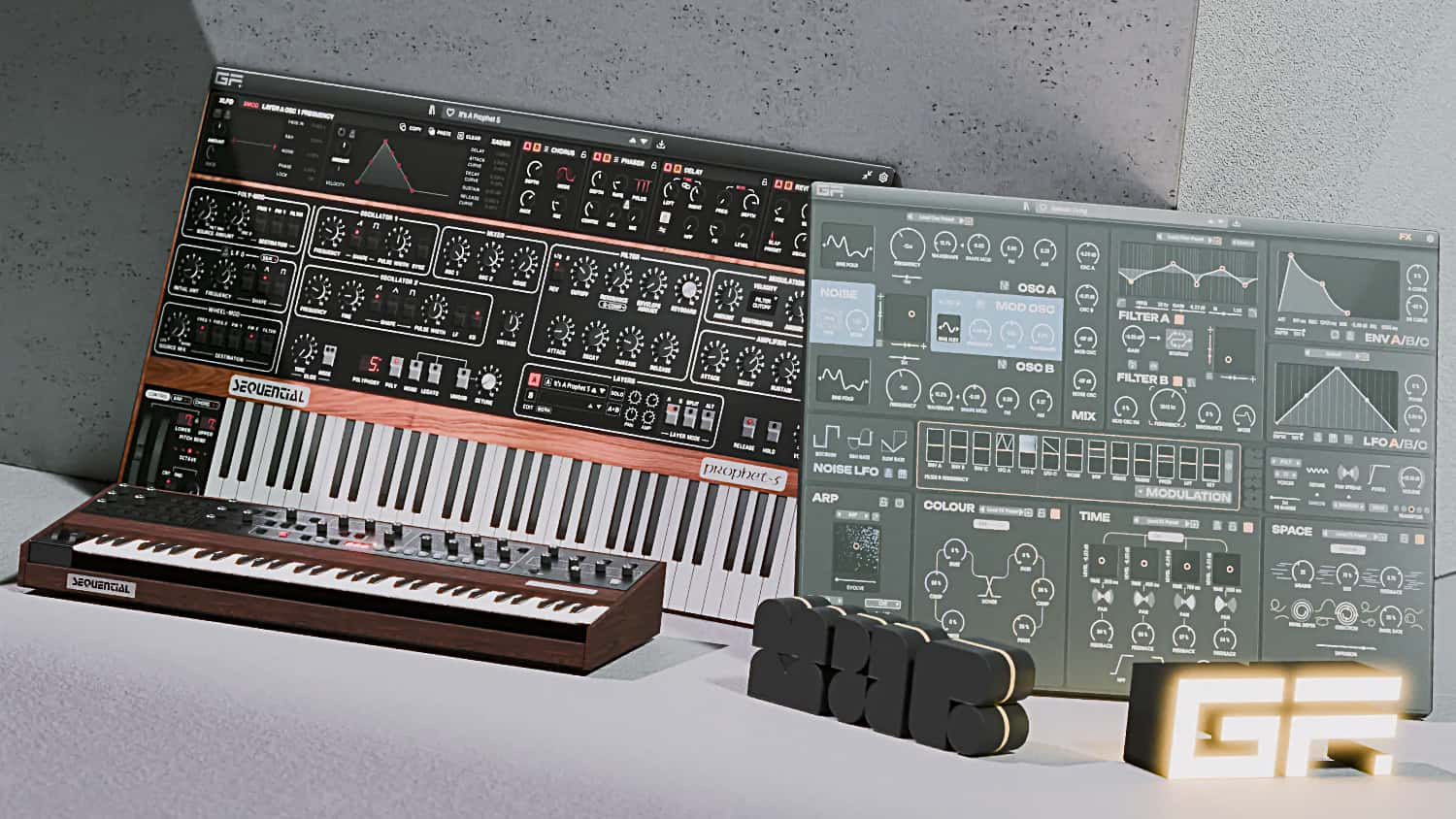
The collection also utilizes Expressive E’s "Ctrl-e" software environment. This software acts as a bridge, allowing the Osmose to communicate seamlessly with the GForce plugins while providing a streamlined interface for adjusting the sensitivity and mapping of the expressive dimensions. While optimized for the Osmose, the collection is fully compatible with other MPE controllers such as the ROLI Seaboard, the LinnStrument, and the Roger Linn Design controllers. This cross-platform compatibility ensures that the broader MPE community can benefit from the high-quality sound design and historical modeling offered by GForce Software.
Chronology of Development and Partnership
The partnership between Expressive E and GForce Software reflects a growing trend of collaboration within the boutique music technology industry. GForce Software, founded by Dave Spiers and Chris Macleod, has a twenty-year history of modeling vintage gear with surgical precision. Their products, such as the M-Tron Pro and the Oddity, are staples in professional studios worldwide.
Expressive E, founded more recently in 2015, entered the market with the Touché, a unique tactile controller that added a new dimension of expression to existing synthesizers. The development of the Osmose, which began several years ago in collaboration with Haken Audio, established Expressive E as a leader in the "Expressive Electronic Musical Instrument" (EEMI) category.
The decision to bundle the Prophet~5 and MAP together was driven by the desire to offer a "complete" synthesis package. The Prophet~5 provides the classic, "bread-and-butter" polyphonic sounds required for standard production, while MAP offers the experimental edge required for modern sound design. The development of the 500 MPE presets began in late 2023, following the successful rollout of the Osmose, as users began requesting more high-quality third-party software that could match the hardware’s physical sensitivity.
Market Context and Pricing Analysis
The release of the GForce Collection is accompanied by a significant introductory discount. The bundle is currently available for $119 USD, which represents a 50% reduction from the standard retail price of $238 USD. This pricing strategy positions the collection as an attractive entry point for musicians who have recently invested in MPE hardware and are looking for professional-grade software to complement their purchase.
From a market perspective, this bundle competes with other MPE-ready software suites from companies like Arturia and Spectrasonics. However, the GForce Collection distinguishes itself through its specific focus on the Prophet~5’s licensed modeling and the niche appeal of MAP’s West Coast architecture. Furthermore, the 500 presets included are not merely "MPE-compatible" but are specifically "MPE-designed," meaning the modulation routings are built from the ground up to be played with multidimensional gestures rather than being retrofitted to existing sounds.
Broader Implications for the Music Industry
The GForce Collection highlights a shift in the digital audio workstation (DAW) ecosystem toward more nuanced performance capabilities. For decades, MIDI was limited by the "on/off" nature of the piano keyboard paradigm. The rise of MPE-capable software and hardware is beginning to dismantle this limitation, allowing electronic musicians to achieve the same level of vibrato, tremolo, and dynamic swell that string and wind players have enjoyed for centuries.
By bringing a legacy instrument like the Prophet-5 into the MPE fold, GForce and Expressive E are effectively "future-proofing" classic sounds. It allows a new generation of performers to interact with a 1970s synthesis architecture using 2020s technology. This synthesis of the old and the new is likely to influence film scoring, electronic live performance, and studio production by reducing the reliance on static samples and encouraging more organic, "human" performances in the digital realm.
As of the current release, the GForce Collection is available for download through the Expressive E website. It supports VST, VST3, AU, and AAX formats, ensuring compatibility with all major DAWs on both macOS and Windows platforms. The collection requires an MPE-compatible controller to utilize the expressive presets to their full potential, though the instruments remain fully functional as standard MIDI synthesizers for users with traditional keyboards.
