

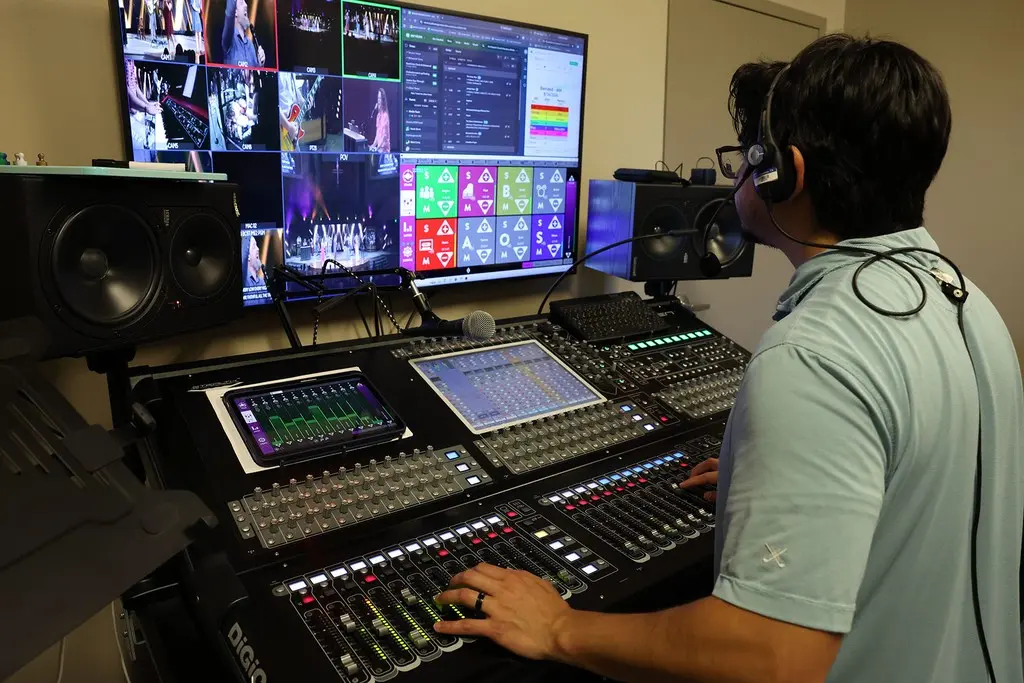
The First Baptist Church of Pasadena (FBCP), a cornerstone of the community in Pasadena, Texas, has completed a comprehensive technological overhaul of its audio monitoring infrastructure, signaling a significant shift in how large-scale houses of worship manage complex live sound environments. By integrating two KLANG:vokal+ immersive in-ear mixing systems alongside a fleet of DiGiCo digital mixing consoles, the church has successfully transitioned to a 24-mix monitor ecosystem that empowers musicians and worship leaders to manage their own acoustic environments. This transition, facilitated by the Missouri-based systems integrator Paragon 360, addresses the mounting pressure of multi-service Sunday schedules and the high expectations of modern congregational music production.
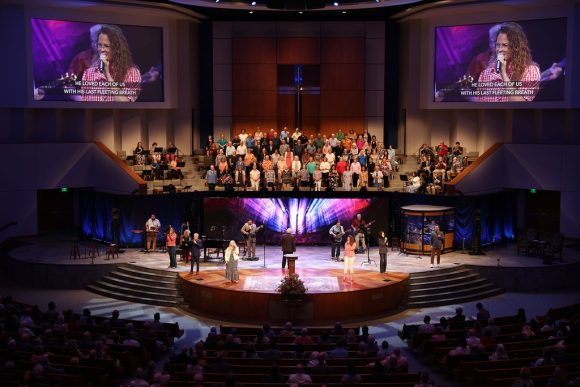
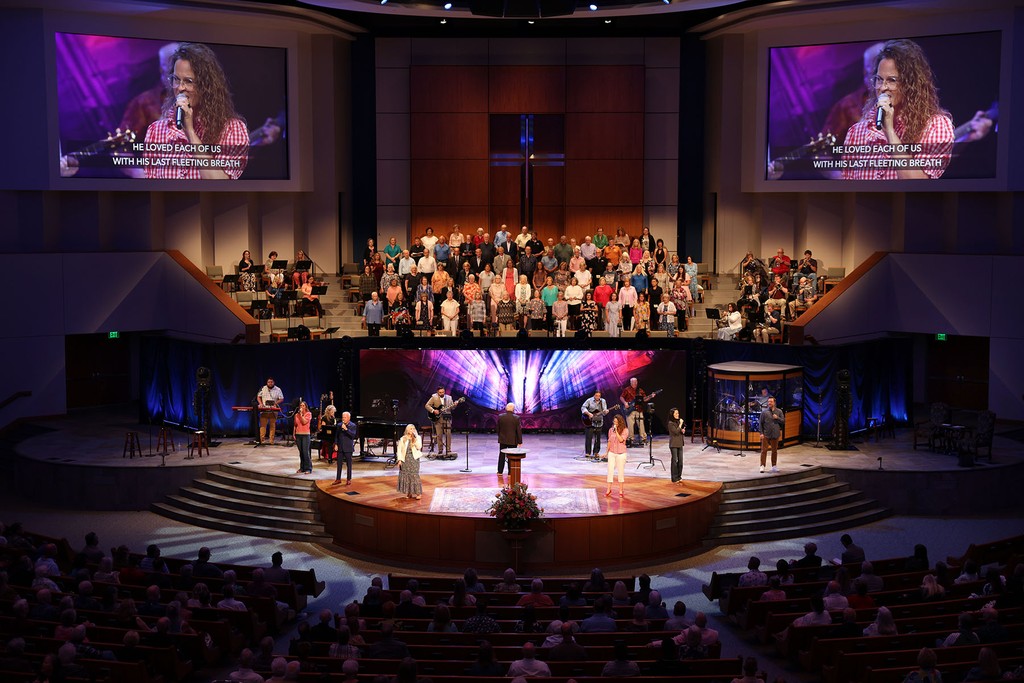
Located in a sprawling campus that was significantly expanded in recent years, FBCP serves as a prime example of the "megachurch" evolution, where technical requirements often rival those of professional touring acts. The centerpiece of the campus is a modern 2,500-seat worship center, complemented by a basilica-style chapel and dedicated facilities for children’s ministry. The worship center’s Sunday schedule is particularly demanding, featuring two distinct service formats with minimal turnaround time. The first is a "blended" service, which incorporates a full choir, a symphony orchestra, and a contemporary band. This is immediately followed by a contemporary service that focuses on a modern band arrangement. The logistical challenge of switching between these two vastly different ensembles led the church’s media team to seek a more agile and sonically superior monitoring solution.
The Evolution of the Audio Infrastructure
The church’s journey toward a unified audio ecosystem began in earnest in September 2025. At that time, FBCP invested in two DiGiCo Quantum338 consoles, which were deployed at the Front of House (FOH) and broadcast positions. The Quantum338, built on DiGiCo’s seventh-generation FPGA technology, provided the church with the processing power and flexibility required to manage the high channel counts of the blended service. However, the monitoring side of the operation remained a bottleneck.
Initially, the church utilized a hybrid monitoring setup. While the band and orchestra were moved onto a single KLANG:vokal+ system and several KLANG:kontroller units, the vocalists continued to receive traditional monitor mixes directly from the console. According to Brent Shore, Director of Media at First Baptist Church Pasadena, the team quickly realized the limitations of this bifurcated approach. The discrepancy in audio quality and control between the two groups created an inconsistent experience for the performers.
"We noticed very quickly how much we liked the KLANG system and how much easier it would be to bring everyone into a single ecosystem and a single application," Shore noted. This realization prompted the acquisition of a second KLANG:vokal+ unit in early 2026. To support this expanded monitoring footprint, the church repurposed one of its existing DiGiCo SD10 consoles—previously used at FOH—to serve as a dedicated monitor desk. The SD10 is linked to the KLANG systems via MADI, creating a high-capacity, low-latency backbone for the 24 immersive mixes now in use.
The Science of Immersive In-Ear Monitoring
The core of the upgrade lies in the KLANG:vokal+ mixing engine, a device specifically engineered to provide musicians with a natural, three-dimensional listening experience. Unlike traditional stereo in-ear monitors (IEMs), which often result in a "congested" sound where instruments compete for the same frequency space, KLANG’s binaural processing allows users to place audio signals in a 360-degree virtual space.
This spatial separation is more than a luxury; it is a functional tool for performance. When a musician can perceive the guitar to their left, the keyboards to their right, and the choir behind them, the brain can more easily distinguish between individual sources. This cognitive ease leads to several tangible benefits in a live worship setting:
- Lower Monitoring Levels: Because instruments are spatially separated, musicians do not need to increase their volume to hear themselves over others. This reduces the risk of long-term hearing damage and prevents ear fatigue during long rehearsals and back-to-back services.
- Increased Clarity: By moving the "clutter" out of the center of the mix, the primary cues—such as the click track, the worship leader’s instructions, and the musician’s own instrument—become much clearer.
- Enhanced Performance: Musicians report feeling more connected to the ensemble when the audio environment mimics the physical layout of the stage.
For FBCP, the move to KLANG meant that the "wall of sound" previously experienced by performers was replaced by a transparent, immersive soundscape. Shore highlighted that the previous IEM system was largely limited to volume adjustments, with very little room for panning or spatial customization. The new system has "cleaned up" the band’s mixes significantly, allowing for a more professional and polished performance.
Empowering the Performer: A Shift in Personnel Roles
One of the most profound impacts of the new system is the democratization of the mixing process. In traditional monitor setups, a dedicated engineer is responsible for adjusting the levels for every individual on stage. In a setting with a full orchestra, choir, and band, this can be an overwhelming task that often results in compromised mixes for some performers.

At FBCP, the role of the monitor technician has shifted from "mixer" to "administrator." The worship leaders now use the KLANG:app on their smartphones or tablets to adjust their own mixes in real-time. Whether they need more of their own vocal or a slight reduction in the drum overheads, they can make those changes instantaneously without having to signal a technician.
"Actually, we manage the monitors today instead of mixing them," Shore explained. The media team, led by Shore and Associate Director of Media Michael Esparza, focuses on ensuring correct input gain, managing EQ curves, and maintaining the overall health of the signal chain. The actual creative decisions regarding the monitor mix are left to the musicians and singers. This shift has not only improved the satisfaction of the performers but has also allowed the technical staff to focus on the broader aspects of the production, such as the broadcast mix and the house sound.
Chronology of a High-Speed Changeover
The efficiency of the KLANG and DiGiCo integration is most evident during the transition between the church’s two Sunday services. With only 15 to 20 minutes between the end of the blended service and the start of the contemporary service, the technical team must execute a massive reconfiguration of the stage, lighting, video, and audio.
During this window, the orchestra and choir exit, and the stage is reset for the band-driven contemporary service. In a traditional analog or early digital environment, such a changeover would be fraught with the risk of technical errors. However, the DiGiCo-KLANG ecosystem utilizes advanced snapshot and session loading capabilities.
"With KLANG, we simply load the session for the respective service," Shore said. "All controllers and in-ears immediately jump back to their specific mixes." Because the KLANG system communicates directly with the DiGiCo consoles, it automatically inherits channel names and routing configurations. This seamless data exchange ensures that when a musician plugs in their in-ears for the second service, their personalized 3D mix is exactly as they left it during rehearsal.
Broader Implications for House of Worship Technology
The implementation at First Baptist Church Pasadena reflects a broader trend in the House of Worship (HoW) market toward sophisticated, networked audio solutions. As churches continue to adopt high-definition video and broadcast-quality audio to reach remote congregants, the "on-stage" experience must keep pace.
The use of immersive audio for monitoring is no longer reserved for top-tier concert tours. The FBCP case study demonstrates that for organizations managing large volunteer-based ensembles, the investment in intuitive, self-service technology can lead to significant operational savings and improved morale. By reducing the reliance on a highly skilled monitor engineer for every minor adjustment, the church can maintain high production standards even with a rotating staff of volunteers.
Furthermore, the choice of Paragon 360 as the integrator underscores the importance of specialized expertise in the HoW sector. Paragon’s ability to design a system that bridges the gap between a high-end professional audio environment and the specific needs of a church community was instrumental in the project’s success.
Conclusion and Future Outlook
The technical upgrade at First Baptist Church Pasadena stands as a benchmark for modern worship production. By combining the processing power of DiGiCo’s Quantum and SD platforms with the immersive capabilities of KLANG:technologies, the church has solved the dual challenges of sonic clarity and operational speed.
As we look toward the future of live sound in religious settings, the "Pasadena Model" suggests that the future is both immersive and decentralized. By putting the power of the mix into the hands of the performers, FBCP has created a more sustainable and high-performing environment for its staff and volunteers. The 24-mix system not only meets the current needs of the church’s diverse musical programs but also provides a scalable foundation for future growth. In an era where the quality of the worship experience is closely tied to the quality of the technology supporting it, First Baptist Church Pasadena has positioned itself at the forefront of the industry.
