

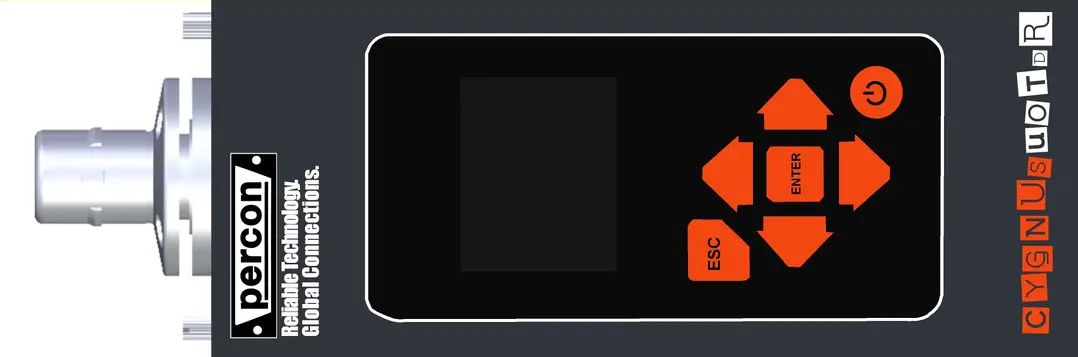
The reliability of signal transmission remains the cornerstone of modern television production, where the transition to high-definition, 4K, and 8K resolutions has necessitated a parallel evolution in cabling infrastructure. Percon Broadcast Multimedia has addressed a critical vulnerability in this chain with the introduction of the Cygnus uOTDR, a sophisticated, portable diagnostic tool specifically engineered for SMPTE-hybrid cables. By integrating fiber optic and copper testing into a single, streamlined process, the device allows technicians to identify, locate, and rectify cable faults with a precision of 10 meters or better, ensuring that technical failures are mitigated long before a live broadcast begins.
In the high-stakes environment of live sports and international events, the cost of a cable failure during a transmission can be catastrophic, both financially and reputationally. The Cygnus uOTDR serves as a preemptive solution, offering a comprehensive analysis of SMPTE 304M and ARIB-compliant cables. This dual-capability is essential because hybrid cables, which carry both high-speed data via glass fiber and power via copper conductors, are susceptible to a wide range of mechanical stresses. While traditional testing methods often require separate tools for fiber and copper, the Cygnus uOTDR performs these checks in one pass, significantly reducing the setup time for outside broadcast (OB) teams and maintenance crews.
Technical Innovation in Fiber and Copper Diagnostics
The "uOTDR" designation refers to the unit’s integrated micro-Optical Time-Domain Reflectometer. Operating at a wavelength of 1310 nm, this single-mode reflectometer does more than merely confirm signal continuity; it acts as a radar for light. By sending a pulse through the fiber and measuring the backscatter and reflections, the device can pinpoint the exact location of a break, a micro-bend, or a contaminated connector. This spatial resolution is critical in the field, where cables can span hundreds of meters. Knowing that a fault exists is only half the battle; knowing that the fault is exactly 40 meters from the connector allows a team to swap out a specific segment or perform a targeted repair rather than abandoning an entire cable run.
For the fiber optic components, the Cygnus uOTDR utilizes an intuitive "traffic light" system on its color OLED display. A green light indicates a healthy signal with minimal loss, yellow serves as a warning of degradation that may soon lead to failure, and red indicates a critical loss that requires immediate intervention. This simplified visual feedback is designed for high-pressure environments where engineers must make rapid "go/no-go" decisions.
The copper testing component is equally robust. Hybrid cables used in camera chains must provide consistent power to the camera head and facilitate tally lights and intercoms. The Cygnus uOTDR identifies copper-specific issues such as short circuits, open circuits, and overvoltage conditions with pin-point accuracy. By providing a holistic view of the cable’s health—both its data-carrying capacity and its power-delivery integrity—the device eliminates the guesswork that has historically plagued the troubleshooting of hybrid systems.
Versatility and Field Durability
Broadcast environments are notoriously harsh, ranging from the dusty sidelines of a desert rally to the humid, cramped confines of a mobile production unit. Percon has constructed the Cygnus uOTDR with these realities in mind. The chassis is manufactured from high-grade anodized aluminum, providing a balance between lightweight portability and structural rigidity. The interface features a membrane keyboard rated for at least 20,000 actuations, ensuring longevity even with frequent daily use.
One of the device’s most significant advantages is its compatibility with a wide array of industry-standard connectors. The broadcast world is fragmented by various proprietary and semi-proprietary connection systems, and the Cygnus uOTDR addresses this through a system of interchangeable heads. It supports:
- Lemo 3K.93C (the global standard for SMPTE hybrid connections)
- Fischer 1053
- Neutrik opticalCON QUAD and DUO
- Stratos HX1080
- Simple Fiber Connectors
- TYCO E-Beam
This level of interoperability ensures that a single diagnostic tool can serve an entire fleet of equipment, regardless of the specific camera or patch bay brands being utilized. Furthermore, the device supports both Multimode (850/1300 nm) and Singlemode (1310/1550 nm) fibers, making it a versatile asset for various infrastructure types. For specialized testing, an 80-meter launch box is available for both channels, which helps to eliminate the "dead zone" typically found at the beginning of an OTDR trace, allowing for accurate measurements of the very first connector in the chain.
Strategic Importance and Leadership Perspectives
The philosophy behind the Cygnus uOTDR is rooted in the concept of "pre-emptive maintenance." Domènec Permanyer, CEO of Percon, emphasizes that the success of a broadcast is often determined hours before the first frame is captured. "A fault-free broadcast operation is prepared before the cameras are switched on," Permanyer stated during the product’s unveiling. "What is detected in the pre-test never reaches the live broadcast."
This proactive approach is becoming a requirement as the industry moves toward 12G-SDI and IP-based workflows (such as SMPTE ST 2110). These technologies are far less tolerant of signal degradation than older analog or standard-definition digital formats. A minor amount of jitter or a slight increase in decibel loss that might have been ignored a decade ago can cause a total signal collapse in a modern 4K HDR environment. Tools like the Cygnus uOTDR provide the empirical data necessary to certify that a cable plant is capable of handling these high-bandwidth demands.
Chronology of Development and Market Context
The development of the Cygnus uOTDR comes at a time when the broadcast industry is seeing a massive uptick in "remote production" and "at-home" workflows. In these scenarios, the physical link between the camera on-site and the processing equipment—often located in a different city or even a different country—is more critical than ever. The "last mile" of this connection is almost always a SMPTE hybrid cable.

Historically, OTDR technology was the domain of specialized telecommunications technicians, requiring bulky, expensive equipment and advanced training to interpret complex waveforms. Percon’s achievement lies in miniaturizing this technology and tailoring the interface for the broadcast engineer. The transition from lab-grade equipment to a handheld, battery-operated device (powered by four AAA batteries or USB-C) represents a significant shift in how cable health is managed in the field.
Operational Impact on Outside Broadcasting
The practical applications of the Cygnus uOTDR are most evident in the world of Outside Broadcasting (OB). When an OB van arrives at a stadium, miles of cable are deployed under bleachers, through conduits, and across pedestrian walkways. These cables are stepped on, pinched by doors, and subjected to extreme weather.
By using the Cygnus uOTDR during the "rigging" phase, engineers can verify every cable as it is laid. If a cable was damaged during transit or during the pull, it is identified immediately. This prevents the "ghost in the machine" scenarios where a camera intermittently loses sync or power during a live event—problems that are notoriously difficult to diagnose once the production is underway and access to the cable runs is restricted by crowds or security.
Furthermore, the device’s ability to switch between battery and USB-C power ensures it is always ready for use. The automatic power source selection means that if the AAA batteries fail, a technician can simply plug the unit into a standard power bank or a laptop to continue testing, ensuring no delays in the production schedule.
Broader Implications for the Industry
The introduction of the Cygnus uOTDR is indicative of a broader trend toward intelligent infrastructure. As the "dumb" cables of the past are replaced by complex hybrid systems, the tools used to maintain them must also become more intelligent. The data provided by these testers can be used to build a "health profile" for a cable inventory, allowing rental houses and production companies to track the degradation of their assets over time and retire cables before they fail in the field.
In conclusion, the Percon Cygnus uOTDR represents a vital advancement in broadcast engineering. By combining high-resolution fiber diagnostics with comprehensive copper testing in a rugged, portable form factor, it addresses the most common point of failure in the modern signal chain. As the industry continues to push the boundaries of resolution and frame rates, the necessity for such precise, reliable, and easy-to-use diagnostic tools will only grow. For broadcast professionals, the Cygnus uOTDR is not just a tester; it is an insurance policy against the unpredictable nature of field production, ensuring that the focus remains on the content of the broadcast rather than the integrity of the connection.
